Netflix’s upcoming live-action Assassin’s Creed series is already one of the most anticipated video game adaptations, but according to a key figure from the franchise, its success may depend on a surprisingly simple idea—staying true to what made the games popular in the first place.
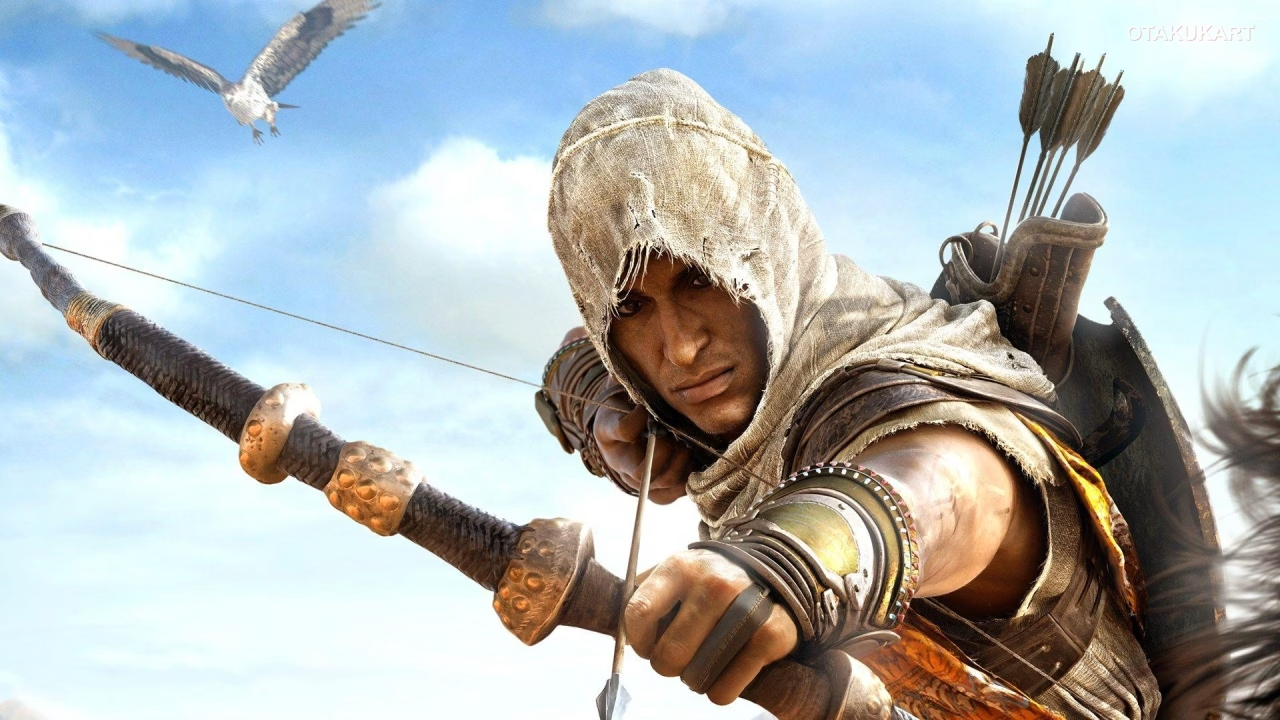
Abubakar Salim, best known for voicing Bayek in Assassin’s Creed Origins, recently shared his thoughts in an interview with ScreenRant. His performance in the 2017 game played a major role in its critical and commercial success, making his perspective especially relevant as Netflix works on bringing the long-running franchise to television.
Staying True to the Core Matters Most
Salim believes the biggest mistake the adaptation could make is trying to reinvent something that already works. While acknowledging the differences between gaming and television storytelling, he stressed that the foundation of Assassin’s Creed should remain untouched.
“You just have to think of the community that brought it to life in the first place. You have to give them what they loved at the beginning,”
Salim said. He added that while adapting the story for a new medium is necessary, creators should avoid unnecessary changes that drift away from the original appeal.
The actor pointed out that the franchise already has a rich narrative structure, spanning multiple timelines and historical settings. According to him, these elements are not just optional features but essential to the identity of Assassin’s Creed.
“It’s one of those where it’s so easy to try and innovate on it when it doesn’t really need innovation. It just needs its core,”
he explained, referring to the balance between the historical storylines and the modern-day narrative tied to the Animus.
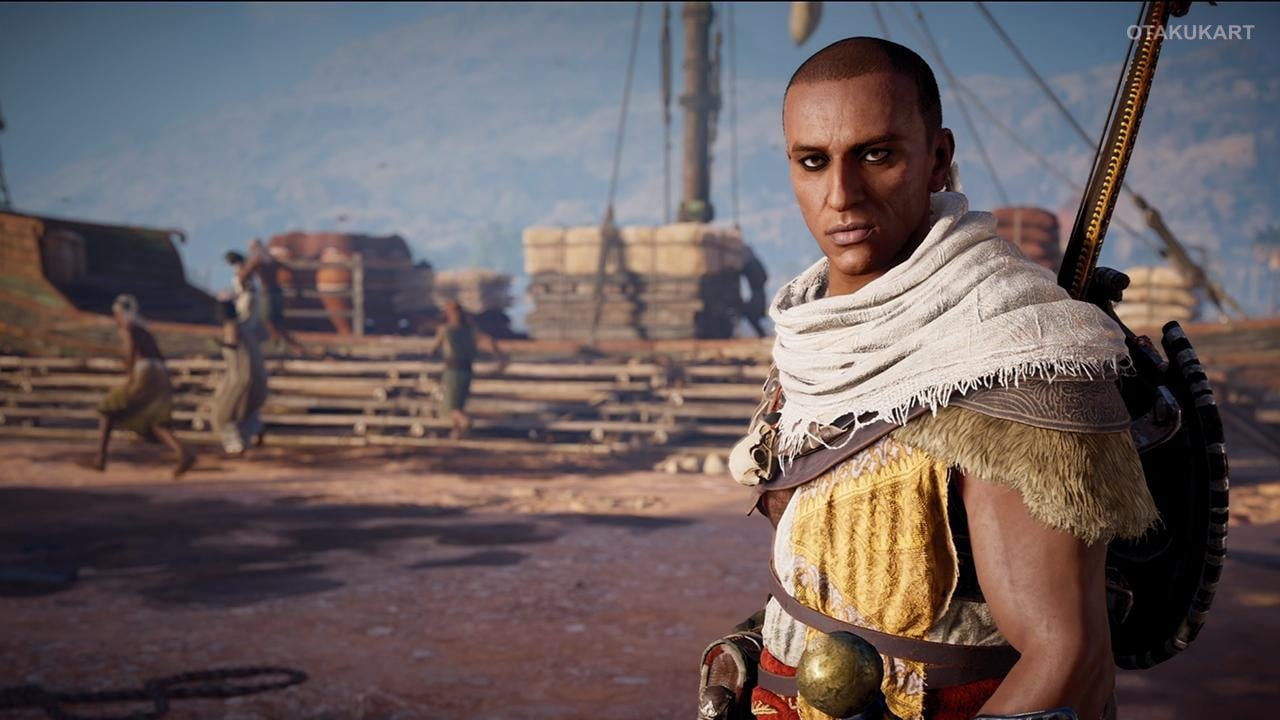
A major part of Salim’s argument revolves around the franchise’s loyal fanbase, which has supported the series for nearly two decades. He emphasized that these players have invested countless hours exploring its world, making their expectations impossible to ignore.
“You have to listen to the fans there in regards to really paying service and homage to it,”
he said. For Salim, respecting that connection is just as important as telling a compelling story.
He further explained that television, much like gaming, allows for extended storytelling. This gives creators the opportunity to develop characters and narratives in depth, something that aligns well with how Assassin’s Creed games operate.
“They live in this stuff, they breathe this stuff. So get them hyped, get them excited, but also tell a really good story,”
he added, highlighting the importance of balancing fan service with quality storytelling.
A Franchise Built for Long-Form Storytelling
The Assassin’s Creed universe is uniquely suited for television due to its layered storytelling and historical settings. From ancient civilizations to modern-day conspiracies, the franchise has consistently delivered expansive narratives that evolve over time.
Salim noted that this structure could actually work in the show’s favor. Unlike a film, a series has the space to explore different timelines and characters without rushing through key moments. This approach could help the adaptation avoid one of the biggest pitfalls of video game adaptations—oversimplification.