STEEL BALL RUN JoJo’s Bizarre Adventure has entered a more controversial phase of its Netflix run as concerns grow over how closely the anime is adapting Hirohiko Araki’s manga. The second and third stages began streaming on September 25, 2026, with 11 episodes scheduled for weekly release.
The new episodes continue Johnny Joestar and Gyro Zeppeli’s journey through the transcontinental Steel Ball Run race, but some viewers have criticized the adaptation for omitting dialogue and contextual details from the original manga.
The criticism is particularly significant because Steel Ball Run is not simply a supernatural horse-racing adventure. Araki’s seventh JoJo’s Bizarre Adventure part explores nationalism, race, immigration, industrialization, colonialism and social inequality through its characters and setting.
STEEL BALL RUN’S MISSING CONTEXT COULD AFFECT ITS STORY
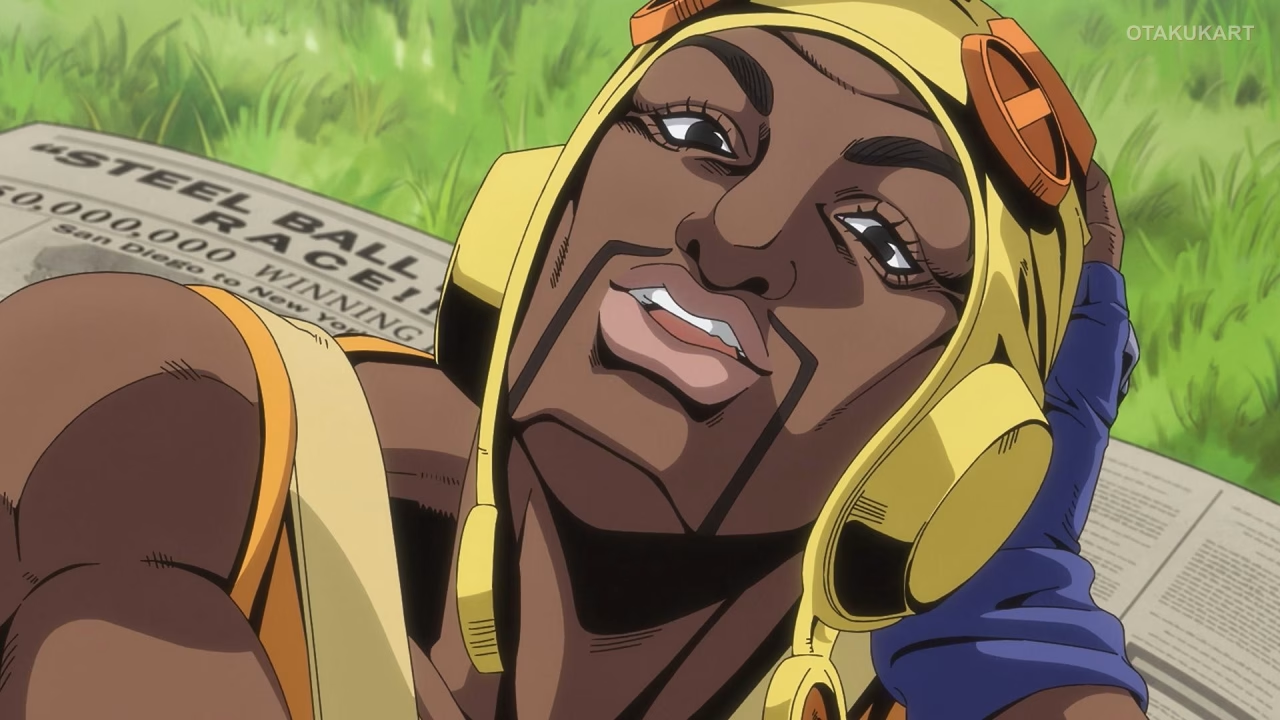
One of the major concerns involves characters such as Pocoloco and Sandman. Their backgrounds in the manga provide additional context surrounding the experiences of Black Americans and Native Americans, respectively. Some of this material has been omitted from the anime, potentially reducing the social context behind their roles in the race.
The adaptation has also reportedly shortened or removed dialogue involving major characters. That could become more important as the story progresses because Steel Ball Run gradually develops its characters and uses seemingly minor conversations to establish motivations and later developments.
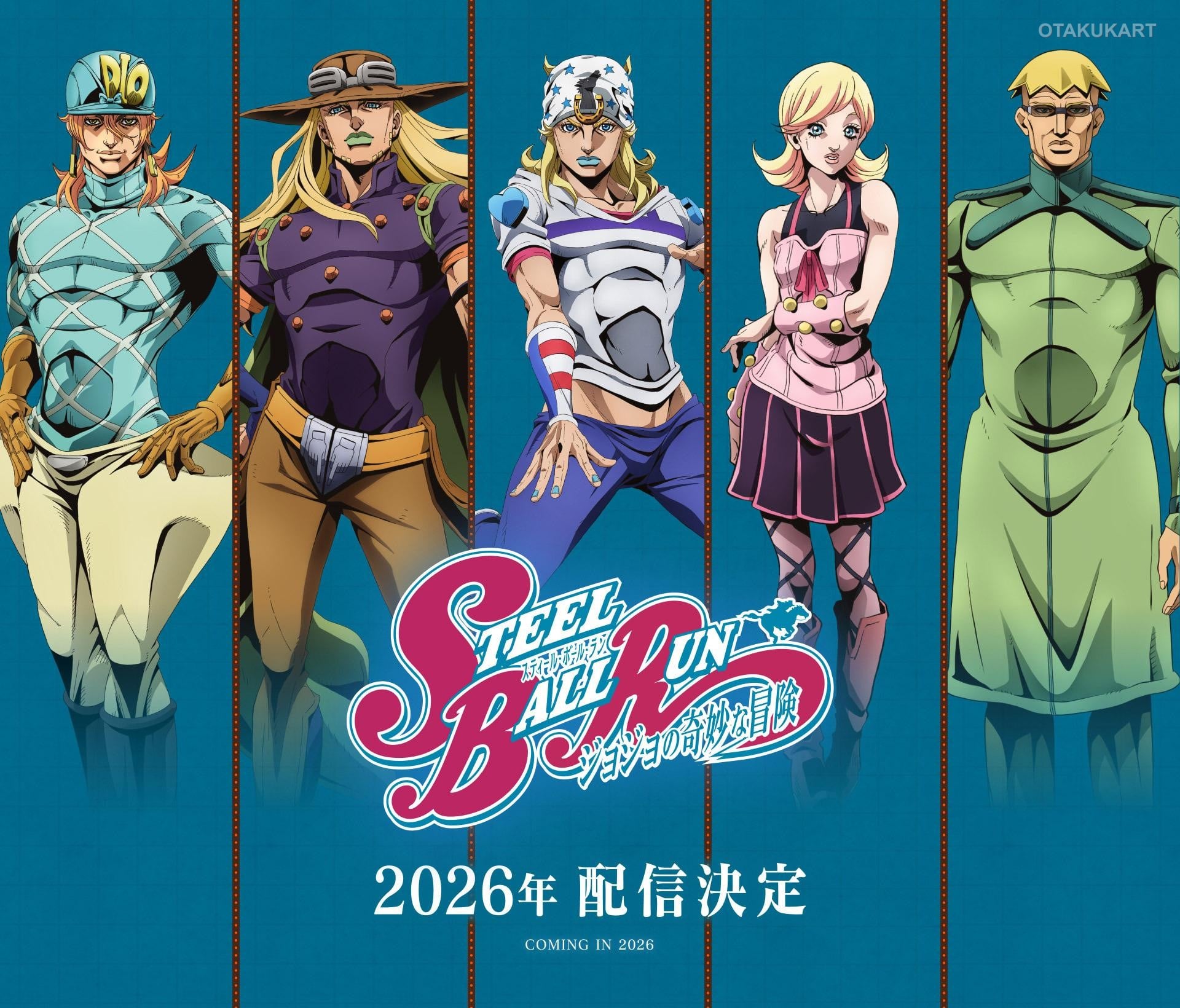
This is particularly relevant to Johnny, Gyro, Steven Steel and other central figures whose characterization develops throughout the race. The anime is being produced by David Production, with Yasuhiro Kimura and Hideya Takahashi directing, and Netflix distributing the series worldwide.
The adaptation is still relatively early in its story, leaving room for future episodes to restore context or give greater attention to character development. The second and third stages are planned as a weekly release of 11 episodes, meaning the anime has considerable story left to cover.
For fans who consider Steel Ball Run one of JoJo’s most thematically ambitious parts, the concern is therefore not simply about individual cuts. The larger question is whether removing certain character moments could eventually affect the impact of the story’s major developments and political themes.