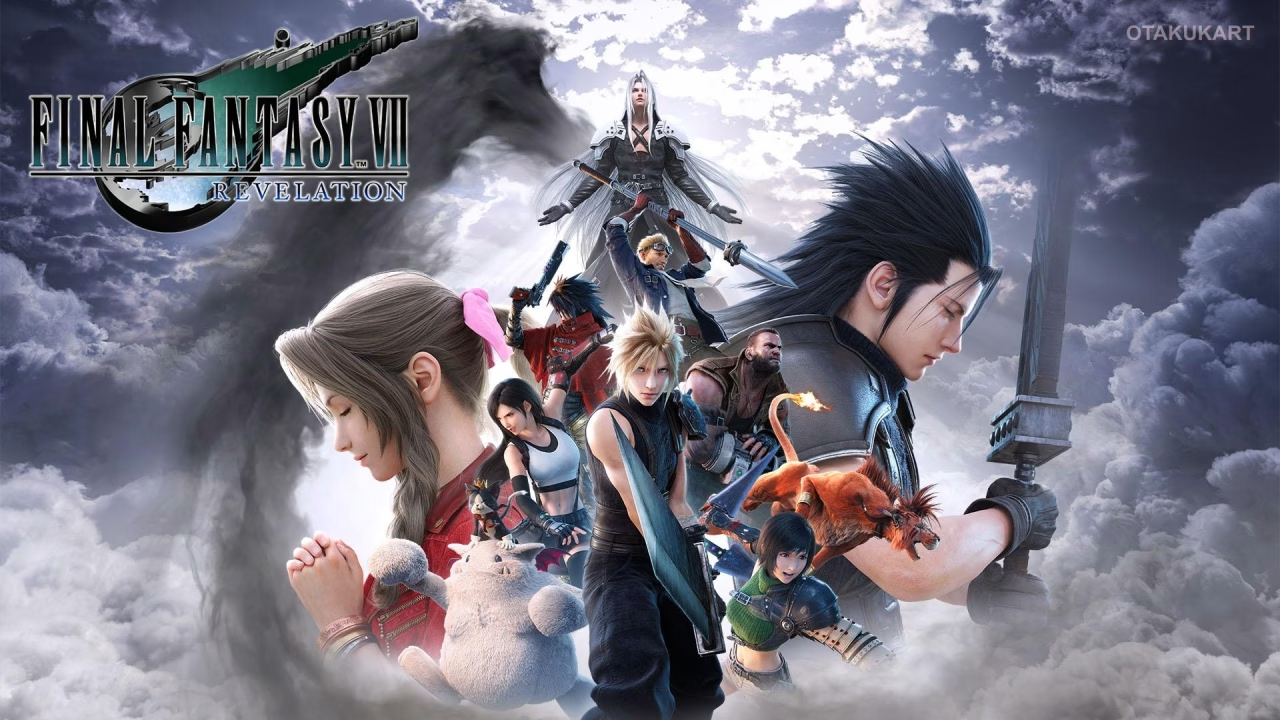
Naoki Hamaguchi, director of Final Fantasy VII Revelation, says Square Enix wants to achieve an even higher level of graphical quality and presentation on Nintendo Switch 2 than it managed with Final Fantasy VII Rebirth. The development team plans to build on its previous optimization work rather than allowing the console’s hardware limitations to restrict the scope of the upcoming RPG.
In an interview with Nintendo Everything, Hamaguchi explained that the experience gained from bringing Rebirth to additional platforms has been crucial to the team’s approach. Since Revelation is being developed for multiple platforms simultaneously, the studio has had to consider different hardware capabilities without compromising its creative ambitions.
“We didn’t want to limit ourselves based on that,”
Hamaguchi said, explaining the team’s decision to aim beyond the quality achieved with Rebirth.
REBIRTH’S NINTENDO SWITCH 2 PORT PROVIDES A TECHNICAL FOUNDATION
Hamaguchi acknowledged that developing Revelation for Nintendo Switch 2 would have been significantly more difficult without the team’s earlier experience. He suggested that a fresh development team starting from scratch would face a much greater challenge in bringing a project of this scale to the platform.
The director pointed to the work completed on Final Fantasy VII Rebirth as a key advantage. That experience gave Square Enix a better understanding of how to adapt the game’s technology and presentation for hardware with different performance capabilities.
Rather than simply carrying over the same settings, the team intends to refine its optimization process further. Hamaguchi believes this knowledge will help the Nintendo Switch 2 version deliver a strong result despite the differences between the console and more powerful systems.
FINAL FANTASY VII REVELATION AIMS FOR A BIGGER ADVENTURE
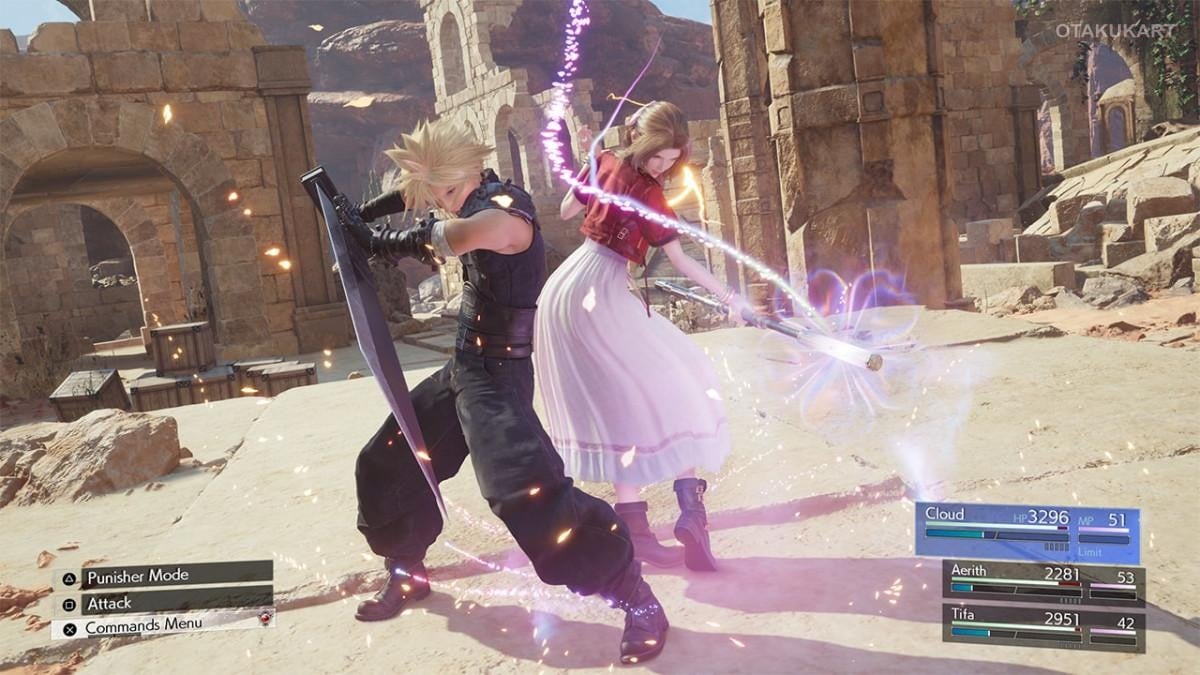
Final Fantasy VII Revelation is the third and final instalment in Square Enix’s remake project, following Final Fantasy VII Remake and Final Fantasy VII Rebirth. According to the game’s official Nintendo listing, the upcoming RPG will take Cloud and his companions into a climactic confrontation with Sephiroth as the planet faces destruction.
The game is designed around a larger adventure, allowing players to explore an expansive world, travel using the Highwind airship, and fight alongside a fully assembled party. Its combat system will continue to combine strategic decisions with real-time action.
The increased scale makes optimization particularly important for the Nintendo Switch 2 release. Square Enix must balance the game’s visual presentation and technical demands while maintaining a consistent experience across its supported platforms.
Hamaguchi clarified that players should not necessarily expect every graphical feature to be dramatically more advanced than in Rebirth. Instead, the improvements will come partly from more effective optimization and the team’s growing familiarity with Nintendo Switch 2 hardware.
Final Fantasy VII Revelation is scheduled to launch on April 8, 2027, for Nintendo Switch 2, PlayStation 5, Xbox Series X|S, Xbox on PC, Steam, and the Epic Games Store, according to Square Enix’s official announcement.
Hamaguchi’s comments suggest that Square Enix intends to make the Nintendo Switch 2 version more than a scaled-down adaptation. By applying lessons from Rebirth and refining its optimization techniques, the studio hopes to deliver the concluding chapter at a higher level of quality while preserving its ambitions across platforms.