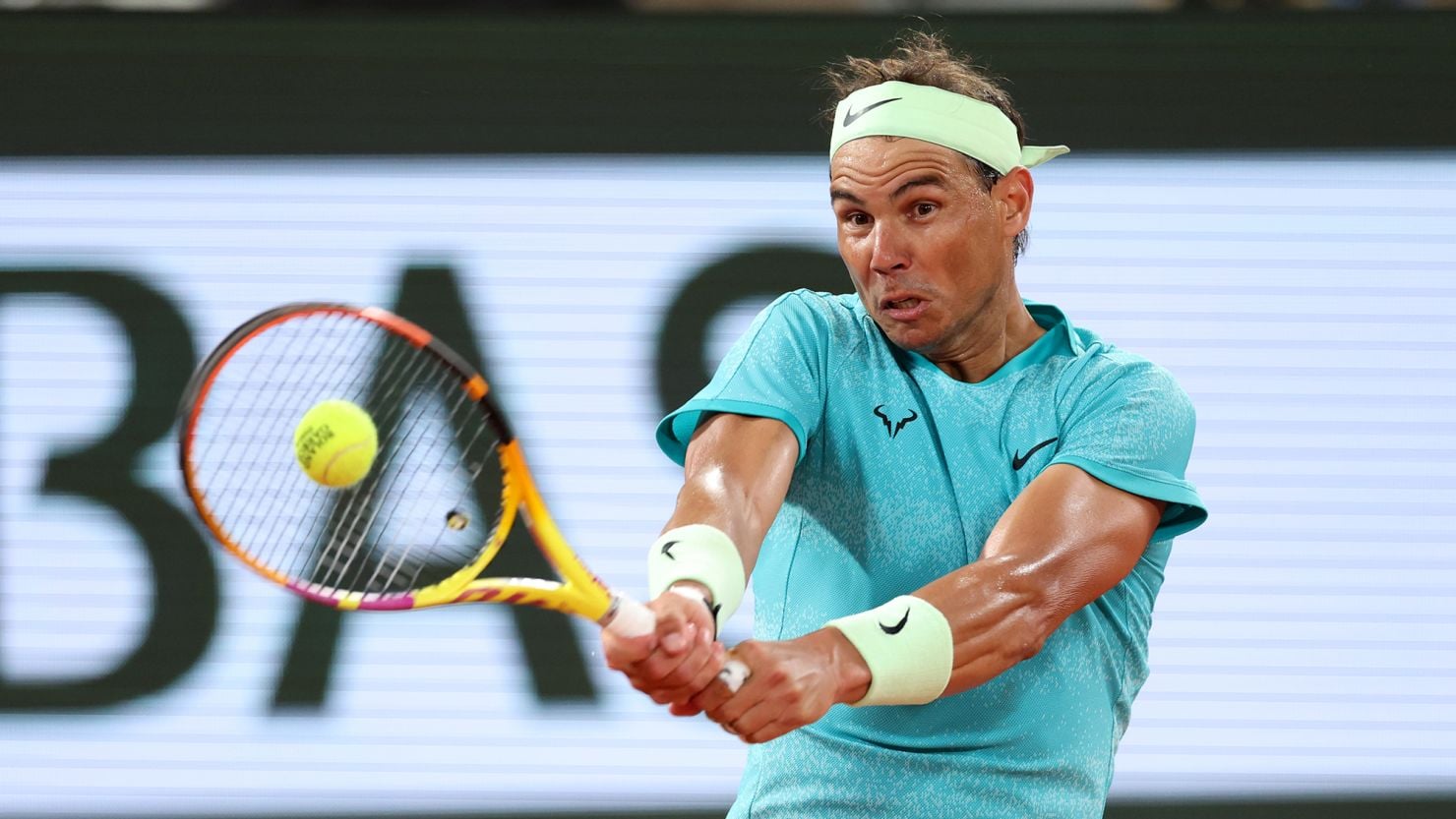
When Rafael Nadal retired in 2024, it marked the end of one of the most iconic careers in sports history. For many fans, the assumption was simple: a player so deeply connected to tennis would struggle to let go. But Nadal himself tells a very different story in his upcoming Netflix docuseries Rafa.
In a revealing interview with Vogue, Nadal addressed the question directly, offering a surprisingly definitive answer.
“My life as a tennis player is closed, and well-closed. I’m very happy with my new life, and I don’t feel nostalgic about my past,”
he said.
The statement stands in stark contrast to the emotional farewells often associated with retiring athletes. Instead of longing for the past, Nadal presents a perspective rooted in closure, acceptance, and forward momentum.
A Retirement Without Regret
For most elite athletes, stepping away from competition often comes with lingering attachment to the sport. Nadal, however, makes it clear that his relationship with tennis has reached a natural conclusion.
His words suggest a rare sense of completion. After decades of competing at the highest level, including a record 14 French Open titles and 22 Grand Slam victories, Nadal does not view retirement as a loss. Instead, it represents a transition into a different phase of life.
This outlook becomes a central theme in Rafa, the four-part docuseries premiering on Netflix. The project explores not only his achievements but also the emotional and physical journey that led him to step away from the sport.
Why Nadal Finally Allowed Cameras Into His Life
Despite his global fame, Nadal has long been known for his privacy. Unlike many athletes who embrace documentaries during their peak years, he repeatedly declined similar opportunities throughout his career.
“That’s something I refused to do during all my tennis career,”
Nadal admitted, explaining how unusual this project is for him.
So why now? The answer lies in timing. Nadal described the documentary as a way to preserve the final stage of his career while he still had control over how the story was told.
“I decided to move forward with it during the last year of my career, knowing that it probably was my last chance,”
he said.
The decision was not immediate or easy. Nadal acknowledged that having cameras around his family and personal life initially felt uncomfortable. Over time, however, the process became more natural, allowing him to share moments that had never been seen before.
A Rare Look at the Physical Toll Behind the Success
One of the most compelling aspects of Rafa is its focus on the physical challenges that defined Nadal’s career. While fans are aware of his injuries, the documentary highlights just how early and severe those struggles were.
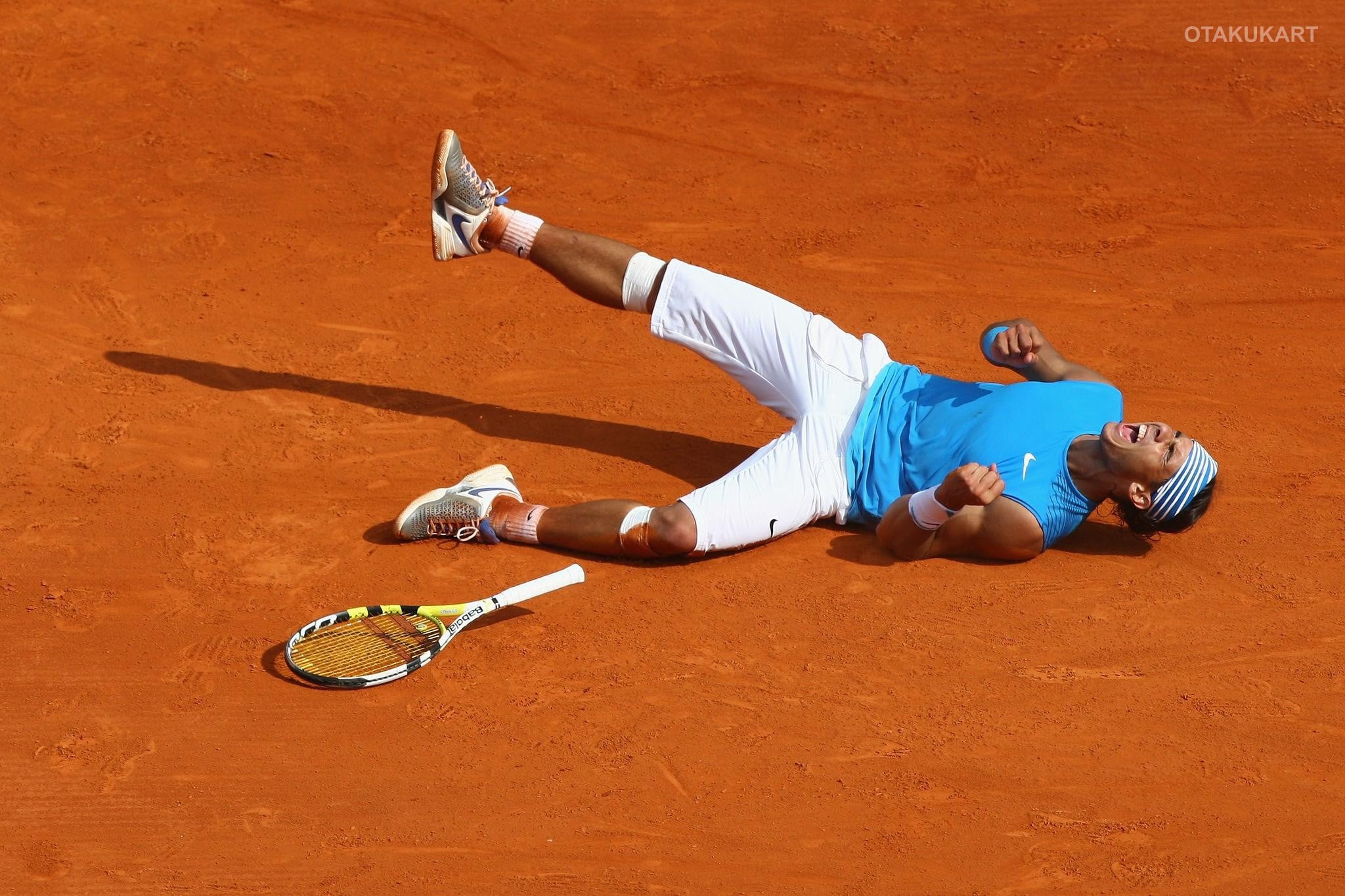
Throughout his career, Nadal faced repeated setbacks, missing multiple tournaments and even entire Grand Slam events. These challenges forced him to make difficult decisions about whether to continue competing or prioritize his health.
Reflecting on those choices, Nadal offered a nuanced perspective.
“Of course I would change decisions that I made in my life—without a doubt,”
he said.
However, he also emphasized that pushing his limits allowed him to achieve more than he otherwise might have. This balance between regret and acceptance adds depth to his story, showing the complexity behind his success.
The Truth Behind His Iconic On-Court Rituals
Beyond injuries, Rafa also explores one of Nadal’s most recognizable traits: his meticulous on-court rituals. From adjusting his clothing to carefully aligning water bottles, these habits became a defining part of his matches.
For years, fans speculated that these actions were driven by superstition. Nadal, however, offers a different explanation.
“It was a way to make myself comfortable… and not distracting my mind from what I was doing in every moment,”
he said.
According to Nadal, these routines were not about luck but about focus. They helped him maintain concentration during high-pressure situations, creating a sense of control in an otherwise unpredictable environment.
Over time, these rituals became more pronounced, reflecting the increasing demands of competing at the highest level.
Life Beyond Tennis
One of the most striking elements of Nadal’s perspective is his complete acceptance of life after tennis. While many athletes struggle to redefine themselves after retirement, Nadal appears to have embraced the transition fully.
He described his current life as fulfilling and expressed no desire to return to professional competition. Even during major tournaments like the French Open, which he once dominated, he does not feel the pull of nostalgia.
This mindset challenges common narratives around retirement in sports. Instead of focusing on loss, Nadal’s story highlights the possibility of moving forward without regret.
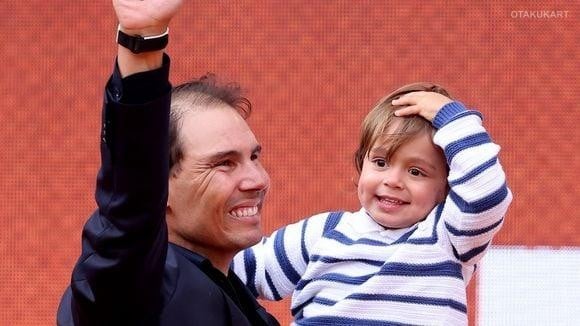
At the same time, the documentary shows a more personal side of his life, including moments with his family and his young son. These glimpses reinforce the idea that his priorities have shifted, allowing him to find satisfaction beyond the tennis court.
A Documentary Built on Honesty
At its core, Rafa is defined by its commitment to authenticity. Nadal made it clear that he did not want to present a curated version of his life.
“I didn’t want to hide anything—I was just being myself,”
he said.
This approach sets the documentary apart from traditional sports features, offering a more intimate and unfiltered look at one of the game’s greatest players. By allowing audiences to see both the triumphs and the struggles, the series aims to provide a complete picture of his journey.
Nadal’s comments about retirement, his lack of nostalgia, and his decision to participate in the documentary are all confirmed through his interview with Vogue. Details about the docuseries, including its structure and focus, are also based on reported information. Viewer reactions and the long-term impact of the series remain to be seen.
Rafael Nadal’s story has always been defined by resilience, discipline, and extraordinary achievement. With Rafa, he adds a new dimension to that legacy, one that focuses on reflection and closure rather than competition.
His admission that he does not miss tennis may surprise fans, but it also underscores the completeness of his journey. After years of pushing his limits, Nadal appears ready to move forward, leaving behind a career that speaks for itself.
As the documentary prepares to launch, it offers a rare opportunity to understand not just what Nadal accomplished, but how he views it now. And perhaps most strikingly, it reveals a champion who has truly found peace beyond the game.