

Japan’s manga industry is increasingly built around more than selling books. Major publishers now seek to extend successful stories into anime, films, video games, merchandise, and international markets. That strategy has created new revenue opportunities, but it has also raised questions about how much control creators and their representatives retain when a manga becomes a valuable commercial property.
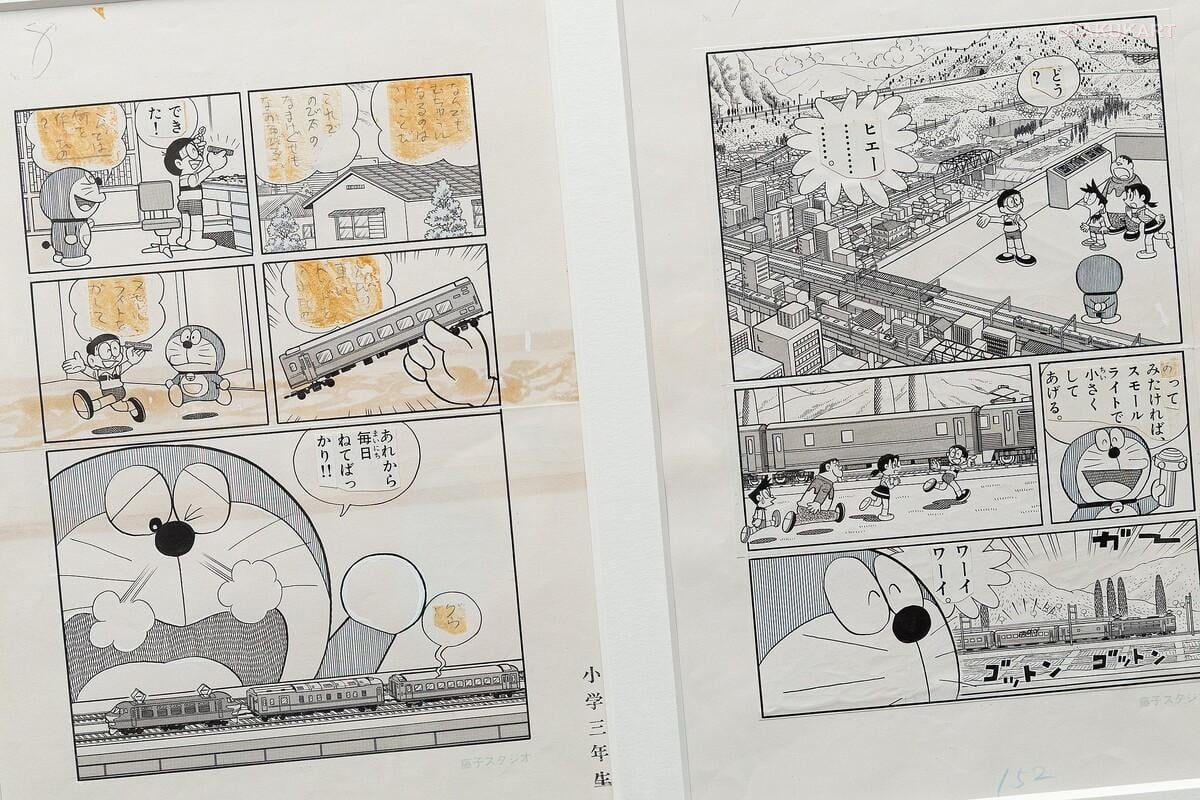
A recent example is the end of Doraemon reprints in Shogakukan’s CoroCoro Comic. The May 2026 issue, released on April 15, carried the final installment of the long-running reprint series, which had appeared in the magazine since 2002. Its closing message thanked readers for their support.
The Comics Journal essay, When Manga Became Something Else: The Rise of the IP Economy and the Eclipse of Creation, connects the development to reported tensions between Shogakukan and Fujiko Productions, the company representing the family of Doraemon creator Fujiko F. Fujio. The essay presents the situation as a possible clash between treating a manga as an extension of its creator and treating it as an asset that can be managed and monetized. However, the reason for the reprints ending has not been independently established. Shogakukan reportedly described it as an editorial decision.
Falling print sales pushed publishers toward the IP economy
The shift has been driven partly by the decline of Japan’s traditional manga magazine market. Weekly Shonen Jump, which reached a record circulation of 6.53 million copies in 1994, averaged just 985,000 copies per issue between April and June 2026, according to figures from the Japan Magazine Publishers Association reported by ORICON News. The decline reflects the changing role of print as readers increasingly access manga through digital services.
Publishers have responded by building businesses around their most recognizable properties. Shueisha launched Shonen Jump+ in 2014 and MANGA Plus in 2019, giving readers overseas access to its catalogue and new releases. The company also identifies anime, films, events, merchandising, and international distribution as ways to expand the value of its manga properties.
This approach changes how commercial success is measured. A manga is no longer valued only by magazine circulation or collected-volume sales. Its characters and fictional world can generate revenue through games, animation, merchandise, licensing, and streaming long after the original story has ended. Kodansha and Shogakukan have also expanded their multimedia strategies, while KADOKAWA has built a broader business connecting publishing, anime, games, and digital platforms.
The question of who controls a manga’s future
The growing IP economy makes rights management increasingly important. Japan’s Ministry of Economy, Trade and Industry has outlined several possible arrangements, including creators working with agents, dividing rights with publishers, or retaining control over secondary uses themselves. The appropriate arrangement can vary depending on the creator and the work.
That distinction is central to the debate raised by Kumi’s essay. Publishers provide editorial support, production infrastructure, distribution, and access to global audiences. However, when a story becomes a long-running franchise, decisions about reprints, adaptations, licensing, and merchandising can extend far beyond the original act of creation.
The Doraemon reprint ending does not, by itself, prove that publishers and creators are in conflict. But its reported connection to a wider disagreement over control illustrates why the issue matters. The final CoroCoro Comic announcement simply stated:
“Thank you very much for your long-standing support.”
As manga becomes a larger part of Japan’s global entertainment business, the challenge is finding a balance between expanding a property’s commercial reach and respecting the people responsible for creating it. The industry’s future may depend not only on how successfully publishers monetize their biggest franchises, but also on whether creators retain a meaningful voice in deciding what happens to their work.