

A man in Taipei has been sentenced to four months in prison after failing to return a Nintendo Switch and other electronic items to his former girlfriend following their breakup. The ruling, delivered by the Taipei District Court, highlights how personal disputes involving shared property can quickly escalate into criminal offenses under local law.
According to a report by Sin Chew Daily, the case dates back to 2023 when the man borrowed several items from his then-partner. These included not only the gaming console but also a television and Bluetooth headphones. What began as a routine exchange between a couple eventually turned into a legal battle once the relationship ended and the items were not returned.
Relationship Dispute Turns Into Legal Case
Court findings revealed that after the couple separated, the woman repeatedly requested the return of her belongings. When those requests were allegedly ignored, she filed a police report, triggering a formal investigation. Authorities treated the matter as more than a civil disagreement due to the continued possession of the items without consent.
During the investigation, the man denied wrongdoing and claimed that he had already returned everything. However, prosecutors determined that the evidence did not support his version of events. As a result, he was formally charged with misappropriation, a criminal offense involving the unlawful retention of someone else’s property.
The court ultimately ruled against him, concluding that he had intentionally kept the items despite knowing they belonged to his ex-girlfriend. The decision underscores how such disputes are handled strictly under Taiwanese law when ownership and intent are clearly established.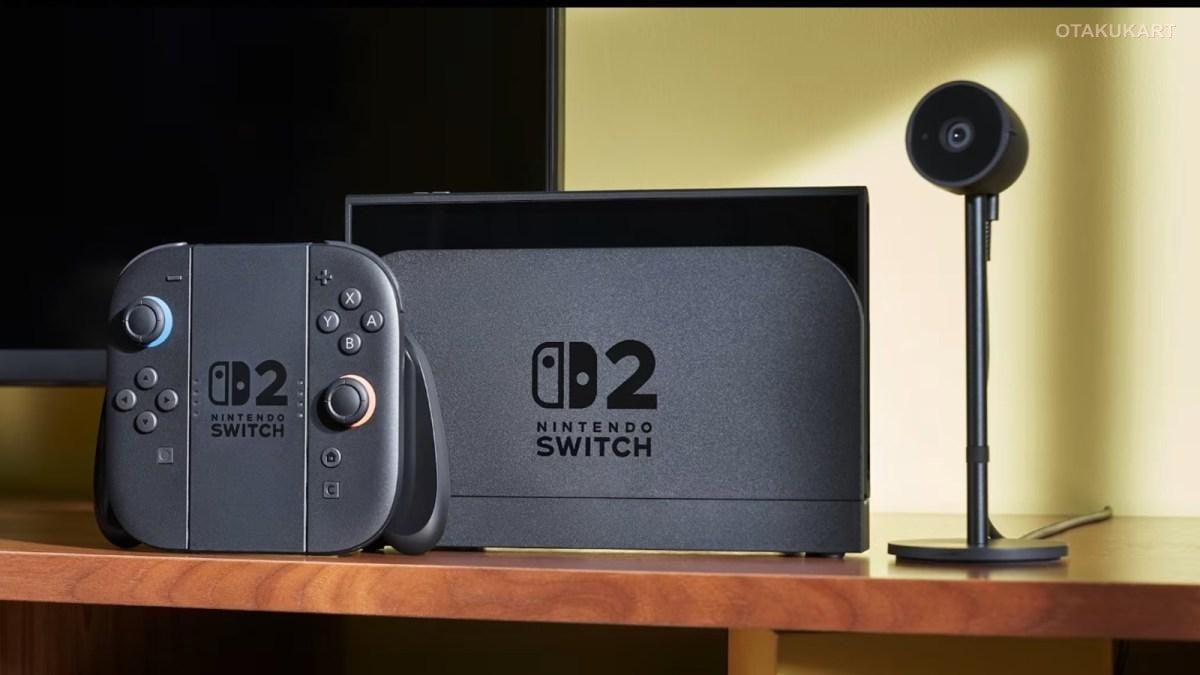
Court Sentencing and Legal Consequences
The Taipei District Court sentenced the man to four months in prison, though the sentence can be converted into a fine. Reports indicate that he has the option to pay NT$120,000 to avoid serving jail time. This alternative reflects a common legal practice in similar cases, allowing offenders to commute shorter sentences under specific conditions.
Legal experts often point out that misappropriation charges hinge on intent and refusal to return property. In this case, the prolonged failure to hand back the items played a central role in the court’s decision. While the value of the electronics may not seem extraordinary, the legal principle remains significant.
As one legal observer noted in local media discussions,
“Once a person refuses to return borrowed property after a clear request, it shifts from a personal matter to a criminal one.”
This perspective aligns with how courts interpret such cases, especially when supported by documented complaints and evidence.
Growing Awareness Around Property Disputes
Cases like this have drawn attention to how everyday items, including gaming devices like the Nintendo Switch, can become central to legal conflicts. With high-value electronics commonly shared among couples, disputes over ownership are becoming more visible in courts across different regions.
The incident also serves as a reminder that informal agreements between partners can carry serious consequences if they break down. Without clear communication or documented arrangements, disagreements over property can quickly escalate beyond reconciliation.
While this case is specific to Taiwan, similar legal principles apply in many jurisdictions, where refusal to return borrowed items can lead to charges depending on the circumstances. The outcome reinforces the importance of resolving such issues early to avoid legal complications.
Separate Incident Highlights Campus Security Concerns
In an unrelated case reported alongside the Taipei incident, a 25-year-old university student in Singapore has been charged with trespassing and attempting to record women in a campus bathroom. Authorities allege that the student entered restricted dormitory areas through a faulty security door and was later apprehended by campus security.
The suspect was reportedly caught after CCTV footage revealed suspicious behavior. Security personnel detained him at the scene before handing him over to police. According to reports, he claimed financial difficulties as a motive, stating that he needed money for rent.
The case is scheduled for sentencing on July 15 and has raised concerns about campus safety and surveillance measures. While unrelated to the Taipei ruling, it highlights how different types of offenses involving personal boundaries and property continue to surface across the region.