
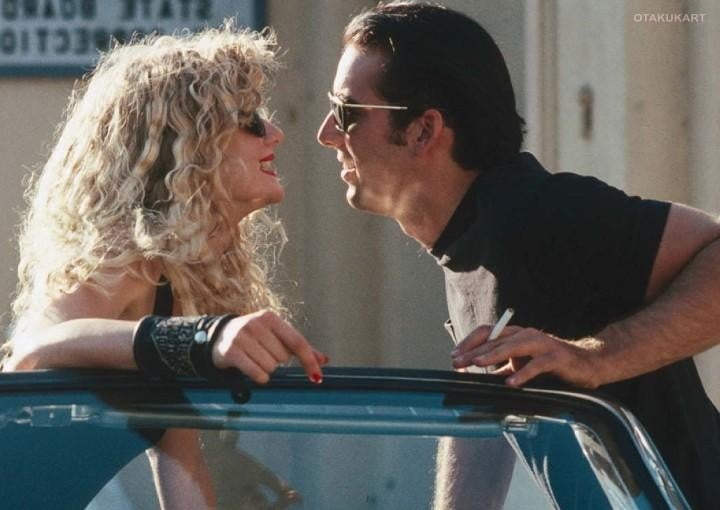
Veteran producer Sigurjón “Joni” Sighvatsson has never been afraid to challenge industry trends, and ahead of receiving the Raimondo Rezzonico Award at the 79th Locarno Film Festival, he offered candid opinions on everything from artificial intelligence to streaming platforms and the changing identity of major film festivals.
Best known for producing acclaimed titles such as Wild at Heart, Basquiat, and The Weight of Water, Sighvatsson believes cinema remains driven by storytelling rather than technology, while arguing that today’s biggest festivals and streaming services are reshaping the industry in very different ways.
Speaking to The Hollywood Reporter ahead of the honor, the Iceland-born producer reflected on his decades-long career and why he believes independent-minded festivals like Locarno may become even more important as the entertainment business evolves.
Sigurjón Sighvatsson believes smaller festivals have a stronger future
Sighvatsson praised the Locarno Film Festival for maintaining a broad artistic vision instead of focusing primarily on celebrity appearances or awards competition. Having previously experienced the impact of Wild at Heart winning the Palme d’Or at Cannes in 1990, he believes the festival terrain has changed dramatically over the past three decades.
“The festival is not just focused on what is in the competition,”
he told The Hollywood Reporter, before questioning the direction of Cannes itself.
“We don’t know really what Cannes is anymore. What are they catering to? What is their vision? It is a very different festival from Locarno.”
He argued that several major festivals have become “prisoners of their own success,” while festivals with more flexible programming and stronger support for unconventional cinema could become increasingly valuable as audience habits continue to evolve.
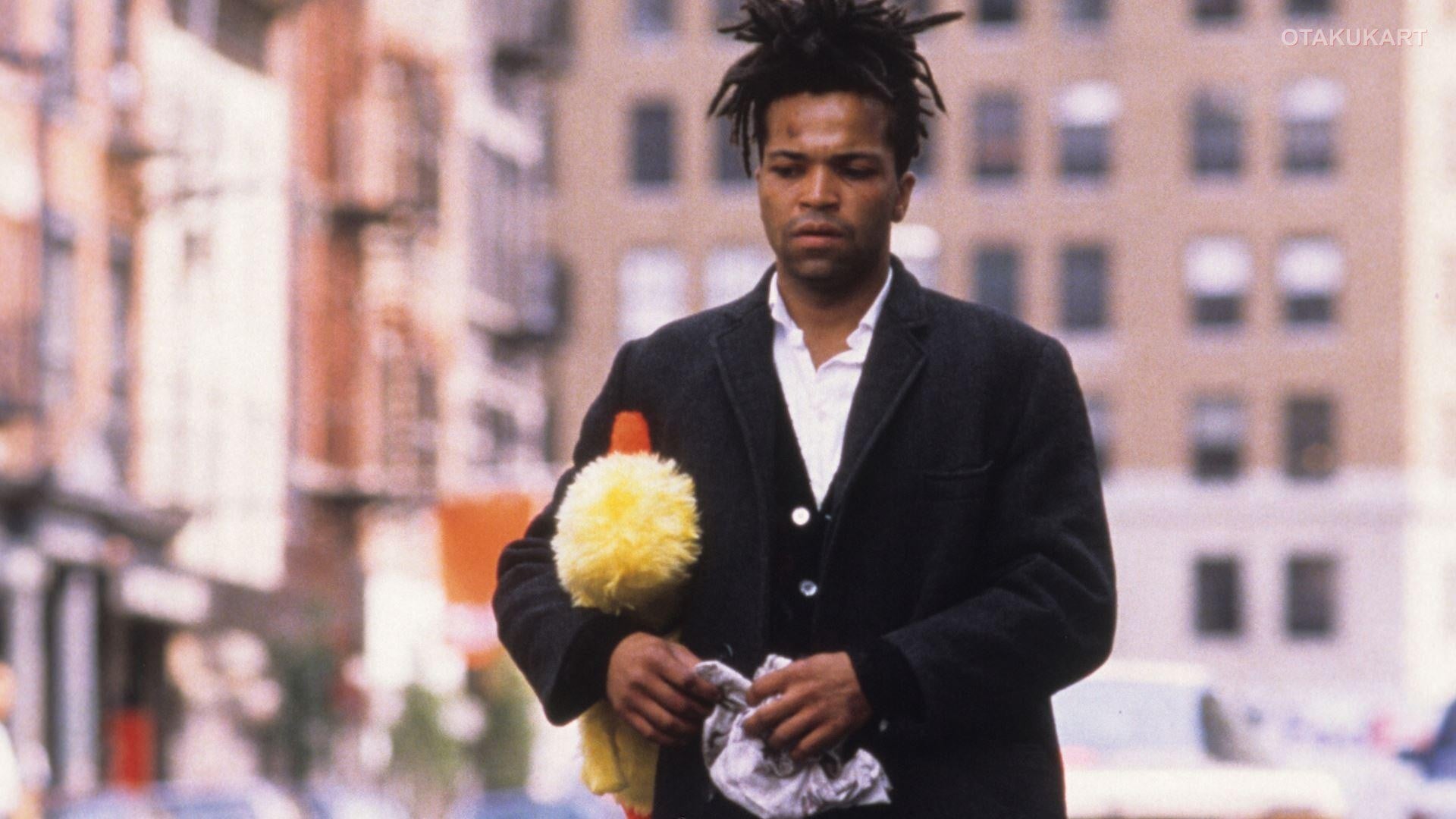
AI will influence filmmaking, but not replace human storytelling
Artificial intelligence remains one of Hollywood’s most debated topics, but Sighvatsson does not believe it will fundamentally redefine cinema. Instead, he views AI as another production tool whose impact depends entirely on how filmmakers decide to use it.
“I think AI actually will help in many ways, but I don’t really see AI movies changing things because in the end, movies are about people and they’re about stories,”
he explained. He also described AI as “a double-edged sword,” suggesting that while some creators will embrace the technology, many filmmakers may intentionally avoid it if it does not serve their creative vision.
He pointed to filmmaker Christopher Nolan as an example, noting that directors focused on practical filmmaking may continue minimizing AI use. At the same time, Sighvatsson predicted that television production is more likely than theatrical filmmaking to experience significant changes from AI-powered workflows.
Producer explains why Netflix films are different from theatrical cinema
Perhaps Sighvatsson’s strongest comments were reserved for Netflix and the streaming-first production model. While acknowledging the company’s enormous influence, he drew a distinction between traditional theatrical films and movies produced specifically for Netflix’s platform.
“There are things that Netflix calls films. I don’t call them films,”
he said.
“I call them Netflix films. That’s very different than a film.”
According to Sighvatsson, Netflix primarily creates content designed for its own ecosystem rather than for broad theatrical exhibition. He argued that these productions are made for what he described as a “closed system,” limiting how they are experienced compared to movies intended for worldwide theatrical audiences.
Because of that philosophy, he does not expect to produce a Netflix project himself.
“I don’t think I’m in the Netflix universe,”
he admitted.
Despite those criticisms, Sighvatsson praised one area where he believes Netflix has transformed the industry for the better. He credited the streaming giant with creating opportunities for filmmakers around the world to produce stories in their native languages and cultures, calling that its most significant contribution to modern entertainment.
With his Locarno honor recognizing decades of influential filmmaking, Sighvatsson’s comments offer a reminder that even as technology and distribution continue to change, many veteran filmmakers still see authentic storytelling and artistic independence as the foundation of cinema’s future.