
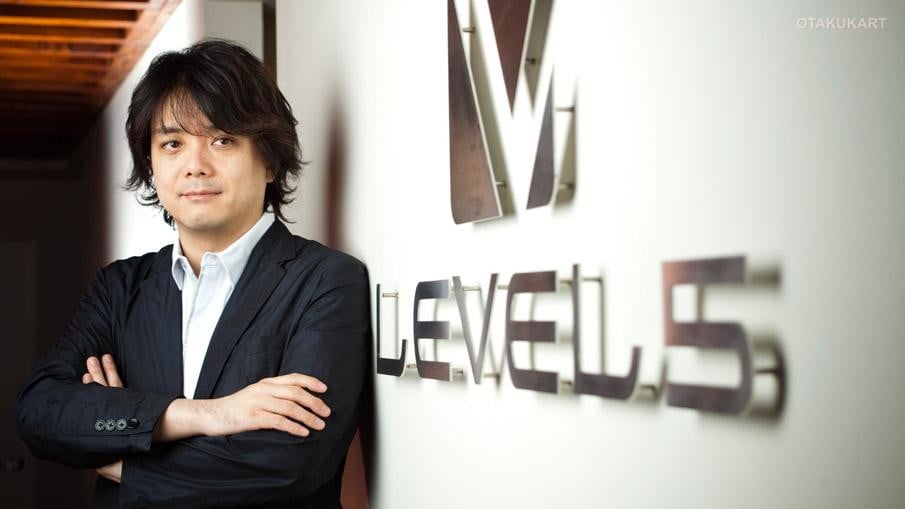
Level-5 CEO Akihiro Hino has confirmed that the studio will continue using generative AI despite backlash surrounding the company’s recent LEVEL5 VISION 2026 II showcase. Hino apologized after viewers noticed AI-assisted material in the presentation, but said the technology remains part of Level-5’s broader effort to make game development more efficient.
The most significant detail in his statement is Level-5’s ambition to reduce the development time of major games from around five years to two. Hino described the studio’s current AI implementation as a period of experimentation and refinement rather than a finished production model.
Akihiro Hino Explains Why Level-5 Used AI in Its Showcase
Following criticism of the September 2026 presentation, Hino addressed the controversy on X. He confirmed that AI was used in footage shown during the event, explaining that the technology was incorporated partly because Level-5 wanted to make the presentation more visually impressive.
Hino said,
“It was entirely due to the desire to make the presentation more spectacular that we incorporated processing that also served as an experiment using the latest AI.”
He added,
“It appears that some people felt uncomfortable about this, so I deeply apologize.”

Hino also attempted to distinguish between AI used for production efficiency and AI-generated creative content. According to his explanation, Level-5’s scenarios, character designs and fundamental settings are still created by people, while AI can assist with technical processes such as converting existing artwork into 3D assets.
Level-5 Plans to Keep Experimenting With Generative AI
Hino’s comments make clear that the backlash has not convinced Level-5 to abandon generative AI. Instead, the company plans to continue testing ways the technology can reduce repetitive work and give developers more time to focus on creative decisions.
He also acknowledged that the latest presentation used AI more extensively because the team wanted a particularly flashy showcase. Hino said Level-5 would
“take this as a lesson”
when preparing future presentations.
The controversy nevertheless highlights the wider debate surrounding AI in game development. While Level-5 argues that human creators remain responsible for the creative identity of its games, critics continue to question the ethics of generative AI and the training data behind such tools. For now, Hino’s position is that AI will remain part of Level-5’s development strategy as the company works toward its ambitious two-year production target.