The Pokémon Company has outlined a clear long-term vision for its global brand, emphasizing sustainable growth over short-term popularity spikes. Speaking during a recent interview with Malaymail in Kuala Lumpur, company representatives highlighted how this approach is shaping everything from the booming Trading Card Game (TCG) scene to major 30th anniversary celebrations.
The comments came as part of a discussion with Asia business development director Ray Kagami and Mandy Tee, who detailed how the company is balancing rapid growth with long-term stability. Tee made the company’s stance clear, stating,
“What we want to achieve in market growth for the Pokémon business in general is not a temporary trend, but rather we want a sustainable growth.”
Long-Term Strategy Takes Priority Over Trends
At a time when Pokémon’s popularity continues to surge globally, especially through its trading card ecosystem, the company is choosing to focus on building a lasting foundation rather than chasing quick wins.
Instead of aggressively pushing competitive play or monetization, the company is investing in grassroots initiatives. Tee explained that nurturing new players is central to this philosophy, with programs designed to help beginners gradually become part of the wider community.
This approach is reflected in initiatives like the “Trainer Journey,” which introduces new players to the TCG while connecting them with local communities. The goal is to build what Kagami described as a “fandom pyramid,” where casual fans can evolve into long-term participants.
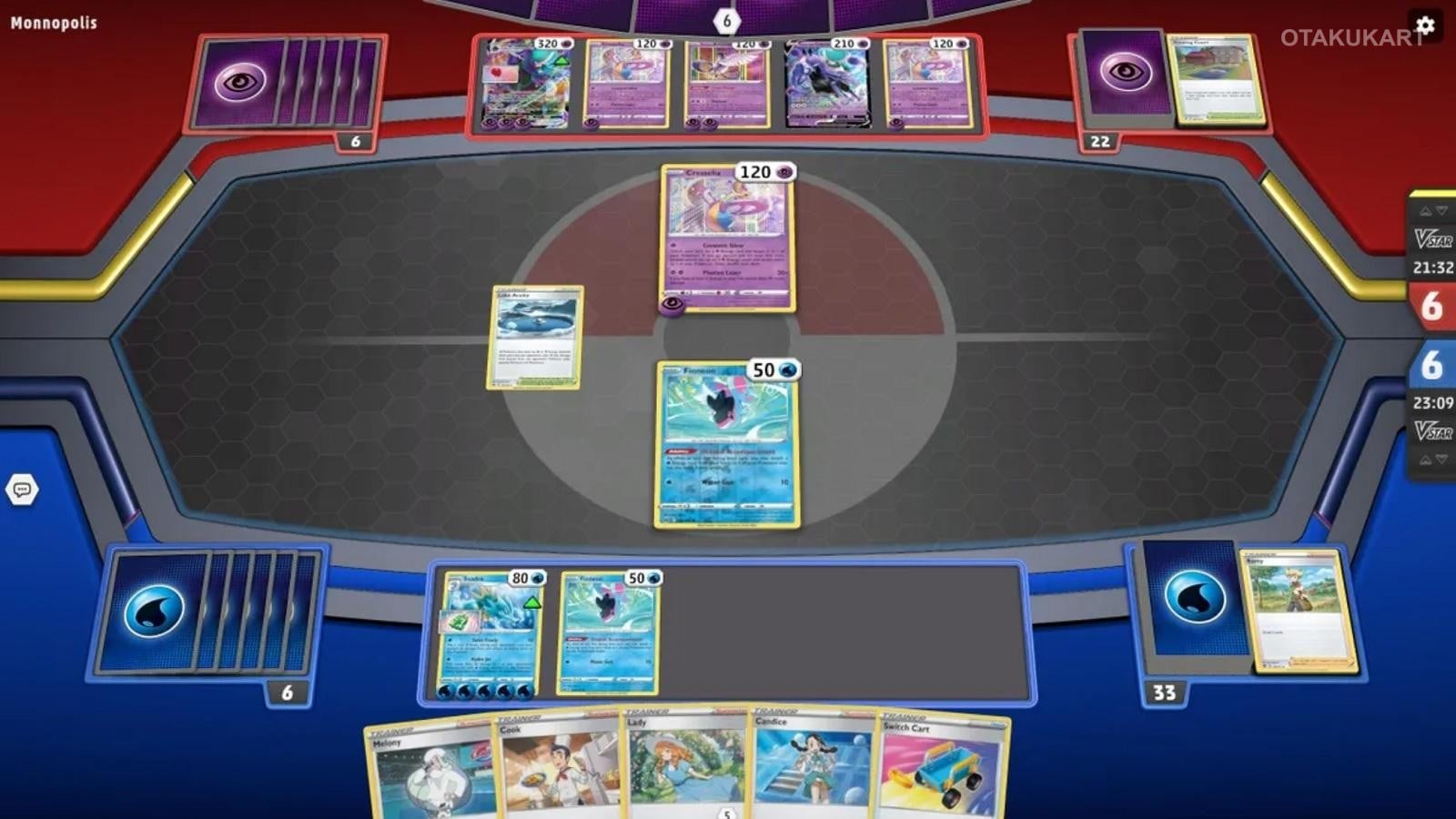
The strategy comes at a time when the Pokémon Trading Card Game is experiencing unprecedented growth, particularly in Southeast Asia. Kagami described the surge as “very significant,” pointing to the scale of recent events.
“At the recent Master Ball League in April, we witnessed more than 4,000 players there, the largest in Malaysian history,”
he said. This rapid expansion marks a major shift from earlier years when the community was comparatively small.
The company sees this growth as an opportunity—but also as a responsibility to ensure it remains sustainable. Rather than over-commercializing the momentum, the focus remains on maintaining a healthy player base and encouraging long-term engagement.
Kuala Lumpur Chosen for 30th Anniversary Kickoff
As part of its global expansion, the company has selected Kuala Lumpur as a key location to kick off its 30th anniversary celebrations. The decision was influenced by a combination of logistical alignment, strong local partnerships, and growing fan engagement in the region.
One of the major highlights will be a Pokémon Center pop-up store at Ombak KLCC, alongside themed events including a Pokémon GO gathering at KLCC Park. According to Kagami, the location was chosen for its ability to bring people together.
“We see KLCC as a good place for people to gather, share, communicate,”
he said, adding that games like Pokémon GO naturally fit into that social environment.
Interestingly, the pop-up store itself was not part of a strict retail strategy but rather the result of what Kagami described as “serendipity,” aligning with the mall’s opening timeline and anniversary celebrations.
Expanding Presence in the Malaysian Market
The company also highlighted Malaysia as an increasingly important market, though it is not focusing on a single product category. Instead, it is taking a holistic approach, supporting video games, TCG, and licensing equally.
“They’re all important to us,” Kagami noted, emphasizing that the brand’s strength lies in its multi-platform ecosystem rather than a single revenue stream.
Marketing strategies are also being tailored to local behavior. For example, the company promoted its latest game through Pokémon-themed trucks, recognizing that Malaysian audiences spend significant time commuting. This localized approach reflects the broader strategy of adapting to regional habits rather than applying a one-size-fits-all model.