
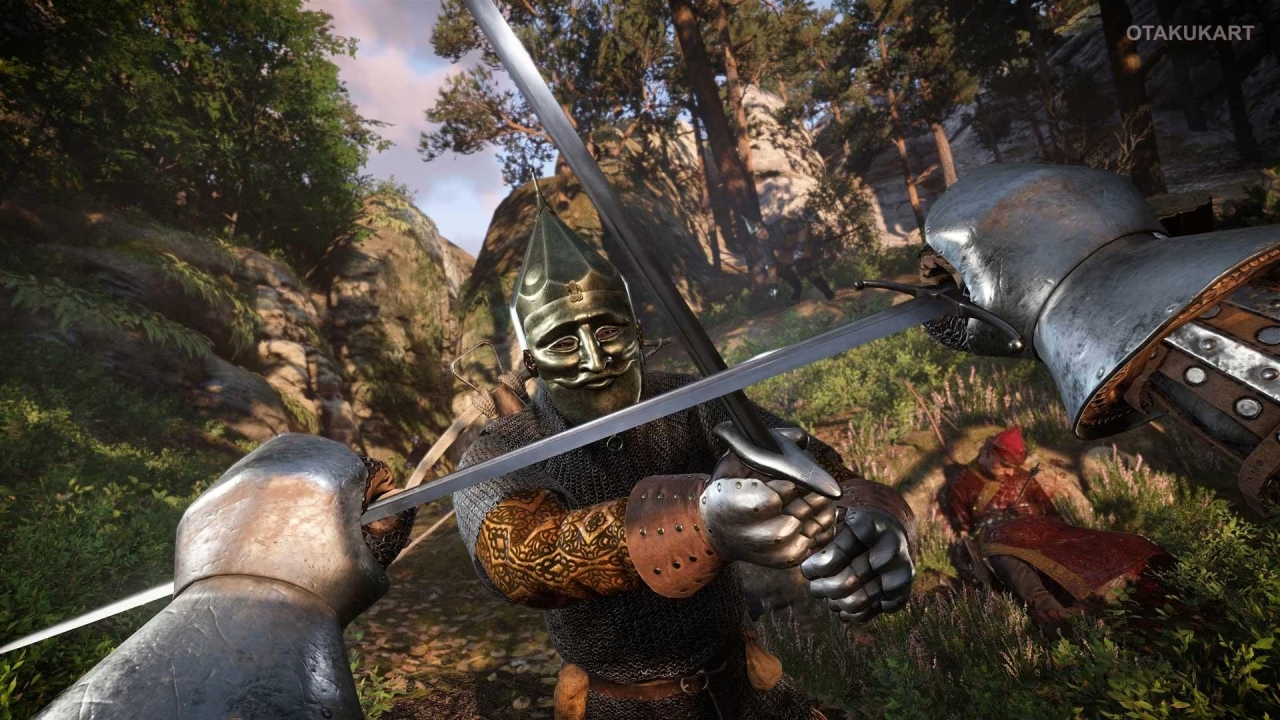
Warhorse Studios co-founder Martin Klima believes the RPG genre has not moved far enough beyond the traditional “chosen one” formula. In a recent interview with PC Gamer’s Joshua Wolens, Klima explained that his frustration with predictable fantasy adventures was one of the inspirations behind Kingdom Come: Deliverance.
Klima said he remains a major fan of RPGs but has become increasingly tired of stories in which players are immediately positioned as a legendary hero responsible for saving the world. His criticism is not that power fantasies are inherently bad, but that the industry continues to return to the same structure too frequently.
MARTIN KLIMA WANTS MORE THAN ANOTHER CHOSEN ONE STORY
Speaking to PC Gamer, Klima said he was already frustrated with conventional RPG storytelling when Warhorse began developing Kingdom Come: Deliverance.
“I was really and I still am bored and tired of all the RPGs when you are this chosen one, when you have this grand task of saving the universe,”
Klima explained. He described these experiences as straightforward power fantasies and argued that the problem is not the concept itself, but how repetitive the formula has become.
That philosophy helped shape Kingdom Come: Deliverance, which deliberately avoided the usual fantasy setup. Instead of controlling a powerful hero destined to defeat an ancient evil, players follow Henry, a relatively ordinary young man caught in the political and military conflicts of medieval Bohemia.
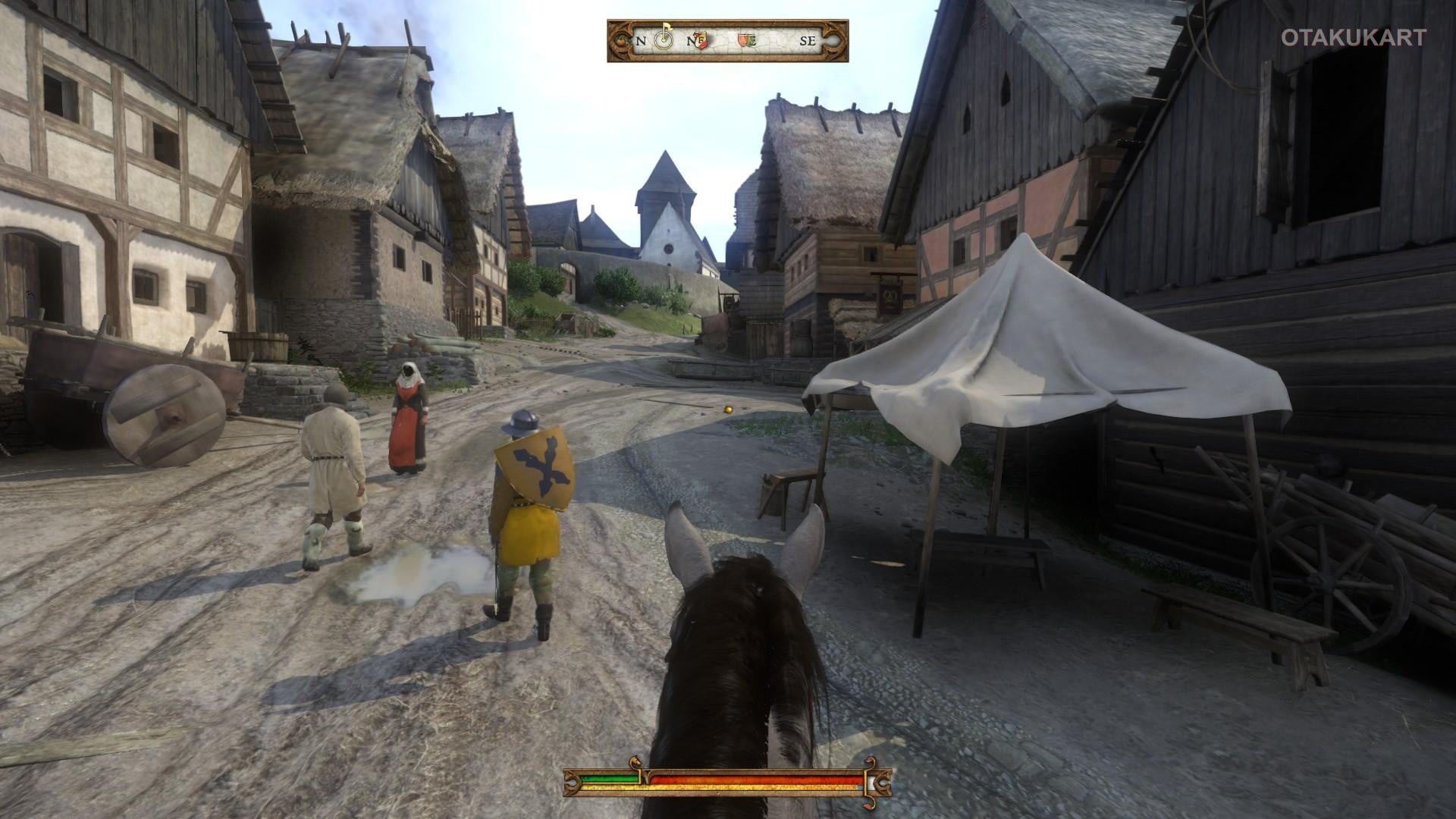
Klima believes the industry’s reliance on traditional power fantasies is particularly notable because the gaming audience has grown older.
“The games that were and sort of are being made are still the games for teenagers,”
he said. Klima acknowledged that younger players can naturally enjoy power fantasies, but argued that the audience for games has expanded significantly beyond teenagers.
He specifically clarified that his comments were not intended as an attack on Clair Obscur: Expedition 33, despite anticipating that some readers might interpret them that way. His broader argument is about the industry’s dependence on familiar storytelling structures rather than any single game.
KLIMA ALSO CRITICIZES THE INDUSTRY’S RELIANCE ON FAMILIAR FORMULAS
The Warhorse co-founder also pointed toward major publishers as an example of how successful formulas can become increasingly repetitive. He praised Ubisoft’s technical execution while questioning whether its resources could be used to pursue more ambitious ideas.
“I played the original Assassin’s Creed, and the original Far Cry, and the original Watch Dogs,”
Klima said, explaining that he enjoyed the early entries but felt that repeatedly playing similar versions of the same formula eventually made them stale.
At the same time, Klima acknowledged why publishers continue to take that approach. Large-budget games carry enormous financial risks, making established franchises and proven formulas considerably safer investments than experimental projects.
He ultimately argued that the industry’s technical craftsmanship could be better served by taking more creative risks. For Klima, Kingdom Come: Deliverance demonstrated that an RPG does not need a world-saving hero to deliver a compelling adventure.