Japan’s decision to award mobile game developer DeNA approximately ¥1.5 billion (around $9.3 million USD) in government subsidies has triggered widespread discussion across social media, with many questioning whether taxpayer money should be directed toward a major gaming company behind the global hit Pokémon Trading Card Game Pocket.
The funding was announced by Japan’s Ministry of Economy, Trade and Industry (METI) as part of its IP360 initiative, a program created to strengthen Japan’s entertainment industry by supporting large-scale intellectual property projects capable of competing in global markets. While the move has received support from some within the gaming industry, others argue the money would be better spent on museums, universities, or independent game developers.
DeNA selected for Japan’s IP360 development program
According to The Nikkei and METI, DeNA was selected during the first round of companies receiving support under the IP360 program’s “General Support for Large-Scale Production” category. The initiative is intended to help Japanese content creators develop internationally competitive entertainment IP while boosting the country’s global presence in games, animation, and digital media.
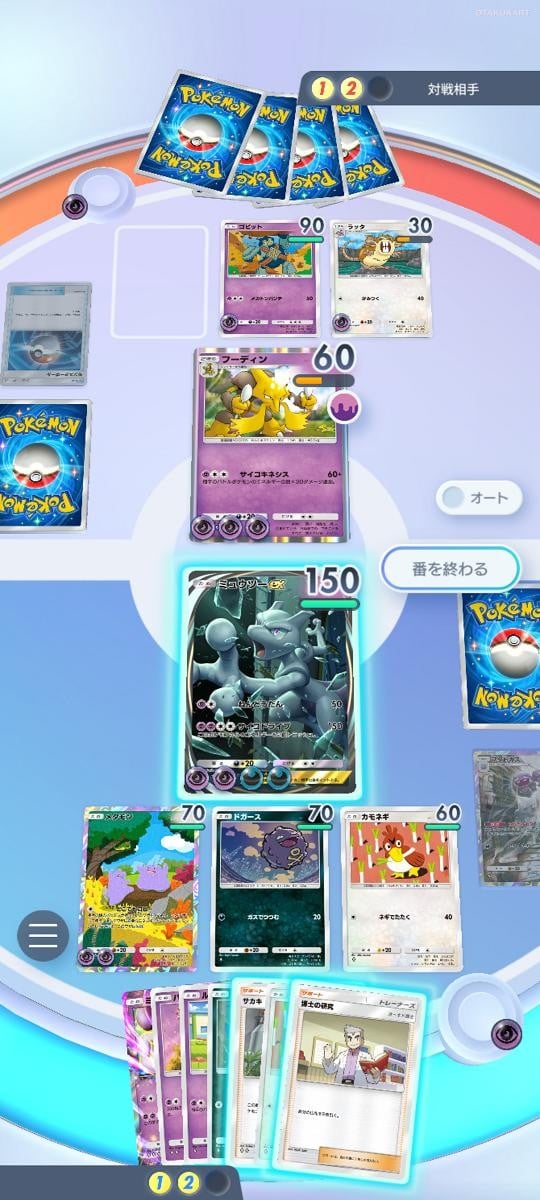
DeNA joins several of Japan’s largest game publishers in receiving funding, including SEGA, Konami, Square Enix, Koei Tecmo, and Arc System Works. The company is best known internationally for developing Pokémon Trading Card Game Pocket alongside The Pokémon Company and Creatures Inc., with the mobile title becoming one of the industry’s most successful recent live-service games.
The subsidy announcement was first reported by The Nikkei and later circulated widely on X, where it quickly became the subject of heated discussion.
Much of the criticism focused on whether a profitable publicly listed company should receive substantial financial assistance from taxpayers.
One widely shared response argued,
“The National Museum is doing crowdfunding, so if you have that kind of money, why don’t you support the museum instead?”
Another user questioned the government’s priorities, writing,
“Why are our taxes flowing to major companies that aren’t even struggling? If DeNA’s mobile games succeed, it’s just a private company making even more profit.”
The discussion gained additional attention after Hiroyuki Nishimura, founder of 2channel and current owner of 4chan, commented on X, saying,
“In an age where solo-developed indie games are becoming increasingly popular, the Japanese government is pouring 1.5 billion yen into a publicly-listed mobile game developer.”
Many users argued that if public funds are available, they should be directed toward cultural institutions such as museums and universities or toward helping smaller studios and first-time developers establish themselves in the industry.
Industry experts explain why major companies often receive subsidies
Not everyone agreed with the criticism. Several developers and industry professionals explained that government subsidies differ significantly from grants and often require recipients to meet strict financial and operational requirements.
Indie-us Games representative alwei explained on X that smaller developers generally face considerable challenges when applying for large government subsidies. According to alwei, established companies with proven financial records and successful commercial projects are far more likely to satisfy the government’s eligibility criteria.
The developer also noted that many subsidies are reimbursed only after projects are completed rather than being paid upfront. This structure makes them difficult for individual creators or small studios to utilize, as they often lack the financial resources needed to complete major projects before receiving government support.
As a result, while the IP360 initiative also includes grants of up to ¥10 million for indie creators, its large-scale production subsidies are naturally more accessible to major publishers with established business operations.