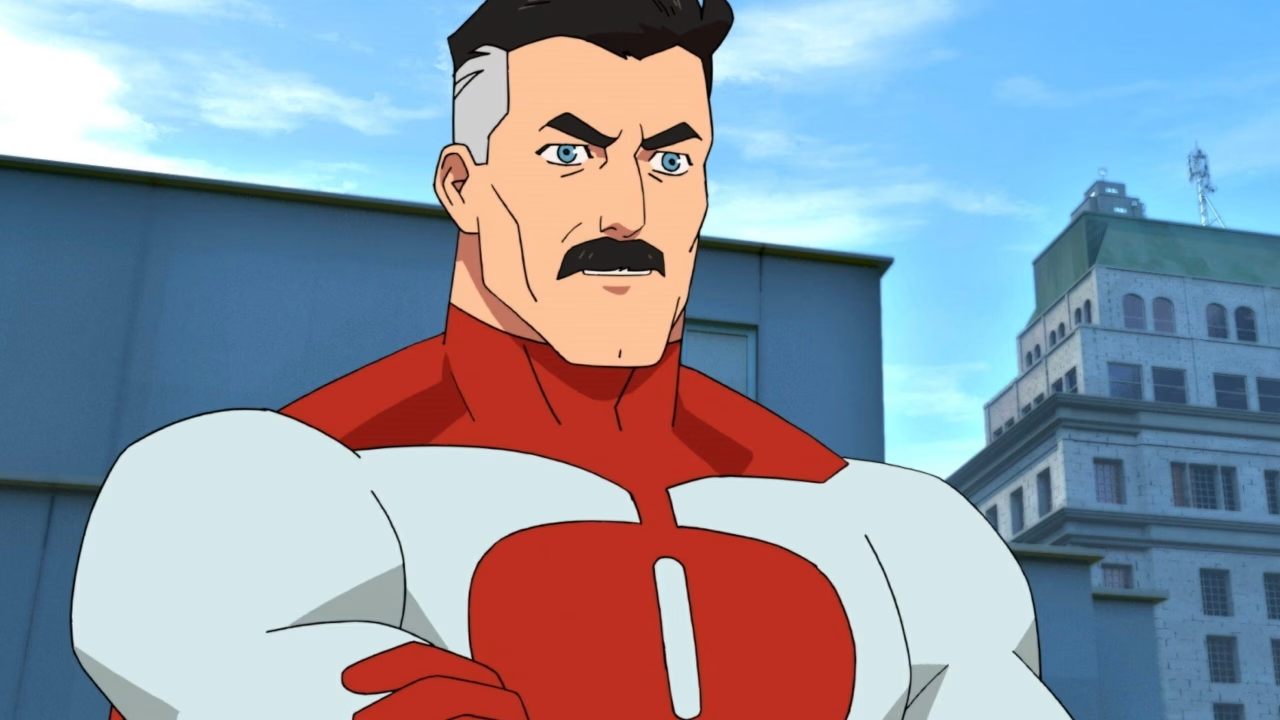
Invincible has become one of Prime Video’s biggest animated successes, and Skybound Entertainment CEO David Alpert says the series continues to gain momentum instead of losing viewers.
Speaking in a recent interview, Alpert revealed that Season 4 has attracted twice the audience of Season 1, a rare achievement for a long-running streaming series. The milestone comes as Invincible moves toward becoming Prime Video’s longest-running original animated show, with six seasons already confirmed.
During an interview with Entrepreneur conducted by Dan Bova, Alpert discussed the creative decisions that helped Invincible stand out, from its unconventional release strategy to its commitment to adapting Robert Kirkman’s comic without simply recreating every scene. He also explained why maintaining fan engagement week after week has been essential to the show’s success.
Skybound says steady audience growth reflects strong fan support
According to Alpert, the increasing viewership demonstrates how word of mouth has continued to expand Invincible’s audience with each new season. Rather than experiencing the drop in interest that often affects streaming shows, the animated superhero series has steadily grown its fanbase.
“I’m proud that we not only have high retention but also season-over-season growth; we have twice as many viewers in season four as in season one, which is a testament to fans proselytizing, kids telling parents, friends telling friends, and we need to honor and deliver on that,”
Alpert told Entrepreneur.
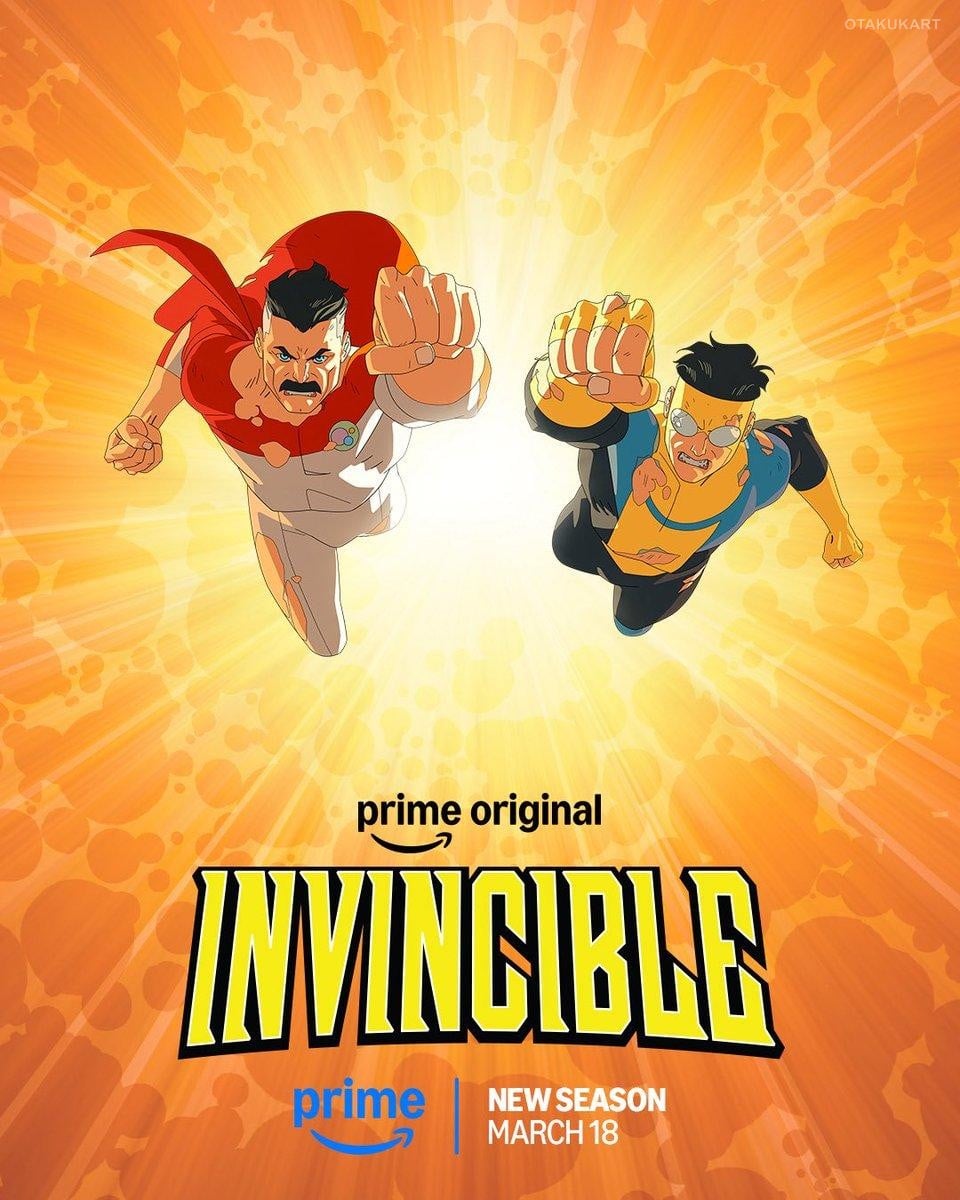
The executive also praised Skybound co-founder Robert Kirkman’s storytelling approach, saying every season aims to raise the stakes while continuing to surprise viewers. Reflecting on the latest episodes, Alpert admitted,
“Season four leaves you in a place that was a powerful finish—I’m still recovering from delivering those episodes.”
Alpert believes one of the biggest reasons behind Invincible’s sustained popularity was Skybound’s decision to avoid a full binge-release schedule. He revealed that the studio initially pushed back against releasing the entire first season at once before reaching a compromise with Prime Video.
“We really did not want to be a binge-released show,”
Alpert explained. Instead, the series debuted with three episodes before switching to weekly releases, a format he described as “a huge boon” for the show.
He argued that while binge-watching benefits viewers, binge-releasing can shorten a show’s cultural impact.
“I think binge-viewing is the best thing that’s happened for television consumption in the last decade, but binge-releasing has been the worst,”
he said. According to Alpert, weekly releases gave audiences time to discuss major story developments, helping maintain excitement between episodes and encouraging new viewers to join the conversation.
Building Invincible into a lasting franchise
Alpert also reflected on how difficult it was to initially pitch Invincible. He said many people struggled to understand the idea of creating an hour-long, ultra-violent animated superhero drama inspired by the visual style of classic Saturday morning cartoons.
Despite those early challenges, Skybound remained committed to adapting the entire story.
“Our goal was really, yes, we want to tell the story from beginning to end, and we’re committed to doing that,”
Alpert said.
That long-term vision has allowed Invincible to expand beyond its comic book origins into television, gaming, and other media while maintaining a consistent narrative.
Rather than copying every moment from the source material, Skybound focuses on delivering the same emotional impact in fresh ways, giving comic readers new surprises while remaining faithful to the original story.
With six seasons already confirmed and audience numbers continuing to rise, Invincible appears well positioned to remain one of Prime Video’s flagship animated series for years to come.
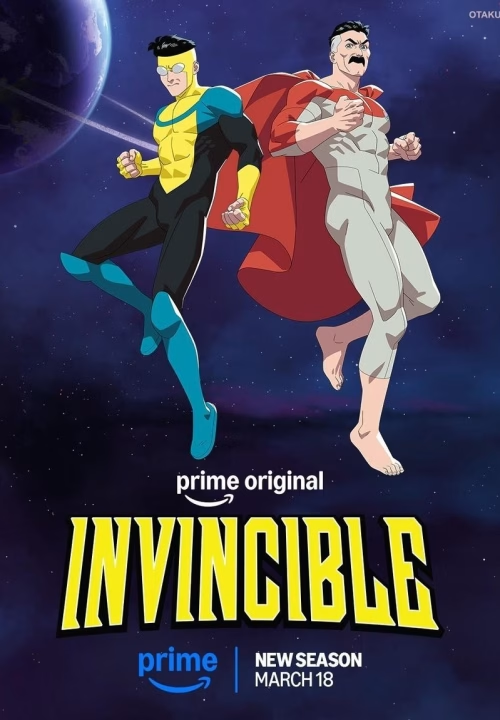
| Premiere Date | March 26, 2021 |
|---|---|
| Network / Service | Amazon Prime Video |
| Creator | Robert Kirkman, Simon Racioppa |