
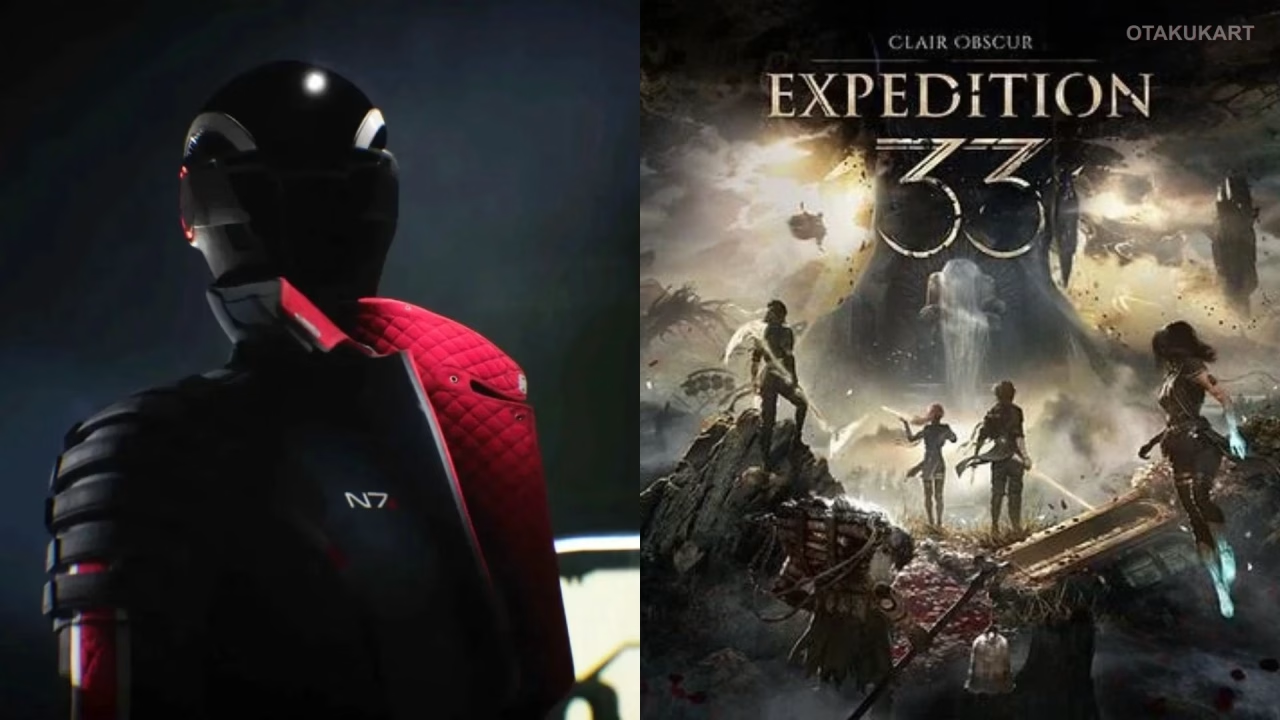
A former BioWare developer believes a new Mass Effect game would not necessarily need a budget exceeding $200 million. Christina Norman, who worked on the original Mass Effect trilogy, has pointed to Clair Obscur: Expedition 33 as an example of how a smaller team can deliver an ambitious role-playing game without spending at the scale of major AAA productions.
Norman shared her thoughts on X on November 8, 2026, responding to a discussion about the potential cost of bringing Mass Effect back after BioWare’s closure. She argued that the reported sub-$10 million budget of Clair Obscur demonstrates how careful development and a capable team can reduce production costs.
“This is a good example of why I think another mass effect game could be made for well under 200 million,”
Norman wrote. She also suggested that five times Clair Obscur’s reported budget should be sufficient, adding,
“You can always spend more but clever small teams can get it done.”
Clair Obscur’s Budget Challenges the Need for Massive AAA Spending
Norman’s comments came after BioWare co-founder Trent Oster estimated that reviving Mass Effect could require an initial investment of more than $200 million. He argued that the franchise’s audience would expect a premium AAA experience, making the financial commitment difficult for any potential developer.
Oster nevertheless acknowledged that a new game could be developed for less with an experienced team and a disciplined production strategy. His estimate was not an officially approved budget, but an assessment of what it might take to revive the franchise.
Clair Obscur: Expedition 33, developed by Sandfall Interactive, has become a notable example in the discussion because of its reported production budget of less than $10 million. Its strong visual presentation, turn-based combat, and cinematic storytelling demonstrated that a relatively small studio could create an ambitious RPG without relying on the spending associated with the biggest publishers.
Norman’s argument is not that Mass Effect should abandon its cinematic presentation or established gameplay identity. Rather, she believes that the right team could make smarter production choices and deliver a compelling experience without approaching the $200 million figure.
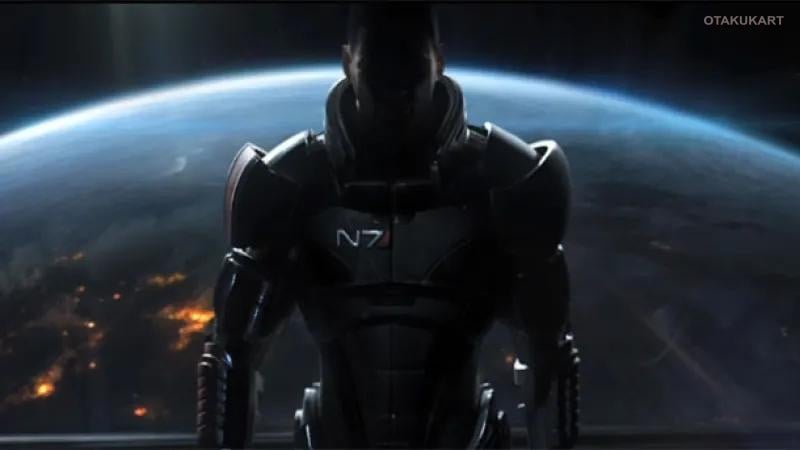
BioWare’s Closure Remains the Bigger Obstacle for Mass Effect
The financial debate comes amid a major setback for the franchise. BioWare announced on October 21 that the studio was closing and early development on the next Mass Effect project was ending.
Although Norman’s comments offer a possible argument for a lower-cost revival, development costs are only part of the problem. Electronic Arts still controls the Mass Effect intellectual property, meaning another studio would need the publisher’s approval or a licensing arrangement to continue the series.
For now, Norman’s comments add another perspective to the growing discussion around #SaveMassEffect. A smaller budget may make a revival more financially realistic, but it does not guarantee that EA will allow another developer to take over the franchise.