
A newly released administrator’s report has shed more light on the financial collapse of GAME, revealing that the long-running UK video game retailer entered administration with £15.8 million in outstanding debt. According to the report, years of declining physical game sales, changing consumer behavior, intense competition, and the economic effects of Brexit combined to make the business unsustainable.
The findings were published by KR8 Advisory, whose administrators James Saunders and Lauren Wentworth were appointed after GAME entered administration earlier this year. The report outlines how the retailer struggled to adapt as more players embraced digital game downloads and online marketplaces instead of purchasing physical games from high street stores.
Administrator’s report details GAME’s financial decline
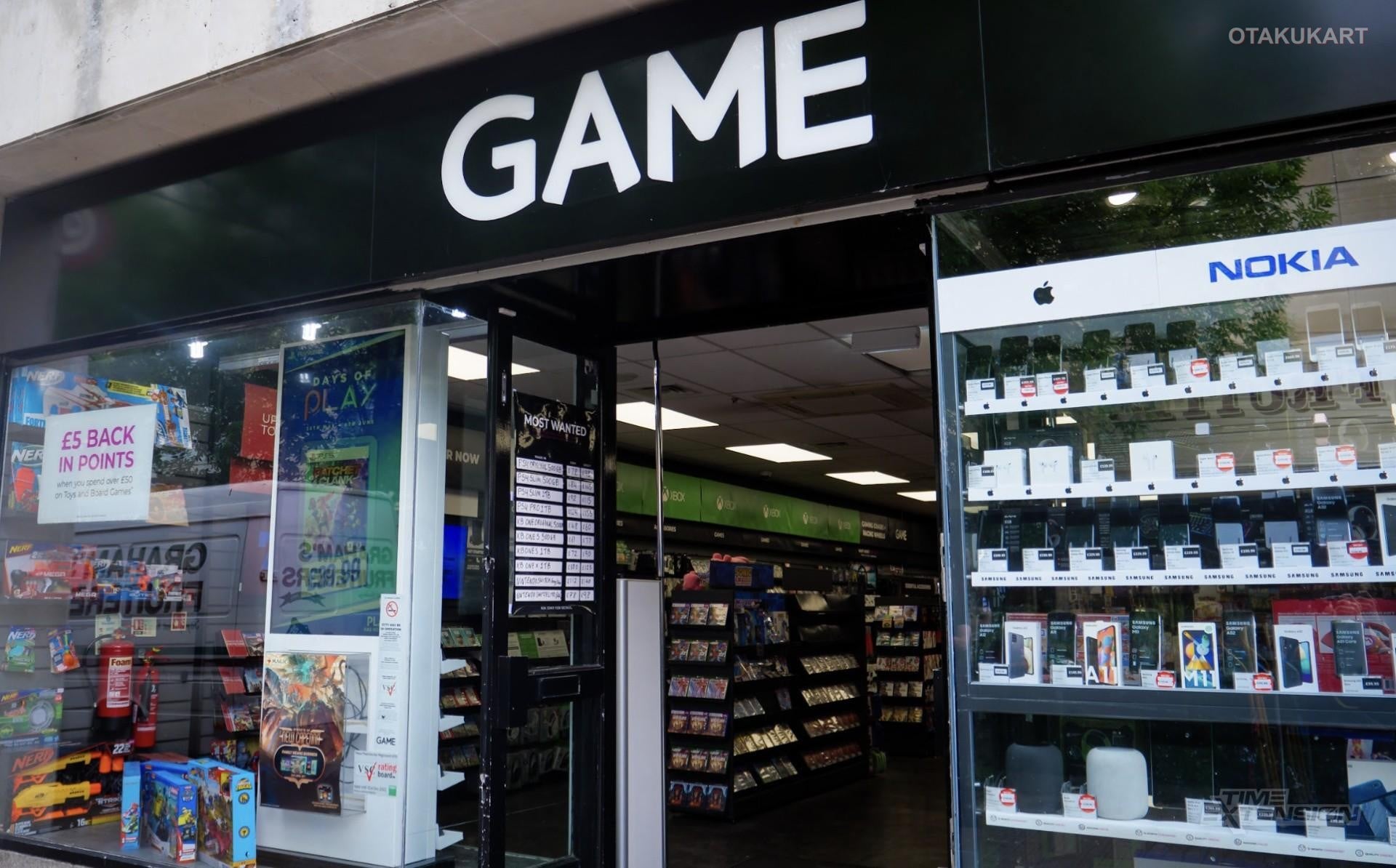
The report traces GAME’s difficulties back several years. At its peak in 2012, the retailer operated around 300 stores across the UK and managed both the GAME and GameStation brands. However, profitability declined sharply in the years that followed.
According to KR8 Advisory, the company reported a 71% drop in profits in 2016, followed by an operating loss of £7.1 million the following year. Administrators wrote that
“market conditions remained difficult in the subsequent years driven by changes in consumer behaviour, including the transition from physical games to digital downloads, uncertainty associated with Brexit, and increased competition within the sector.”
In 2019, Frasers Group acquired GAME’s intellectual property in an effort to stabilize the business, but the retailer continued to face mounting challenges. By 2025, even the crucial holiday shopping season failed to deliver the sales needed to reverse its fortunes.
Physical game retail faces an uncertain future
The report also highlights broader industry trends that continue to reshape the gaming market. Administrators noted that there had been no major console launches since 2020, while global semiconductor shortages delayed new hardware releases that traditionally drive retail sales.
At the same time, publishers and platform holders have increasingly shifted toward digital distribution. Services such as the PlayStation Store, Xbox Store, Steam, and the Nintendo eShop have reduced consumers’ reliance on physical retailers by making game purchases instantly accessible online.
Recent industry announcements have further reinforced concerns about the future of physical media. Sony has confirmed plans to phase out physical disc production for first-party PlayStation games beginning in 2028, while some recent blockbuster releases have increasingly emphasized digital purchasing options. Although collectors and boxed game enthusiasts remain an important segment of the market, the overall trend continues to favor digital distribution.
The administrators also cited the wider economic impact of Brexit, which has affected consumer spending across the UK. According to the Bank of England, Brexit has reduced the country’s long-term economic output, placing additional pressure on retailers operating in already competitive markets.
While GAME was once a staple of Britain’s gaming community, the administrator’s report suggests its collapse reflects broader structural changes affecting physical video game retail rather than a single business failure.