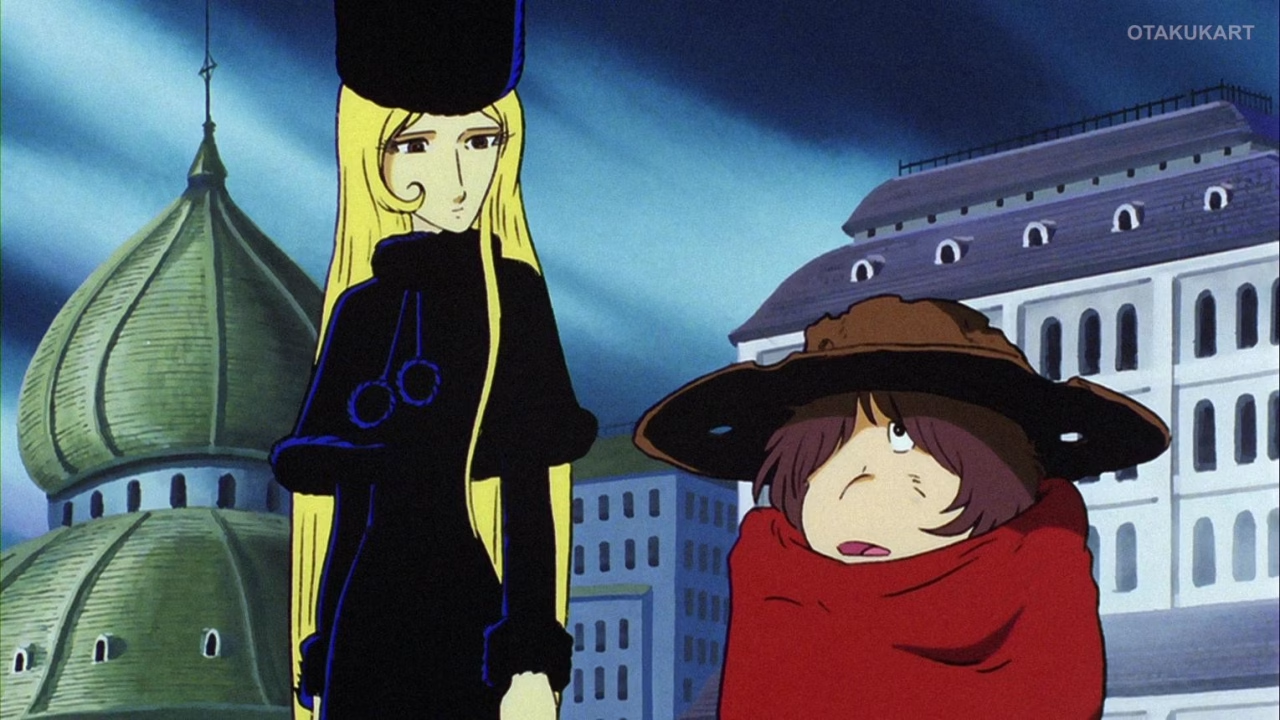
Veteran anime director Rintaro has warned that the industry’s growing reliance on remakes and established franchises could undermine the creation of original stories. Speaking in an interview with Cartoon Brew at the 2026 Busan International Film Festival, the filmmaker argued that studios must be willing to take creative risks rather than focus primarily on projects with proven commercial appeal.
“I think this focus on the market worldwide has been the cause because it brings more money in to bring things back from the past that are already safe and popular,”
Rintaro explained. He acknowledged that revisiting older works is not necessarily a bad thing, but stressed that nostalgia alone cannot build the future of animation.
“So if we were to create a new future, then we have to embrace the risks involved,”
he said, before delivering his stark warning:
“Because at this rate, there will be no future.”
Rintaro Warns Anime Studios Against Playing It Safe
Rintaro’s comments highlight a tension between commercial success and creative experimentation in the global anime industry. Established franchises can attract existing fans and offer studios a more predictable commercial proposition. However, the director believes that prioritizing familiar properties can leave less room for original concepts that challenge audience expectations.
The filmmaker said there needs to be a balance between market demands and what artists and writers want to create. For Rintaro, moving animation forward requires creators to resist prevailing trends and accept the uncertainty that comes with developing something new.
The 85-year-old director has spent decades contributing to Japanese animation, including directing Galaxy Express 999, Adieu Galaxy Express 999 and Metropolis. His career reflects a willingness to explore distinctive visual approaches rather than simply follow established conventions.
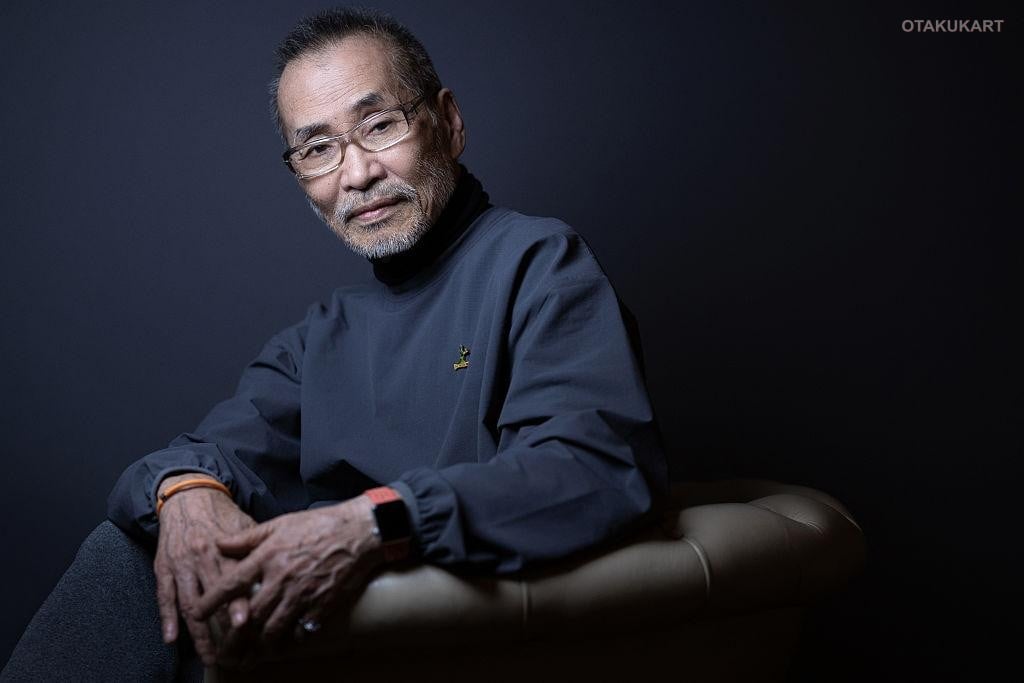
Rintaro Connects Remakes to Concerns About AI
During the same interview, Rintaro connected the industry’s preference for familiar material with the growing use of generative artificial intelligence. He argued that AI systems tend to recommend familiar or average outcomes, potentially reinforcing the same risk-averse thinking that encourages studios to revisit popular properties.
“If we look at society from above, AI will also be pushing towards remaking works from the past because AI is about recommending the mean or the average,”
he said. He also warned that original works could struggle to achieve the same level of success if safer, more predictable ideas dominate the market.
Rintaro did not rule out using AI in animation, but emphasized caution. He compared the technology to a blade that can be useful but dangerous when mishandled. He also described an example of a mother following tablet instructions to draw and color her child’s picture, arguing that blindly following automated guidance can discourage independent thinking.
Rintaro also discussed how streaming has changed the way audiences experience animation. While he acknowledged the convenience of watching an entire season at once, he argued that waiting for weekly episodes can create its own enjoyment and strengthen the shared experience of following a story.
His broader message was that animation needs more than efficient production and commercially reliable ideas. For Rintaro, preserving room for experimentation, patience and independent thought is essential if the medium is to keep developing new creative voices.