
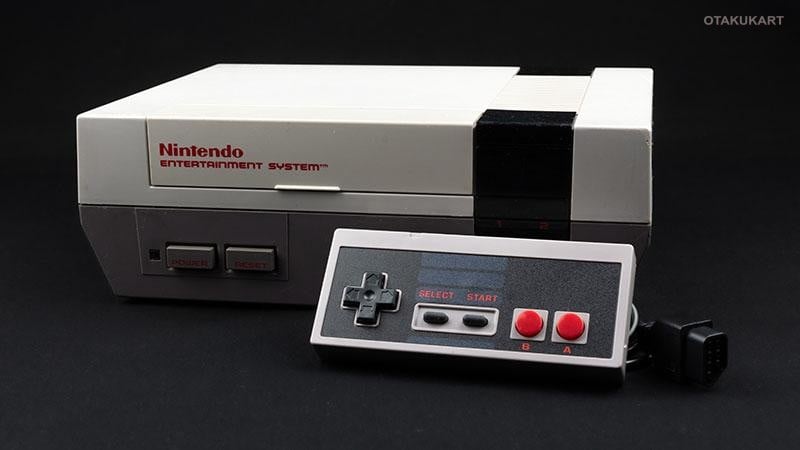
Nintendo’s Nintendo Entertainment System (NES) is now remembered as the console that revived the North American video game industry after the 1983 crash. However, according to former Nintendo of America employees, the company’s early years in the United States were far from glamorous.
Before the NES became a household name, Nintendo reportedly struggled with limited budgets, unconventional marketing tactics, and even poor working conditions as it tried to establish itself in the American market.
Speaking during a panel at the Portland Retro Gaming Expo 2025, former Nintendo of America executives Gail Tilden and Bruce Lowry reflected on the company’s efforts to launch the NES in New York City. Their stories reveal just how resourceful Nintendo had to be before becoming one of the gaming industry’s biggest names.
Nintendo relied on barter deals to promote the NES
According to Bruce Lowry, Nintendo of America’s then vice president of sales, the company’s advertising budget was so limited that traditional television campaigns were often out of reach.
“We didn’t have a lot of money at Nintendo, so we bartered for TV time.”
Speaking during the “We Launched the NES 40 Years Ago Today” panel at the Portland Retro Gaming Expo, Lowry explained that Nintendo frequently exchanged game cartridges instead of cash to secure better advertising opportunities. One arrangement involved Toys “R” Us, where Nintendo used its advertising commitments to strengthen its retail presence.
Former advertising manager Gail Tilden explained that barter advertising meant offering advertising dollars or other assets in exchange for business opportunities. She noted that Nintendo later used a similar strategy during Pokémon’s early U.S. launch by helping get the animated series on television across dozens of markets.
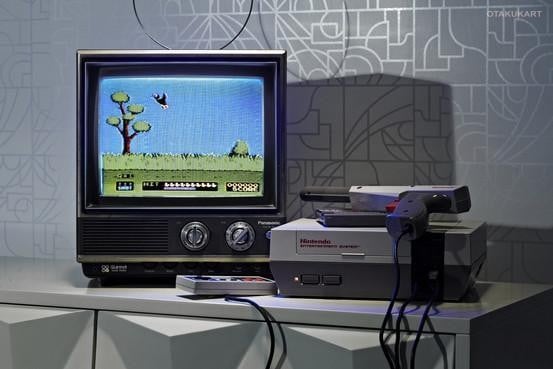
From 2 A.M. commercials to better television exposure
Lowry also revealed that Nintendo’s earliest NES commercials initially aired at 2 A.M., making them virtually invisible to the children and families the company hoped to reach.
Rather than accepting the situation, he personally visited WABC in New York with Nintendo game cartridges in hand. After convincing a network executive to take a console home for his children, Lowry returned with additional systems for other staff members.
The effort paid off.
“Now our commercials got to be on at 11 o’clock at night. A little better.”
Although 11 P.M. was still far from prime-time television, it represented a meaningful improvement for a company operating on a tight budget. Soon afterward, Nintendo received an unexpected boost when one of its commercials aired during a local break in a nationally televised Monday Night Football broadcast featuring the New York Giants.
“They threw it on there and the next day things started moving,” Lowry recalled, adding that the fortunate placement was “pure luck.”
The early Nintendo office wasn’t glamorous either
The financial struggles extended beyond advertising. During the panel, Gail Tilden recalled that employees working from Nintendo’s warehouse in Hackensack, New Jersey, often dealt with unpleasant conditions while supporting the NES test launch.
“They would tell me that there were snakes in the bathroom,”
Tilden said, adding that she avoided using the facility because employees warned her about
“snakes and rats in the bathroom.”
Lowry joked that the snakes were only harmless garter snakes, but the anecdote illustrates how modest Nintendo of America’s early operations were compared to the global gaming giant the company would later become.
Today, Nintendo is one of the industry’s most valuable publishers, but these behind-the-scenes stories offer a reminder that the company’s success in North America was built through persistence, creativity, and a willingness to make the most of limited resources.