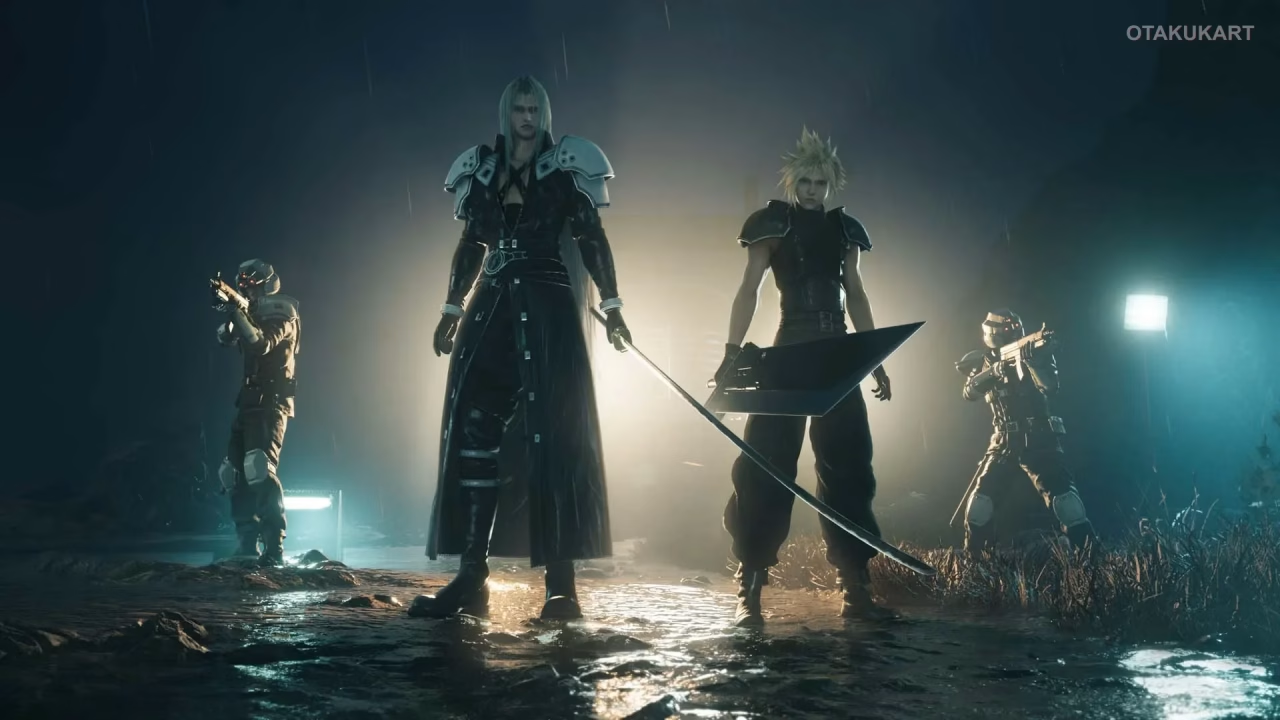
Final Fantasy VII Rebirth is shaping up to be one of the largest games ever released on Nintendo’s upcoming hardware, with new listings suggesting a file size that could exceed 100GB. As the game approaches its June 3 launch on Switch 2, updated store pages have revealed conflicting but equally massive storage requirements.
The Japanese My Nintendo listing currently places the game at 102GB, while the European page lists it at 91.5GB. Although the final size has not been officially confirmed, both figures point to a release that will push the limits of the console’s storage capabilities.
Even at the lower estimate, Rebirth would surpass other large titles on the platform, including Final Fantasy VII Remake Intergrade and Cyberpunk 2077 Special Edition. The scale of the game reflects its ambitious design, but it also introduces practical challenges for players.
Why the File Size Is So Large
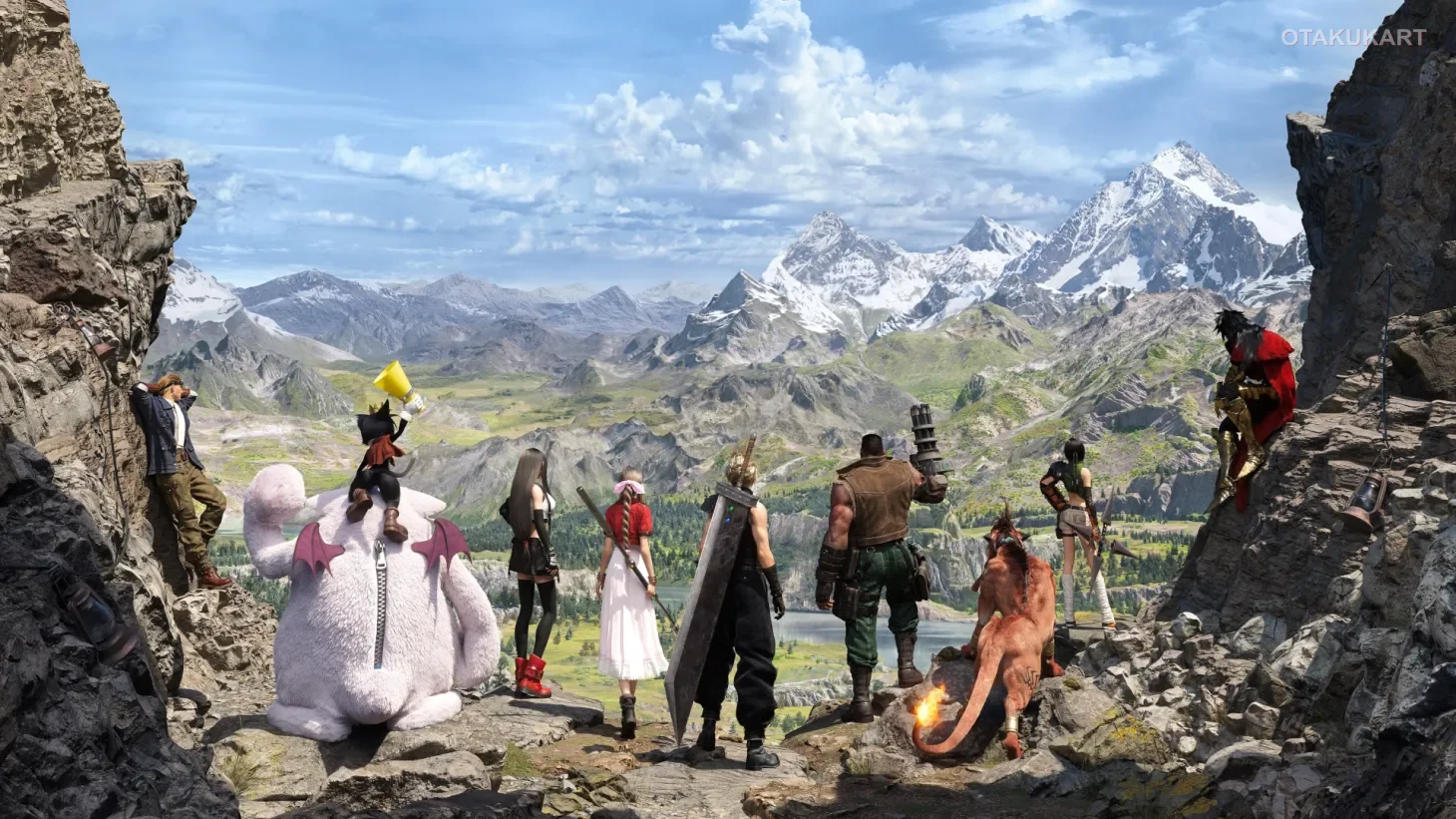
The size of Final Fantasy VII Rebirth is tied directly to its structure as a modern open-world RPG. Unlike earlier entries in the series, the game features expansive environments, detailed assets, and a dynamic system that continuously loads and unloads data during gameplay.
Naoki Hamaguchi, who directed the project, explained that the game’s design relies on constant data streaming rather than loading everything up front. This approach allows for smoother transitions and more immersive environments, but comes at the cost of significantly higher storage requirements.
“Our game design isn’t built around loading all data upfront,”
Hamaguchi said.
“Even during gameplay, data is constantly swapped in and out.”
This system is a major reason why the game’s size continues to grow compared to traditional cartridge-based titles.
Why a Full Cartridge Version Isn’t Feasible
One of the biggest implications of the game’s size is how it will be distributed on Switch 2. Instead of fitting the entire game onto a physical cartridge, the release will rely on a Game-Key Card, which requires players to download most of the content.
Hamaguchi addressed this decision directly, noting that current cartridge technology simply cannot accommodate a game of this scale.
“There’s simply no way around key cards in certain respects,”
he said, pointing to both storage limitations and performance considerations.
He also highlighted a key technical issue: loading speeds. According to Hamaguchi, reading data from internal storage like SSD or UFS is significantly faster than loading it directly from a cartridge.
“If you compare loading from a game cartridge to internal storage, the load speed difference is roughly double,”
he explained.
This difference plays a crucial role in maintaining the game’s pacing, especially in a title that constantly streams data in real time.
Performance Over Physical Convenience
While some players may prefer having a complete game on a physical cartridge, the development team prioritized performance over convenience. Hamaguchi acknowledged that Switch 2 users might have wanted a traditional physical release but emphasized that it would have compromised the experience.
The game’s design requires high-speed data access to function properly, something that current cartridge formats cannot reliably provide. Attempting to force the game into that format could result in slower load times or interruptions during gameplay.
“As long as we can secure high-speed storage read speeds, the design we’re aiming for becomes achievable,”
Hamaguchi said, reinforcing the importance of modern storage solutions.
This decision reflects a broader trend in the gaming industry, where physical formats are increasingly limited by the scale and complexity of modern titles.
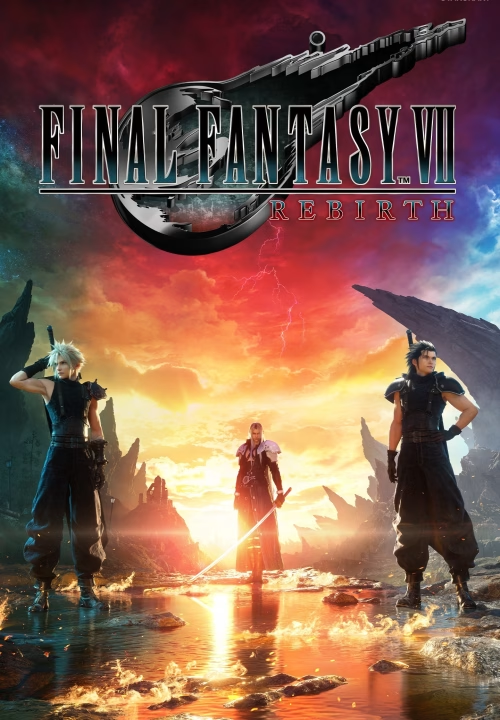
| Release Date | February 29, 2024 |
|---|---|
| Platforms | PlayStation 5; PC; Nintendo Switch 2; Xbox Series X/S |
| Developer | Square Enix Creative Studio I |
| Director | Naoki Hamaguchi |
| Writer / Narrative | Kazushige Nojima |