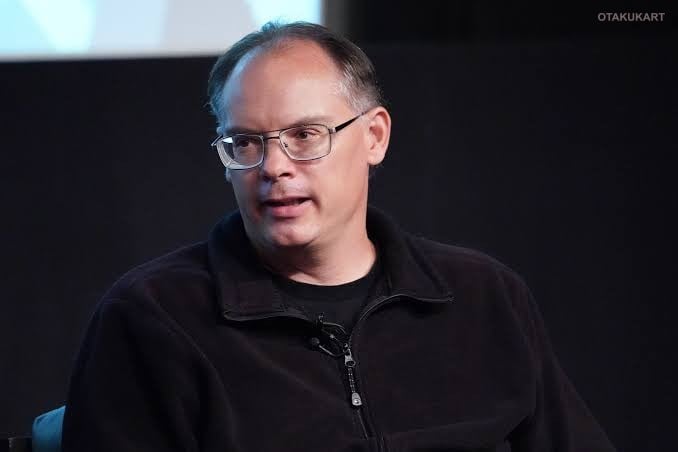
The long-running debate over Steam’s revenue cut structure has resurfaced after Epic Games CEO Tim Sweeney reiterated his criticism of Valve’s platform fees. Speaking on X, Sweeney argued that Steam’s commission rates are pushing major developers away from the storefront.
In his post, Sweeney stated that
“Steam charges such high fees that developers with strong brands and big enough audiences, like Epic, Riot, and MiHoYo find it more profitable to go it alone.”
He further suggested that
“lower fees and more openness might increase Steam profit,”
framing the issue as one of long-term platform efficiency rather than simple competition.
However, the statement quickly sparked correction from community context notes, particularly around HoYoverse (formerly MiHoYo), which has increasingly expanded into Steam despite being cited as an example of a “Steam skipper.”
HoYoverse Expands on Steam, Challenging the “Skipping” Narrative
Contrary to Sweeney’s framing, HoYoverse has already established a growing presence on Steam. According to public platform data and reporting from industry observers, the company has released titles such as Honkai Impact 3rd and more recently launched Zenless Zone Zero on Steam alongside its major 3.0 update cycle.
Industry tracking from the Epic Games Store Annual Report also shows HoYoverse titles like Genshin Impact and Honkai: Star Rail ranking among top-performing PC games on the Epic Games Store, indicating a multi-store distribution strategy rather than exclusivity avoidance.
Additionally, data analysis suggests that Zenless Zone Zero was used as a controlled expansion test, benefiting from account linking features that allowed players to transfer progress and purchases between ecosystems. This points to a more flexible distribution approach rather than a strict rejection of Steam.
Sweeney’s argument also intersects with broader industry economics, where platform fees are only one part of a much larger equation. While Steam’s 30% cut has often been criticized, competing platforms like the Epic Games Store offer lower fees but significantly smaller user bases.
According to industry estimates, conversion rates for Epic’s free-user acquisition model remain relatively low, with only a small percentage of users converting into paying customers. This raises questions about whether lower fees alone can offset reduced audience scale.
HoYoverse’s behavior reflects this complexity. While it maintains partnerships with Epic and mobile-first distribution, its gradual Steam expansion suggests that reach and player acquisition remain equally important to revenue share considerations.