Nintendo encourages developers to experiment with new ideas before deciding whether they work, according to a Donkey Kong Bananza sound designer who recently discussed the creative process behind the game’s distinctive audio. In a feature published on Nintendo’s official recruitment website, the developer described the company as an environment where teams are encouraged to “try it first” and test ideas rather than dismissing them immediately.
The comments came as the sound designer explained the lengthy process behind Donkey Kong’s Drumbeat transformation. While sound effects can sometimes be viewed as a final stage of game development, Nintendo’s approach allows sound teams to contribute ideas earlier and help shape gameplay experiences.
Nintendo’s “Try It First” Approach Supports New Ideas
The sound designer said Nintendo respects the mindset of “Let’s give it a try first” and “Let’s verify this,” describing the company as a place that supports attempts to take on new challenges. He also credited colleagues with helping expand ideas in new directions.
“Nintendo respects the ‘Let’s give it a try first’, ‘Let’s verify this’ approach, and is fertile ground for supporting challenge attempts,”
the designer said.
“The fact that there are many allies who would expand on my ideas in good directions is a huge appeal.”
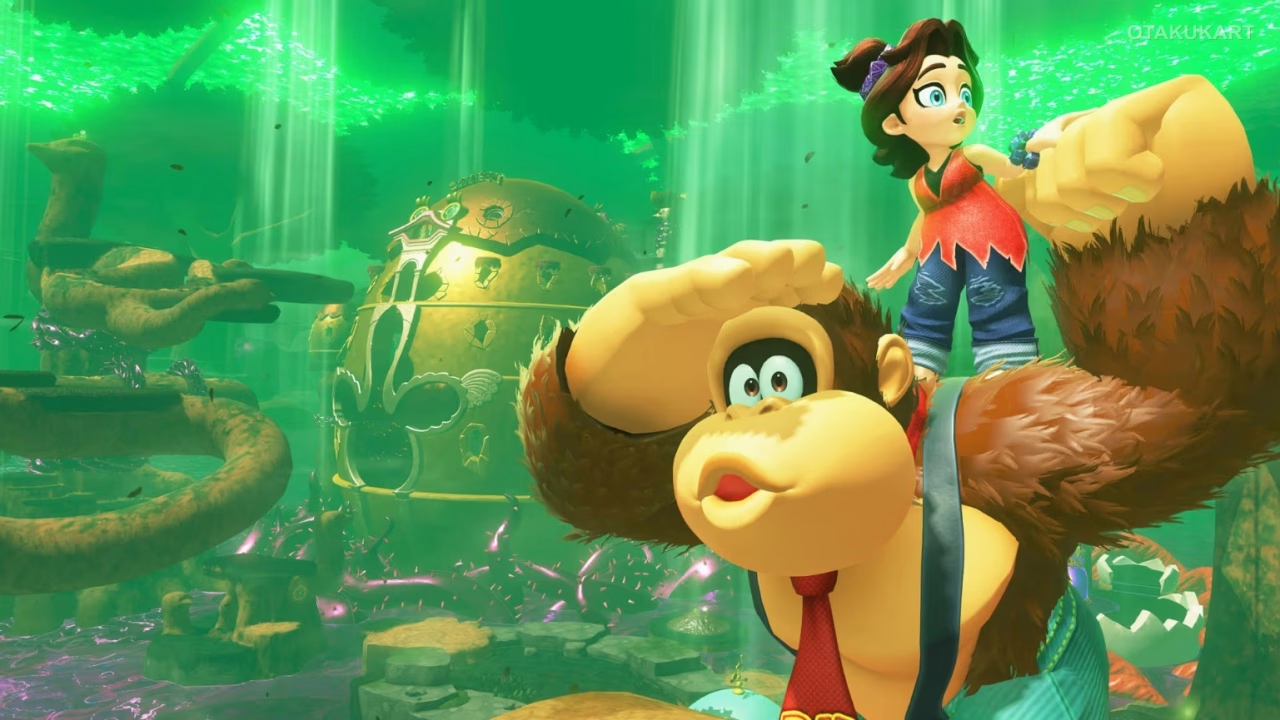
That philosophy was reflected in the development of Donkey Kong Bananza’s sound design. The designer was responsible not only for sound effects but also for recording voices for Donkey Kong and his young partner, Pauline. Nintendo’s own overview of its sound development process also notes that sound designers can contribute ideas and explore technical possibilities from relatively early stages of production.
How Donkey Kong’s Drumbeat Sound Was Created
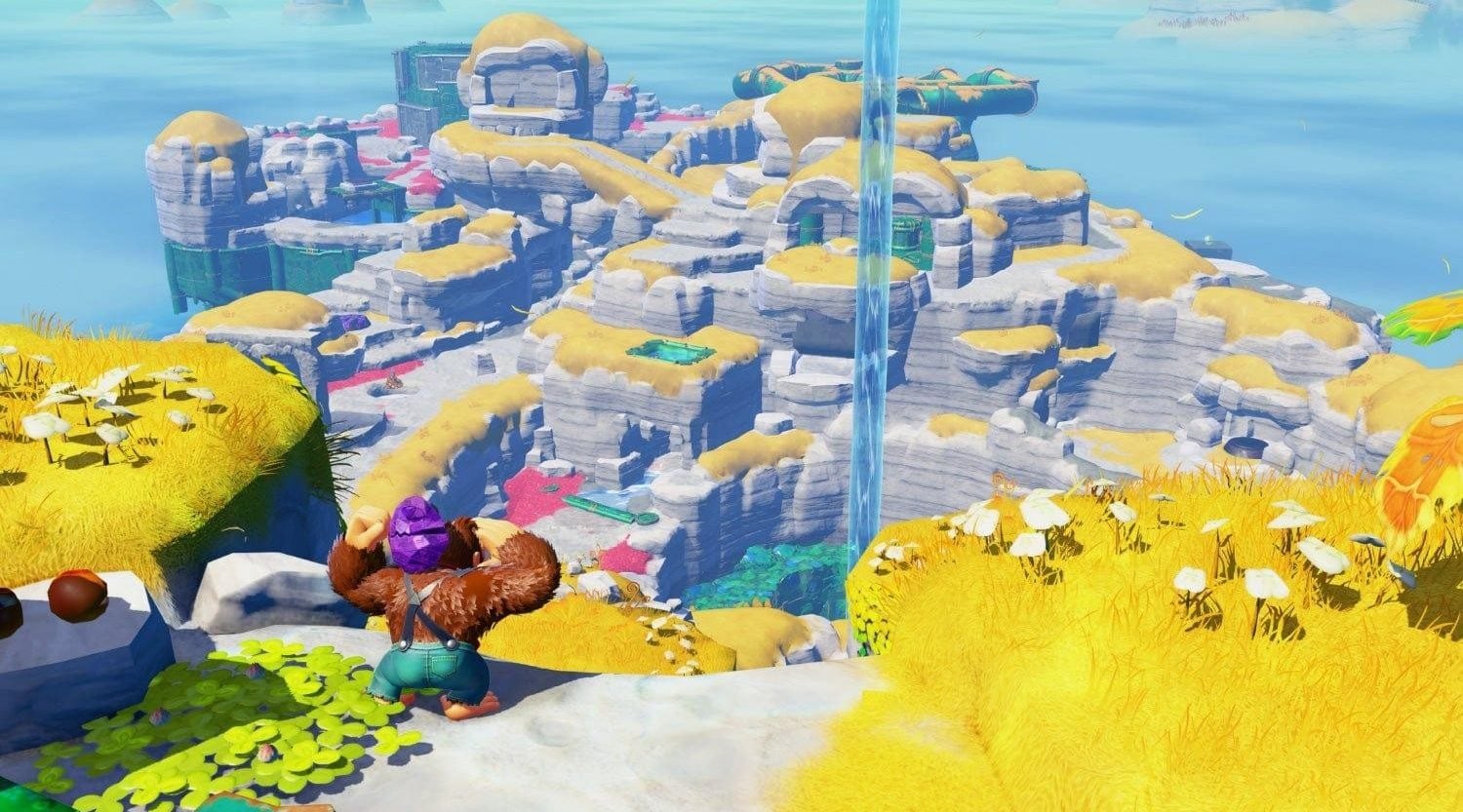
One of the biggest challenges involved Drumbeat, the transformation sequence in which Donkey Kong pounds his chest before entering one of his powerful Bananza forms. The original idea used fixed kick-drum sounds synchronized with the animation, but the result lacked personality and did not create enough excitement for the transformation.
The sound designer then approached Drumbeat differently. Since Pauline’s music replaces the normal stage soundtrack when a Bananza transformation begins, he started treating the chest-beating sequence as an introduction to the song.
The revised sound used record scratches inspired by a DJ starting a track. As Donkey Kong’s chest beats increased, the kick-drum sounds also built in a crescendo to create anticipation for Pauline’s music. Vocal percussion was added to give the sequence more musical depth while also fitting Donkey Kong’s comedic personality.
Two Control Methods Created Another Audio Challenge
Drumbeat also had to work with two different control methods. Players could activate the ability by pressing the L and R buttons together or by shaking the Joy-Con 2 controllers, meaning the sound had to feel satisfying with either input.
The designer explained that players would shake the Joy-Con 2 at different speeds, making a single fixed-length sound unsuitable. To solve this, the record scratches and vocal percussion were divided into smaller sections that could play at the right timing based on the player’s inputs.
The Drumbeat sound was ultimately revised repeatedly because players would hear it dozens or even hundreds of times. The designer said he continued listening to it throughout development and made adjustments whenever even a small part felt wrong, showing how Nintendo’s willingness to experiment helped turn a simple transformation effect into one of Donkey Kong Bananza’s most recognizable sounds.