The Adventures of Cliff Booth has officially locked its release plans, confirming a hybrid rollout that blends theatrical exhibition with streaming. Directed by David Fincher and written by Quentin Tarantino, the film continues the story of Cliff Booth several years after the events of Once Upon a Time in Hollywood. The sequel is set in 1977, placing the character in a dramatically different Hollywood terrain shaped by industry shifts and cultural change. This time jump allows the film to explore new themes while retaining its connection to the original. The return of Cliff Booth signals a continuation of one of Tarantino’s most beloved creations.
The film will debut with an exclusive two-week IMAX run starting November 25 before arriving on Netflix on December 23. This release strategy reflects Netflix’s growing interest in theatrical windows for high-profile projects. It also positions the film as a major year-end event rather than a standard streaming drop. The IMAX rollout suggests confidence in the film’s cinematic appeal. For audiences, it creates two distinct viewing opportunities across formats.
Brad Pitt Leads a Star-Studded Cast
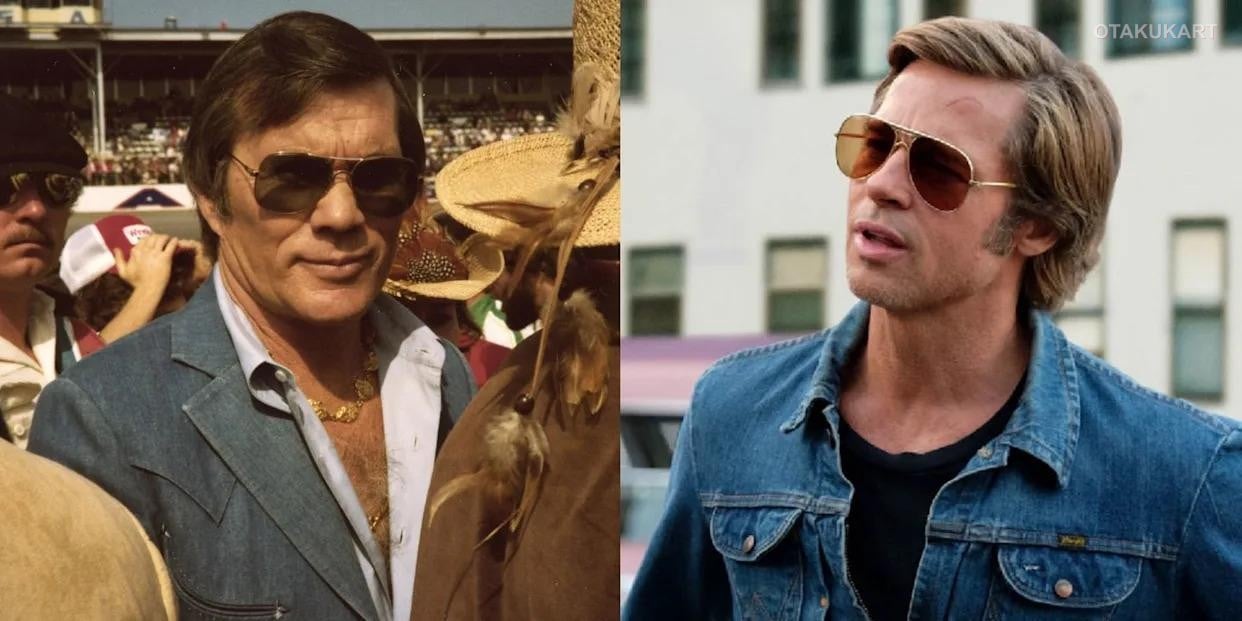
Brad Pitt reprises his role as Cliff Booth, a performance that previously earned him an Academy Award for Best Supporting Actor. His return is central to the sequel’s appeal, especially given the character’s popularity in the original film. Alongside Pitt, Timothy Olyphant is also set to return as James Stacy. Their inclusion provides continuity for fans familiar with the earlier story. It also strengthens the sequel’s connection to Tarantino’s original vision.
The film introduces several new cast members, including Elizabeth Debicki, Yahya Abdul-Mateen II, and Carla Gugino. While their roles remain undisclosed, the ensemble suggests a character-driven narrative similar to the original. The casting reflects a mix of established talent and rising stars, a common approach in both Fincher and Tarantino projects. This blend of returning and new actors builds anticipation without revealing too much about the plot. It also allows the film to expand its scope beyond the original storyline.

A Unique Collaboration Between Fincher and Tarantino
One of the film’s biggest talking points is the collaboration between Fincher and Tarantino, two directors known for distinct storytelling styles. Fincher’s recent work with Netflix includes films like Mank and The Killer, both of which showcased his precision and visual control. Tarantino, on the other hand, has been relatively quiet since the release of Once Upon a Time in Hollywood. This project brings his writing back into focus without placing him in the director’s chair. The combination of their creative approaches is expected to result in a unique tonal balance.
The original film was widely praised, holding an 86 percent approval rating on Rotten Tomatoes and receiving multiple Academy Award nominations. Publications like Esquire described it as a “Shakespearean masterpiece,” highlighting its layered storytelling and character depth. Another review from The Australian noted that the film was “consummately acted” and both “nostalgic” and “subversive.” These reactions set a high bar for the sequel to meet or exceed. With Fincher directing, expectations are centered on a more controlled and possibly darker interpretation of the material.
Release Strategy Signals a Bigger Bet From Netflix
Netflix’s decision to give the film an IMAX window before its streaming debut reflects a broader shift in strategy. High-profile projects are increasingly receiving theatrical releases to boost visibility and prestige. This approach has been used for select titles in recent years, but The Adventures of Cliff Booth represents one of its most prominent examples. The move also aligns with the platform’s push toward event-style releases. By combining theatrical and streaming exposure, Netflix is aiming to maximize both audience reach and cultural impact.
The timing of the release places the film firmly in the holiday season, a period known for high viewership. This positioning could help it dominate conversation both in theaters and online. It also suggests confidence in the film’s ability to attract both casual viewers and dedicated film fans. With major talent involved and a recognizable IP, the project stands out as one of Netflix’s biggest releases of the year. The strategy indicates that the platform is focusing more on fewer but higher-impact films.