Gintama creator Hideaki Sorachi has revealed that he deliberately kept his distance from the anime adaptation because he wanted the staff working on the series to enjoy making it. The manga creator also admitted that he initially had very little confidence in the adaptation and expected it to fail.
Sorachi shared the surprising comments during a stage greeting for Gintama The Movie – Yoshiwara In Flames – in Tokyo on September 26, 2026. His remarks offer a look at how little faith the creator initially had in the anime and why he ultimately chose not to micromanage its production.
Sorachi Thought the Gintama Anime Would Fail
According to Oricon, Sorachi admitted that he was convinced the anime could struggle to reproduce the unusual humor and tone that defined his manga.
“Now that I can say it, honestly, I thought it would flop,”
Sorachi said during the event.
The creator believed adapting Gintama would be particularly difficult because much of the series’ appeal came from its distinctive comedy and unpredictable storytelling. He was also uncertain whether an anime audience would understand the particular style of humor that had made the manga popular.
Despite those doubts, Sorachi said he was happy that a production team was willing to take on the challenge. For him, the fact that people wanted to work on Gintama was already something worth appreciating.
“I was happy simply because there were people willing to raise their hands and say they wanted to make Gintama together with me,”
Sorachi explained. He added that if those people were enjoying the process,
“then the goal had already been achieved.”
That philosophy also influenced how involved he became with the anime.
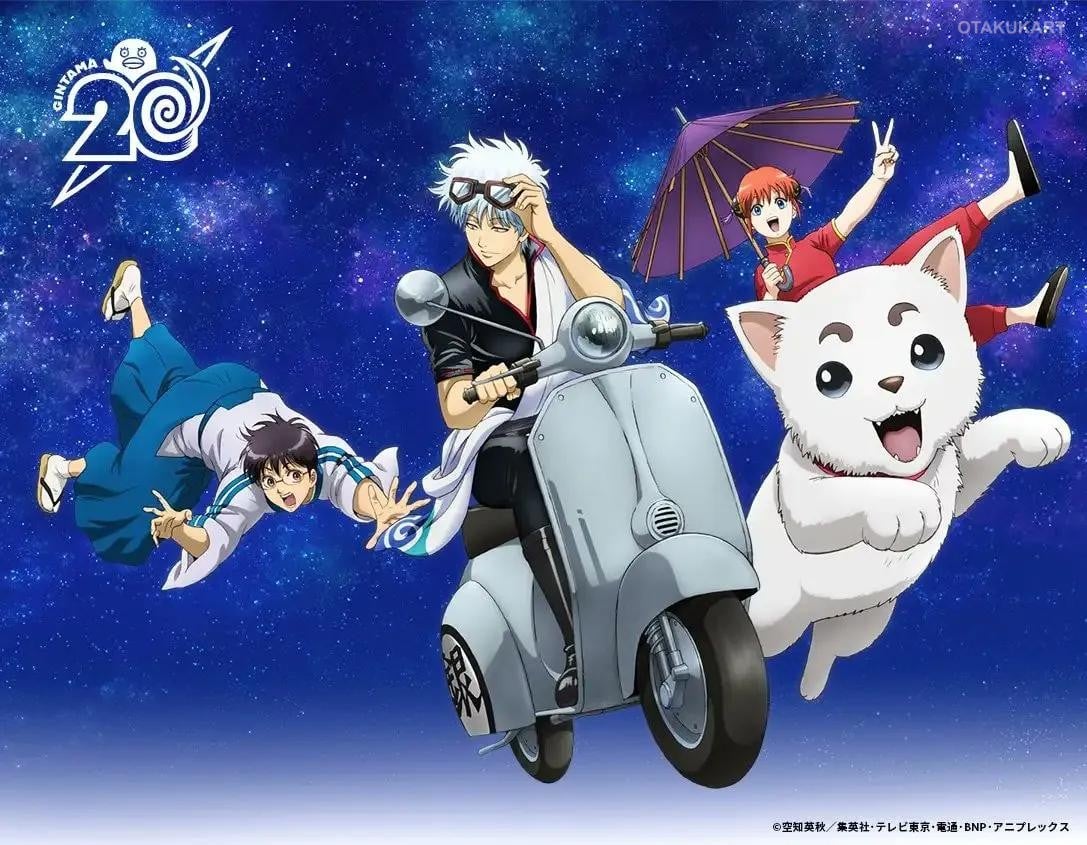
Why the Gintama Creator Stayed Out of Production
Rather than attempting to control every aspect of the adaptation, Sorachi largely allowed the anime staff to make their own decisions. He believed that the production would benefit more from creators who were genuinely having fun than from him constantly intervening.
“I figured it would be fine even if it ended quick,”
Sorachi said.
His expectations for the anime were apparently so modest that he was mainly thinking about the manga’s financial returns.
“I was only expecting royalties from the manga,”
Sorachi said. He then admitted that he never expected the anime to increase his royalties to the extent that it eventually did.
The success of the adaptation ultimately proved Sorachi’s initial concerns wrong.
Gintama Became a Long-Running Anime Success
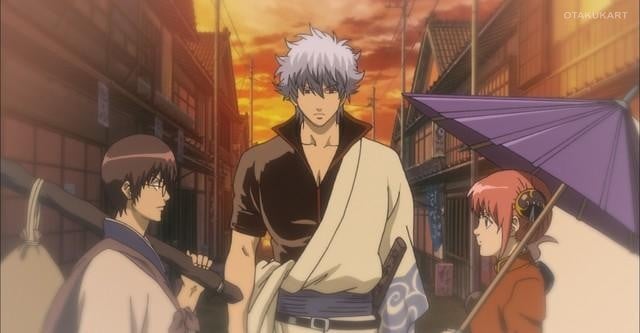
The Gintama anime began with an OVA produced by Sunrise for the 2005 Jump Festa Anime Tour before the television adaptation premiered in April 2006. The TV series eventually ran for 367 episodes until 2018, followed by several theatrical projects.
The story concluded with Gintama: The Very Final in January 2021. The franchise is now celebrating its 20th anniversary, with Gintama The Movie – Yoshiwara In Flames – revisiting one of the manga’s most popular story arcs.
Interestingly, Sorachi’s original editor Kohei Onishi also recalled being skeptical about the possibility of an anime adaptation. Onishi said the two initially viewed an anime as “a dream within a dream,” questioning whether enough people would actually watch it.
What began as a project its creator expected to flop ultimately became one of the most recognizable long-running anime adaptations of its era. Sorachi’s decision to let the staff have fun rather than heavily interfere may have been one of the reasons the anime was able to develop its own distinctive identity while retaining the spirit of the original manga.