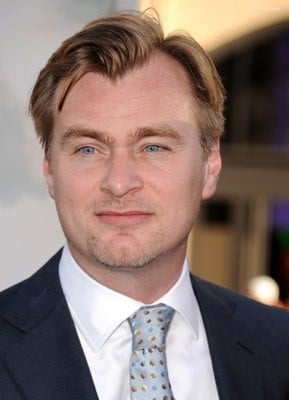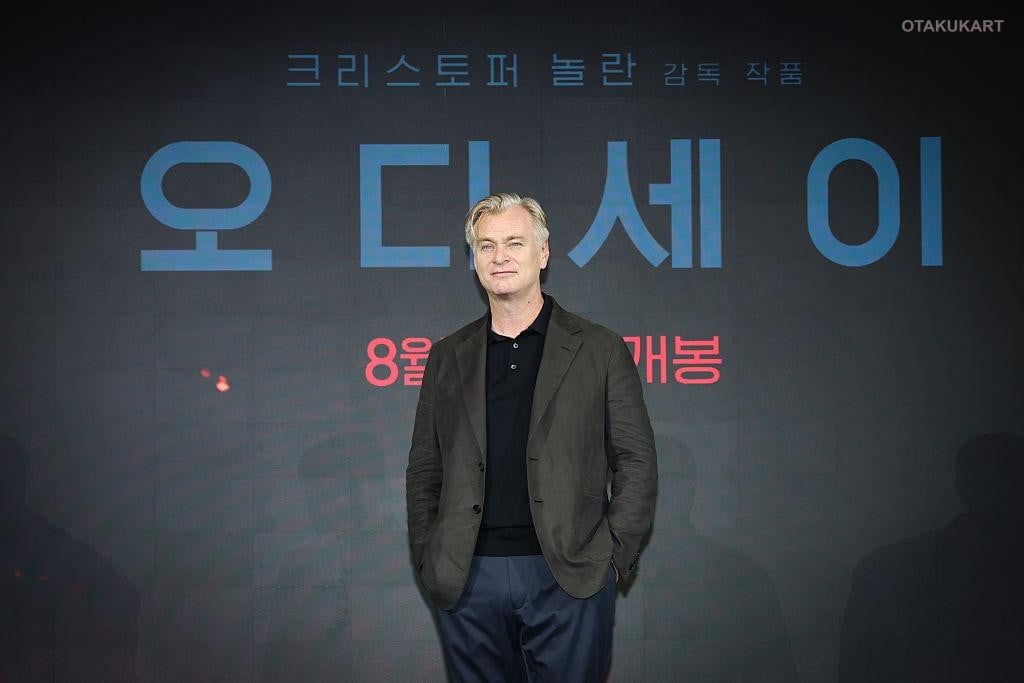
Christopher Nolan has sparked widespread discussion after a thought-provoking interview in China during the promotional tour for The Odyssey. Unlike the director’s usual press appearances, the conversation focused less on filmmaking anecdotes and more on philosophy, history, and the ideas that shaped his adaptation of Homer’s epic poem.
The interview, conducted in English by Chinese podcaster and political philosophy lecturer Zhong Shu and first published on Bilibili, quickly gained international attention for Nolan’s in-depth reflections on the decline of civilizations, the moral foundations of The Odyssey, and his views on modern film criticism.
Nolan Explains Why The Odyssey Reflects Civilizations in Decline
One of the interview’s central topics came after Zhong described Nolan as a possible “bard of a civilization at dusk,” comparing his work to Homer’s role in preserving stories from Ancient Greece.
Nolan called it “a really interesting question” and explained that Homer’s poem itself looks back at an earlier civilization that Greeks believed had already reached greater heights. He said that historical perspective fascinated him while adapting the story.
“I became interested by that collapse… what they call the Bronze Age collapse.”
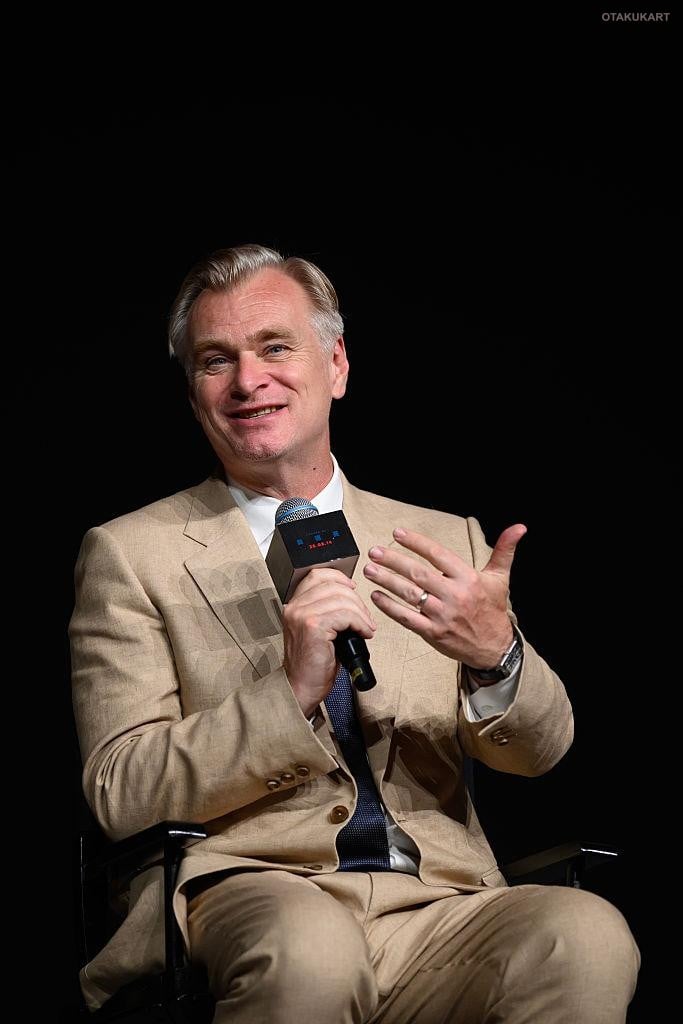
The filmmaker also revealed that his experience directing Oppenheimer influenced his interpretation of The Odyssey.
“Oppenheimer is very much a film about the end of the world, about the end of and collapse of civilization… I definitely carried that sensibility into this adaptation of The Odyssey.”
Another major discussion centered on whether Nolan had introduced Christian concepts—particularly atonement—into a story rooted in Greek mythology.
Nolan rejected the idea that he intentionally reshaped Homer’s work through a Christian lens. Instead, he said his adaptation focused on the Greek concept of xenia, often translated as sacred hospitality or mutual respect.
“It’s not a deliberate attempt to Christianize it.”
According to Nolan, the moral conflict in the film grows naturally from violations of “Zeus’ Law,” which governs how strangers and guests should be treated. While modern viewers may interpret the ending through ideas of redemption, he believes those themes emerge from the audience’s perspective rather than from any deliberate religious reinterpretation.
The filmmaker also offered an extensive defense of storytelling conventions, arguing that recognizing narrative techniques does not lessen their effectiveness.
Speaking with Zhong Shu, Nolan explained:
“Because I can understand why the story affects me… therefore it didn’t work. That’s not how storytelling works.”
He suggested that many amateur critics mistakenly believe identifying a storytelling device automatically invalidates it. Professional critics, he noted, generally recognize that cinema functions through an established language developed over more than a century.
To illustrate the point, Nolan referenced Memento, explaining that although the film’s chronology was unconventional, its underlying three-act structure remained familiar to audiences.
“You have to make your choices… I need this to be extremely familiar underneath so that I can change what’s on the surface.”
The interview has resonated with filmmakers and movie fans alike because it provides an unusually detailed look into Nolan’s creative philosophy. Rather than discussing production stories or box office milestones, the Oscar-winning director explored the historical, moral, and narrative ideas that continue to shape his approach to filmmaking.