
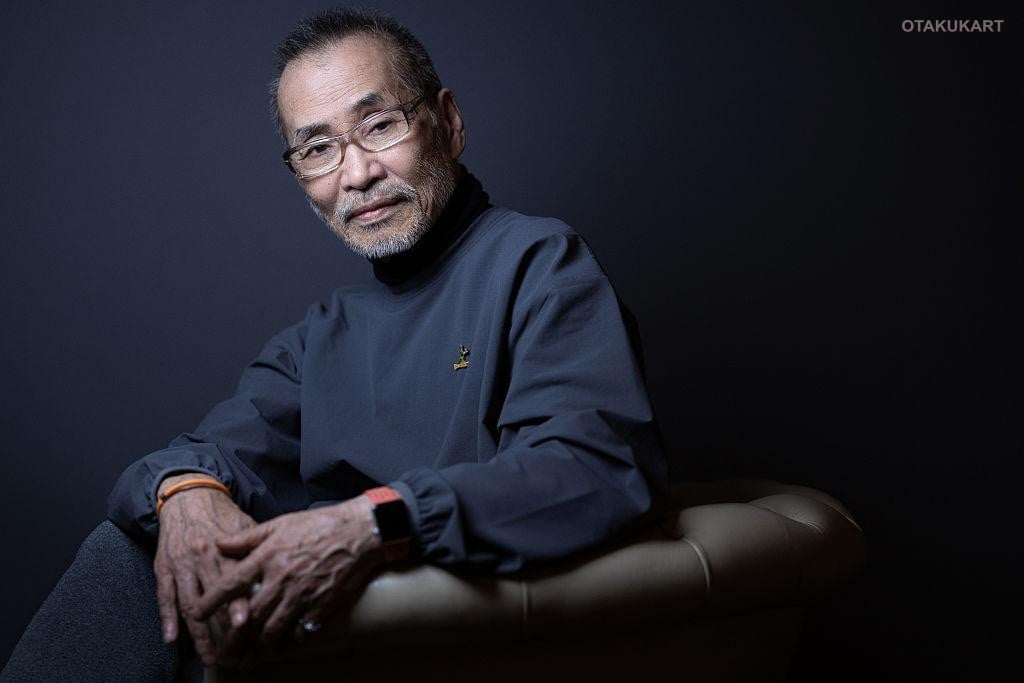
Japanese anime director Rintaro has been named a Person of Cultural Merit for 2026, recognizing his decades of contributions to the country’s animation industry. The Japanese government announced the honor on October 23, celebrating 21 individuals for their outstanding achievements in developing and promoting Japanese culture.
Rintaro is renowned for directing influential animated films, including Galaxy Express 999, Adieu Galaxy Express 999, and Metropolis. His work has helped shape Japanese animation across several generations, earning him recognition alongside prominent cultural figures.
The announcement also brought attention to the growing recognition of entertainment and creative industries in Japan. Shigeru Miyamoto, the legendary Nintendo game designer behind franchises such as Super Mario and The Legend of Zelda, received the prestigious Order of Culture. According to the announcement, Miyamoto is the first person from the video game industry to receive the distinction.
Rintaro’s Career Spans More Than Six Decades of Anime History
Born Shigeyuki Hayashi in Tokyo on January 22, 1941, Rintaro began his animation career at Toei Animation in 1958 before moving to Mushi Production, the studio established by legendary manga creator Osamu Tezuka. He made his television directing debut with Astro Boy in 1963.
Rintaro made his feature film directorial debut with Galaxy Express 999 in 1979, adapting Leiji Matsumoto’s manga. He subsequently directed the 1981 sequel, Adieu Galaxy Express 999, and the science fiction film Harmagedon in 1983.
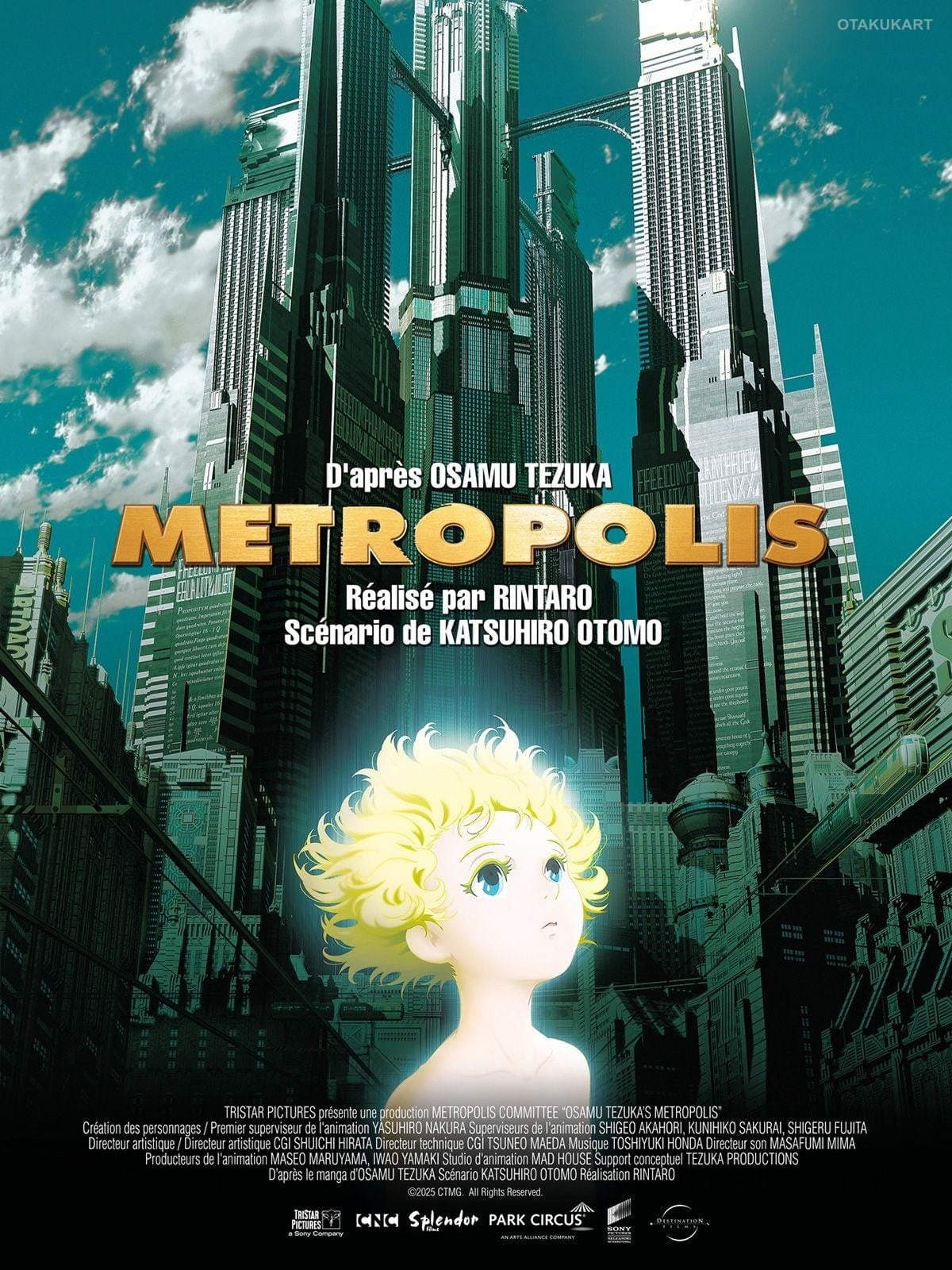
His later credits include Metropolis (2001) and Yona Yona Penguin (2009), demonstrating his continued involvement in ambitious animated productions. His most recent film, Nezumikozo Jirokichi, was released in 2023.
Following the announcement, animation studio Madhouse congratulated Rintaro through its official X account, recognizing his contributions to productions including Harmagedon and Metropolis.
The Japanese government selected 21 individuals as Persons of Cultural Merit for fiscal year 2026. The recipients will be honored at a ceremony in Tokyo on November 4, while the Order of Culture will be presented at the Imperial Palace on November 3.