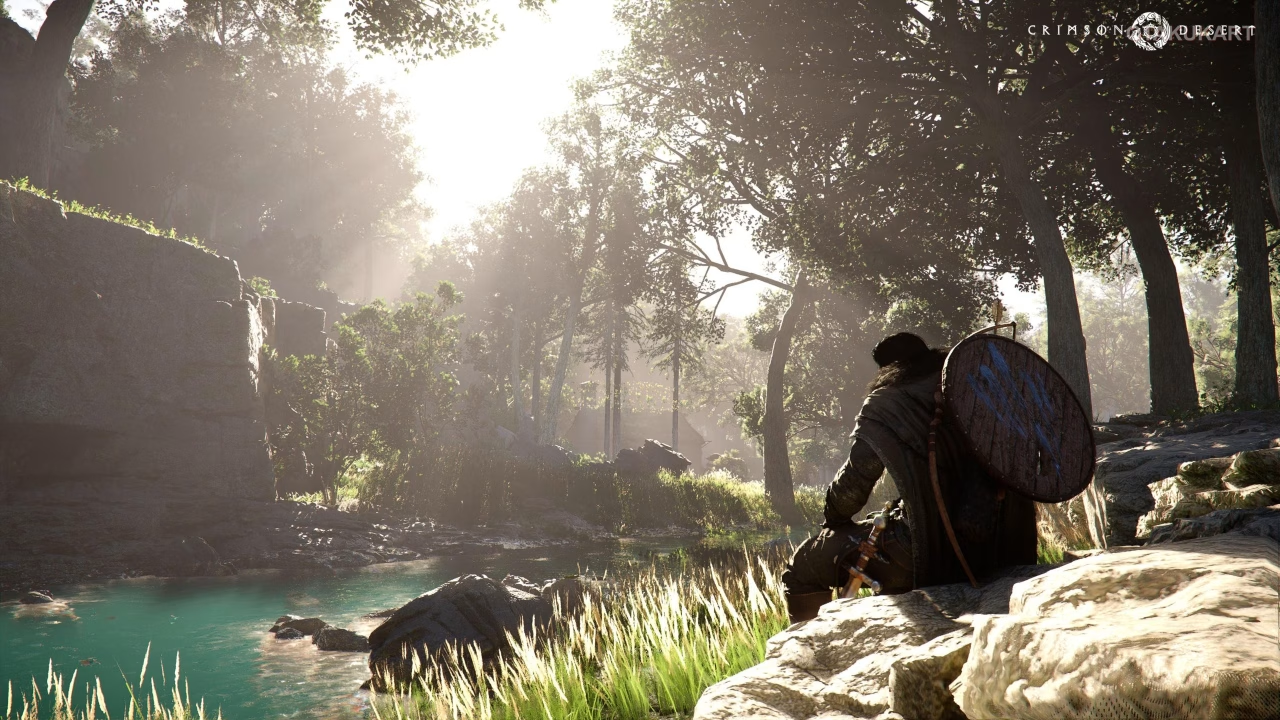
AMD Radeon RX 7000 series owners can now experiment with Ray Regeneration 1.2 in Crimson Desert thanks to a proof-of-concept modification released by enthusiast AthleteDependent926. The workaround adapts the technology to AMD’s RDNA 3 architecture, but early testing shows a substantial performance penalty.
Ray Regeneration 1.2 originally relies on FP8 computations. The modification converts the model to FP16 precision so it can run on supported RDNA 3 graphics cards without relying on the same on-the-fly instruction handling used by Proton on Linux. The project currently targets Radeon RX 7000 GPUs and does not support RDNA 2, NVIDIA, or Intel graphics cards.
Crimson Desert Benchmark Shows a Major Performance Drop
The modification was tested in Crimson Desert using a Radeon RX 7800 XT and an AMD Ryzen 7 5800X3D processor. At 1440p with the Performance upscaling profile disabled, the game reportedly ran at 64.1 frames per second before Ray Regeneration was enabled.
With the feature active, performance fell to 35.9 FPS. Frame time also increased from 15.61 milliseconds to 27.88 milliseconds, indicating a considerable reduction in responsiveness.
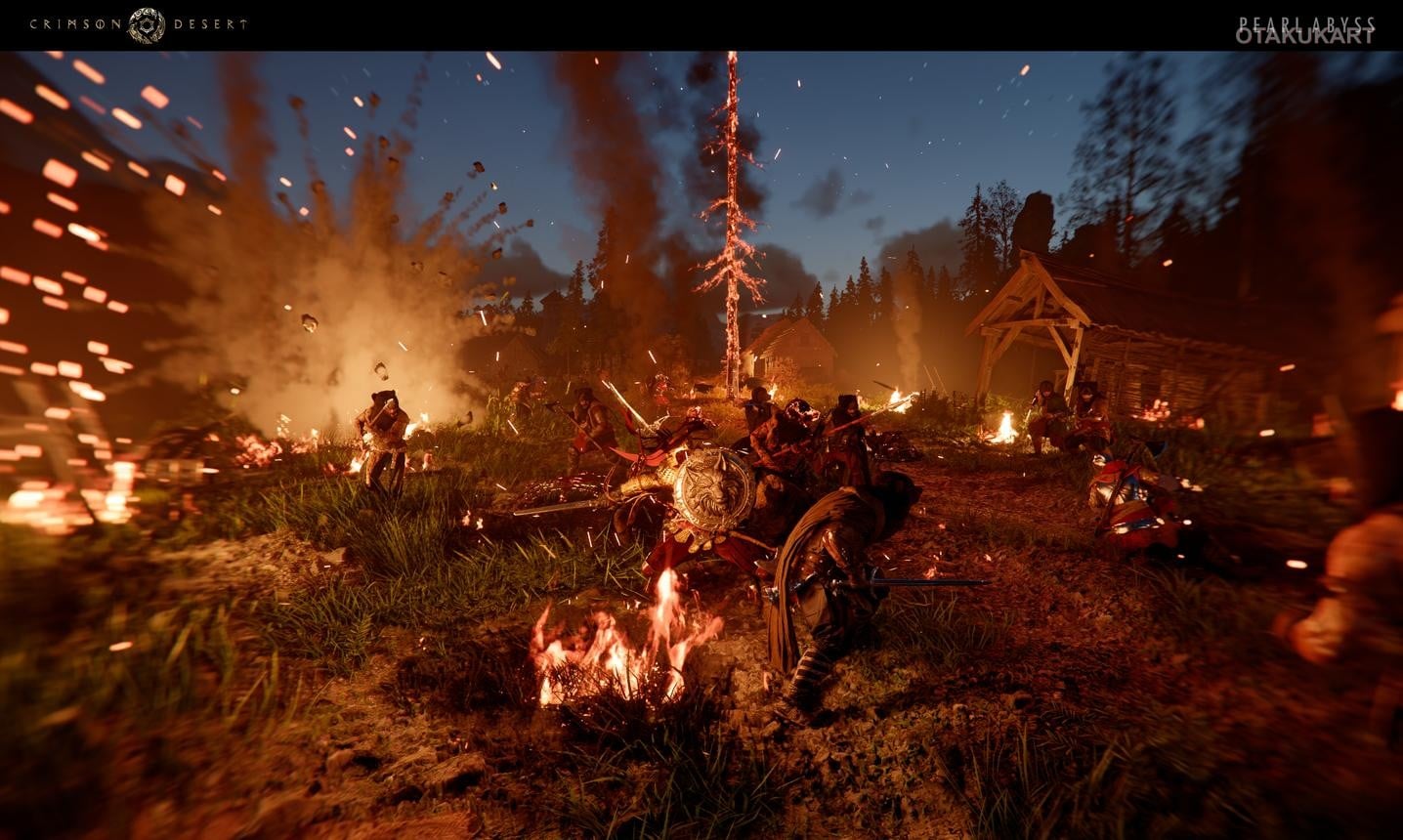
However, AthleteDependent926 cautioned that the comparison is not entirely conclusive. Enabling Ray Regeneration in Crimson Desert also activates additional ray-tracing functions behind the scenes, making it difficult to isolate the performance cost of the modified model alone.
The modification is not yet a seamless solution. Initial shader compilation can freeze the game for up to 10 minutes while the denoiser initializes. Once this process finishes, the setting can reportedly be toggled without further freezes and remains available after restarting the game.
AthleteDependent926 shared the build files on GitHub, allowing compatible GPU owners to test the experimental implementation. The author says it should also work in Warhammer 40,000: Darktide, another game supporting Ray Regeneration 1.2.
AMD’s official documentation lists Ray Regeneration as requiring Radeon RX 9000 Series or newer graphics cards, making this community modification an unofficial workaround rather than native RDNA 3 support.
| Platforms | PC, PlayStation 5, Xbox Series X/S |
|---|---|
| Developer | Pearl Abyss |