
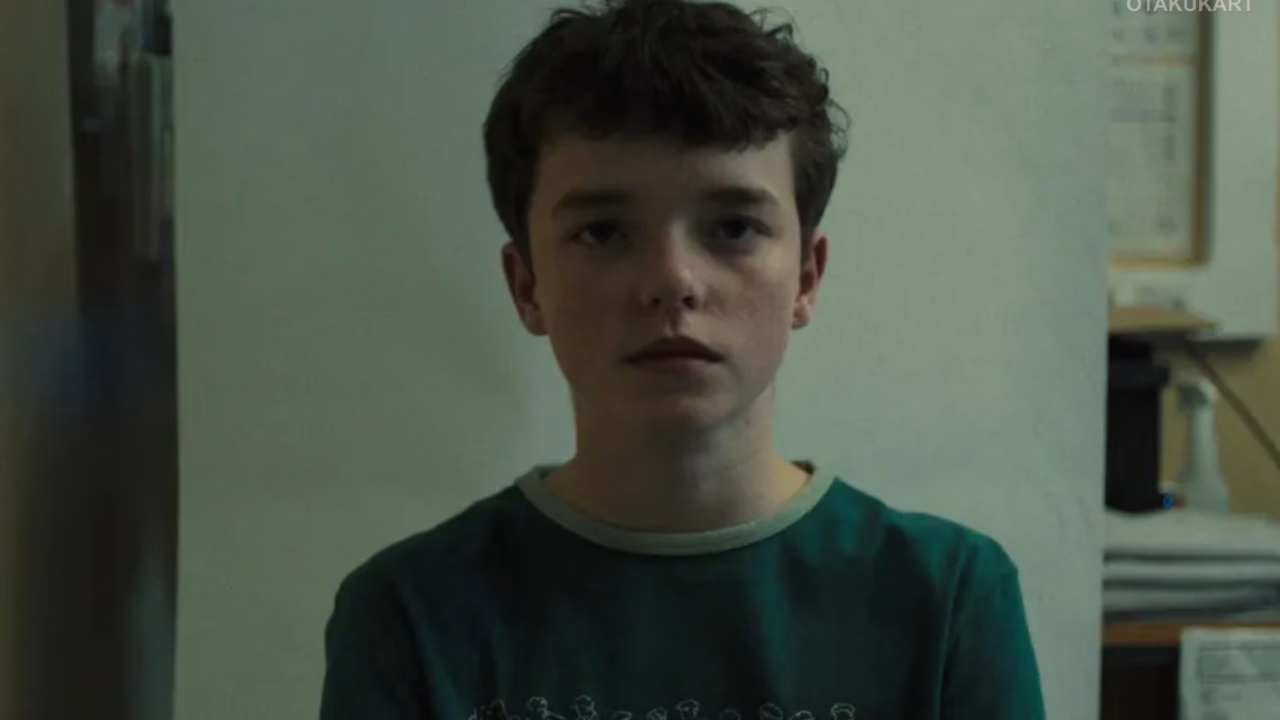
Netflix has taken an unexpected creative turn by handing its popular family detective franchise to a filmmaker better known for intense, socially driven drama.
Philip Barantini, the director behind the critically discussed series Adolescence, has admitted he was surprised when he was offered the job to direct Enola Holmes 3, a project far removed from his usual style.
From Dark Drama to Family Mystery Franchise
Barantini built his reputation through grounded, emotionally charged storytelling, particularly with projects like Boiling Point and the Netflix breakout Adolescence. The latter gained widespread attention for its unflinching look at online radicalisation among young men, filmed using ambitious long-take cinematography.
Given this background, Barantini expected his next step to remain within similarly dark territory. Speaking in an interview with The Independent, he said he initially assumed his next offer would lean toward large-scale serious filmmaking.
“I assumed it would be something dark, like Dune 3,”
he explained, reflecting on the moment his expectations shifted.
Instead of another heavy drama, Netflix offered him Enola Holmes 3, the next installment in its youthful detective series led by Millie Bobby Brown. The surprise, however, quickly turned into curiosity once he read the screenplay written by his frequent collaborator Jack Thorne.
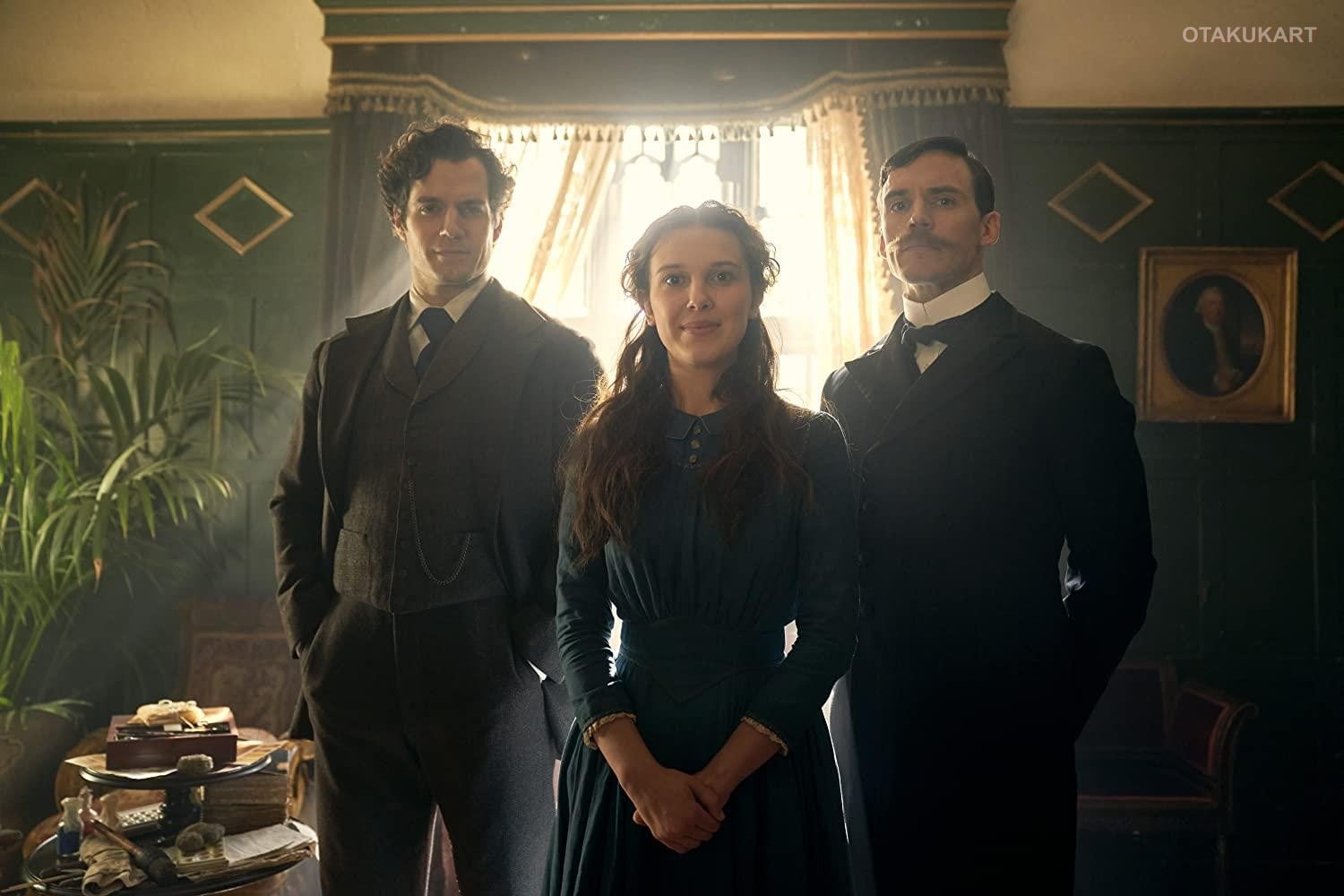
Barantini noted that while the franchise is widely seen as family-friendly, the new script introduced more mature themes and emotional depth, especially as the central character transitions into adulthood.
“Then they said ‘Enola Holmes 3’, and I thought, ‘OK, well that’s interesting,’”
he said.
“What Jack had done made it a lot darker and more grown up. Enola is a grown woman now.”
A More Mature Direction for the Franchise
The screenplay reportedly expands the story’s thematic scope beyond mystery-solving, exploring broader historical and political ideas. Thorne previously revealed in an interview with Radio Times (https://www.radiotimes.com) that the trilogy has evolved with each installment, touching on land reform in the first film, labor movements in the second, and colonial history in the third.
This deeper storytelling approach appears to have helped bridge the gap between Barantini’s intense directorial style and the franchise’s established tone.

| Release Date | December 18, 2026 |
|---|---|
| Studio | Legendary Pictures |
| Director | Denis Villeneuve |
| Writer(s) | Denis Villeneuve, Brian K. Vaughan, Frank Herbert (novel) |