Some anime scenes stay with fans long after the final episode ends. A quiet conversation, a painful goodbye, or even a few seconds of silence can hit harder than the biggest fight scene. Instead of relying on dramatic speeches or emotional music alone, many anime use subtle expressions, quiet moments, and strong storytelling to create an unforgettable emotional impact. These are 19 anime scenes that fans still find difficult to watch, no matter how many years have passed.
1. The Sound of Two Kids Starving Quietly (Grave of the Fireflies)
Not many films have left a lasting emotional impact like Grave of the Fireflies. The film tells the heartbreaking story of siblings Seita and Setsuko as they struggle to survive after the firebombing of Kobe during World War II. While the entire film is filled with painful moments, Setsuko’s final hours remain one of the most devastating scenes in anime history.
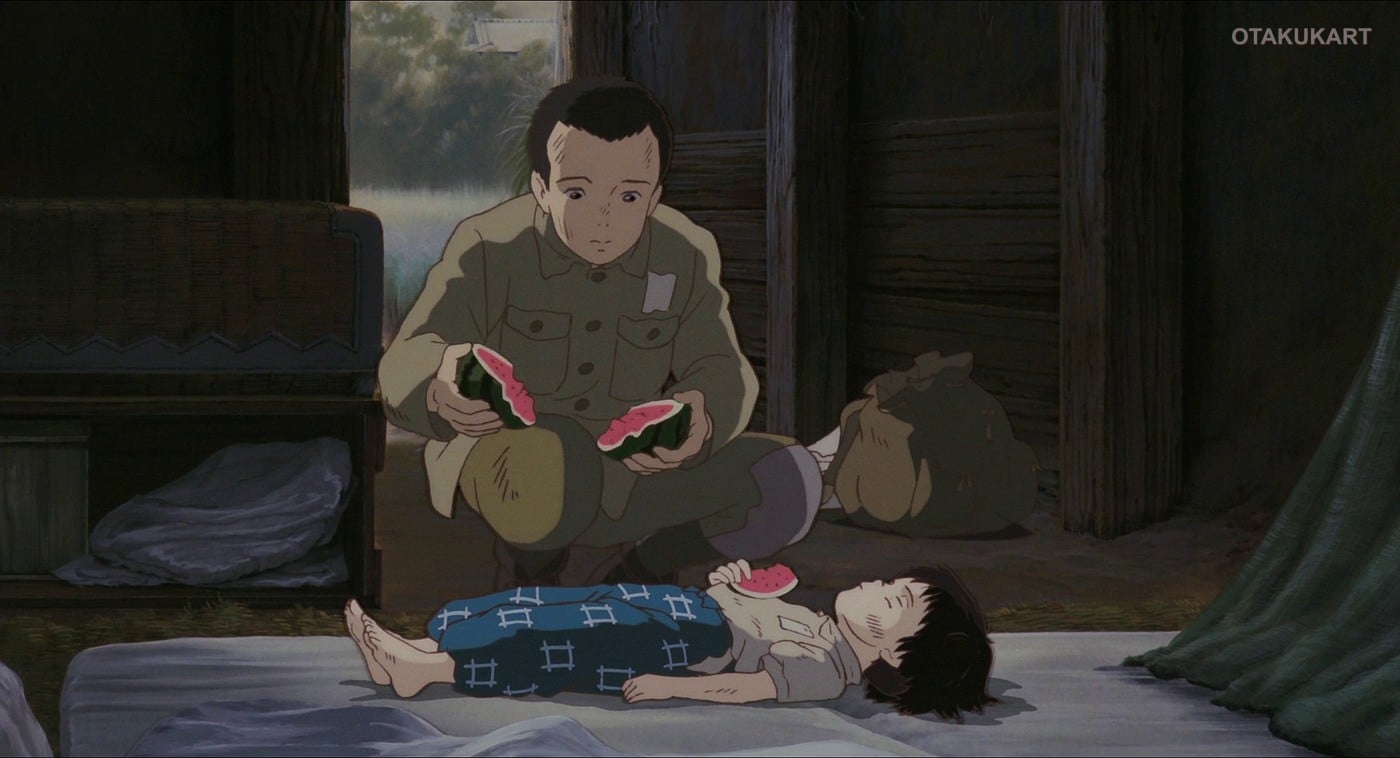
The film builds its tragedy through small, realistic details. Setsuko slowly grows weaker, stops playing with the same excitement, and quietly accepts the harsh reality around her. One of the most unforgettable moments comes when Seita realizes his little sister has been pretending that marbles are candy because there is simply nothing left to eat. This discovery perfectly captures the innocence of childhood being destroyed by circumstances beyond her control.
The scene becomes even more powerful because the story never hints that someone will arrive to save them. From the beginning, the audience watches society gradually abandon two children who have nowhere to turn. Their relatives grow resentful, neighbors focus on their own survival, and every possible source of hope disappears one by one. By the time Setsuko dies, viewers understand that this tragedy was preventable, making the emotional impact even stronger.
2. A Wife’s Goodbye Written Mid-Sentence (Clannad: After Story)
After spending nearly two seasons watching Tomoya and Nagisa overcome personal struggles, viewers finally see them build the peaceful future they always dreamed of together. That happiness makes the tragedy that follows even harder to accept.
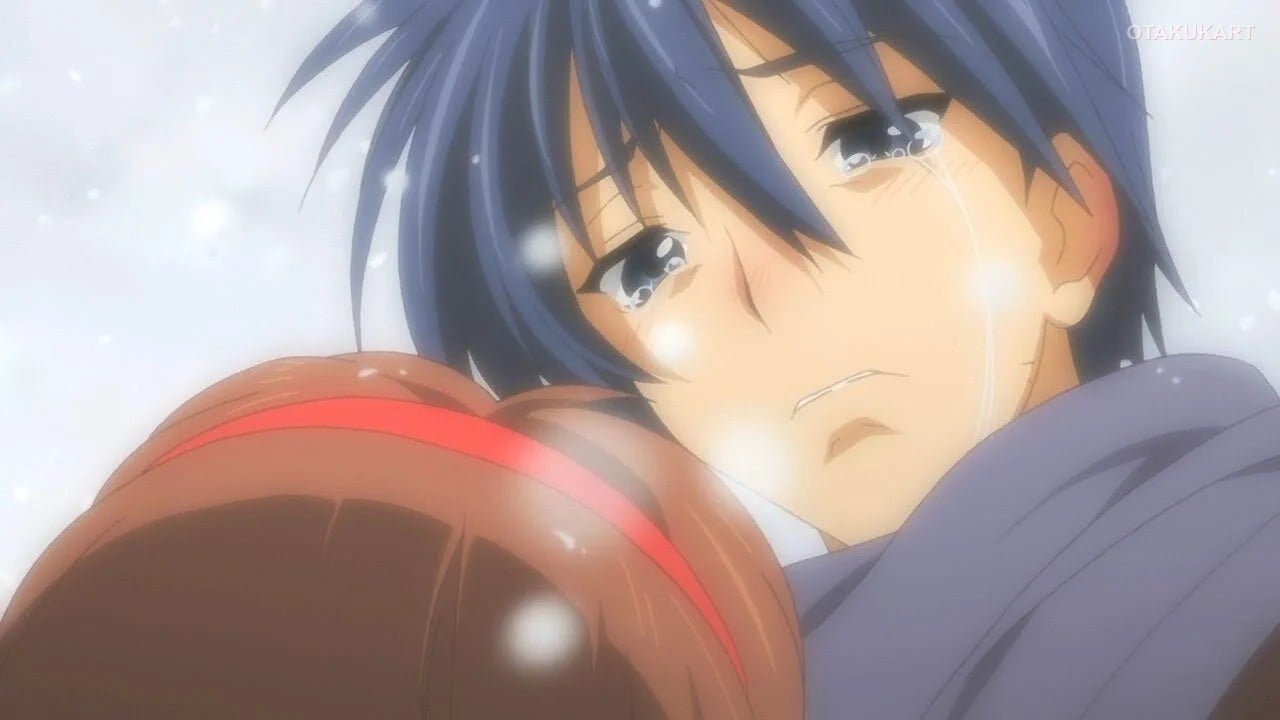
Nagisa’s death during childbirth remains one of the most emotional moments in anime because it feels painfully realistic. There is no major battle, supernatural villain, or dramatic twist waiting around the corner. Instead, the series presents a medical complication that changes Tomoya’s life forever in a matter of moments. The simplicity of the event makes it feel frighteningly believable, allowing viewers to connect with the characters on a much deeper level.
The thing that truly breaks fans is not only Nagisa’s death but also Tomoya’s reaction afterward. Consumed by grief, he struggles to accept his new reality and distances himself from his daughter, Ushio. The series refuses to rush its emotional recovery, showing how devastating loss can reshape someone’s life for years. This honest portrayal of depression and regret gives the story far greater emotional weight than a typical tragic romance.
3. Menma’s Final Goodbye (Anohana: The Flower We Saw That Day)
Anohana: The Flower We Saw That Day is a heartfelt story about the guilt that stays with people long after a loss. The series revolves around a group of childhood friends who drift apart following the death of Menma, only to reunite years later when her spirit returns with one final wish.
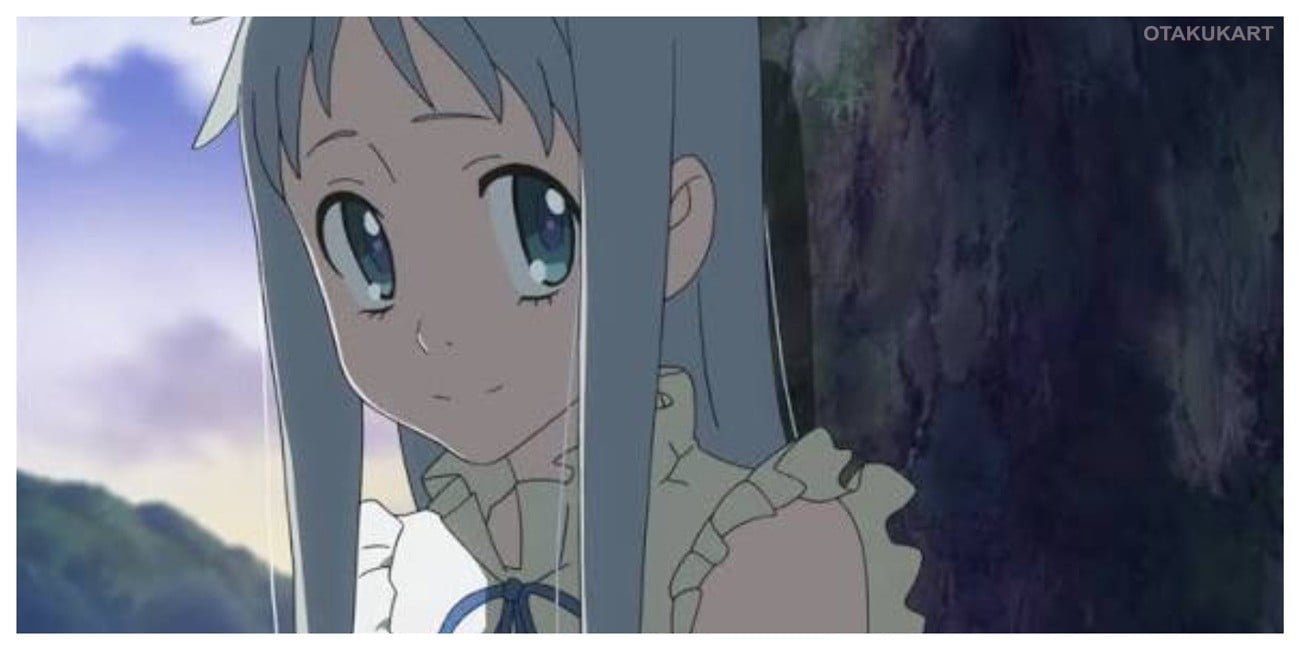
The final episode delivers one of anime’s most memorable emotional scenes. As each member of the group finally confronts their buried feelings, they are forced to admit the guilt and regrets they have carried since childhood. Menma’s farewell is heartbreaking because it gives everyone the chance to express emotions they have avoided for years. Instead of creating drama through unexpected twists, the story focuses entirely on honest conversations between friends who never truly moved on.
The famous hide-and-seek sequence has become one of the most recognizable scenes in modern anime. As Menma slowly disappears while calling out to her friends, every goodbye feels genuine and earned. Her final words bring the story full circle, providing emotional closure for both the characters and the audience. The combination of heartfelt voice acting, beautiful music, and carefully paced storytelling creates a moment that continues to resonate long after the episode ends.
4. Kaori’s Letter Changes Everything (Your Lie in April)
The final episode completely changes how viewers see everything that came before it. After Kaori’s death, Kousei receives a letter she wrote long before the story reached its finale. In it, she reveals the truth about her feelings, her illness, and the reasons behind many of her actions. Suddenly, ordinary conversations, playful moments, and emotional performances take on entirely new meaning.
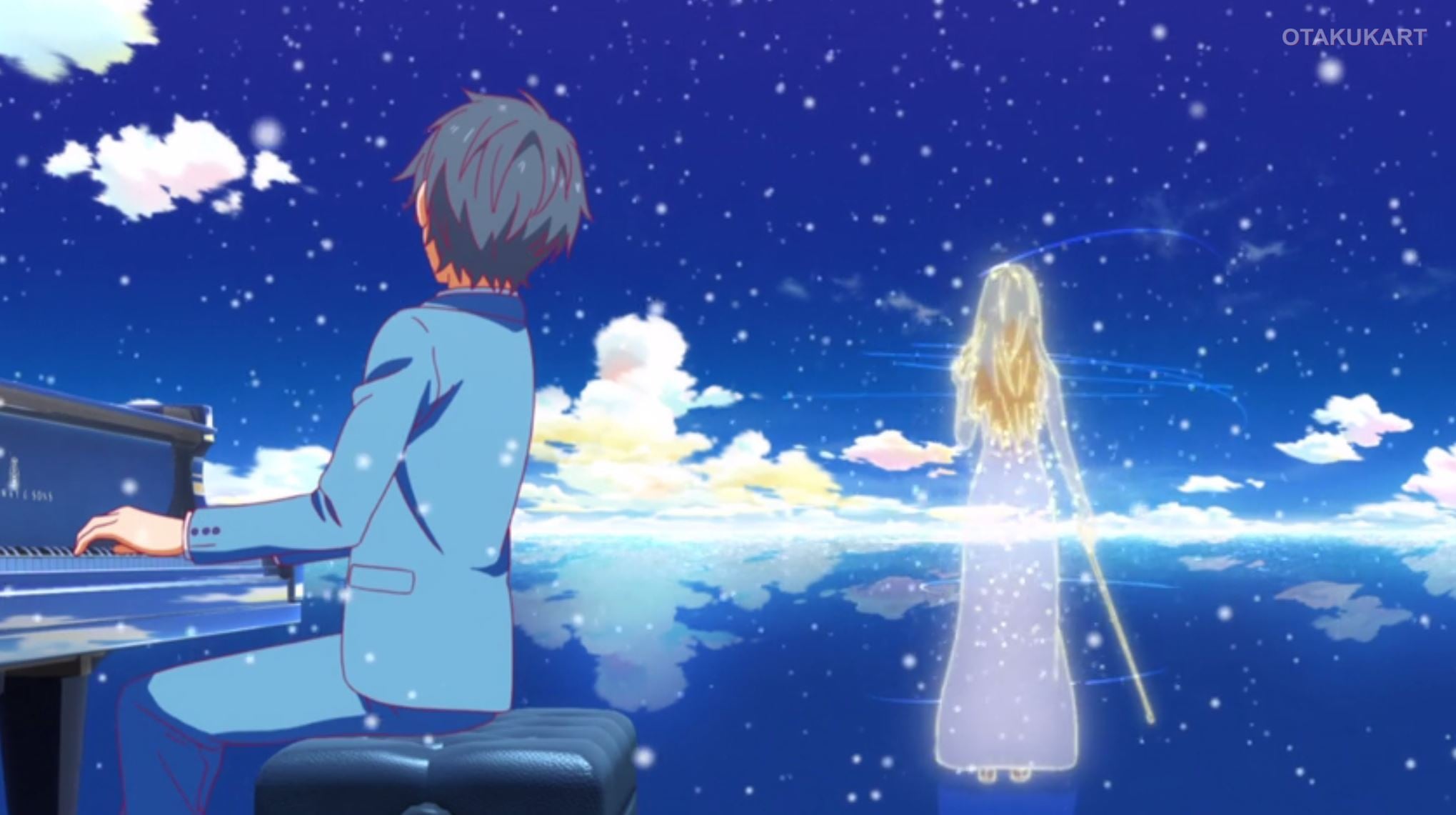
Rather than relying on a shocking twist, the letter rewards viewers who paid close attention to the story’s emotional details. Kaori knew her time was limited, yet she chose to spend it inspiring someone else instead of focusing on her own fears. That selflessness transforms her character into one of anime’s most memorable heroines and makes the ending even more heartbreaking during a second viewing.
The emotional impact is strengthened by the series’ stunning visual direction and unforgettable soundtrack. Every piano performance, every quiet conversation, and every shared smile gains additional significance after the truth is revealed.
5. Jiraiya’s Final Message (Naruto: Shippuden)
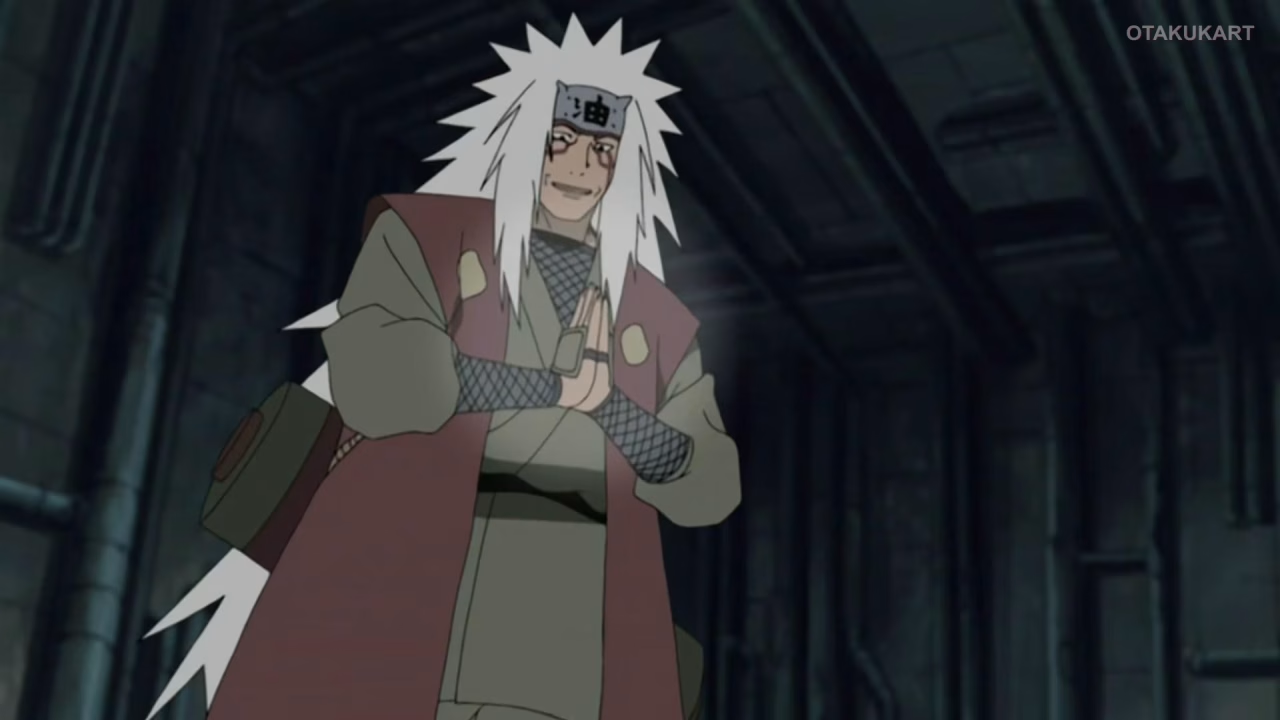
Jiraiya’s death is remembered as one of the defining moments of Naruto: Shippuden. Long before Naruto became one of the strongest ninjas in the Hidden Leaf Village, Jiraiya believed in his potential and dedicated years to training him. His personality, sense of humor, and unwavering optimism made him one of the franchise’s most beloved characters. That is exactly why his final battle against Pain continues to leave everyone heartbroken.
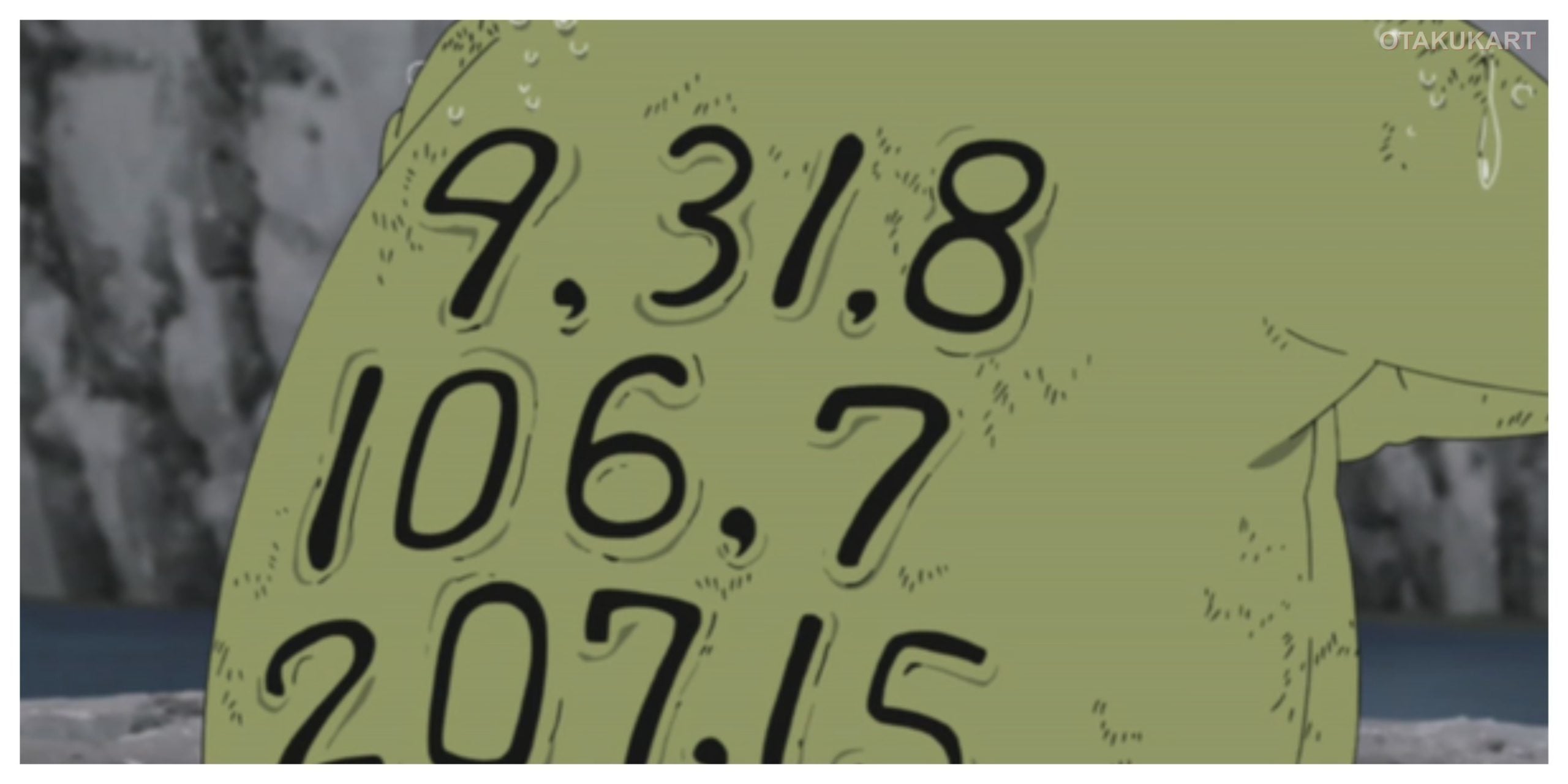
The fight itself is spectacular, but what truly gives the scene its emotional weight is everything happening beneath the action. Even after realizing he cannot win, Jiraiya refuses to retreat because discovering Pain’s identity is more important than saving himself. Every injury he suffers reminds viewers that he is sacrificing his life for the future of the village and the student he believes will change the world.
As he slowly sinks beneath the water, Jiraiya reflects on the people who shaped his life and the legacy he hopes to leave behind. His final thoughts are not filled with anger or regret. Instead, he remembers Naruto and finds comfort in believing that the next generation will accomplish what he never could. His determination to send one last coded message before dying ultimately becomes the key to defeating Pain later in the story.
6. The Truth Behind Itachi Uchiha (Naruto: Shippuden)
Following Itachi’s death, the series uncovers the secret mission he accepted years earlier. Rather than acting out of cruelty, he chose to sacrifice his reputation, his family, and ultimately his own life to prevent a civil war that could have destroyed the Hidden Leaf Village. Every decision he made was driven by the hope of protecting Sasuke, even if it meant becoming the person his brother hated the most.
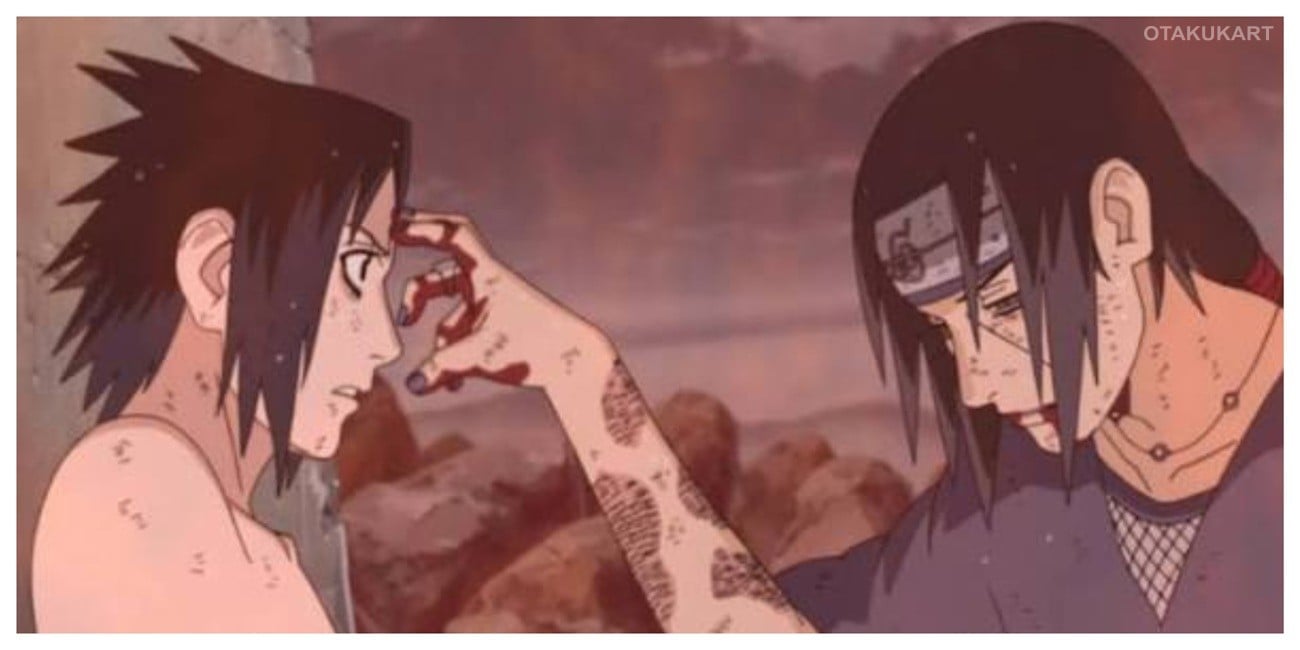
Looking back, countless scenes take on an entirely different meaning. Small gestures, quiet conversations, and even Itachi’s actions during their final battle reveal that he was never trying to destroy Sasuke. Instead, he was preparing him to become strong enough to survive without him. His final smile and gentle forehead tap have become one of the most iconic moments in anime because they express years of unspoken love in a single gesture.
7. Nina Tucker’s Tragic Fate (Fullmetal Alchemist: Brotherhood)
Nina is introduced as a cheerful young girl who quickly befriends Edward and Alphonse Elric. Her innocent personality and close relationship with her dog, Alexander, create a sense of warmth that makes audiences lower their guard. That comfort is shattered when her father, Shou Tucker, sacrifices both Nina and Alexander in a horrifying experiment to preserve his status as a State Alchemist.
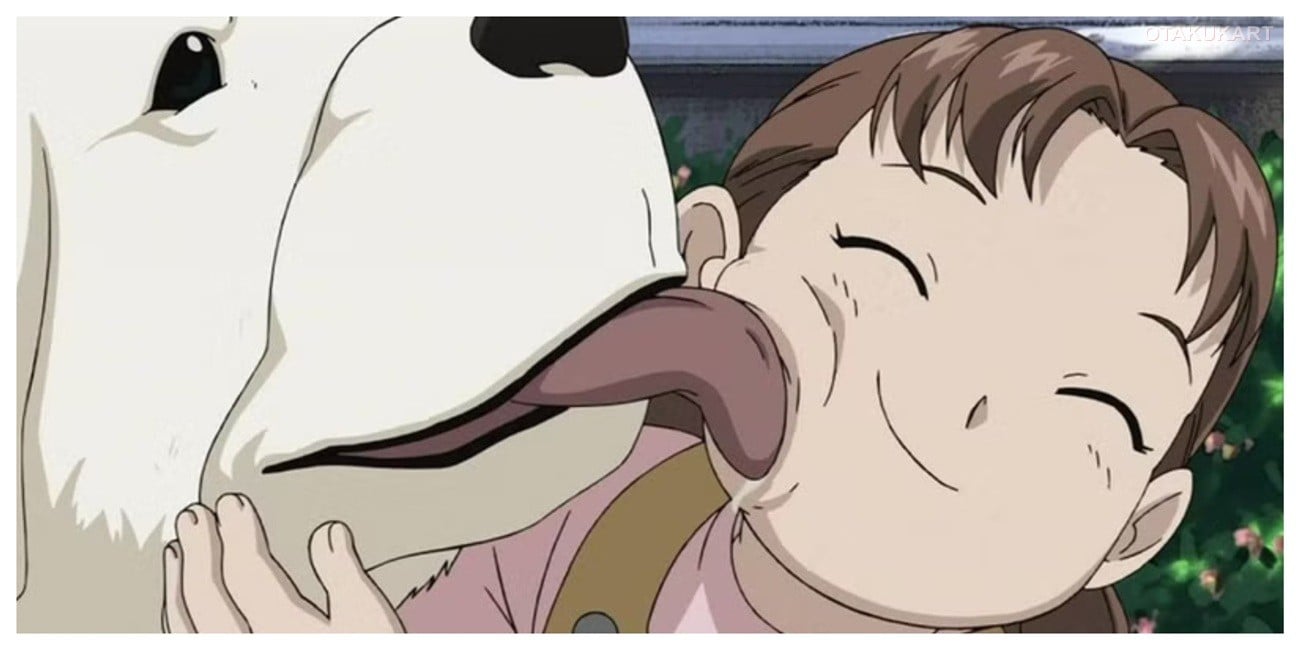
The series avoids graphic violence, making the scene even more disturbing. Nina’s confused attempts to speak and recognize Edward show that a frightened child still exists inside the monstrous creation. She has no understanding of what happened to her, leaving the audience to experience the horror on her behalf. Edward’s helpless reaction reflects exactly how viewers feel in that moment.
8. Erwin Smith’s Final Charge (Attack on Titan)
Facing the Beast Titan, Erwin understands that retreat is no longer an option. Instead of offering false hope, he openly admits that the charge ahead is essentially a suicide mission. Even so, he rides at the front of the formation, choosing to face death alongside the young recruits who trust him.
His speech before the attack has become one of the most memorable moments in anime because it captures both courage and despair without pretending the outcome will be anything other than tragic.
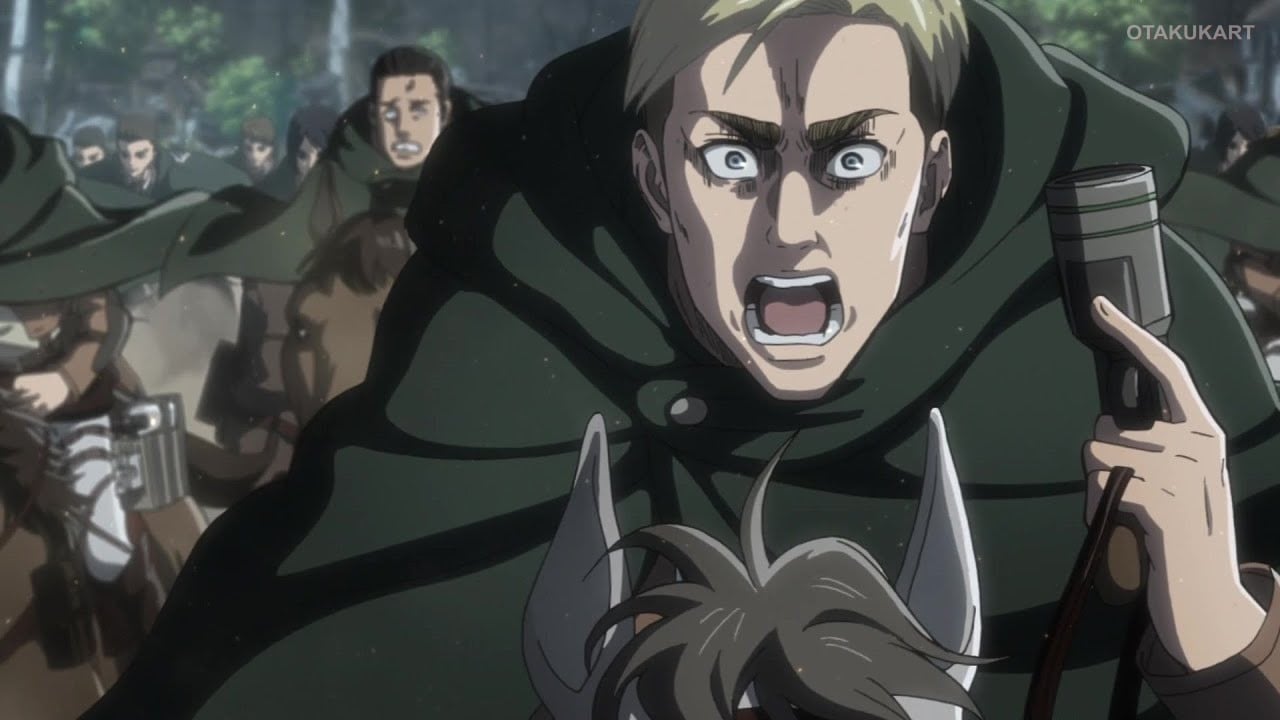
The emotional impact extends beyond Erwin’s sacrifice. After the battle, Levi is forced to decide whether to save Erwin or Armin using the only available Titan serum. There is no perfect answer, and the series refuses to present one. Viewers are left questioning whether choosing the legendary commander or the hopeful young strategist would truly have been the right decision.
9. The Final Goodbye at Eren’s Grave (Attack on Titan)
After countless battles, devastating losses, and endless conflict, Attack on Titan closes with a quiet visit to Eren Yeager’s grave. It is a simple scene with very little dialogue, yet it carries the emotional weight of everything that came before it.
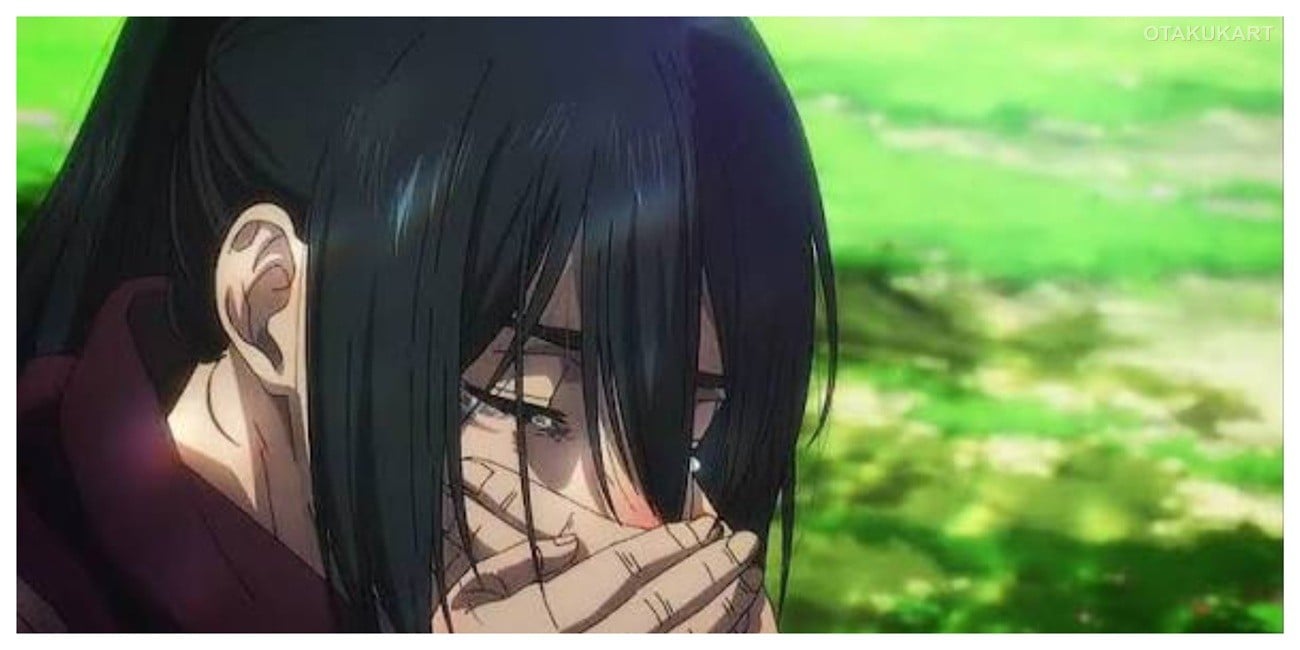
Throughout the series, viewers watched Eren transform from an idealistic boy determined to eliminate every Titan into one of anime’s most controversial protagonists. His choices divided friends, enemies, and even the fanbase itself. By the time the story reaches its end, no celebrations or dramatic speeches are waiting for the surviving characters. Instead, the focus shifts to those left behind and the emotional scars they must carry into the future.
Mikasa’s visit to Eren’s resting place is especially heartbreaking because it reflects both acceptance and lingering grief. She chooses to continue living while never forgetting the person who shaped her life. Armin and the remaining members of the Survey Corps also move forward, but the silence surrounding the scene makes it clear that victory came with an unimaginable cost. Rather than explaining every emotion through dialogue, the animation allows facial expressions, quiet music, and peaceful scenery to tell the story.
10. Spike Spiegel’s Final Walk (Cowboy Bebop)
Spike spends much of the series pretending that his past no longer matters, but his final decision proves otherwise. Instead of running away one last time, he chooses to confront Vicious and settle unfinished business, fully aware that he may never return. His farewell to the Bebop crew is subtle, with no dramatic declarations or emotional speeches. That restraint perfectly matches Spike’s personality and makes his final journey feel even more authentic
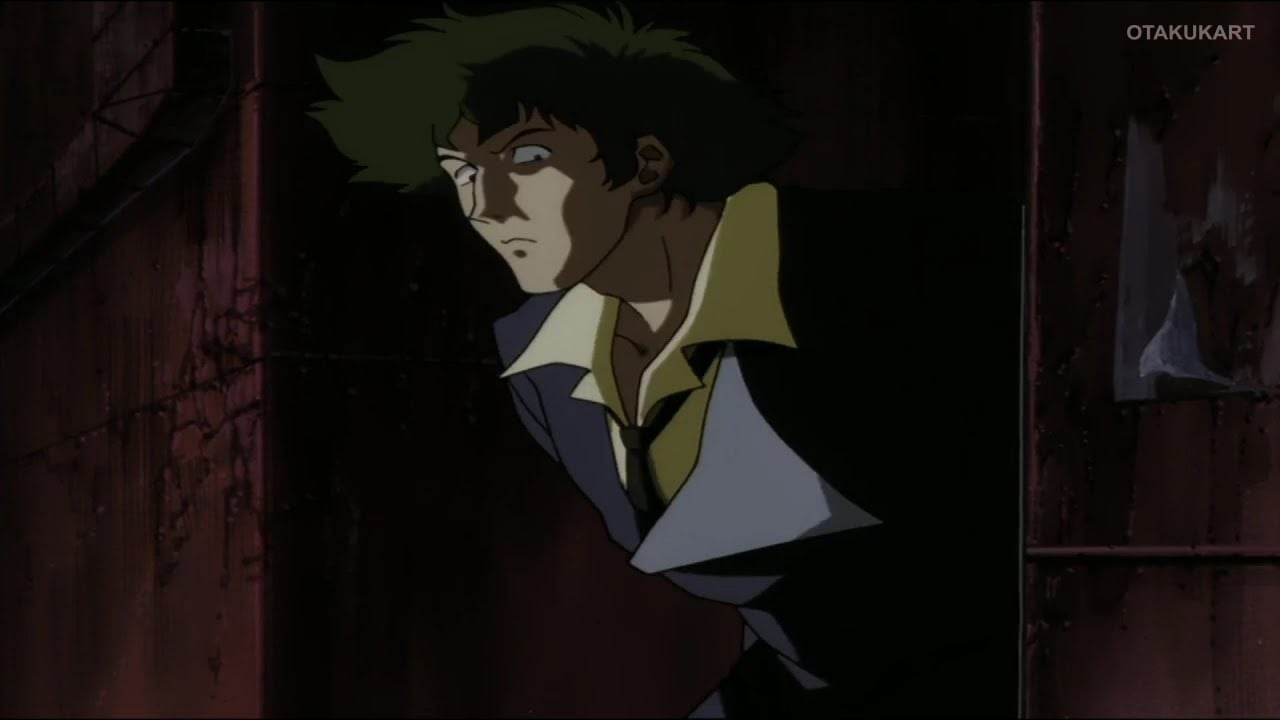
The confrontation itself delivers exciting action, but the true emotional power comes afterward. Wounded and exhausted, Spike slowly walks forward before collapsing with one final gesture that has become one of anime’s most recognizable images. The series never offers complete confirmation of his fate, leaving viewers to interpret the ending for themselves. That ambiguity has kept discussions alive for decades, with fans continuing to debate every detail of the final episode.
11. Lelouch’s Greatest Sacrifice (Code Geass)
The Zero Requiem plan is built on a simple but heartbreaking idea. Lelouch intentionally becomes the world’s greatest villain so humanity can unite against a common enemy. By allowing himself to be publicly killed, he hopes to erase years of hatred and create a future where peace has a chance to grow. It is a decision that requires him to give up everything, including his reputation, his happiness, and his life.
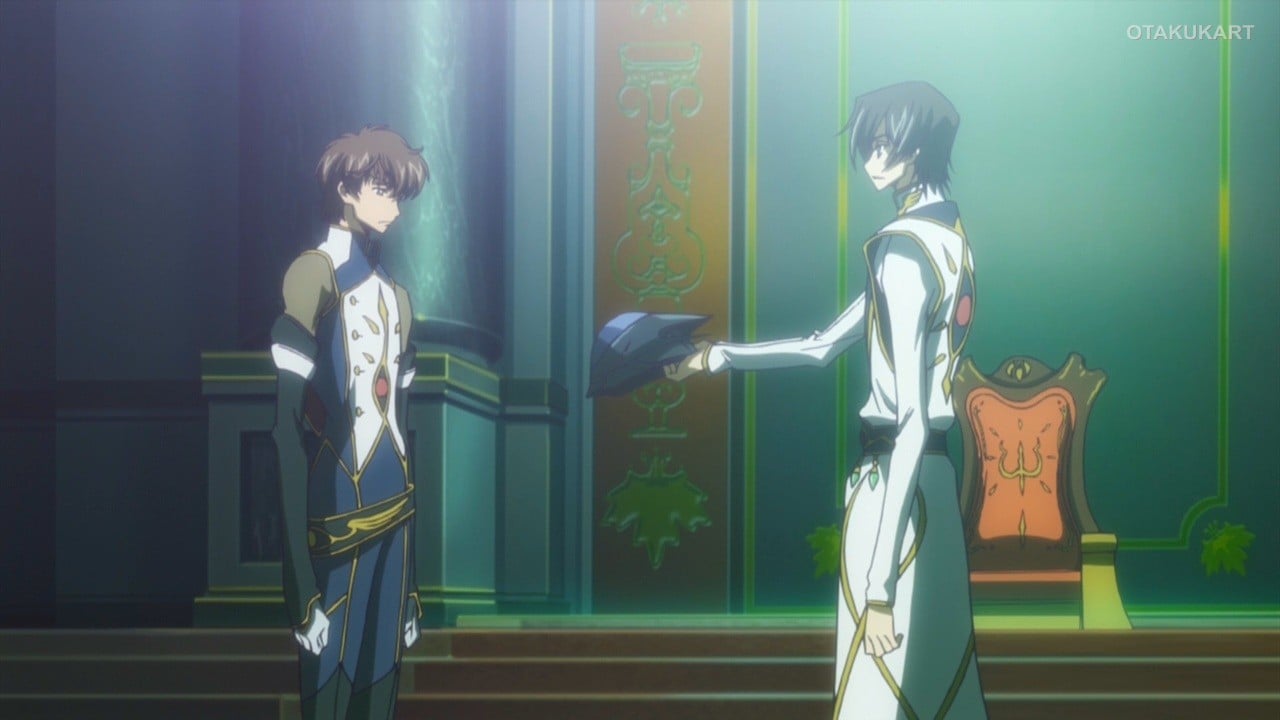
The emotional strength of the scene comes from the fact that almost nobody understands the truth. To the rest of the world, Lelouch dies as a ruthless tyrant. Only a handful of people know that he willingly accepted that role to save countless lives. His final smile during the assassination quietly reveals that his plan has succeeded, even if history will never remember him as a hero.
12. Violet Finally Understands Love (Violet Evergarden)
Every episode brings Violet closer to understanding love, grief, family, and hope through the letters she writes for other people. Along the way, viewers watch her slowly transform from someone who cannot express emotion into a compassionate young woman capable of helping others communicate feelings they cannot put into words themselves. That gradual growth makes the emotional payoff in the finale feel completely earned.
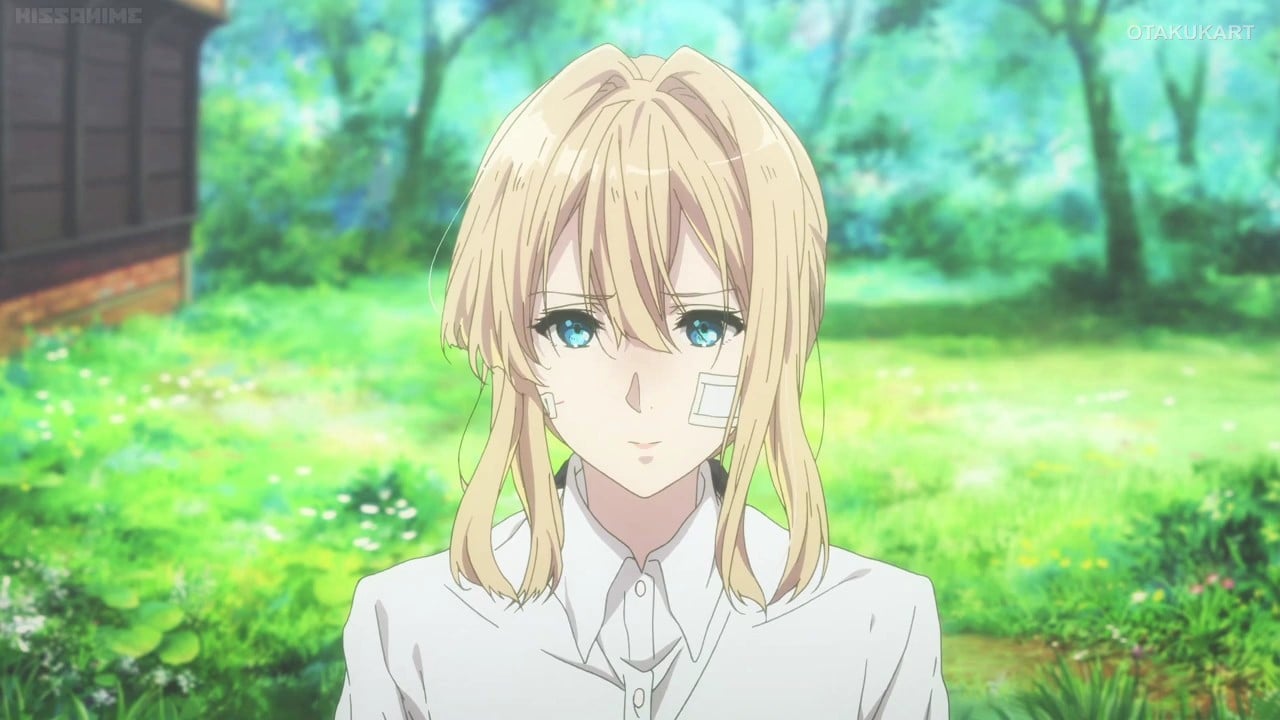
The reunion with Gilbert stands as one of the series’ most touching moments. After believing him dead for so long, Violet is finally able to face the person who changed her life forever. There are no lengthy speeches explaining every emotion. Instead, the animation, voice acting, and music allow the overwhelming relief and years of suppressed pain to speak for themselves. The quiet embrace carries more emotional weight than pages of dialogue ever could.
13. Shoya and Shoko’s Second Chance (A Silent Voice)
A Silent Voice reaches its emotional peak during Shoko’s suicide attempt. After believing she has become a burden to everyone around her, Shoko quietly decides to end her life. Shoya notices what is happening and rushes to save her, risking his own life in the process. The sequence is incredibly tense because it unfolds without exaggerated drama. Every second feels grounded, making the fear and desperation even more believable.
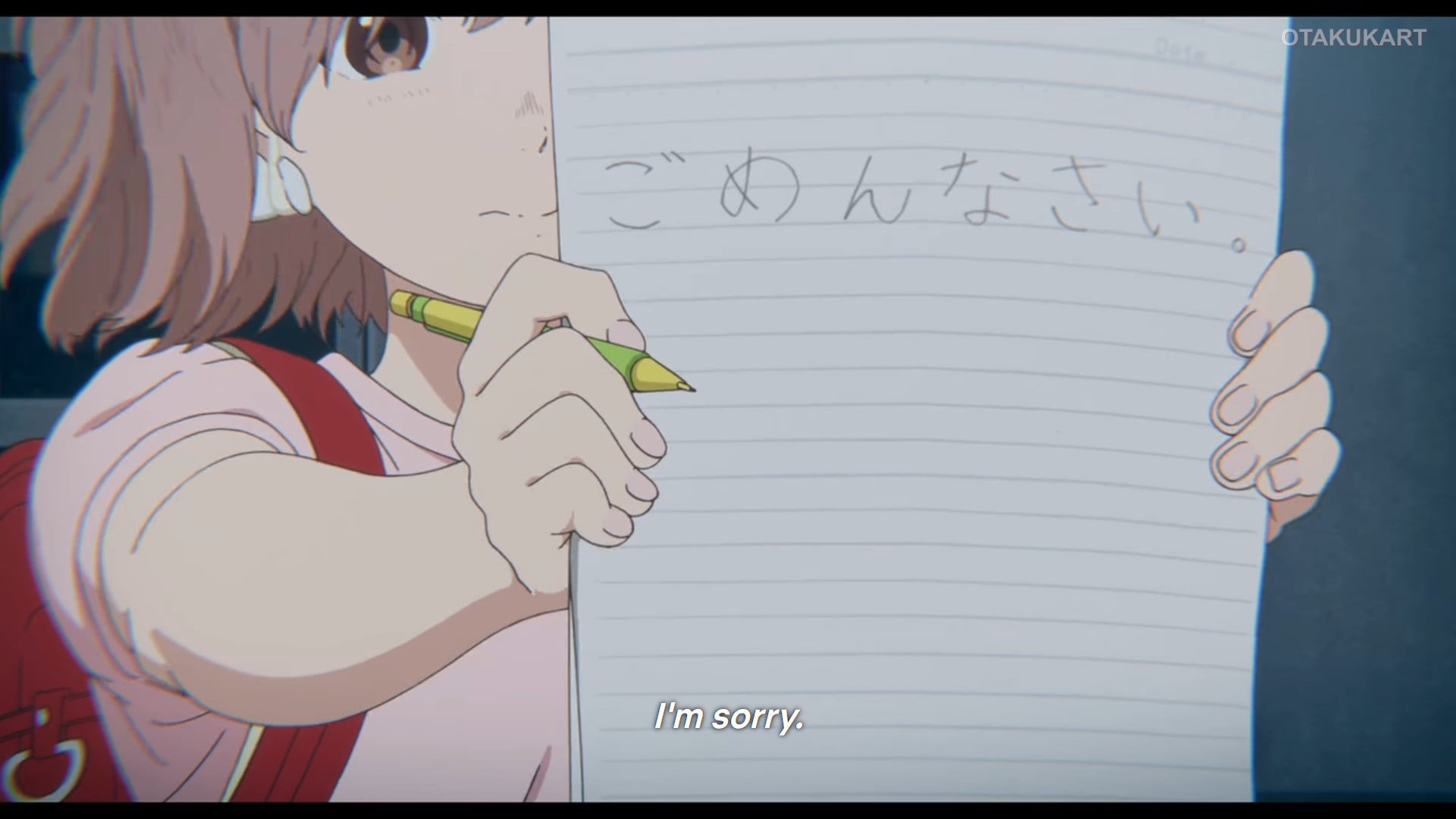
However, the emotional impact does not come from that single scene alone. It is the result of everything the audience has witnessed before it. Viewers have seen Shoya struggle with overwhelming guilt, social isolation, and self-hatred for years. They have also watched Shoko silently carry the emotional scars left by constant bullying while continuing to blame herself for other people’s pain. Their reunion represents two deeply broken people trying to forgive themselves as much as each other.
14. Mayuri’s Endless Deaths (Steins;Gate)
Mayuri Shiina’s death is not tragic simply because it happens once. It becomes unforgettable because Okabe is forced to witness it again and again across countless timelines. Each time he believes he has found a solution, fate finds another way to take her away. The repeated failures slowly destroy his confidence, leaving him physically and emotionally exhausted.
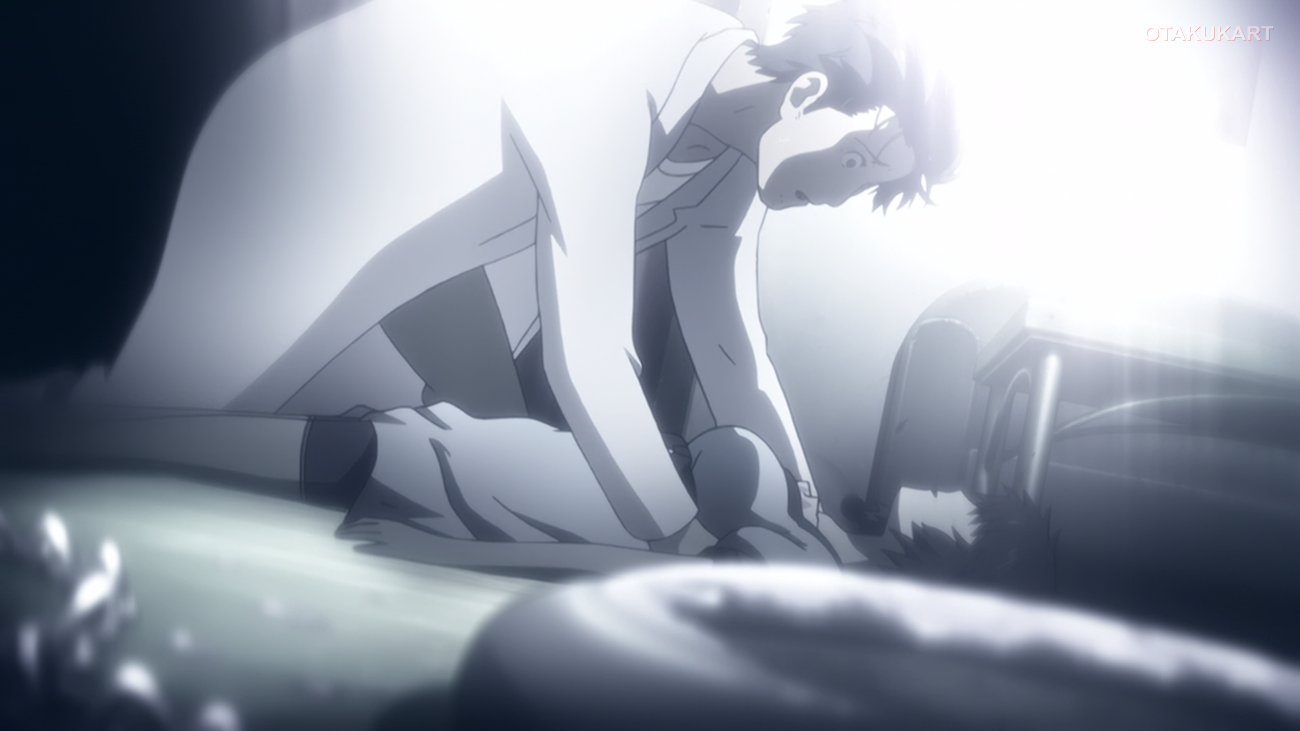
Watching Okabe break down is just as painful as witnessing Mayuri’s fate. The cheerful, eccentric young man introduced at the beginning of the series gradually disappears as guilt, hopelessness, and trauma consume him. Every failed attempt adds another emotional scar, making viewers feel the same frustration and despair that he experiences. Few anime portray psychological exhaustion with the same level of consistency.
Fans frequently praise Steins;Gate for using its time travel mechanics to strengthen its emotional storytelling rather than simply creating plot twists. The repeated tragedies are not included for shock value. Instead, they demonstrate the heavy burden of carrying memories that nobody else shares. Okabe alone remembers every failure, every goodbye, and every timeline that no longer exists.
15. Lucy’s Uncertain Farewell (Elfen Lied)
As the series approaches its finale, Lucy struggles between two sides of herself. One is the ruthless personality responsible for countless deaths, while the other is Nyu, the gentle and childlike identity created to escape years of suffering. This internal conflict gives the ending far more emotional depth than a typical action finale.
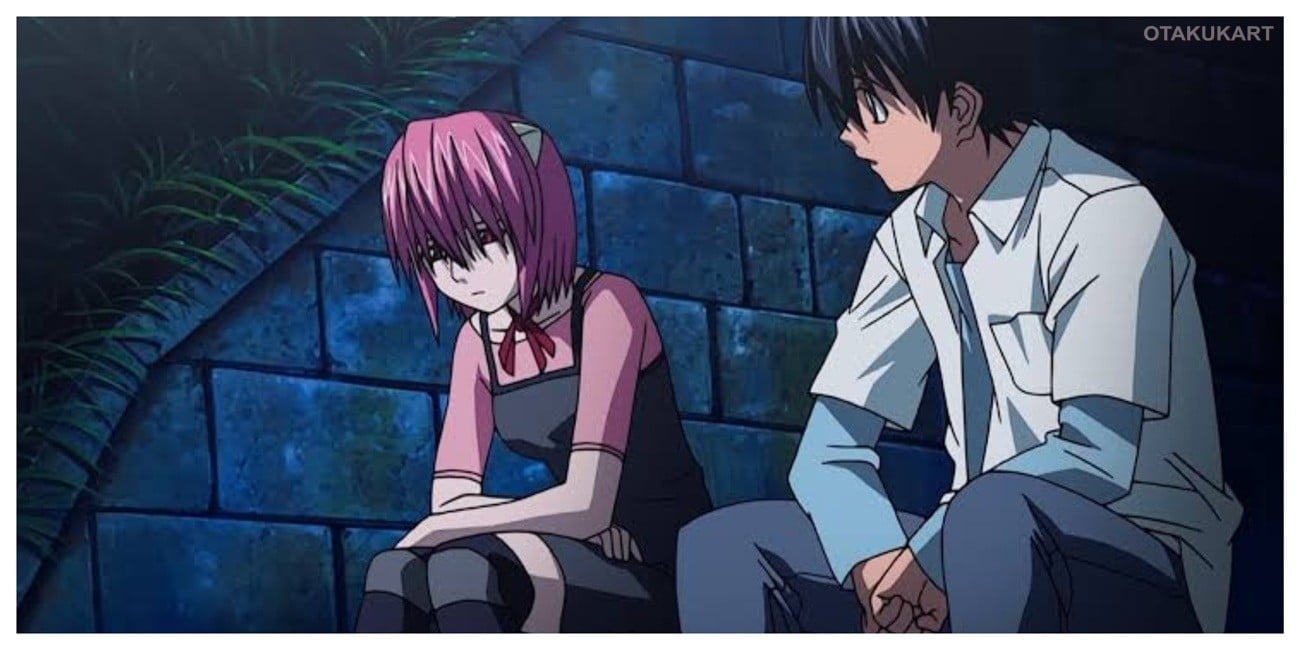
The final scenes refuse to provide complete answers about Lucy’s fate. Instead of delivering a clear end, the anime leaves viewers with quiet uncertainty. That ambiguity has fueled discussions among fans for years, with many interpreting the ending in different ways. Rather than feeling incomplete, the open ending reflects the complicated nature of Lucy’s life, where happiness and tragedy were always intertwined.
Despite the series’ controversial reputation, many fans agree that Lucy’s story remains one of anime’s most heartbreaking character arcs. Her greatest wish was never power or revenge. She wanted to be accepted by someone who saw her as a human being instead of a monster. That desire makes her final moments surprisingly emotional.
16. A Mother’s Hardest Goodbye (Wolf Children)
For years, Hana has dedicated every part of her life to protecting Ame and Yuki while helping them discover who they truly want to become. She sacrifices her career, her social life, and her own happiness without expecting anything in return. Watching her overcome countless hardships already makes her one of anime’s most inspiring parents.
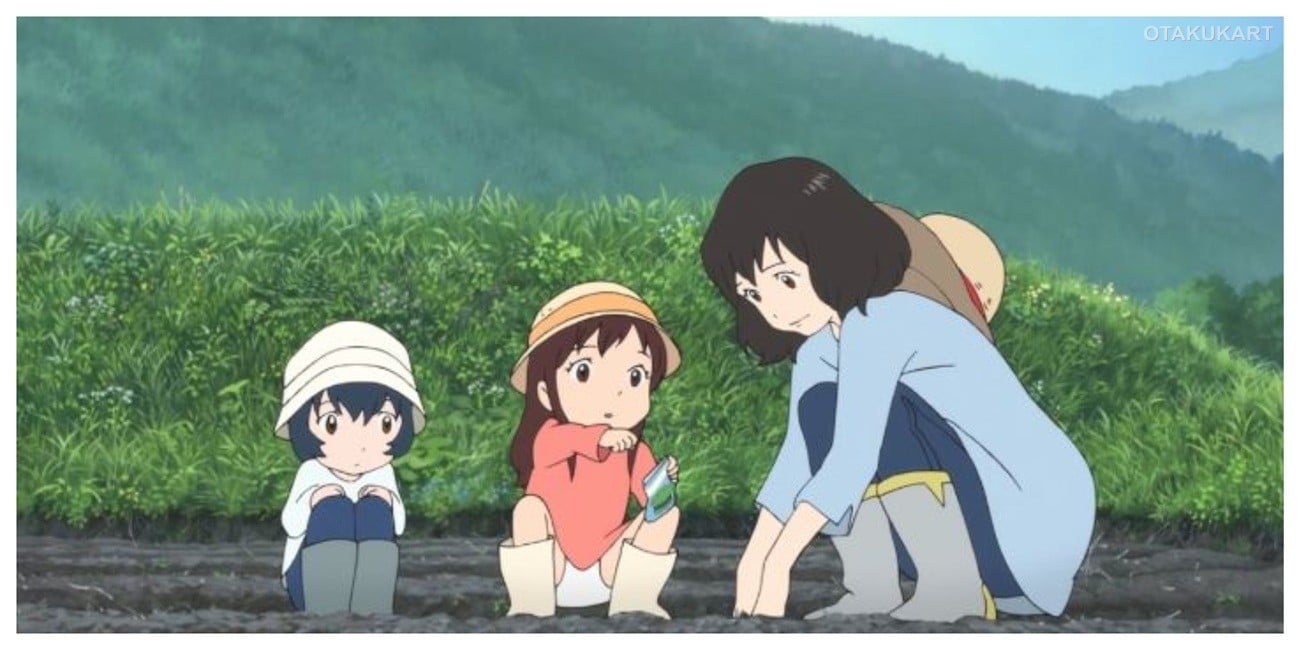
The emotional climax arrives when Ame decides to leave the human world behind and embrace life as a wolf. Hana understands that stopping him would mean denying the person he has become, yet accepting his decision means letting her son disappear into a life where she may never see him again. There is no dramatic argument or emotional confrontation. Instead, the scene quietly captures the painful reality that every parent eventually faces. Children grow up, make their own choices, and begin lives beyond their family’s control.
Wolf Children continues to receive widespread praise for presenting family relationships with honesty and emotional maturity. Hana’s goodbye is not about losing her son forever. It is about accepting that true love sometimes means allowing someone to follow their own path, even when it hurts. That powerful message has made this one of the most emotional parent-child moments in anime and a scene that continues to resonate with audiences years after the film’s release.
17. A Love That Slipped Away (5 Centimeters per Second)
The film revolves around Takaki Tono and Akari Shinohara, childhood friends whose bond slowly weakens as distance and time separate them. Their feelings never truly disappear, but every passing year creates another obstacle between them. Rather than relying on dramatic conflicts or misunderstandings, the film focuses on something far more relatable. Sometimes people grow in different directions despite wanting the same future.
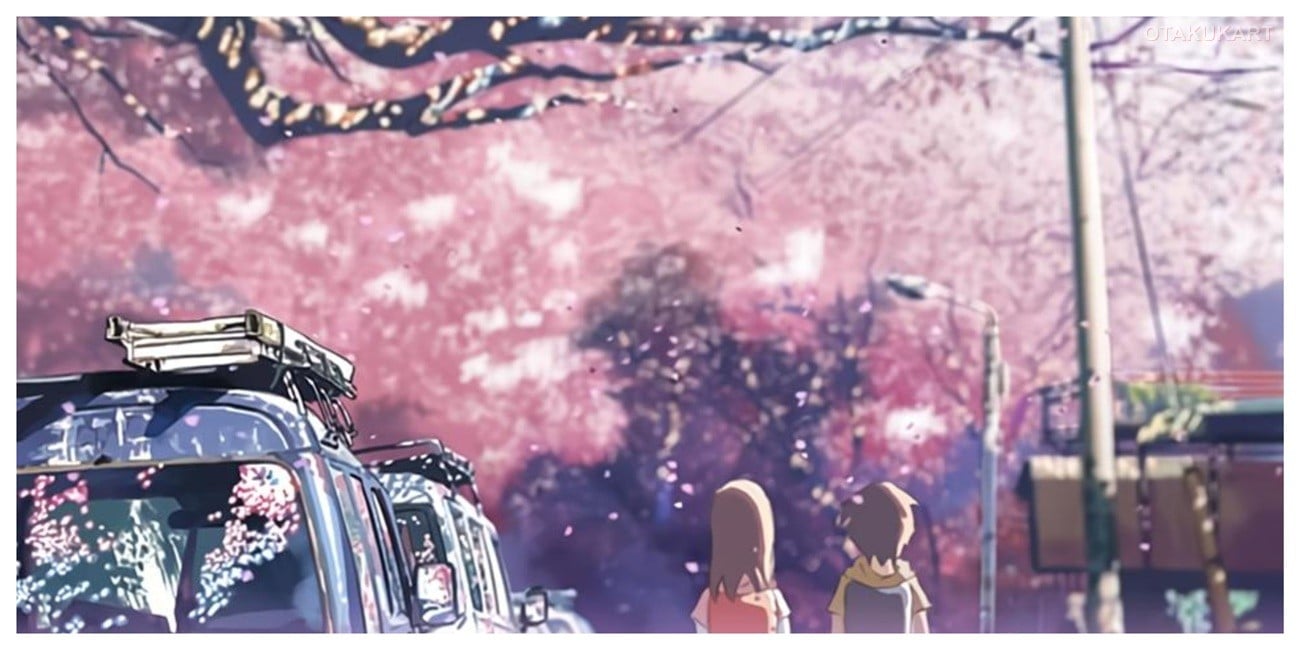
The final train crossing scene has become one of the most discussed endings in anime. As adults, Takaki and Akari unknowingly pass each other one last time. For a brief moment, it feels as though fate might finally bring them together. Then a passing train blocks their view, and when it clears, Akari has already walked away. There is no confession, no emotional reunion, and no dramatic farewell. The opportunity quietly disappears, just as countless real-life relationships do.
That understated ending is exactly why the film continues to resonate with audiences. Many viewers see parts of their own lives reflected in Takaki’s story, whether through missed opportunities, long-distance relationships, or wondering what happened to someone who was once incredibly important. The emotions feel genuine because the film refuses to provide easy answers or unrealistic happy endings.
18. Nanachi’s Heartbreaking Past (Made in Abyss)
Nanachi was once an ordinary child exploring the mysterious Abyss alongside Mitty. Their lives changed forever after becoming victims of cruel human experimentation conducted by Bondrewd. Forced to endure the Abyss’s devastating curse, Nanachi survived while Mitty was transformed into an immortal creature trapped in endless suffering. Although Mitty remained alive, the friend Nanachi once knew was gone forever.
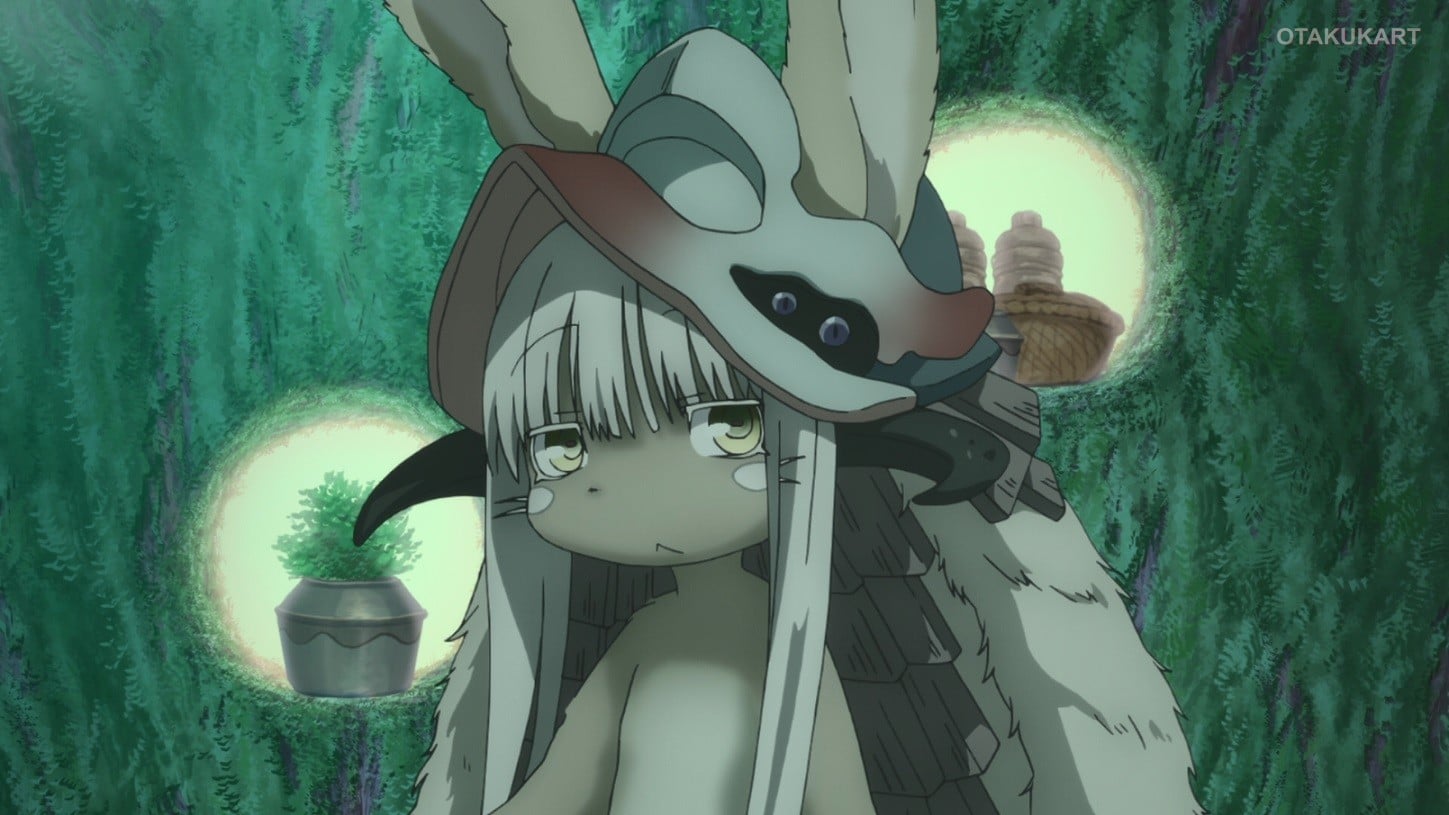
For years, Nanachi devoted every day to caring for Mitty despite knowing there was no cure. That unwavering loyalty makes the eventual farewell incredibly painful. When Reg finally grants Mitty a peaceful end, Nanachi experiences both overwhelming grief and quiet relief. The emotional conflict is what makes the scene so unforgettable. Saying goodbye hurts, but continuing to watch a loved one suffer can be even more heartbreaking.
The series avoids presenting this moment as a simple tragedy. Instead, it explores themes of compassion, sacrifice, and the emotional burden of making impossible decisions. Viewers understand why Nanachi struggled to let go, making the farewell feel deeply personal rather than purely shocking.
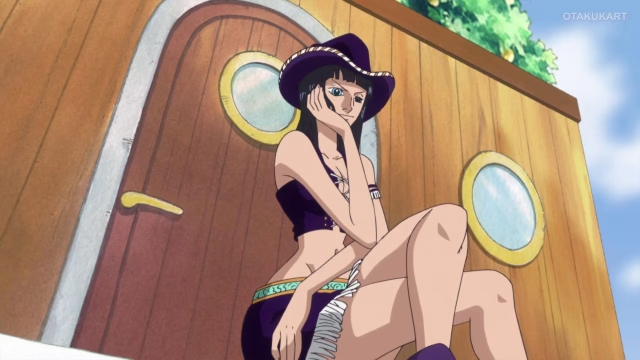
19. The Going Merry’s Final Voyage (One Piece)
From the beginning of their journey, the Going Merry was more than transportation. It witnessed every victory, every defeat, and every dream the crew shared. As the ship suffered increasing damage, the Straw Hats refused to give up on it, hoping it could somehow continue sailing despite its condition. Eventually, they were forced to accept a painful truth. The Merry could no longer protect the people it had faithfully carried across the sea.
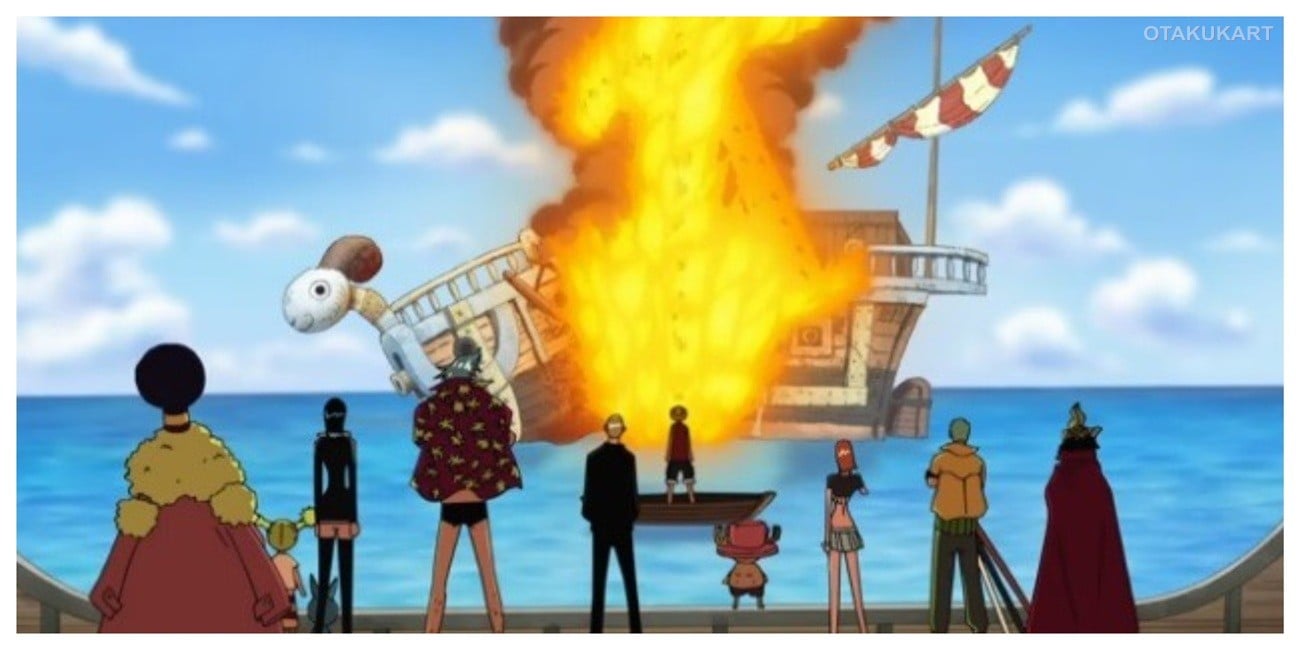
The Viking funeral that follows is unforgettable because of its emotional restraint. As flames slowly consume the ship, the crew openly mourns a companion who had become part of their family. The scene reaches its emotional peak when the Going Merry seemingly speaks one final time, thanking everyone for allowing it to be part of their journey. Rather than feeling unbelievable, the moment perfectly reflects the emotional bond the series spent hundreds of episodes building.