For years, the Big Three have been used as a symbol of anime’s golden era. Naruto, One Piece, and Bleach are often remembered for their massive popularity, record-breaking manga sales, and long-running television adaptations. While nostalgia continues to fuel conversations around these series, their greatest achievement goes far beyond memorable fights or iconic transformations. Each franchise introduced characters whose emotional depth and personal journeys continue to resonate with fans long after their stories first appeared.
These are the 18 Big Three characters whose writing has stood the test of time and continues to represent some of the strongest character work in shonen anime and manga.
1. Itachi Uchiha (Naruto)
Few characters in shonen anime have experienced a greater shift in public perception than Itachi Uchiha. When he first appeared, he seemed the definition of a cold and ruthless villain. His calm personality, incredible strength, and willingness to commit unforgivable acts made him one of the most feared characters. For years, fans viewed him as someone driven only by cruelty. As the series progressed, however, new information completely transformed that image and elevated Itachi into one of the most respected characters in anime.

What makes Itachi’s writing so effective is how every major revelation reshapes earlier moments without contradicting them. His actions, conversations, and even his silence gain entirely new meaning once his true motivations become clear. Instead of relying on a sudden twist for shock value, the story carefully recontextualizes years of storytelling, rewarding audiences who paid close attention to his behavior.
Another reason Itachi remains so highly regarded is his emotional complexity. He constantly carries the burden of making impossible decisions while accepting that history will remember him as a villain. Rather than seeking recognition or forgiveness, he chooses to shoulder responsibility alone, creating a character driven more by duty than personal gain. That quiet sacrifice gives his story lasting emotional weight.
2. Nagato Uzumaki (Pain) (Naruto)
Nagato Uzumaki stands as one of Naruto’s strongest examples of a villain whose beliefs challenge both the protagonist and the audience. Rather than seeking destruction for personal satisfaction, his actions are rooted in a worldview shaped by years of conflict and suffering. His philosophy forces viewers to consider difficult questions about revenge, justice, and whether lasting peace can ever be achieved through violence.

Every major decision reflects the experiences that shaped him, making his perspective believable even when his actions become impossible to defend. Instead of presenting a simple battle between good and evil, the series creates a conflict between two opposing visions for ending endless hatred. This approach gives their confrontation emotional and philosophical significance beyond a typical shonen showdown.
Nagato also succeeds because he represents the devastating consequences of losing hope. His transformation from an optimistic dreamer into someone convinced that suffering is the only path toward peace feels gradual and emotionally grounded.
3. Ulquiorra Cifer (Bleach)
Ulquiorra Cifer remains one of Bleach’s most fascinating characters because his appeal comes from subtle writing rather than dramatic speeches or emotional outbursts. Unlike many anime villains who rely on overwhelming confidence or personal hatred, Ulquiorra approaches every situation with calm curiosity. His detached personality immediately separates him from the rest of the Espada, creating an unsettling presence that makes every appearance memorable.
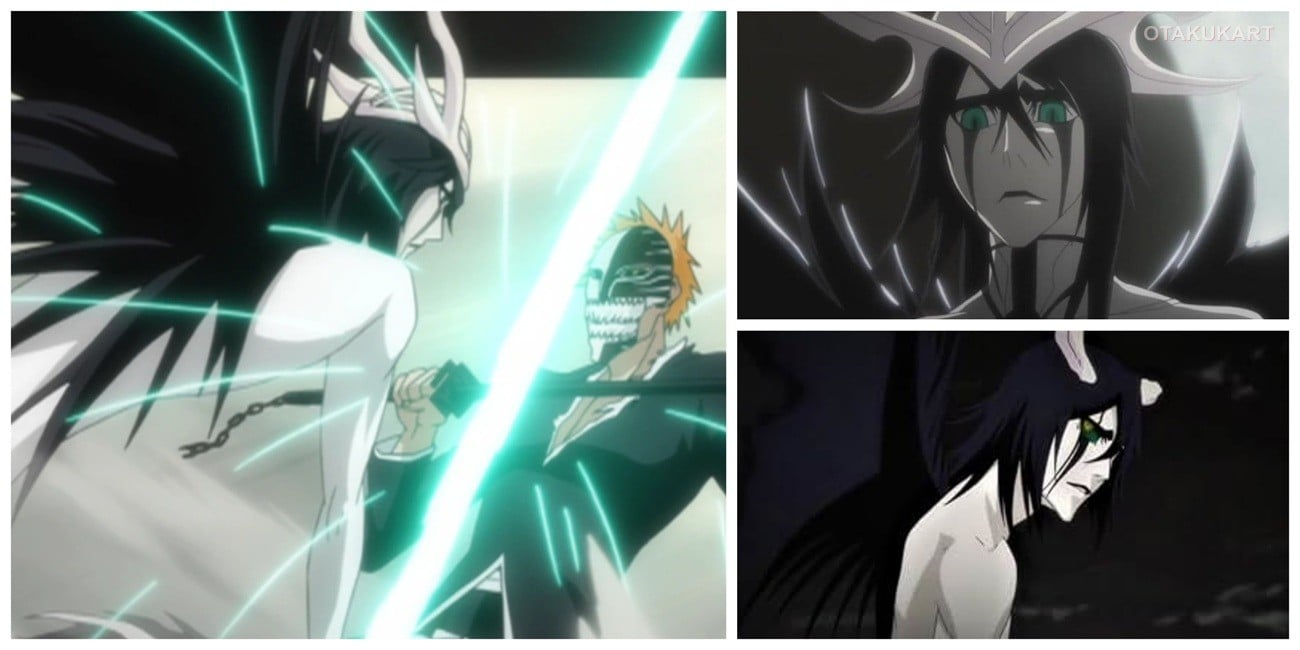
The foundation of his character is built around emotional emptiness. Throughout the series, Ulquiorra struggles to understand concepts such as trust, compassion, and human connection. Instead of mocking these emotions, he genuinely questions whether they have any real meaning. This philosophical conflict gives his character an identity that extends far beyond physical battles.
Ulquiorra proves that compelling character writing does not always require lengthy backstories or dramatic transformations. Sometimes the most memorable characters are those whose quiet internal struggles leave audiences thinking long after the story ends.
4. Donquixote Doflamingo (One Piece)
Donquixote Doflamingo is widely considered one of the greatest villains in One Piece because his character combines charisma, intelligence, and psychological depth. From the moment he appears, he commands attention with confidence and unpredictability, but what truly elevates his writing is the way his worldview reflects the experiences that shaped him. Rather than becoming a memorable antagonist through strength alone, Doflamingo leaves a lasting impression because his beliefs remain frighteningly coherent.
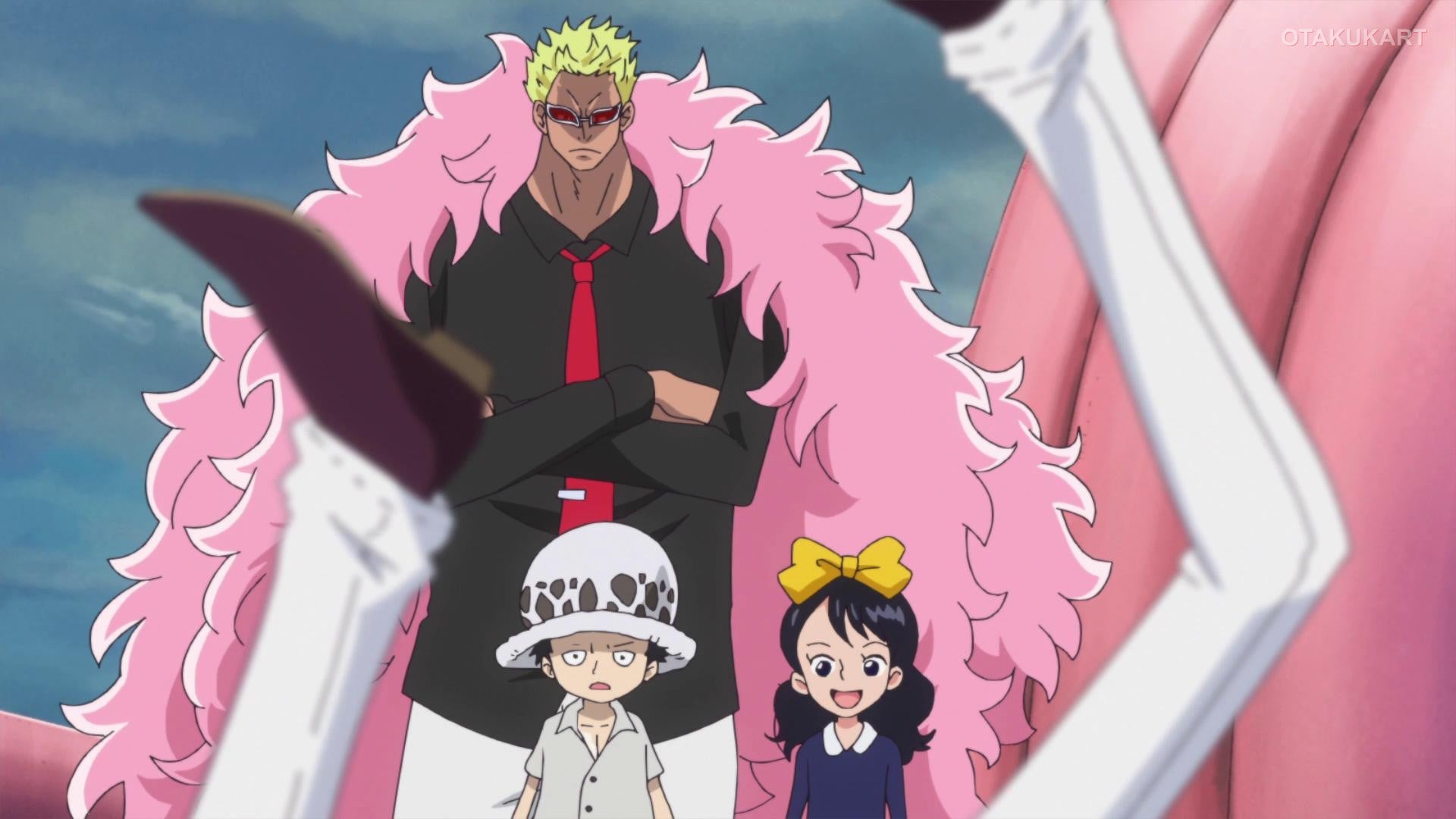
His philosophy centers on the idea that society is divided between those who hold power and those who are forced to live beneath it. Instead of pretending the world is fair, Doflamingo openly embraces its cruelty and believes that survival belongs only to those willing to seize control. This perspective creates an antagonist whose actions feel driven by conviction rather than simple malice.
Another reason his writing continues to receive praise is the balance between explanation and accountability. The series provides enough background to help audiences understand how his personality developed without asking them to excuse his choices. His past adds emotional context while ensuring he remains responsible for every decision he makes.
5. Jiraiya (Naruto)
Jiraiya is often remembered as one of Naruto’s funniest and most entertaining characters, but his popularity comes from much more than comic relief. Beneath his carefree personality is a man who spent much of his life carrying disappointment, regret, and the hope that future generations could succeed where he had fallen short. His emotional complexity makes him one of the finest mentor figures in shonen anime, and his influence continues long after his journey reaches its end.

Jiraiya’s character stands out due to the balance between his cheerful personality and the emotional burdens he carries. He often appears confident, humorous, and carefree, but the series gradually reveals the painful experiences that shaped his outlook on life. Instead of letting disappointment and loss define him, Jiraiya continues to look ahead with hope.
His relationship with Naruto also stands out because it develops naturally over time. Instead of simply teaching combat techniques, Jiraiya provides guidance, encouragement, and life lessons that help shape Naruto’s outlook on responsibility and perseverance. Their bond feels authentic because it grows through shared experiences rather than dramatic speeches alone.
6. Haku (Naruto)
Although Haku appears early in Naruto and has relatively limited screen time, the character continues to be praised as one of the series’ strongest examples of emotional storytelling. Long before the franchise expanded into large-scale conflicts and world-changing battles, Haku demonstrated that even supporting characters could leave a lasting impression through thoughtful writing and genuine emotional depth.
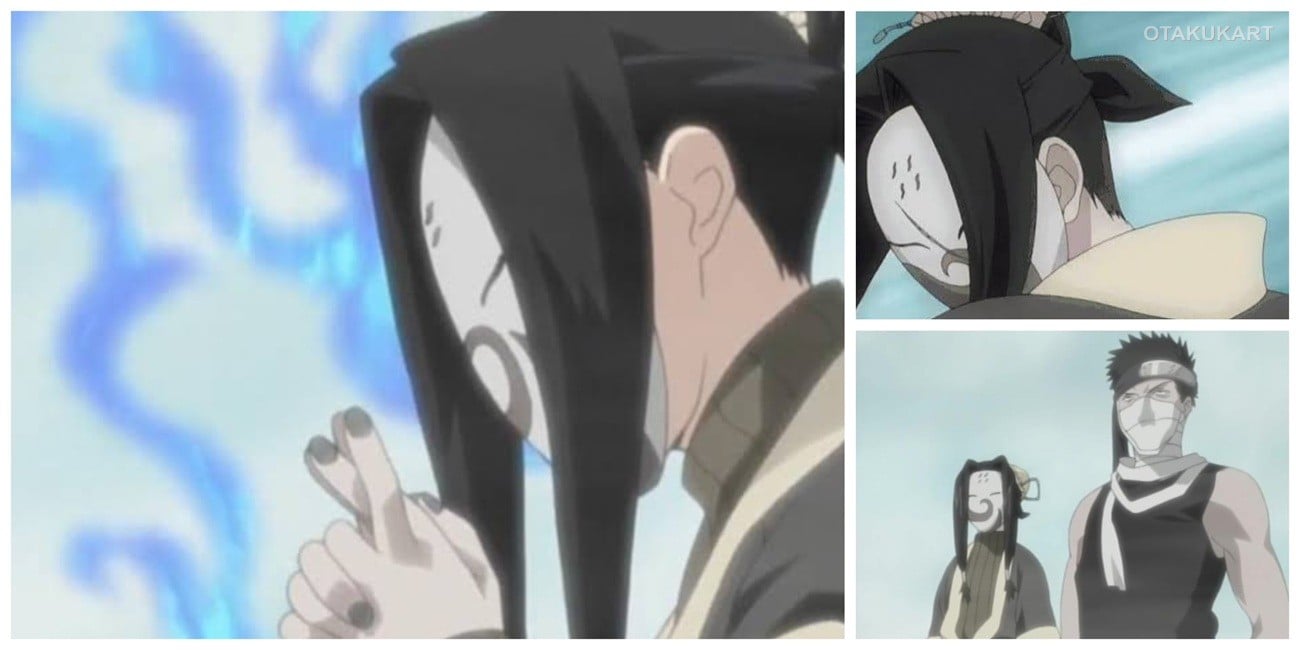
What makes Haku memorable is the simplicity of the character’s motivation. Rather than pursuing personal ambition or revenge, Haku finds purpose through loyalty and gratitude. This straightforward goal creates an emotional foundation that feels believable, allowing audiences to sympathize with difficult choices even when they disagree with them.
Another reason Haku remains widely respected is the way the character challenges traditional ideas about heroes and villains. Instead of presenting conflict as a battle between good and evil, the series introduces someone whose circumstances shaped every major decision. This nuanced approach encouraged readers to question first impressions and recognize that compassion often exists on both sides of a conflict.
Despite appearing in only one major storyline, Haku’s influence extends throughout the series. Many fans still point to this early arc as the moment Naruto established its commitment to emotionally driven storytelling. Character analysis videos and retrospective discussions frequently mention Haku as proof that meaningful writing does not require hundreds of chapters.
7. Sabo (One Piece)
Sabo occupies a unique place in One Piece because much of his emotional importance is built through memories, flashbacks, and the lasting influence he has on other characters. Although he spends long periods away from the main storyline, his presence continues to shape some of the series’ most emotional moments. This careful approach to storytelling demonstrates Eiichiro Oda’s ability to create meaningful characters without relying solely on constant screen time.

Sabo’s connections with Luffy and Ace create an emotional foundation that strengthens multiple story arcs. Rather than existing simply to support another character’s development, Sabo becomes an essential part of one of One Piece’s most heartfelt family dynamics.
His writing also benefits from gradual reveals. Instead of explaining every detail immediately, the series slowly expands his importance through carefully placed flashbacks and later developments. This method allows audiences to appreciate his role more deeply with each new revelation, making his character feel increasingly significant over time.
Sabo’s popularity has continued to grow because fans recognize how effectively his story complements the broader themes of freedom, brotherhood, and inherited dreams. His journey reflects the idea that emotional bonds can remain powerful regardless of distance or time.
8. Trafalgar D. Water Law (One Piece)
Trafalgar Law quickly became one of One Piece’s most popular characters thanks to his calm personality, unique abilities, and strategic intelligence. However, his lasting popularity is rooted in something much deeper than stylish action scenes. As the series gradually explores his past, Law transforms from a mysterious ally into one of the franchise’s most emotionally complex characters.

At first, Law’s reserved nature and calculated decisions make him appear emotionally distant. Later revelations provide meaningful context for his behavior, allowing readers to understand the painful experiences that shaped his outlook on life. Rather than changing who he is, these details deepen the audience’s understanding of his choices.
His personal history also strengthens several of One Piece’s recurring themes, including resilience, hope, and the lasting influence of compassion. The relationships that define Law’s early life continue to affect his decisions long after those moments have passed, giving his character remarkable emotional consistency throughout the series.
9. Obito Uchiha (Naruto)
Obito Uchiha remains one of the most debated characters in Naruto because his story deliberately refuses to provide easy answers. Some fans view his redemption as one of the series’ greatest emotional achievements, while others believe his actions are too severe to forgive. That ongoing debate highlights the strength of his writing.
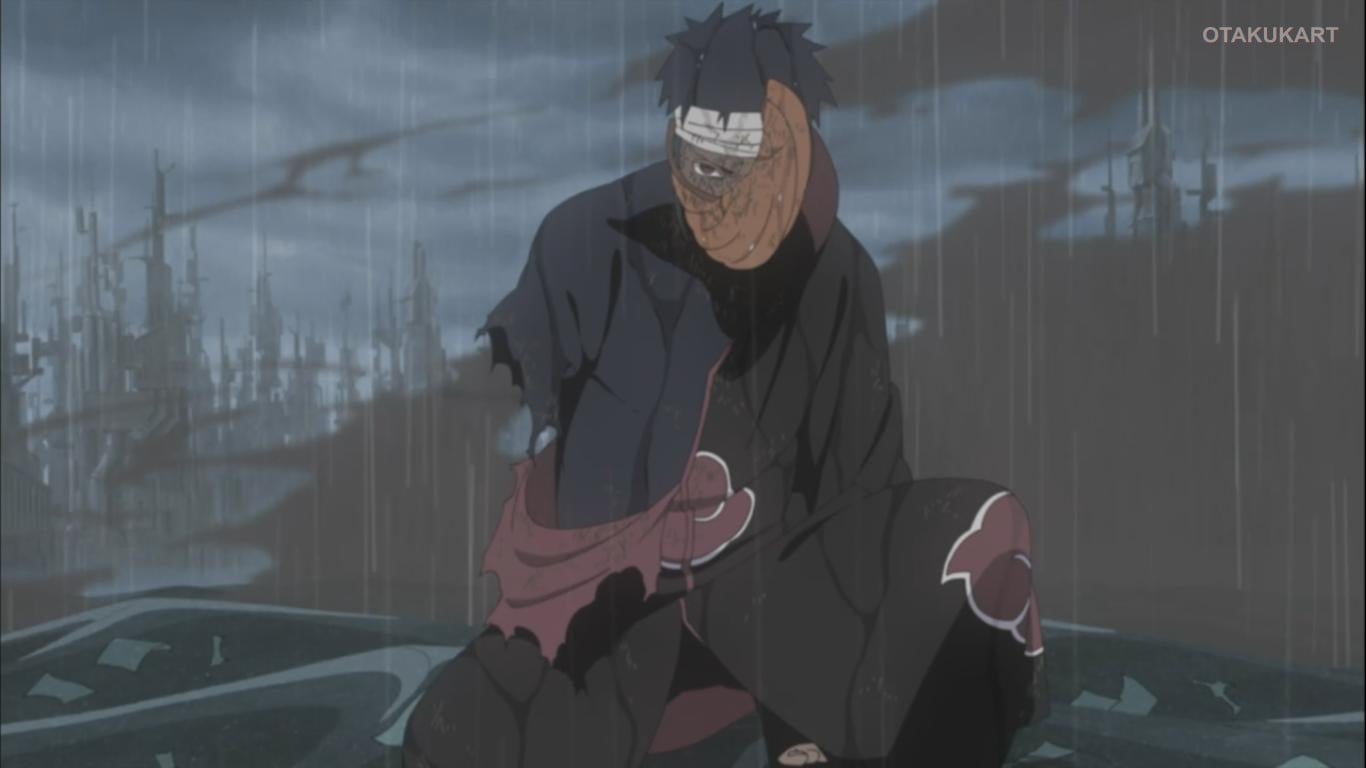
His character arc explores how grief, isolation, and shattered ideals can completely transform a person’s identity. Rather than presenting evil as something that appears overnight, the series gradually illustrates how repeated emotional trauma can reshape someone’s worldview. This careful progression makes his choices understandable without asking audiences to approve of them.
Another reason Obito remains compelling is the contrast between who he once hoped to become and who he eventually became. That conflict forms the emotional core of his character and gives his later decisions far greater weight. Instead of relying on dramatic speeches, much of his development is communicated through reflection, regret, and difficult personal realizations.
10. Gaara (Naruto)
Gaara’s transformation is widely regarded as one of the most satisfying redemption arcs in shonen anime. Introduced as a ruthless and emotionally unstable opponent, he initially appears beyond saving. As the series develops, however, Naruto carefully reveals the loneliness and rejection that shaped his personality, allowing readers to understand the pain hidden beneath his violent behavior. This gradual change remains one of the franchise’s greatest storytelling achievements.

The strength of Gaara’s writing lies in its realism. His growth does not happen instantly, nor does it erase the emotional damage he experienced throughout childhood. Instead, every stage of his development reflects a slow rebuilding of trust, purpose, and self-worth. That measured progression makes his evolution feel believable rather than forced.
His relationship with Naruto also plays an important role without overshadowing his personal journey. Instead of simply copying Naruto’s ideals, Gaara learns to develop his own understanding of leadership, compassion, and responsibility. This distinction helps his character feel independent while reinforcing the series’ broader themes of perseverance and human connection.
Years after Naruto ended, Gaara remains one of the franchise’s most admired characters. His story demonstrates that genuine change requires time, self-reflection, and the willingness to confront personal pain, making him one of the strongest examples of long-term character growth in the Big Three.
11. Ichigo Kurosaki (Bleach)
Ichigo Kurosaki is often remembered for his determination and memorable battles, but one of his greatest strengths as a protagonist is the way his identity continues to evolve throughout Bleach. Rather than following a straightforward journey of becoming stronger, his character is shaped by constant self-discovery.

Unlike many traditional shonen protagonists, Ichigo rarely seeks fame or recognition. His decisions are driven by responsibility and a desire to protect the people closest to him. This grounded motivation allows audiences to connect with him on a more personal level while giving his emotional struggles greater significance.
As Bleach progresses, Ichigo repeatedly confronts questions about his origins and the different aspects of his identity. These discoveries become increasingly important during the Thousand-Year Blood War arc, where long-standing mysteries finally receive meaningful answers. Instead of simply increasing his abilities, these revelations redefine his understanding of himself and his place within the larger world.
His popularity has endured because his development feels consistent across the series. Rather than abandoning earlier characterization, Bleach builds upon previous experiences to create a protagonist whose emotional journey remains just as important as his physical growth.
12. Portgas D. Ace (One Piece)
Portgas D. Ace remains one of the most emotionally significant characters in One Piece despite having far less screen time than many of the series’ central figures. His lasting popularity comes from the emotional impact he leaves behind rather than the number of chapters dedicated to his journey. Through carefully placed flashbacks and meaningful character interactions, Eiichiro Oda creates a figure whose influence spans multiple generations of the story.

Ace’s greatest strength is the emotional vulnerability hidden beneath his confident personality. As readers gradually learn more about his past, they discover someone who struggled with questions of identity, self-worth, and belonging.
His relationships also play a major role in his lasting popularity. The bond he shares with Luffy and Sabo represents one of One Piece’s strongest emotional foundations, highlighting themes of family, loyalty, and unconditional support. Those connections continue to shape important moments throughout the series, ensuring that Ace’s influence remains present long after his most significant appearances.
Even years after his defining moments, Portgas D. Ace continues to represent some of One Piece’s finest character writing. His emotional complexity and lasting influence prove that memorable storytelling is measured by impact rather than screen time.
13. Kenpachi Zaraki (Bleach)
Kenpachi Zaraki is often introduced as Bleach’s ultimate battle-loving warrior, a character who seems interested only in finding stronger opponents. At first glance, he appears to fit the familiar role of an unstoppable fighter whose personality revolves around combat. However, as the series progresses, Tite Kubo gradually reveals that there is far more to Kenpachi than overwhelming strength.
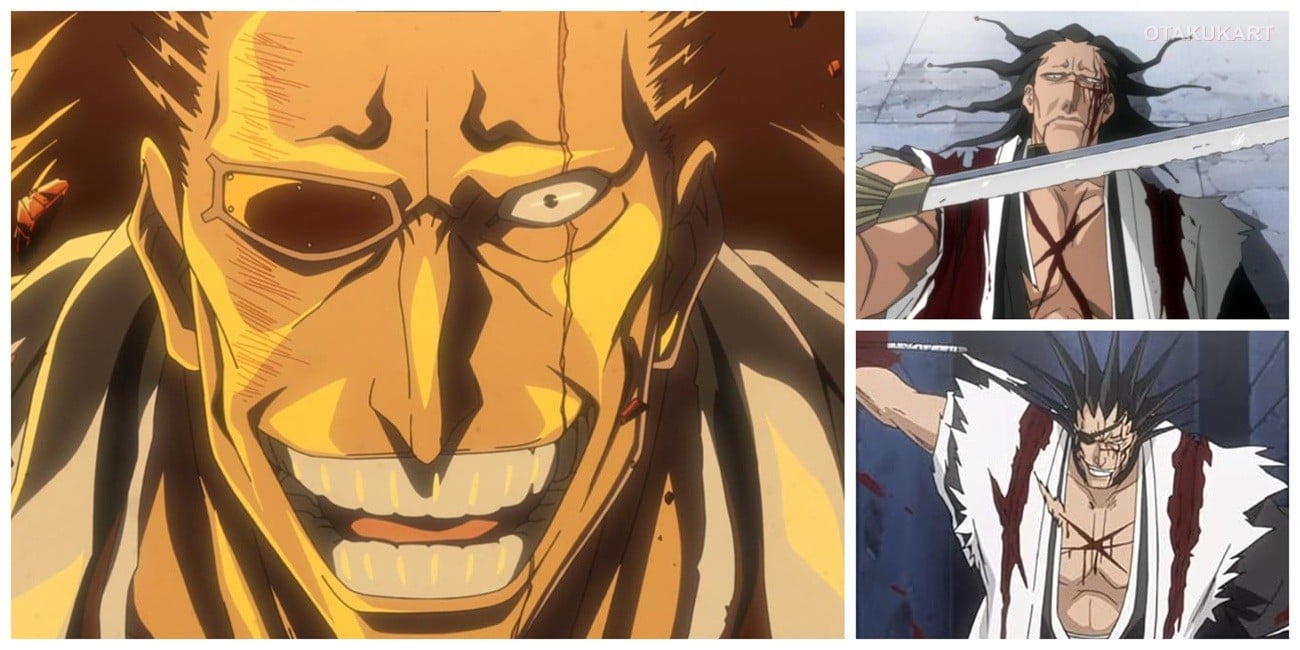
Kenpachi Zaraki’s character development feels natural because it builds on the traits that have always defined him instead of completely changing who he is. His love of battle remains at the heart of his personality, but as the story progresses, viewers gain a deeper understanding of the experiences that shaped him.
Later revelations connect his passion for fighting to his childhood and his complicated relationship with his own immense power. These layers add emotional depth to his character while making many of his earlier actions and decisions even more meaningful.
His connection with Yachiru Kusajishi also adds an emotional dimension that many fans did not expect when he first appeared. Their relationship highlights a softer and more protective side of Kenpachi without taking away the intimidating presence that made him popular in the first place. This balance between brutality and quiet compassion gives his character remarkable depth.
The Thousand-Year Blood War arc further strengthens his writing by following the origins of his immense strength and the psychological barriers he unknowingly placed on himself. These revelations transform him from a seemingly simple powerhouse into a character whose greatest battle has always been against his own limitations.
14. Uryu Ishida (Bleach)
Uryu Ishida has always occupied a unique position within Bleach. Unlike many supporting characters, he begins the series carrying beliefs that often place him at odds with the people who eventually become his closest allies. His journey is defined by pride, personal responsibility, and the challenge of balancing inherited traditions with the realities of a changing world. This internal conflict has helped make him one of the series’ most consistently well-written characters.
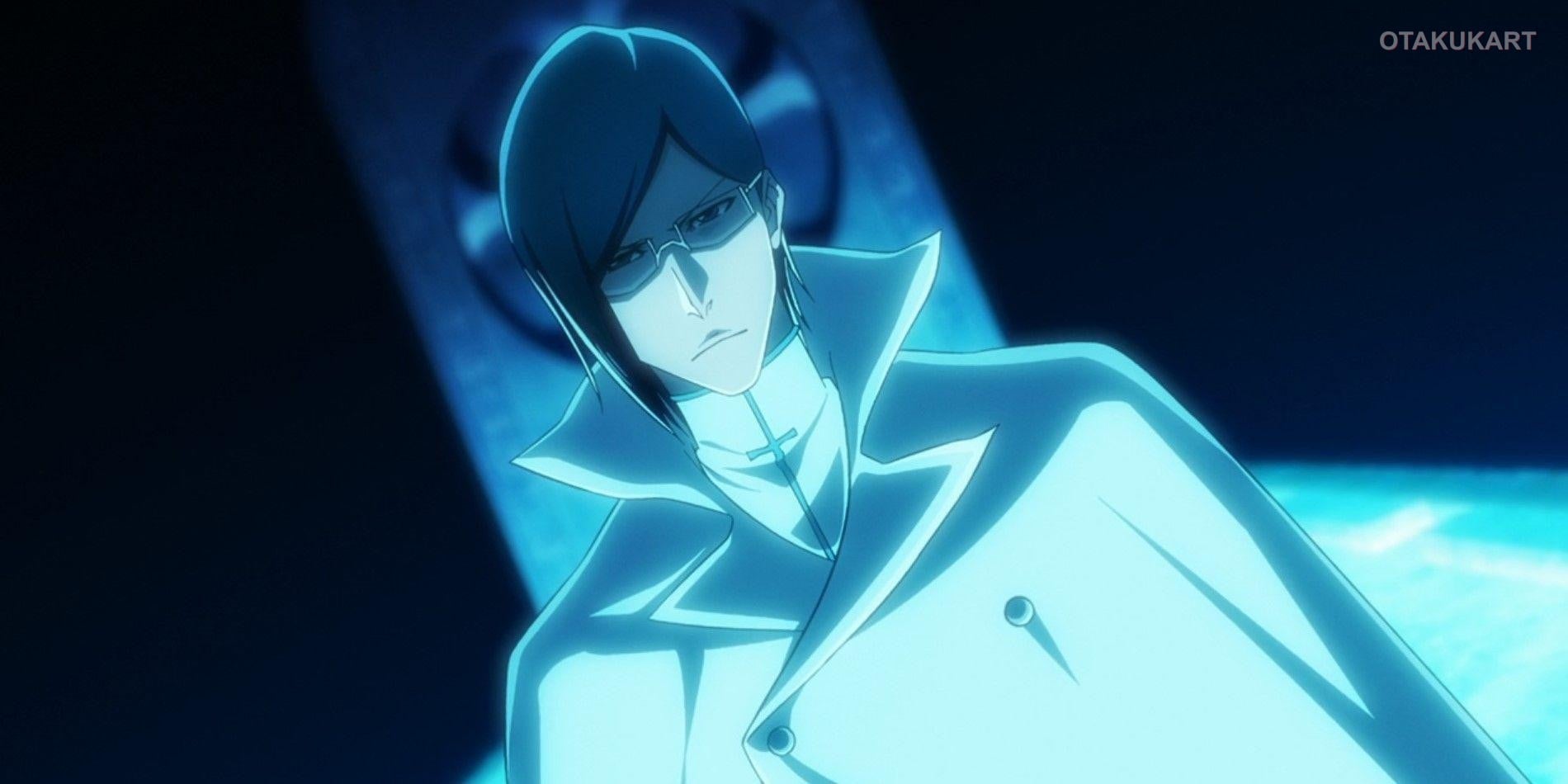
Instead of experiencing dramatic personality shifts, Uryu grows through experience and gradually learns to question long-held assumptions. This measured development allows his relationships with other characters to evolve naturally while preserving the intelligence and determination that define his personality.
His personal history also plays an important role in shaping his decisions. The emotional impact of family loss, inherited expectations, and the responsibilities connected to his Quincy heritage create motivations that feel believable and emotionally grounded. Rather than relying on simple revenge or ambition, his choices reflect years of personal struggle and quiet perseverance.
The Thousand-Year Blood War arc adds another significant layer to his character by revealing new information about his background and his place within the larger conflict. These developments encourage readers to reconsider many earlier moments while strengthening his role in Bleach’s narrative.
Even after the manga concluded, Uryu continues to receive praise from fans who appreciate subtle character development over dramatic transformations. His story demonstrates that meaningful growth can come through patience, self-reflection, and carefully written emotional progression. That consistency has allowed him to remain one of Bleach’s most respected supporting characters.
15. Nico Robin (One Piece)
Nico Robin represents one of the finest examples of emotional storytelling in One Piece. Although she is introduced as a mysterious and emotionally distant figure, Eiichiro Oda gradually transforms her into one of the series’ most beloved characters through careful development and exceptional long-term writing. Her journey continues to resonate because it explores universal themes such as loneliness, acceptance, and finding a place where someone truly belongs.

Robin’s greatest strength is the emotional realism behind her personality. Years of isolation and persecution shaped her cautious nature, making it difficult for her to trust others. Instead of changing overnight, she slowly learns to believe in the people around her through shared experiences and genuine acts of kindness. This gradual development makes her emotional growth feel authentic and deeply satisfying.
Her backstory is widely regarded as one of the strongest in the entire One Piece series because it provides meaningful context without defining her solely through tragedy. Every challenge she faced contributed to her resilience while reinforcing the importance of friendship and hope. These themes become central to some of the franchise’s most unforgettable emotional moments.
Robin also embodies One Piece’s larger message about found family. Her relationships with the Straw Hat Pirates demonstrate that true belonging is built through trust, loyalty, and unconditional support rather than blood ties alone. This idea continues to resonate with readers around the world.
16. Sanji (One Piece)
Sanji has always been one of One Piece’s most charismatic characters, but his popularity extends far beyond his memorable fighting style or love for cooking. Over the years, Eiichiro Oda transformed him from a dependable member of the Straw Hat crew into one of the series’ most emotionally layered characters. As more of his past is revealed, readers gain a deeper understanding of the emotional scars that shaped his personality, making his character arc one of the strongest in the franchise.
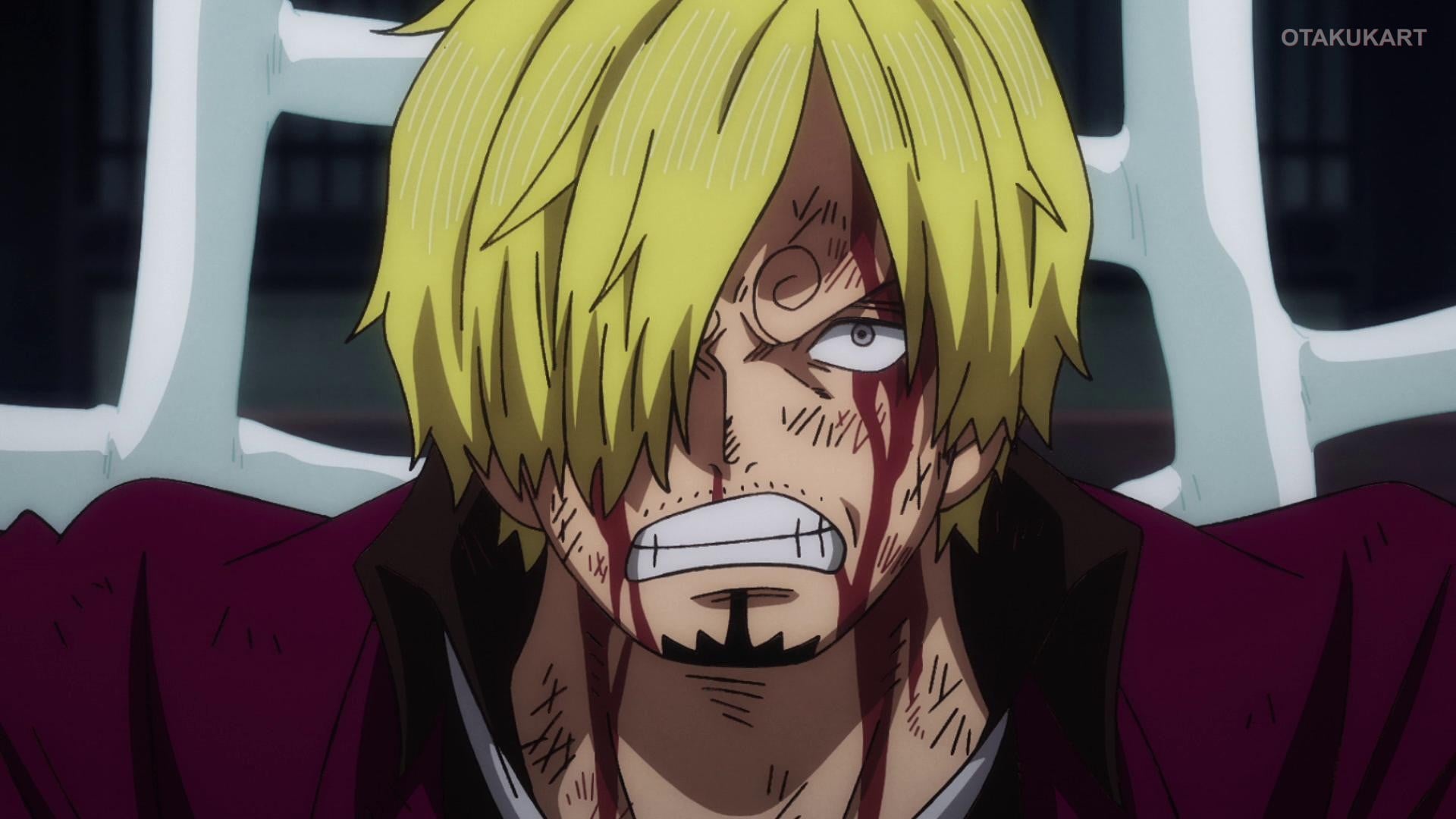
Sanji’s kindness, unwavering respect for others, and determination to protect those around him are not simply personality traits. They are the result of experiences that forced him to grow despite years of rejection and emotional hardship. Instead of allowing those painful memories to define his future, Sanji chooses compassion over bitterness, giving his journey a lasting emotional impact.
His family history adds another important layer to his character without reducing him to a tragic figure. The challenges he faced explain many of his beliefs and insecurities while reinforcing the importance of choosing one’s own path. Oda successfully balances emotional vulnerability with confidence, allowing Sanji to remain both relatable and inspiring throughout the series.
Another reason Sanji continues to receive praise is his consistency. Even as One Piece introduces larger conflicts and stronger opponents, its core values remain unchanged. That emotional stability makes his moments of vulnerability even more meaningful because readers understand exactly what is at stake whenever he is forced to confront his past.
17. Rukia Kuchiki (Bleach)
Rukia Kuchiki is one of the most important characters in Bleach, serving as the emotional foundation that helped establish the series from its very beginning. While she initially appears as a disciplined Soul Reaper who follows her responsibilities without hesitation, Tite Kubo gradually reveals a far more layered character whose personal struggles and emotional resilience make her one of the franchise’s strongest written figures.

Unlike many characters who openly express their emotions, Rukia often carries guilt, responsibility, and personal pain without seeking sympathy. This reserved personality allows her development to unfold gradually, making every emotional breakthrough feel genuine rather than forced.
Her relationships also contribute significantly to her growth. Whether interacting with Ichigo, Renji, Byakuya, or the people closest to her, Rukia consistently demonstrates compassion, loyalty, and an unwavering sense of duty. These connections reveal different aspects of her personality while showing how she slowly learns to value her own life alongside the lives of others.
As Bleach progresses, Rukia evolves from someone burdened by self-doubt into a confident leader capable of making difficult decisions. Her journey is driven by emotional maturity rather than dramatic personality changes, allowing readers to appreciate her growth across every major story arc.
18. Sosuke Aizen (Bleach)
Few anime antagonists have influenced modern shonen storytelling as much as Sosuke Aizen. His calm personality, calculated intelligence, and unmatched confidence transformed him into one of the most recognizable villains in anime history. While many antagonists rely on emotional outbursts or overwhelming aggression, Aizen stands out because he remains composed regardless of the situation. That quiet confidence has helped him remain one of Bleach’s most discussed characters years after his introduction.
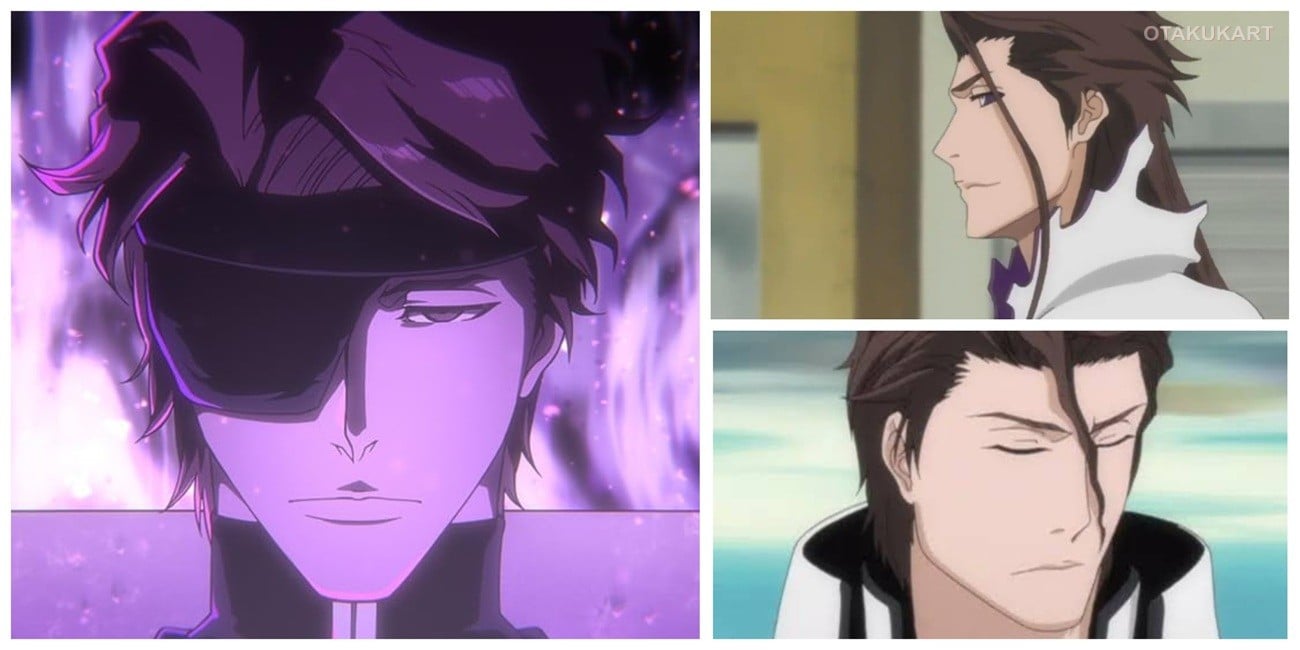
Aizen’s greatest strength is the way his character challenges audience expectations. Early impressions create a completely different image from the person readers eventually come to understand. Rather than relying on sudden surprises alone, Tite Kubo carefully plants subtle clues throughout the story that reward attentive readers when the larger picture finally comes into focus. This layered approach continues to inspire countless fan theories and retrospective analyses.
His philosophy also contributes to his enduring popularity. Aizen believes knowledge, preparation, and absolute control are more powerful than blind determination. Every decision reflects his confidence in long-term planning, making him a uniquely intimidating presence who often appears to remain several steps ahead of everyone around him.