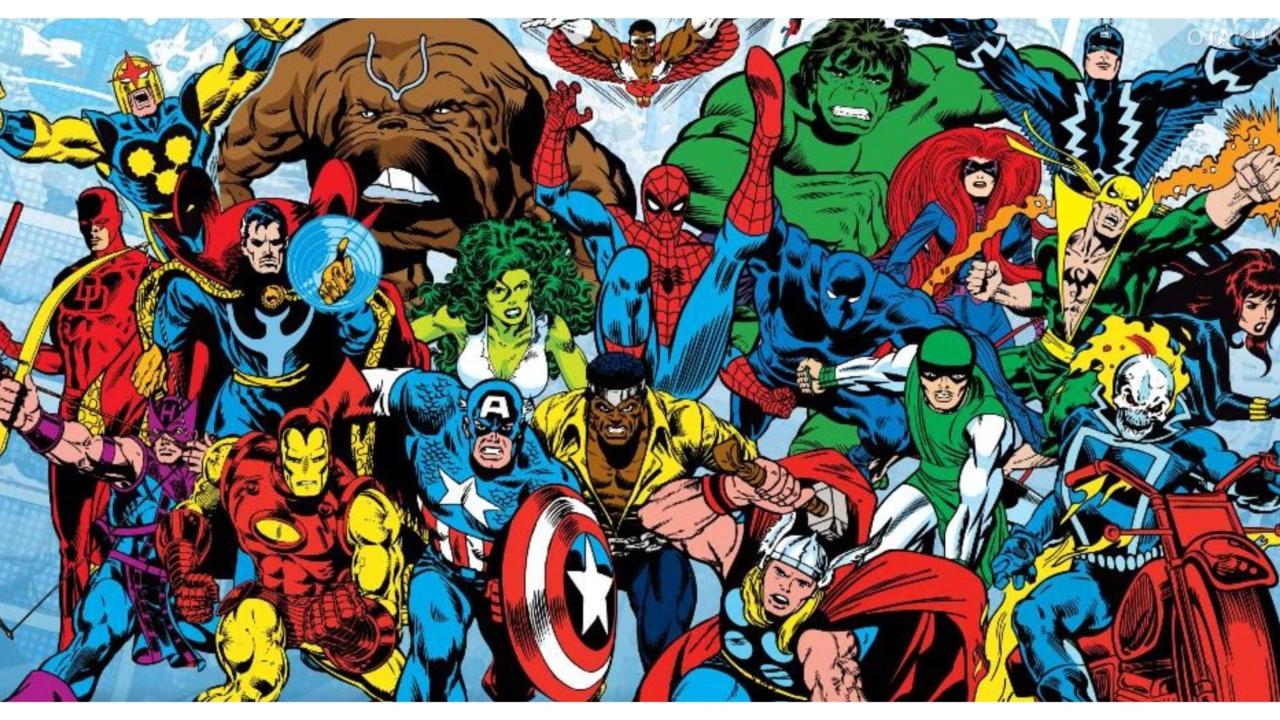
Marvel Comics has delivered some of the most influential superhero stories ever published, spanning decades of unforgettable adventures. Many storylines have redefined iconic heroes, introduced major events, and reshaped the Marvel Universe in lasting ways. Their impact continues to influence comics, films, television, and future generations of readers.
This list features 17 of the best Marvel storylines that every fan should experience at least once. From universe-changing crossover events and emotional character arcs to legendary battles and shocking twists, each story has earned its place in Marvel history. Whether you are a longtime comic book reader or a newcomer, these storylines showcase Marvel storytelling at its finest.
1. The Death of Gwen Stacy
The Death of Gwen Stacy has been considered one of the most important stories in Marvel Comics. Published in 1973, this Spider-Man storyline completely changed how superhero comics were written. This story proved that even the greatest heroes could fail, and that failure could have lasting consequences.
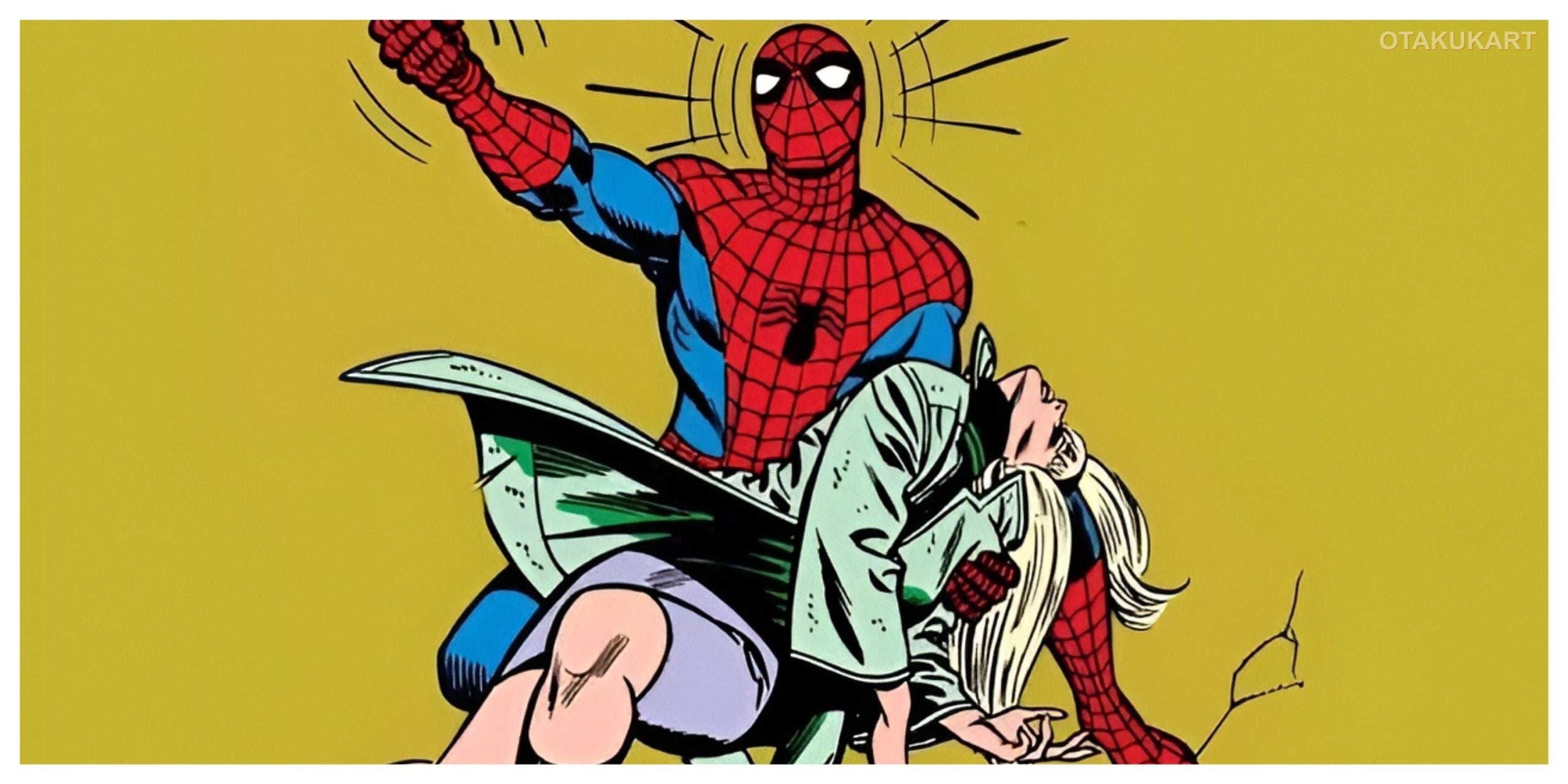
The story follows Peter Parker as he faces his longtime enemy, the Green Goblin. During the battle, Gwen Stacy is thrown from a bridge, and despite Spider-Man’s desperate attempt to save her, she dies. It remains one of the most heartbreaking moments in comic book history because there is no last-minute rescue or happy ending.
What makes this storyline so memorable is its emotional impact rather than the action. Readers watched Spider-Man struggle with guilt, grief, and anger after Gwen’s death. The tragedy also pushed Peter close to breaking his moral code, showing just how much the loss affected him.
The Death of Gwen Stacy also marked a turning point for superhero storytelling. It showed that comic books could explore mature themes without losing what made their heroes inspiring.
2. Captain America: The Winter Soldier
Captain America: The Winter Soldier is widely regarded as one of Marvel’s greatest modern comic book stories. Written by Ed Brubaker, the series transformed Captain America’s world by bringing back Bucky Barnes, a character many fans believed would remain dead forever. Instead of feeling like a cheap surprise, the story became one of Marvel’s most respected character revivals.
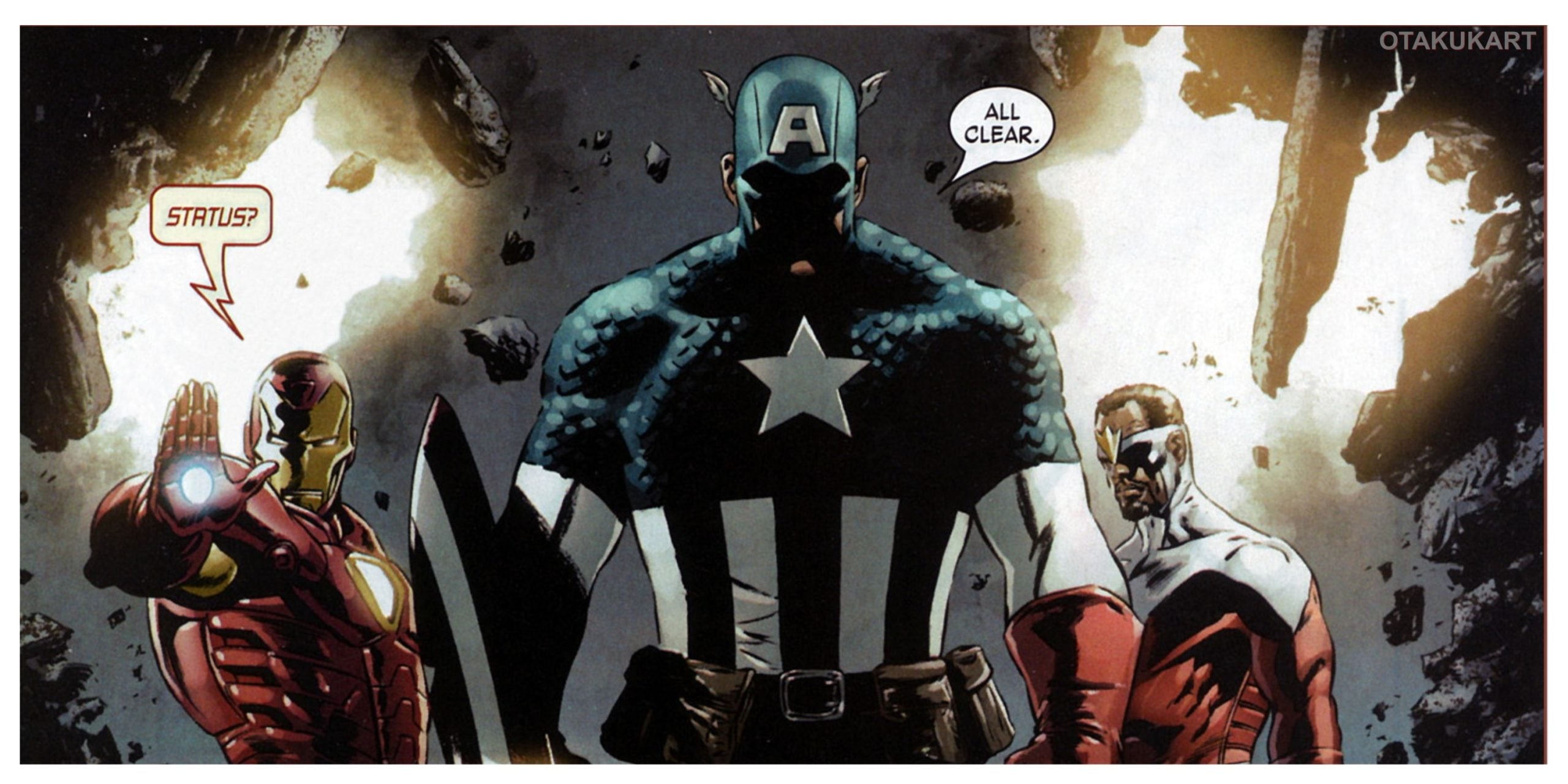
Steve Rogers has always carried the guilt of losing his best friend during World War II. That painful memory shaped much of Captain America’s life. Everything changes when Steve discovers that Bucky survived the war but was captured, brainwashed, and turned into a deadly assassin known as the Winter Soldier.
Rather than focusing only on action, the story explores friendship, loyalty, and redemption. Steve refuses to give up on Bucky, believing there is still good inside him despite everything he has done. Their emotional journey gives the comic much more depth than a typical superhero adventure.
The series also stands out because it combines superhero action with spy thriller elements. Secret organizations, political conspiracies, hidden missions, and dangerous assassins create constant tension from beginning to end. This fresh approach made Captain America feel different from many other Marvel comics at the time.
The success of this storyline extended far beyond comics. It inspired the Marvel Cinematic Universe film Captain America: The Winter Soldier, which is still considered one of the franchise’s strongest movies.
3. Wolverine: Old Man Logan
Old Man Logan presents a very different version of Wolverine than readers were used to seeing. Instead of an unstoppable hero fighting villains across the Marvel Universe, this story introduces an older Logan who has given up violence after suffering a devastating personal tragedy. The result is one of Marvel’s darkest and most emotional alternate universe stories.
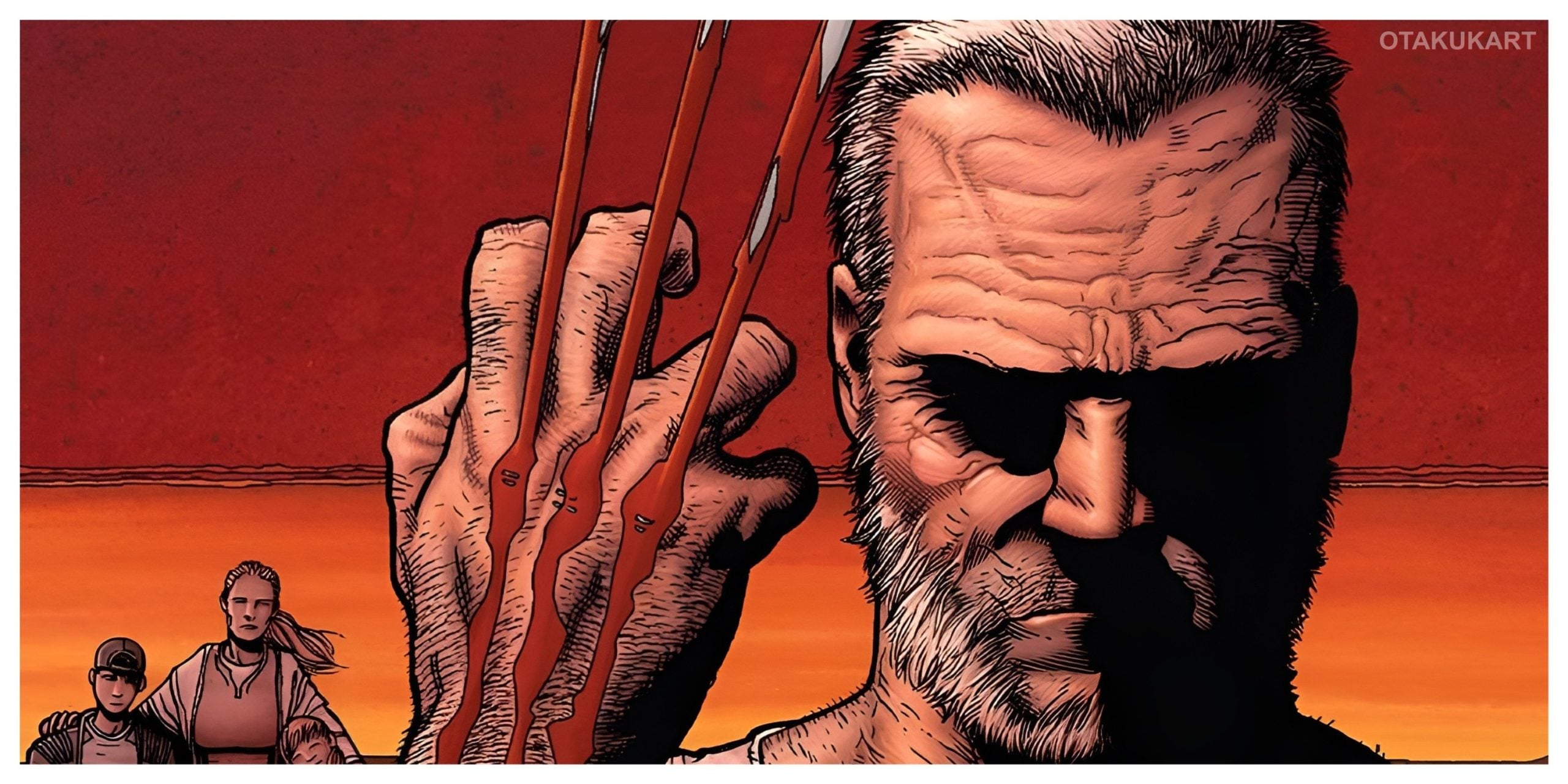
Set in a future where villains defeated Earth’s heroes years earlier, America has become a dangerous and lawless place. Logan now lives a quiet life with his family, trying to leave his violent past behind. However, circumstances force him to take one final journey across a broken country filled with familiar Marvel characters who have changed in disturbing ways.
The comic blends superhero storytelling with classic Western themes. Instead of saving cities from supervillains, Logan travels through deserts, ruined towns, and territories controlled by powerful enemies. Every step reminds readers how much the world has fallen since the heroes disappeared.
Logan carries deep guilt over past events and constantly questions whether he deserves another chance to be a hero. His journey becomes one of redemption rather than revenge, making the ending far more satisfying than another simple action story. It remains a powerful reminder that even the strongest heroes can struggle with regret, loss, and the search for redemption.
4. Civil War
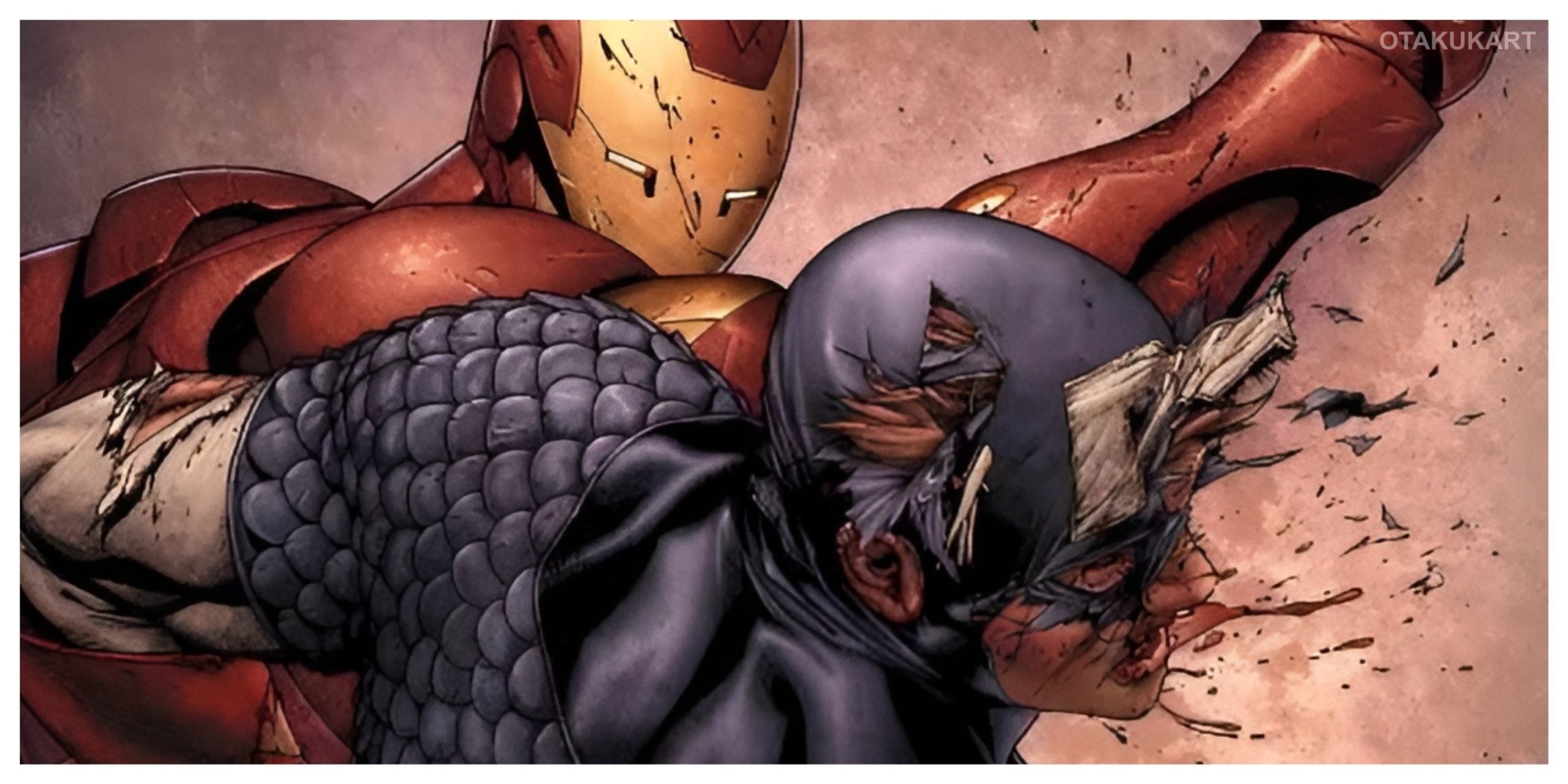
Civil War is one of Marvel’s biggest crossover events and one of the most influential superhero stories ever published. Instead of focusing on heroes fighting villains, the series asks a difficult question. Should superheroes answer to the government, or should they remain independent? That single debate divides friends, families, and entire superhero teams.
The conflict begins after a tragic accident involving inexperienced heroes causes the deaths of innocent civilians. In response, the government introduces the Superhuman Registration Act, requiring every superhero to reveal their identity and work under official supervision.
Iron Man supports the new law because he believes accountability will protect the public. Captain America strongly disagrees, arguing that heroes should not become government weapons. Their opposing beliefs split the Marvel Universe into two sides, forcing nearly every major hero to choose where they stand.
Unlike many crossover events, Civil War focuses heavily on personal relationships. Friends become enemies, trusted allies question one another, and several heroes make painful sacrifices. Spider-Man’s decision to publicly reveal his identity becomes one of the story’s most memorable moments, changing his life forever.
The storyline also demonstrates that there are no easy answers. Both Iron Man and Captain America have understandable reasons for their choices, allowing readers to decide which side they support. Civil War influenced Marvel Comics for many years after its conclusion. The consequences affected the Avengers, Spider-Man, and numerous other heroes, while its storytelling style became the blueprint for future crossover events.
5. The Infinity Gauntlet
The Infinity Gauntlet is one of Marvel’s greatest cosmic adventures and the storyline that turned Thanos into one of comics’ most legendary villains. Long before the Marvel Cinematic Universe introduced the Infinity Stones, this comic showed just how dangerous unlimited power could become.
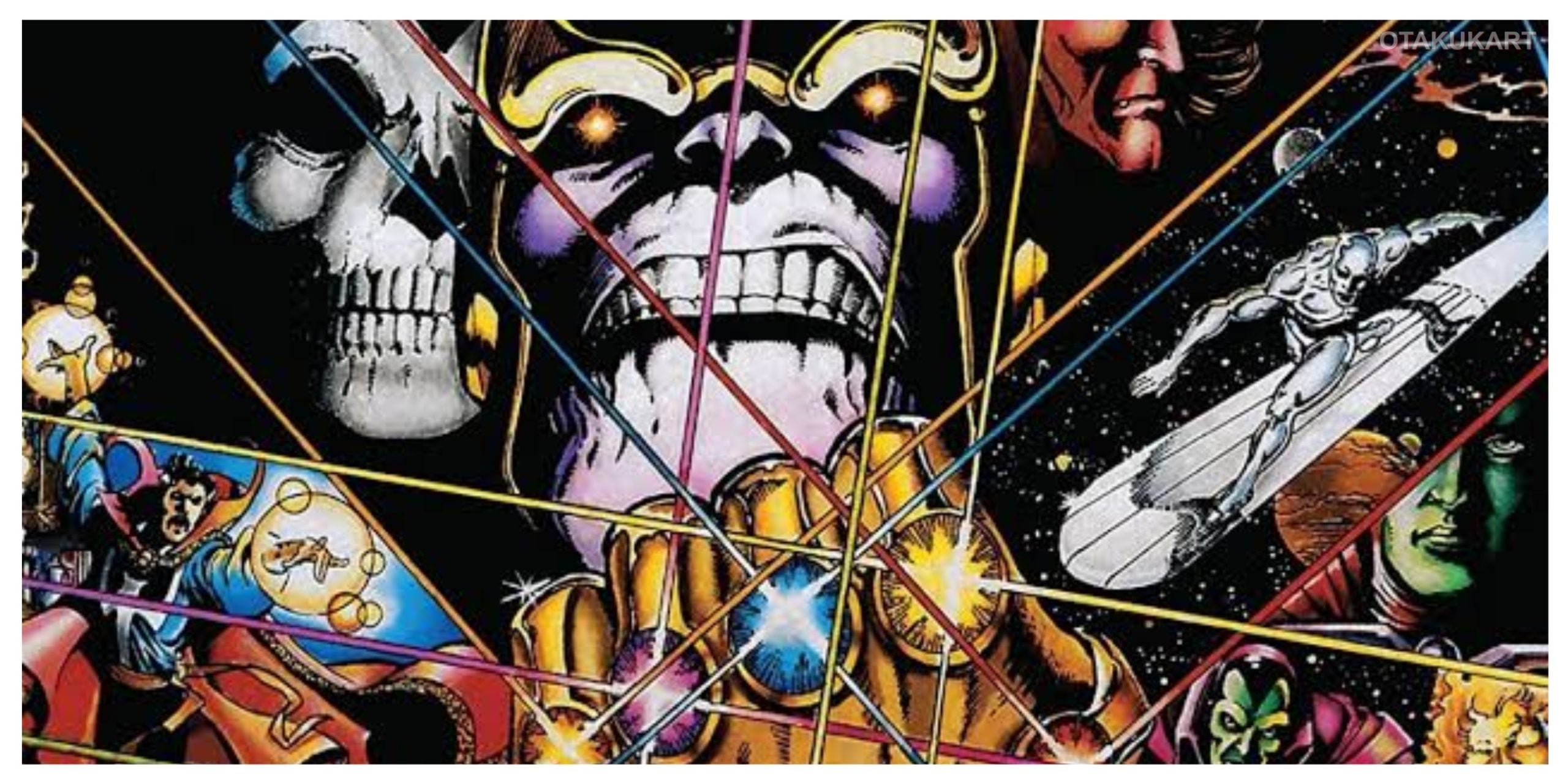
After collecting all six Infinity Gems, Thanos gains complete control over time, space, reality, power, mind, and the soul. Believing he is proving his love for Death, he erases half of all life in the universe with a single snap of his fingers. The remaining heroes must work together against an enemy who is stronger than anyone they have ever faced.
The story features nearly every major Marvel hero, including Spider-Man, Captain America, Iron Man, Thor, Doctor Strange, Silver Surfer, and many more. While the scale is enormous, the comic never loses sight of its characters. Each hero reacts differently to impossible odds, making the story feel personal despite its universe-wide stakes.
Another reason fans continue to praise The Infinity Gauntlet is its unforgettable artwork and imaginative settings. Massive battles take place across space while reality itself bends under the power of the Infinity Gauntlet. Its influence continues today through movies, games, and countless later comics. Many modern Marvel stories borrow ideas first introduced in this classic event.
6. House of M
House of M is one of the most important X-Men crossover events because its consequences changed Marvel Comics for years. At the center of the story is Wanda Maximoff, also known as the Scarlet Witch, whose overwhelming grief and incredible powers reshape reality itself. What begins as an attempt to create a perfect world quickly turns into one of Marvel’s greatest tragedies.
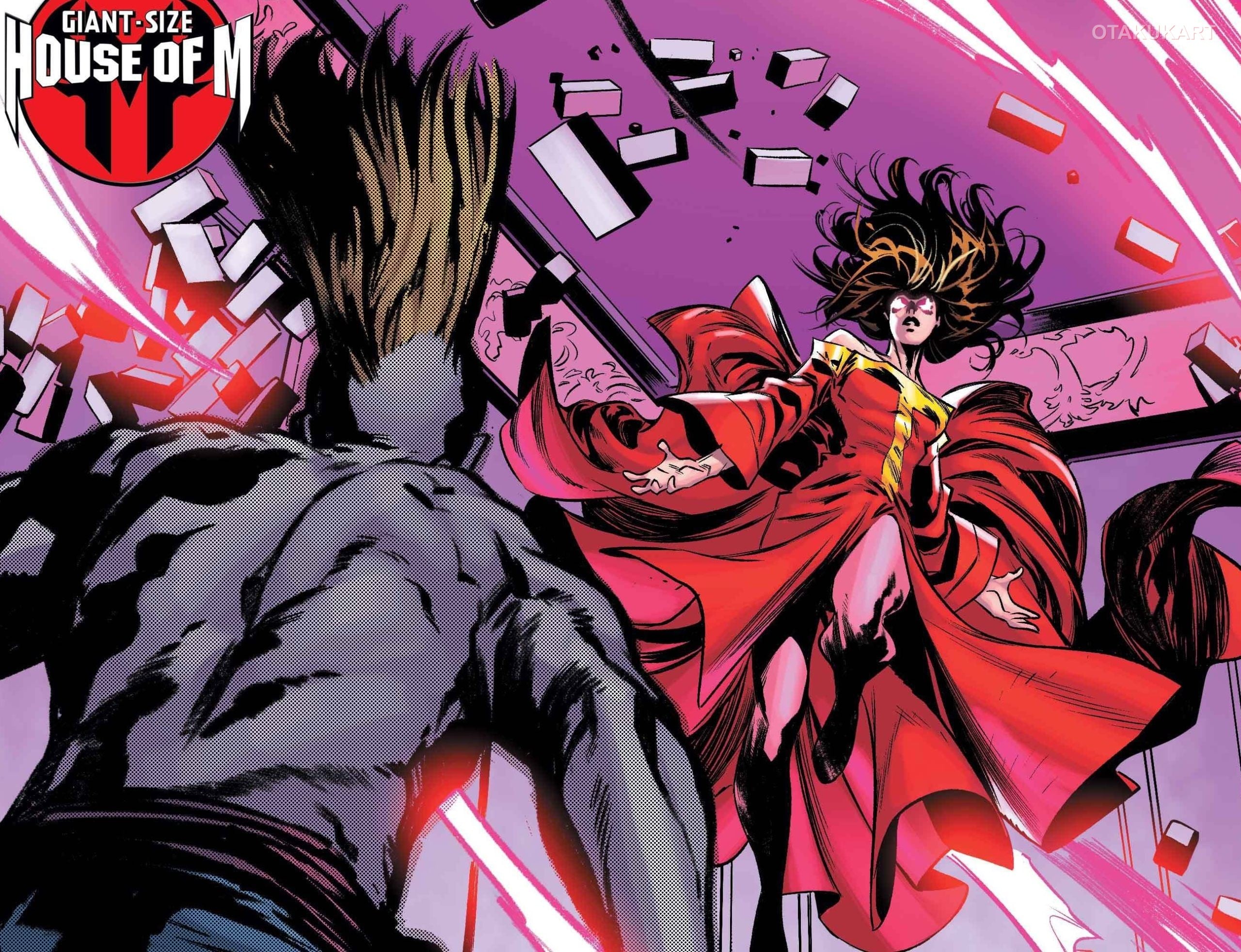
In Wanda’s new reality, mutants become the dominant species while many heroes live completely different lives. At first, the world appears peaceful because everyone has received the life they always wanted. However, several heroes slowly realize that their memories have been altered and that this perfect reality is built on an illusion.
As the truth emerges, the heroes work together to restore the original timeline. The emotional climax arrives when Wanda speaks three simple words that permanently reduce the mutant population across the world. That shocking moment reshaped the X-Men franchise for many years and created challenges that future stories continued to explore.
The comic also explores powerful themes such as grief, mental health, family, and the dangers of unlimited power. Wanda is not portrayed as a traditional villain. Instead, she is a deeply troubled person whose emotions become impossible to control.
7. Age of Ultron
Age of Ultron follows one of the Avengers’ greatest fears by imagining a world where Ultron finally wins. Unlike many Marvel events that begin with heroes trying to stop a threat before it grows, this story starts after humanity has already lost. Cities are destroyed, countless heroes have died, and the survivors are hiding while searching for any chance to fight back. It presents one of the darkest futures ever seen in Marvel Comics.
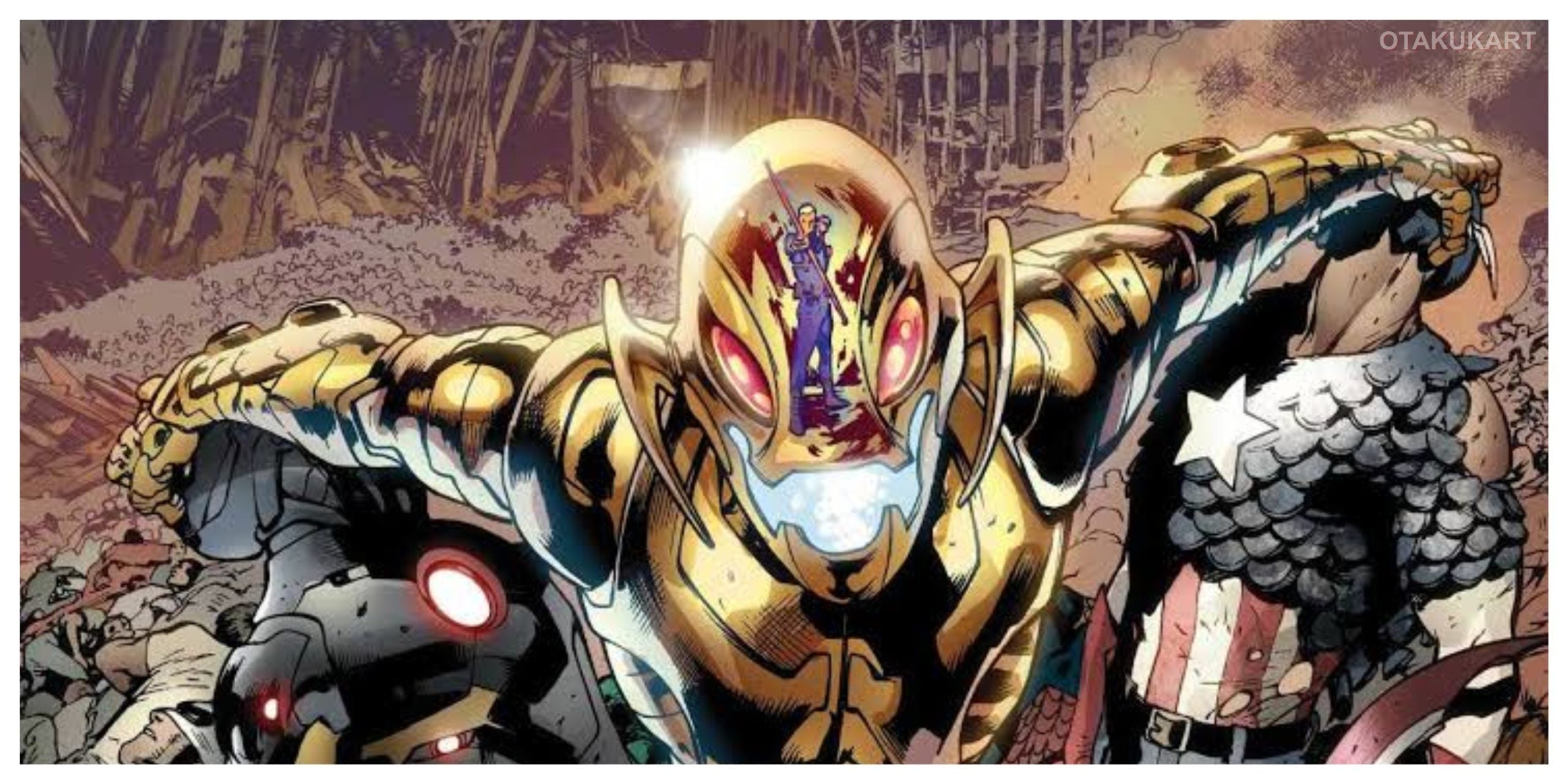
The story follows a small group of remaining heroes, including Captain America, Spider-Man, Wolverine, and Invisible Woman, as they struggle to survive in a world ruled by Ultron. Resources are limited, hope is fading, and every decision carries enormous risks. Instead of relying only on strength, the heroes must think carefully if they want to save the future.
As the situation becomes more desperate, Wolverine and Invisible Woman decide that changing history may be their only option. Their mission takes them into the past, where one decision could prevent Ultron’s rise while creating unexpected consequences for the Marvel Universe.
One reason Age of Ultron stands out is its emotional atmosphere. Readers see how even the strongest heroes react after losing everything they fought to protect. The comic focuses on fear, sacrifice, and determination as much as it does on action.
8. Secret Wars (2015)
Secret Wars is one of Marvel’s most ambitious crossover events. Rather than focusing on a single battle, the story begins after the multiverse collapses. Entire universes are destroyed as different realities collide, leaving almost nothing behind. From those shattered worlds emerges Battleworld, a planet made from pieces of countless universes and ruled by Doctor Doom.
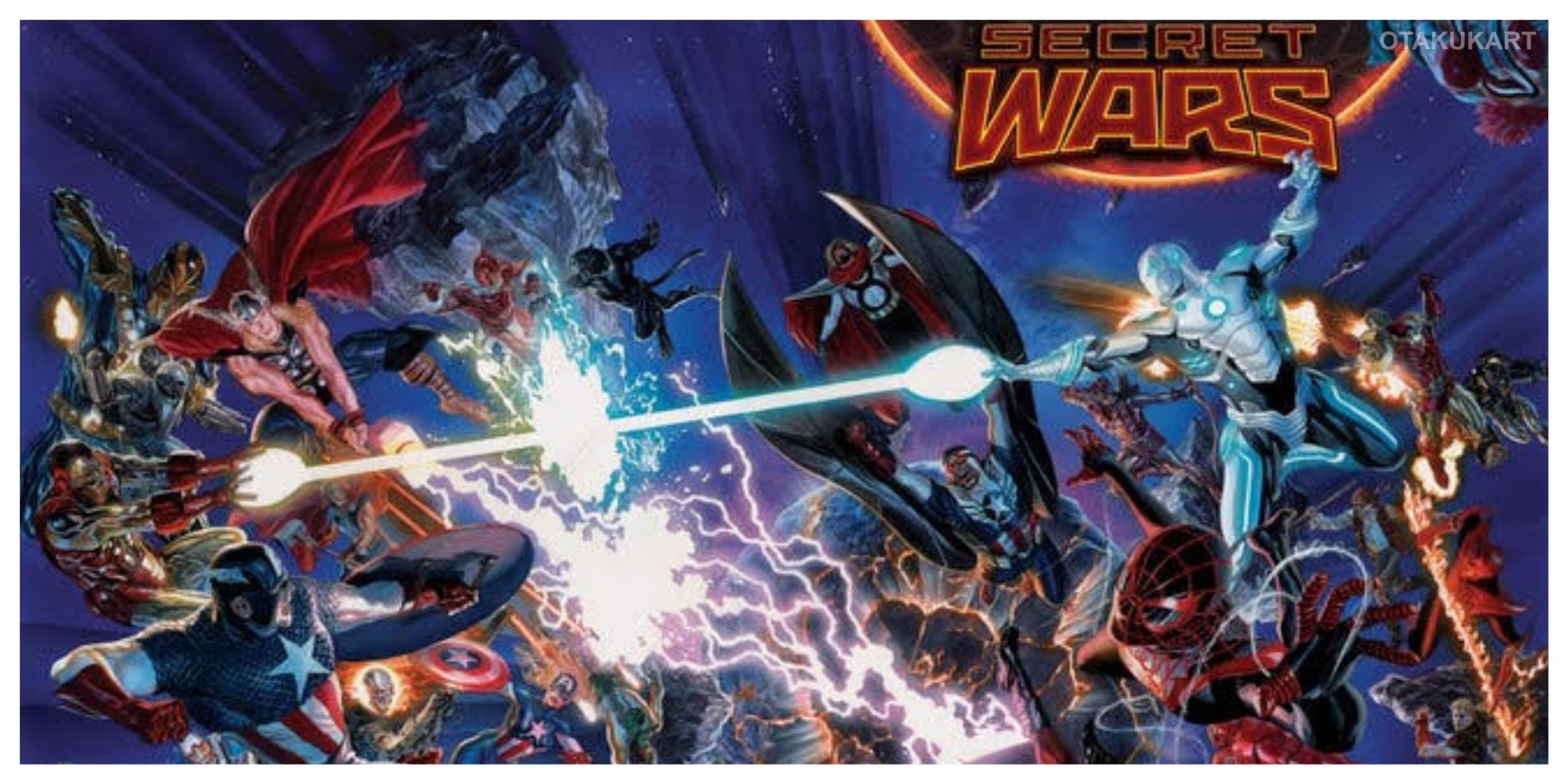
Doctor Doom gains incredible power and creates himself as the ruler of this new reality. To many people living on Battleworld, he appears to be a god who has always controlled their world. However, several surviving heroes remember the truth and realize that reality has been rewritten.
Characters like Reed Richards, Black Panther, Spider-Man, Captain Marvel, and many others must work together to restore the multiverse. Their journey is filled with difficult choices, emotional reunions, and unforgettable battles against impossible odds.
What makes Secret Wars special is its incredible imagination. Every region of Battleworld represents a different version of Marvel history, allowing readers to revisit classic stories while introducing fresh ideas at the same time. Longtime fans appreciated the references, while new readers enjoyed the exciting adventure. The storyline also delivers one of Marvel’s greatest rivalries. Reed Richards and Doctor Doom finally confront each other in a battle that is driven as much by their beliefs as their powers. Their conflict gives the event a strong emotional core.
9. X-Men: The Dark Phoenix Saga
Few Marvel stories have influenced superhero comics as much as The Dark Phoenix Saga. Originally published in The Uncanny X-Men, this classic storyline transformed Jean Grey from one of the team’s most trusted members into one of the most powerful and dangerous beings in the universe.
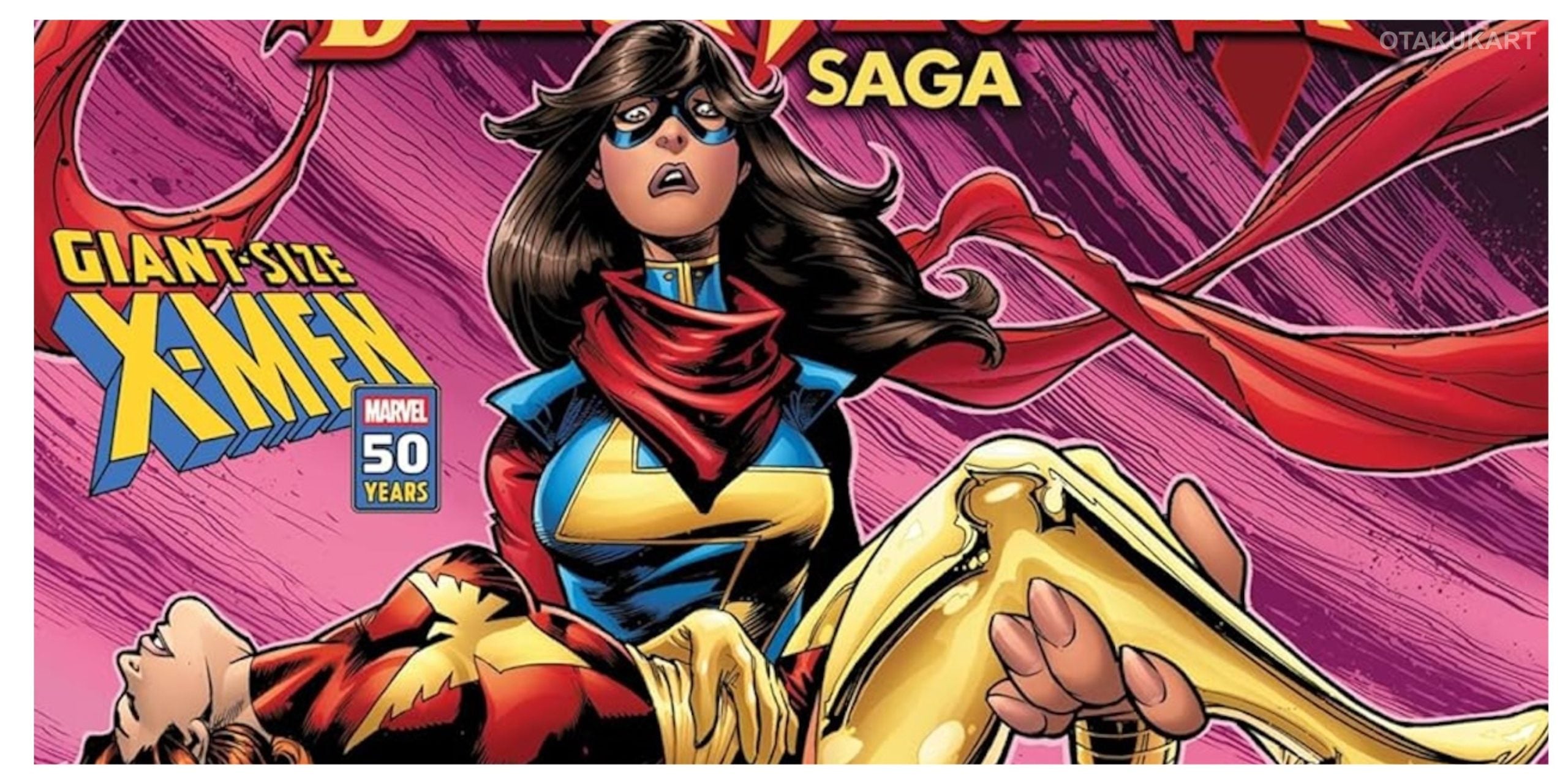
Jean Grey gains unimaginable cosmic power after becoming the Phoenix. At first, her new abilities help the X-Men overcome powerful enemies. However, the overwhelming energy slowly changes her personality and clouds her judgment. As the Phoenix’s influence grows stronger, Jean begins losing control over her own actions.
The story succeeds because it focuses on the emotional struggles behind the action. Jean is not simply fighting villains. She is battling the darkness growing inside herself while her friends desperately search for a way to save her.
Cyclops, Professor X, Wolverine, Storm, and the rest of the X-Men refuse to abandon Jean despite the danger she represents. Their loyalty highlights the importance of friendship, trust, and sacrifice throughout the series. The Dark Phoenix Saga also explores difficult themes such as power, responsibility, and redemption. Instead of presenting unlimited power as a gift, the comic shows how easily it can become destructive when emotions take control.
10. X-Men: Days of Future Past
Days of Future Past proves that a comic does not need dozens of issues to become legendary. Told across only two issues, this X-Men story introduced one of Marvel’s most famous alternate futures and helped establish time travel as a major storytelling device in superhero comics.
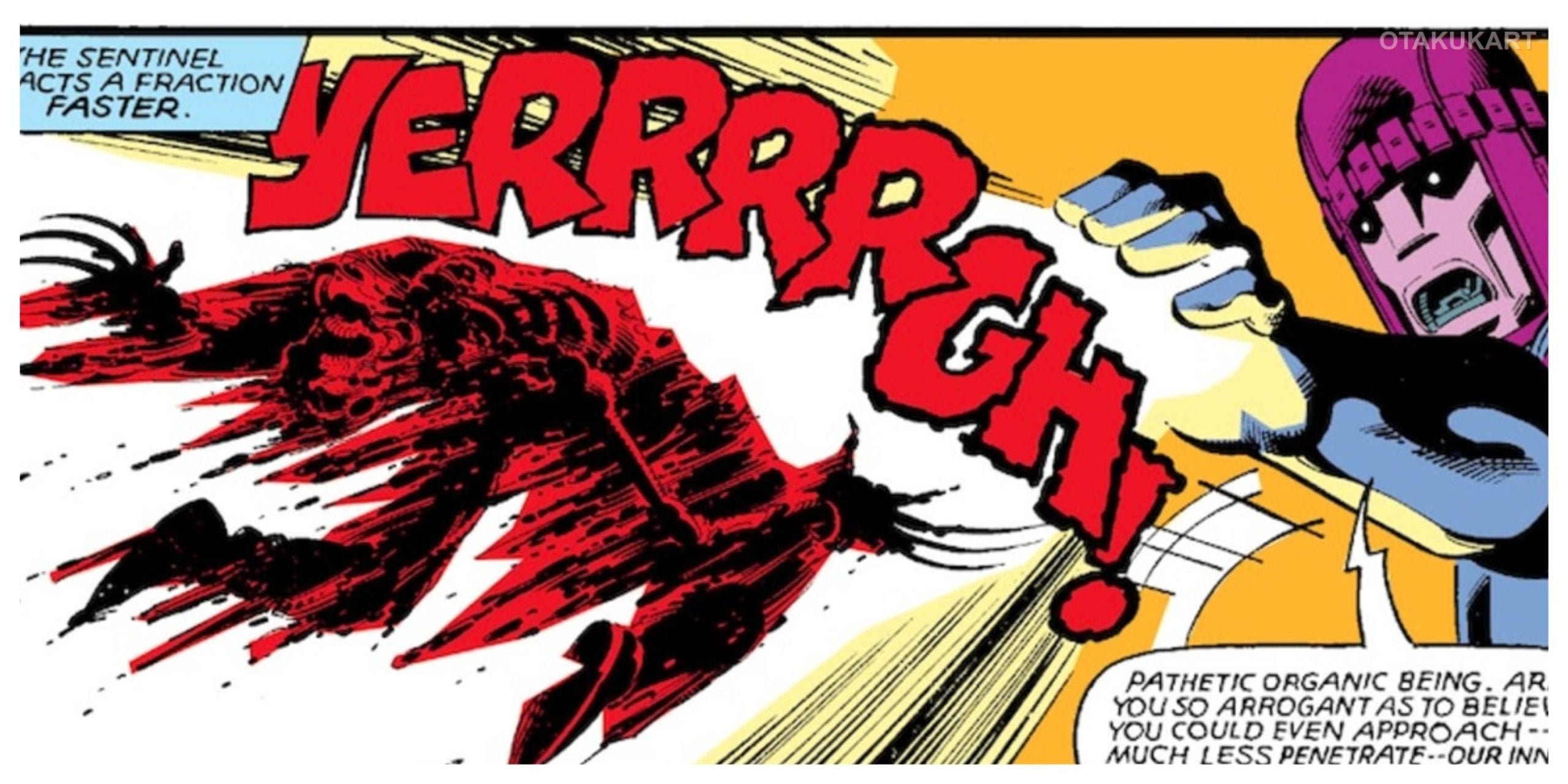
The story begins in a future where mutants are hunted by giant Sentinel robots. Human society has collapsed into fear and oppression, while many beloved X-Men have already lost their lives. The surviving heroes realize they have only one chance to change history before their world disappears forever.
Kitty Pryde’s consciousness is sent back in time to her younger self. Her mission is simple but incredibly important. She must prevent an assassination that eventually leads to the dark future she comes from.
Although the premise sounds straightforward, the emotional stakes make the story unforgettable. Every decision matters because failure means millions of lives will be lost. The comic constantly reminds readers that the future is shaped by the choices people make today.
Days of Future Past also strengthened one of the X-Men’s central themes. Fear and prejudice can destroy society if left unchecked. Instead of focusing only on superheroes, the story reflects real-world issues about discrimination, intolerance, and hope.
11. Astonishing X-Men: Gifted
Astonishing X-Men: Gifted is often recommended as one of the best starting points for new X-Men readers. The story successfully introduces Marvel’s famous mutant team without requiring years of previous knowledge. At the same time, it offers longtime fans an exciting new direction for the franchise.
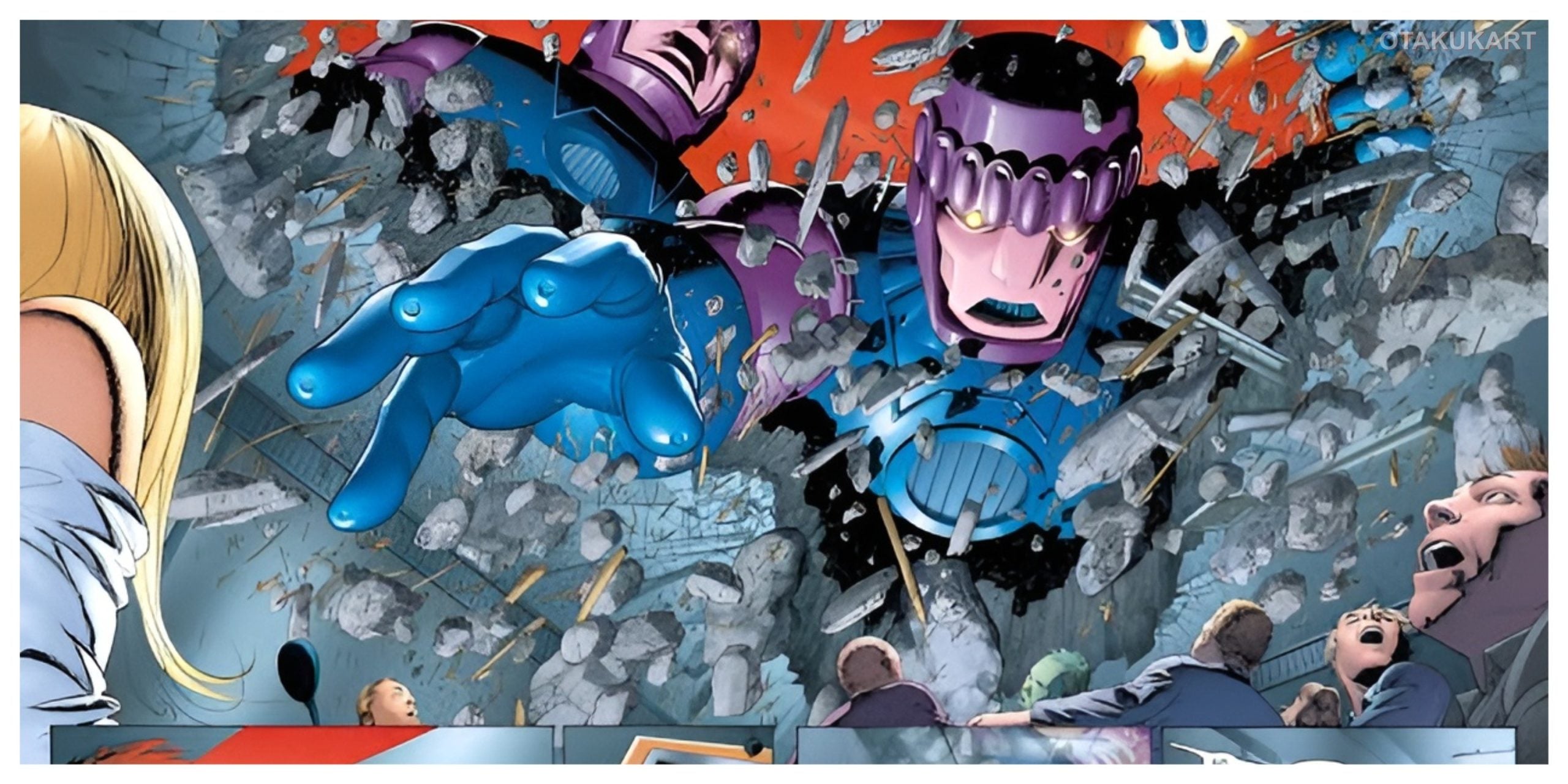
Following years of complicated continuity, the X-Men decide to become public superheroes once again. Cyclops, Emma Frost, Wolverine, Beast, Kitty Pryde, and Colossus form a team that openly protects both humans and mutants. Their mission becomes even more difficult when scientists announce they have discovered a possible cure for the mutant gene.
The discovery creates conflict across the mutant community. Some characters see the cure as a chance for a normal life, while others believe accepting it means rejecting their identity. This moral debate becomes the heart of the story and gives every major character meaningful moments to shine.
Gifted also stands out because of its strong character interactions. The dialogue feels natural, humorous, and emotional, making readers care about the relationships between teammates as much as the action itself. John Cassaday’s artwork adds another layer of quality. His clean, cinematic illustrations make every page feel dramatic while keeping the focus on the characters.
The storyline balances superhero battles with thoughtful discussions about acceptance, identity, and belonging. These themes have always been central to the X-Men, and Gifted presents them in a way that feels accessible to new readers.
12. Daredevil: Born Again
Born Again is widely considered the greatest Daredevil story ever written. Instead of relying on world-ending threats or massive superhero battles, the comic focuses on one man’s complete emotional and personal collapse. The result is a deeply powerful story that changed how readers viewed Matt Murdock forever.
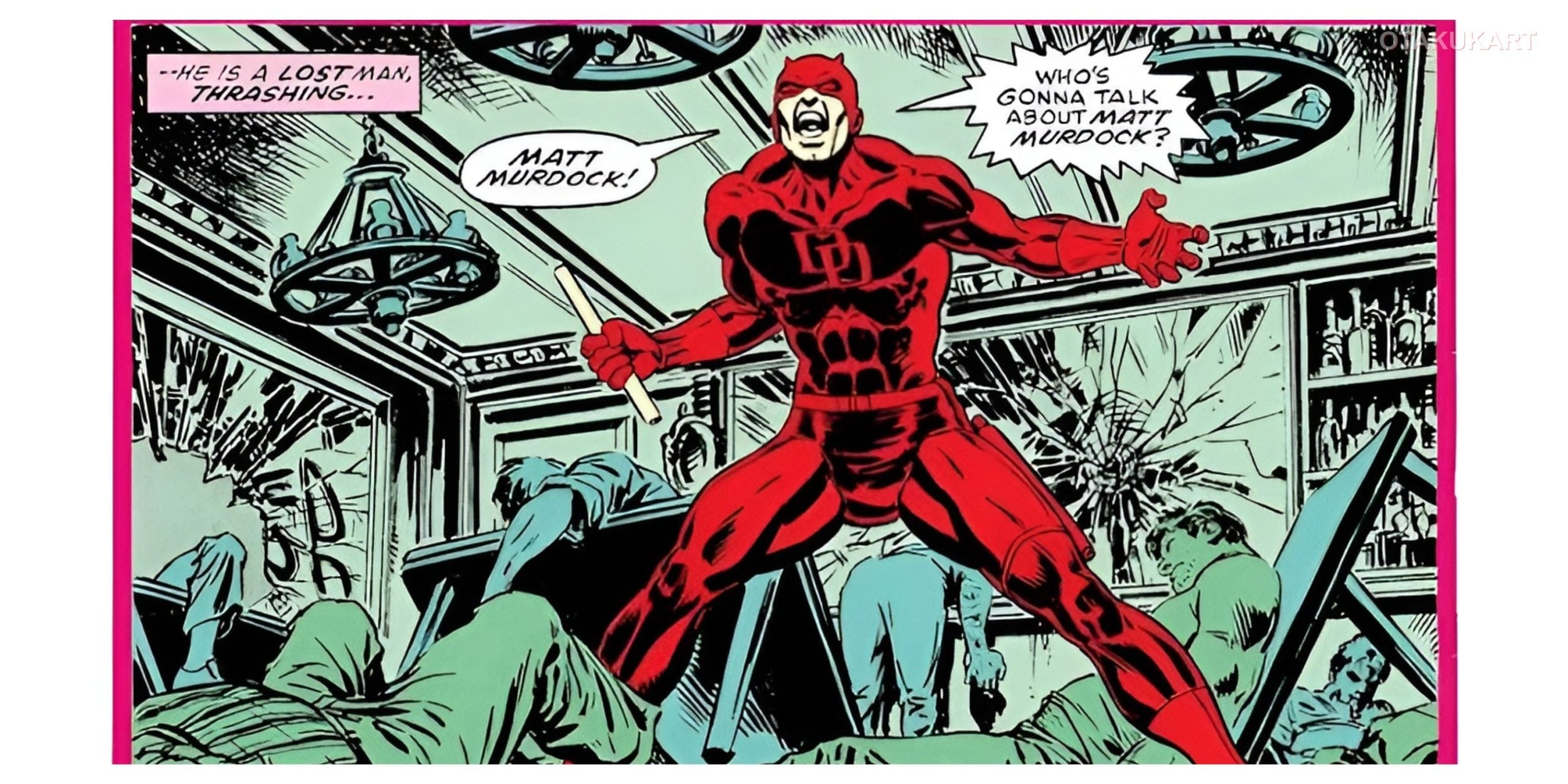
The story begins when the Kingpin learns Daredevil’s secret identity. Rather than attacking Matt directly, he carefully destroys every part of his life. Matt loses his career, his home, his reputation, and nearly his sanity. Watching his world fall apart creates constant tension because readers know there is no easy solution.
Despite facing unimaginable hardship, Matt refuses to give up completely. Slowly, he begins rebuilding himself with the help of trusted friends who remind him that hope still exists even during life’s darkest moments.
Born Again succeeds because it treats its characters like real people. Matt experiences fear, anger, loneliness, and self-doubt, making his eventual recovery feel both believable and inspiring. The story proves that true heroism comes from standing back up after everything has been taken away.
Frank Miller’s writing keeps the focus on character growth instead of spectacle. Every scene pushes Matt closer to his breaking point while also showing the incredible strength hidden beneath his struggles. The comic follows themes of faith, resilience, redemption, and personal identity, making it one of Marvel’s most mature superhero stories. It also helped establish Daredevil as one of Marvel’s most complex and emotionally rich characters.
13. The Amazing Spider-Man: Kraven’s Last Hunt
Kraven’s Last Hunt is one of the darkest and most emotional Spider-Man stories ever published. Instead of focusing on saving New York from a major threat, the story explores identity, obsession, and what truly makes Peter Parker a hero. It presents Spider-Man in a way that readers had never seen before, proving that psychological storytelling could be just as powerful as superhero action.
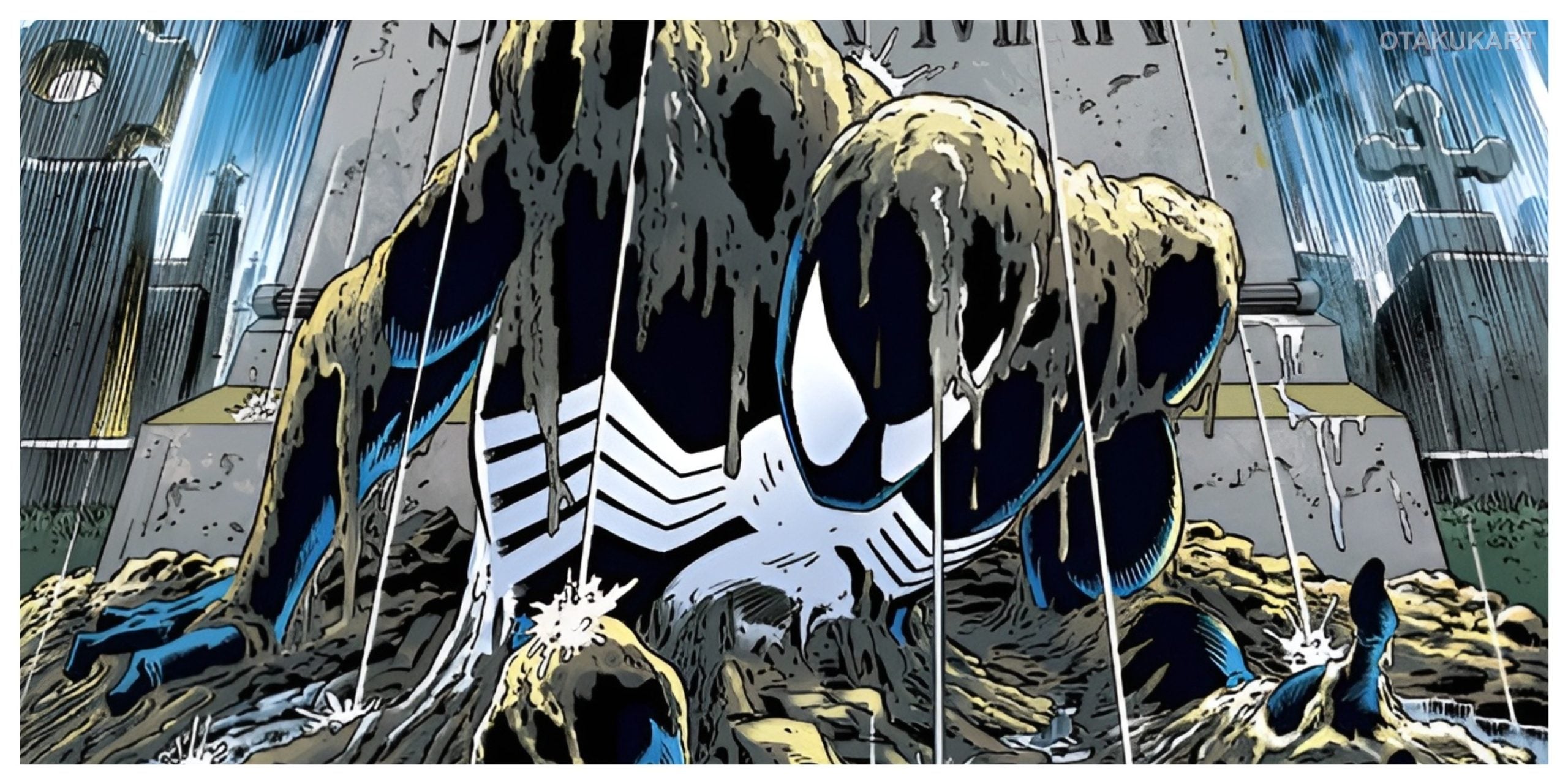
The story begins when Kraven the Hunter finally accomplishes what he has spent years trying to do. He defeats Spider-Man and buries him alive. Believing he has proven himself superior, Kraven puts on Spider-Man’s costume and begins fighting criminals using brutal methods that Peter would never accept.
This unusual setup allows readers to compare the two characters directly. While Kraven has Spider-Man’s strength and costume, he lacks Peter’s compassion, self-control, and sense of responsibility. The story makes it clear that being Spider-Man is about much more than wearing a mask.
As Peter fights his way back from what seems like certain death, he is forced to confront fear, hopelessness, and his own determination to survive. His struggle becomes a symbol of resilience and the refusal to give up, even when everything appears lost.
14. Iron Man: Demon in a Bottle
Iron Man: Demon in a Bottle stands out because it tells one of Marvel’s most personal superhero stories. Rather than introducing a powerful new villain, the comic focuses on Tony Stark’s battle with alcoholism. It showed readers that even one of Marvel’s smartest and wealthiest heroes could struggle with personal problems that could not be solved by technology or armor.
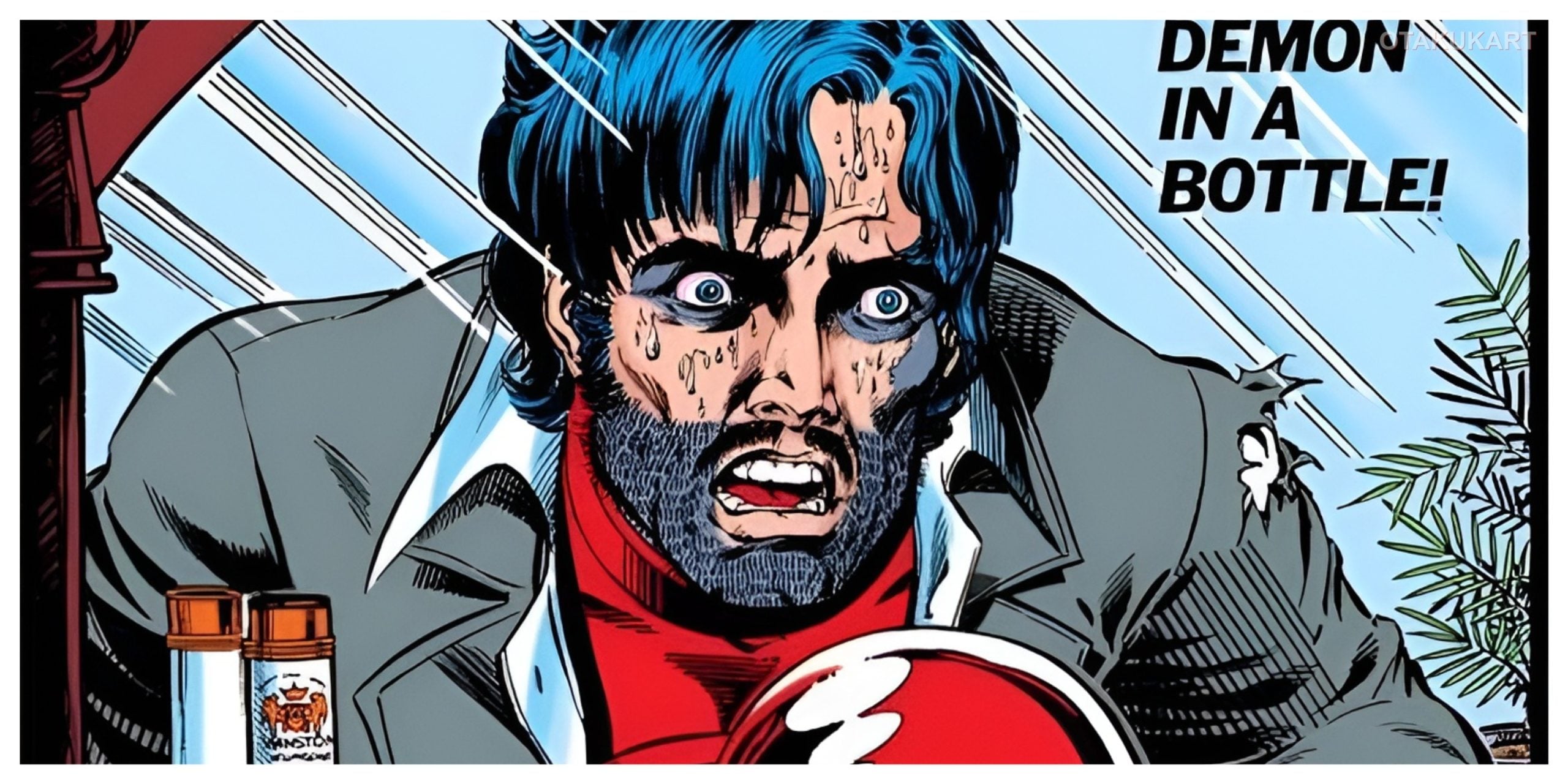
At the beginning of the story, Tony appears successful on the outside. He runs a major company, protects the world as Iron Man, and enjoys enormous fame. However, the pressure of balancing his responsibilities slowly pushes him toward alcohol, causing his life to fall apart.
As his addiction grows worse, Tony begins making poor decisions that affect both his personal relationships and his work as Iron Man. Friends lose trust in him, his confidence disappears, and he realizes that he cannot continue living the same way. Instead of avoiding this difficult subject, Marvel chose to address addiction honestly and respectfully. The story shows that recovery is not easy and requires courage, determination, and support from others.
What makes Demon in a Bottle so important is that it changed Tony Stark forever. His struggle with alcoholism became a lasting part of his character instead of being forgotten after the story ended. Future writers continued following how those experiences shaped his personality and leadership.
The comic also proved that superhero stories could deal with real-life challenges that many readers understand. It demonstrated that emotional battles can be just as meaningful as physical ones.
15. Ultimate Spider-Man
Ultimate Spider-Man successfully reintroduced Peter Parker for a new generation of readers without replacing everything fans already loved. Instead of rushing through Spider-Man’s origin story, the comic takes its time developing Peter’s life, friendships, family, and responsibilities. This slower pace helped create one of Marvel’s most beloved modern series.
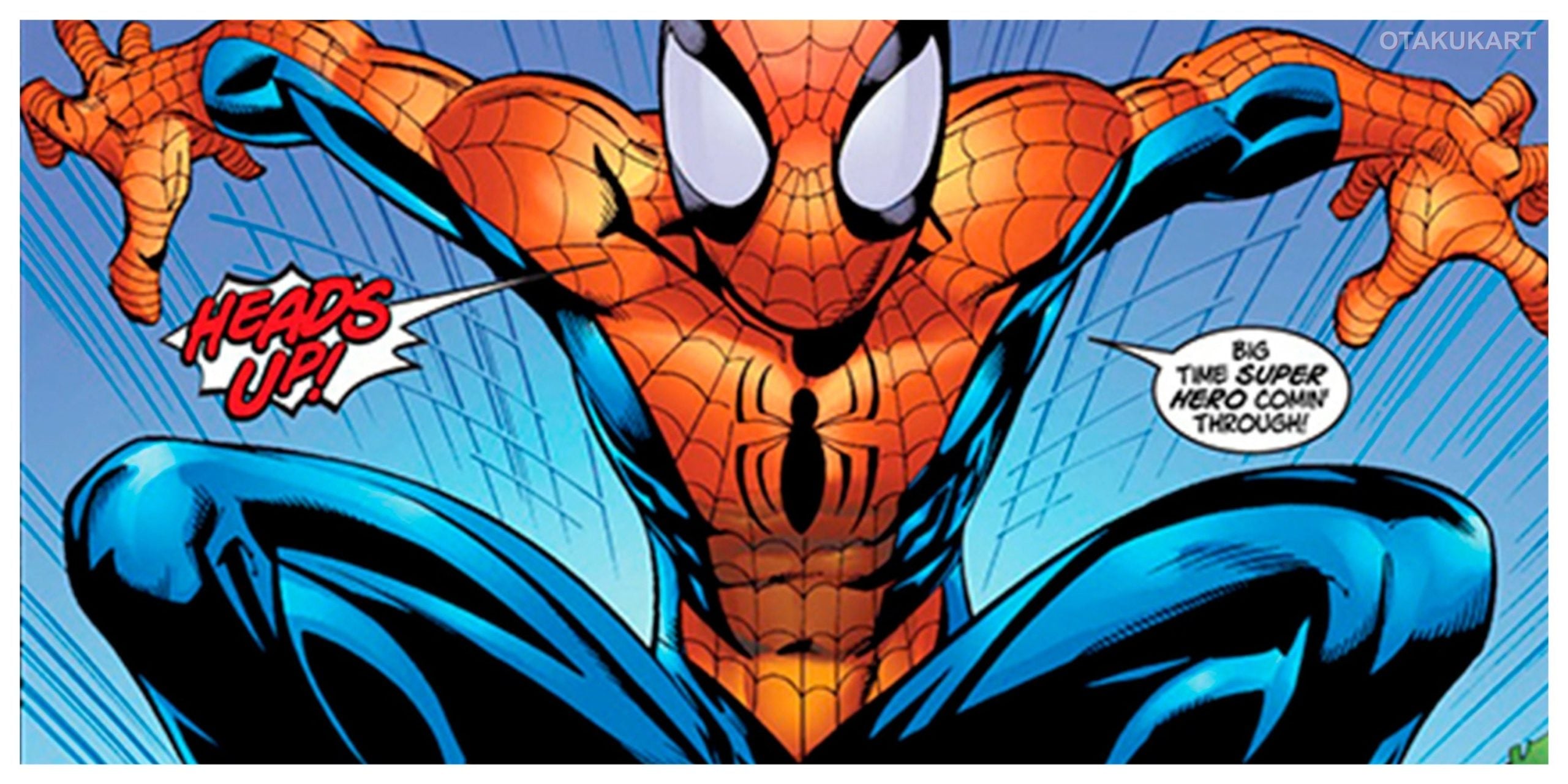
Peter begins as an ordinary teenager trying to balance school, friendships, and family life before gaining extraordinary powers. Rather than immediately becoming a confident superhero, readers watch him make mistakes, learn difficult lessons, and slowly grow into the hero everyone recognizes.
One of the series’ biggest strengths is its focus on relationships. Peter’s bond with Aunt May, Mary Jane Watson, Gwen Stacy, Harry Osborn, and his classmates feels realistic and emotionally engaging. These personal moments make readers care about Peter long before the larger superhero conflicts begin.
Brian Michael Bendis also modernized the dialogue, giving characters natural conversations that reflected how teenagers actually spoke. Combined with Mark Bagley’s energetic artwork, the series felt fresh while staying true to Spider-Man’s core values.
Ultimate Spider-Man also explored classic villains such as Green Goblin, Doctor Octopus, Venom, and Kingpin with updated origins that appealed to newer audiences without losing their original appeal. The comic became so successful that it influenced animated series, video games, and several Spider-Man films. Many ideas introduced here later appeared across different Marvel adaptations.
16. Fantastic Four by Jonathan Hickman
Jonathan Hickman’s Fantastic Four run is widely praised for expanding the Marvel Universe in exciting and creative ways. Instead of focusing only on superhero battles, the series explores science, exploration, family, and the endless possibilities of discovery.
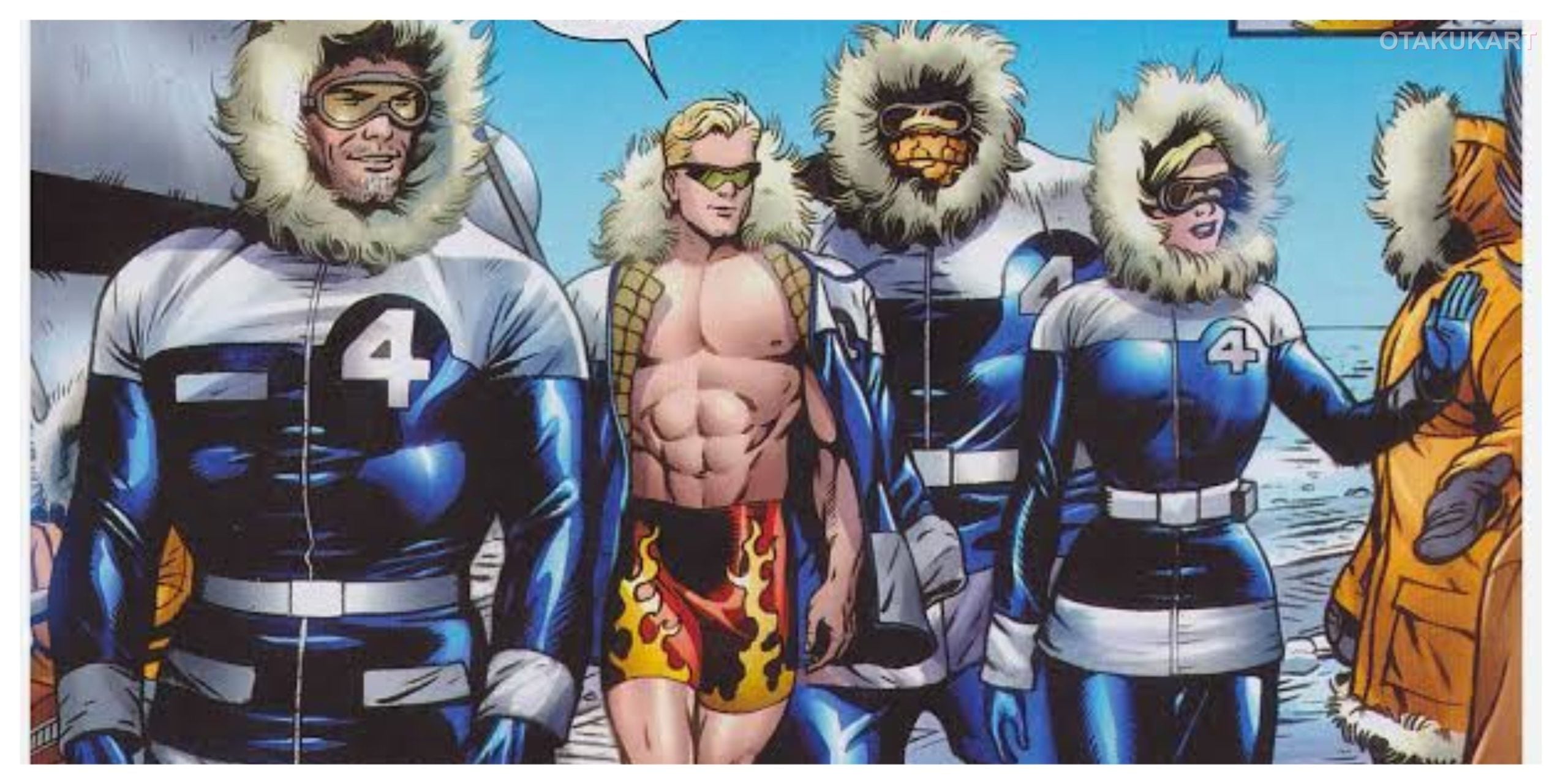
Reed Richards continues searching for solutions to impossible scientific problems while believing that knowledge can improve the future. Alongside Sue Storm, Johnny Storm, Ben Grimm, and their children, the Fantastic Four face challenges that stretch far beyond Earth.
The story introduces unforgettable ideas, including the Future Foundation, a team of brilliant young minds working together to solve humanity’s greatest problems. Hickman also expands the multiverse by introducing the Council of Reeds, showing countless alternate versions of Reed Richards from different realities.
Despite these massive scientific concepts, the series never forgets its emotional core. Family remains the heart of every decision the characters make. Their love, trust, and willingness to sacrifice for one another make the story feel personal even when entire universes are at risk.
Hickman’s long-term storytelling rewards patient readers by connecting small details across many issues into satisfying conclusions. Every storyline feels carefully planned, making the series one of Marvel’s most ambitious modern runs. The Fantastic Four are often called explorers rather than traditional superheroes, and this comic embraces that idea completely. Curiosity, imagination, and teamwork matter just as much as superpowers.
17. Planet Hulk
Planet Hulk transformed the Hulk from a misunderstood superhero into the leader of an unforgettable epic adventure. Rather than staying on Earth, Bruce Banner is sent into space by several fellow heroes who believe he has become too dangerous to control. Their decision changes his life forever and leads to one of Marvel’s greatest Hulk stories.
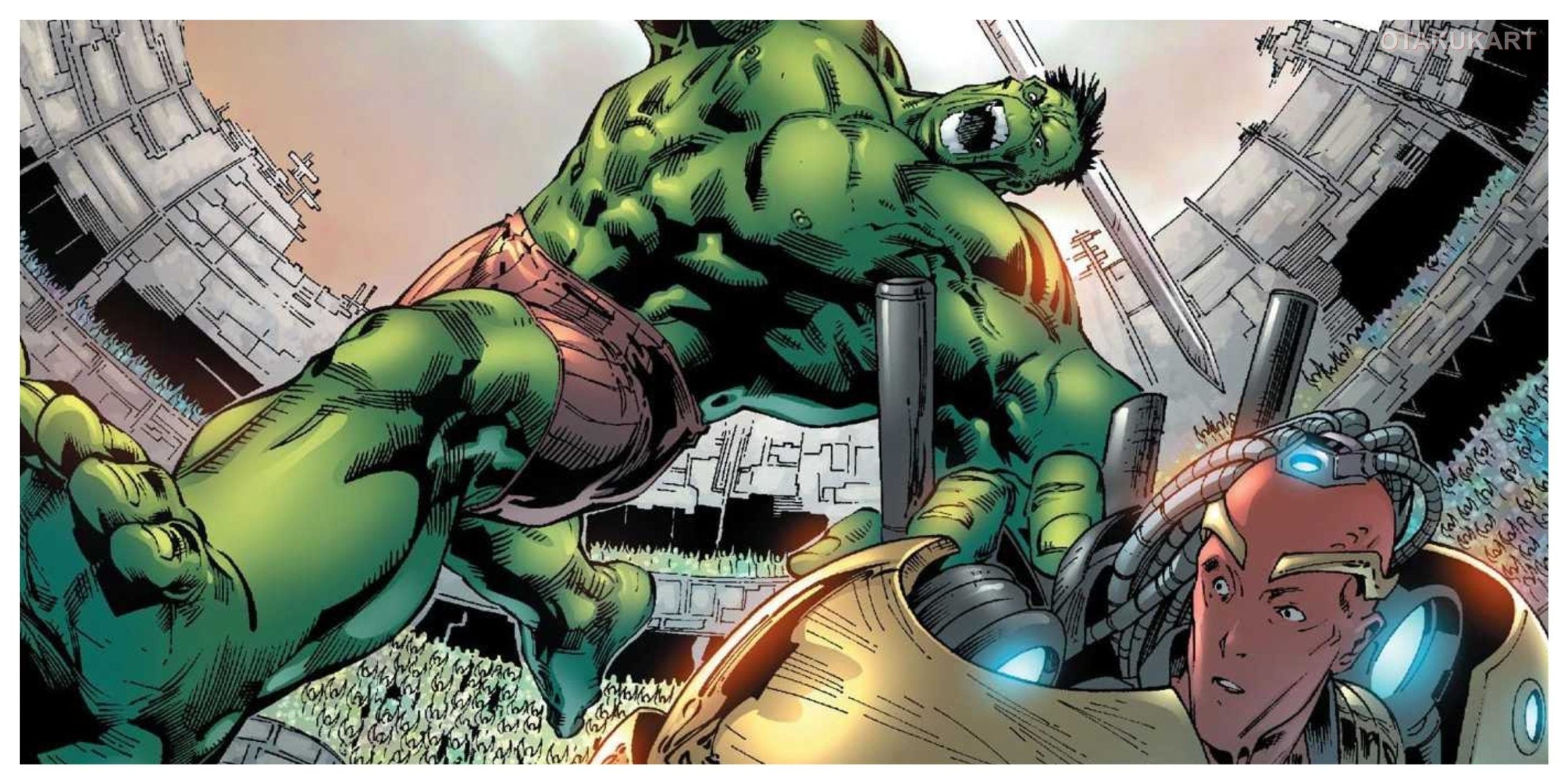
Instead of reaching the peaceful planet that was chosen for him, Hulk crashes onto the violent world of Sakaar. Captured and forced to fight as a gladiator, he must battle powerful warriors simply to survive. Although he begins as a prisoner, his courage and strength slowly earn the respect of both allies and enemies.
As the story progresses, Hulk forms meaningful friendships and discovers a true sense of belonging for the first time. He eventually rises from gladiator to king, becoming a symbol of hope for people living under an oppressive ruler. What makes Planet Hulk so memorable is its strong character development. Hulk is not portrayed as a mindless force of destruction. Instead, readers see his compassion, leadership, loyalty, and desire to protect the people who trust him.
The series blends superhero action with fantasy and science fiction, creating an exciting world filled with monsters, alien civilizations, and massive arena battles. Every chapter expands the rich history of Sakaar while keeping Hulk’s emotional journey at the center. Planet Hulk also sets the stage for its famous sequel, World War Hulk, making it an essential part of Hulk’s comic book history.