If you enjoyed Smoking Behind the Supermarket With You for its quiet conversations, workplace setting, and slow-building romance, you may appreciate stories that find romance in everyday life. The series shows how two adults can grow closer through ordinary encounters, shared routines, and the comfort of being understood. Its appeal comes from the way affection develops naturally, without making every interaction feel like a dramatic turning point.
The same warmth can be found in stories about office relationships, marriage, and people finding comfort after difficult experiences. Their characters have jobs, responsibilities, and insecurities that make their relationships feel familiar rather than idealized. Some also explore how unexpected circumstances can bring people together and reveal what they need from one another.
1. Wotakoi: Love Is Hard for Otaku
Narumi Momose hides her otaku hobbies at work because she worries that her colleagues will judge her. Her situation changes when she reunites with Hirotaka Nifuji, a childhood friend who already knows about her love of anime, manga, and games. Hirotaka does not treat her interests as embarrassing, and Narumi soon realizes she can be herself around him.
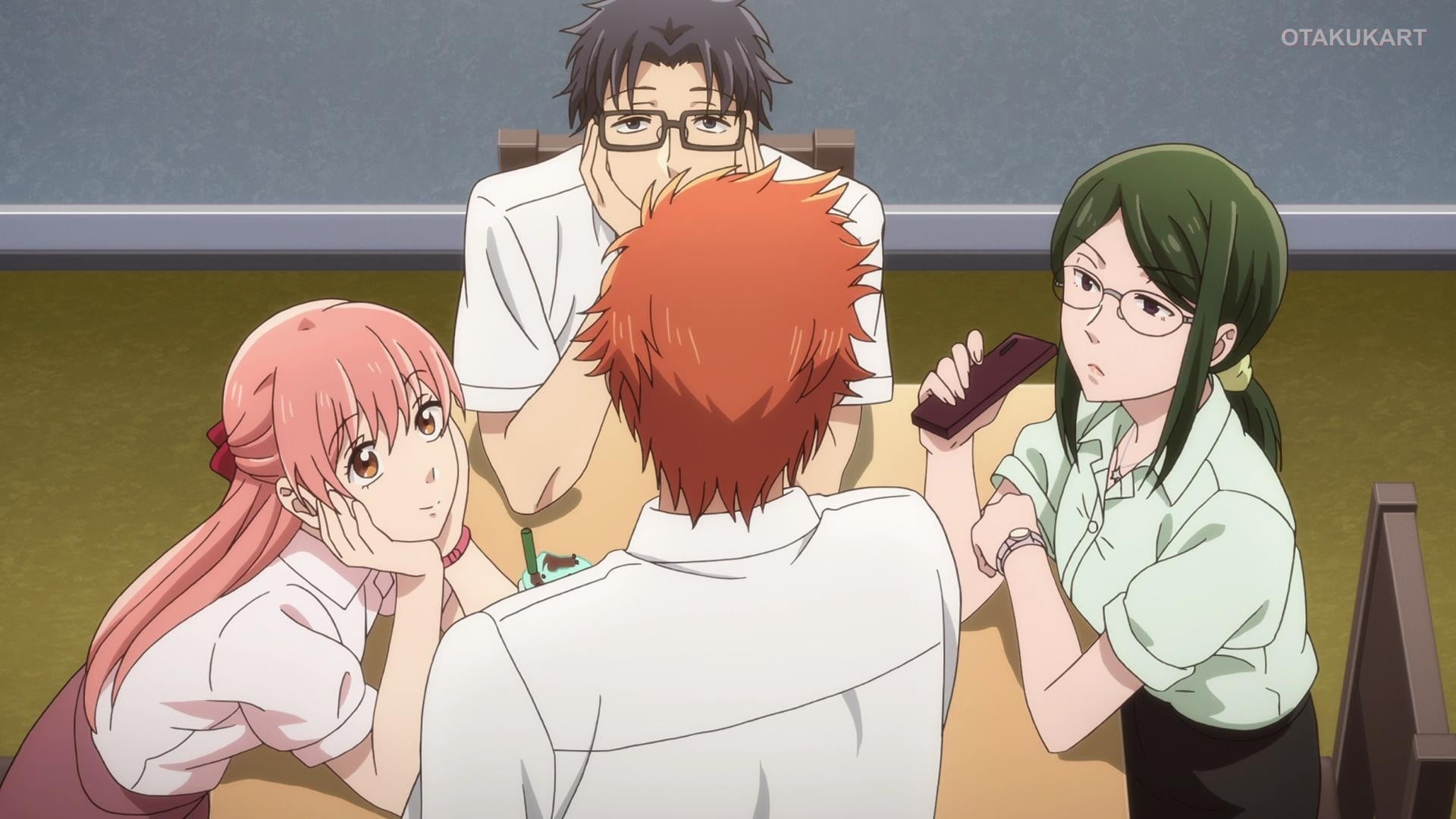
Their shared interests become part of the relationship. Familiarity allows Narumi and Hirotaka to tease each other, discuss their favorite games and anime, and gradually adjust to dating someone they already know well. Their romance also includes the awkward moments of learning how to be a couple while dealing with insecurities, personal habits, and everyday responsibilities.
The office setting keeps their relationship connected to the rest of their lives. Workdays, colleagues, after-work plans, and private hobbies continue alongside their romance rather than disappearing once they start dating. The supporting couples add further variety by showing relationships at different stages, from new and uncertain to more established and complicated.
That balance makes Wotakoi: Love Is Hard for Otaku one of the closest matches for Smoking Behind the Supermarket With You. Both anime build adult chemistry through familiarity, relaxed conversations, and companionship that develops during ordinary routines. Instead of relying on dramatic changes, they show how spending time together can make romance feel natural, humorous, and emotionally rewarding.
2. Recovery of an MMO Junkie
Produced by Signal.MD, Recovery of an MMO Junkie uses soft colors, expressive character animation, and a gentle visual style that suits its story about loneliness and recovery. The anime moves between Moriko’s ordinary life and the colorful world of her online game, creating a clear contrast between the pressure of reality and the comfort she finds behind a screen. Its relaxed presentation also gives the romantic moments a quiet, personal feeling.

Moriko Morioka’s withdrawal begins after years of feeling trapped in an exhausting office routine. At 30, she quits her job and cuts herself off from the working world, choosing to spend her days at home. She soon discovers the online game Fruits de Mer, where she creates the male avatar Hayashi and starts rebuilding a daily routine around quests, conversations, and friendships. The game gives her something to look forward to.
Her online friendship with Lily becomes important, while her offline encounters introduce her to Yuta Sakurai, a young salaryman who lives near her. Their connection becomes more complicated when Moriko discovers that Yuta is connected to the player behind Lily. As their virtual and real-world lives begin to overlap, the anime uses misunderstandings and awkward encounters to develop the romance.
Moriko’s biggest challenge is not finding someone who likes her, but learning to trust people again. Her anxiety and lack of confidence make even ordinary meetings difficult, yet she slowly begins leaving her home, accepting help, and forming connections outside the game. The romance feels meaningful because Yuta does not magically solve her problems.
3. Science Fell in Love, So I Tried to Prove It
Can love be measured through data, observations, and repeatable experiments? Himuro Ayame and Yukimura Shinya, two graduate students at Saitama University, decide to investigate that question after Himuro confesses her feelings to Yukimura. Rather than accepting their emotions as an ordinary part of life, they treat love as a scientific problem that needs evidence.

Ayame Himuro and Shinya Yukimura measure their heart rates, observe their reactions during close contact, and create tests to determine whether their behavior proves romantic attraction. Even holding hands or spending time together becomes complicated because both insist on collecting evidence instead of simply accepting their feelings. Kanade, Kosuke, and Chris also become involved in the laboratory experiments, turning the research into a group activity filled with competing opinions, awkward situations, and increasingly elaborate attempts to define love.
The comedy comes from the gap between what the characters feel and what they can actually express. Like Smoking Behind the Supermarket With You, the series finds humor in awkward conversations and people struggling to communicate their emotions. The difference is that Himuro and Yukimura turn every romantic uncertainty into a research project, making their relationship more exaggerated but still recognizable.
4. My Happy Marriage
Miyo Saimori grows up in a family that treats her as less important than her half-sister. After her mother dies, her father sends her away to marry Kiyoka Kudou, a military commander known for being cold and difficult. Expecting another cruel household, Miyo arrives at his home with little confidence and prepares herself for rejection.

The narrative includes supernatural abilities, powerful families, and conflicts involving grotesque creatures, but the romance often develops through quieter moments. Kiyoka gives Miyo new clothes, prepares meals, and notices when she is frightened or uncomfortable. These simple gestures matter because Miyo has spent most of her life being denied basic kindness.
Kiyoka’s patience becomes especially important after Miyo arrives at his household, where she expects to be treated as an unwanted bride. When supernatural forces connected to the Usuba family later threaten Miyo, Kiyoka’s actions show that he sees her as more than a bride he must accept out of duty. As she begins to understand his genuine desire to protect her, Miyo realizes that his feelings are rooted in love rather than obligation.
The music strengthens the series’ emotional atmosphere, especially during scenes involving Miyo’s memories, loneliness, and growing connection with Kiyoka. Its gentle melodies give the quieter romantic moments a sense of warmth, while the more dramatic compositions support the supernatural conflicts and emotional turning points. The result is a romance that feels intimate even when the story expands into fantasy and danger.
5. Aggretsuko
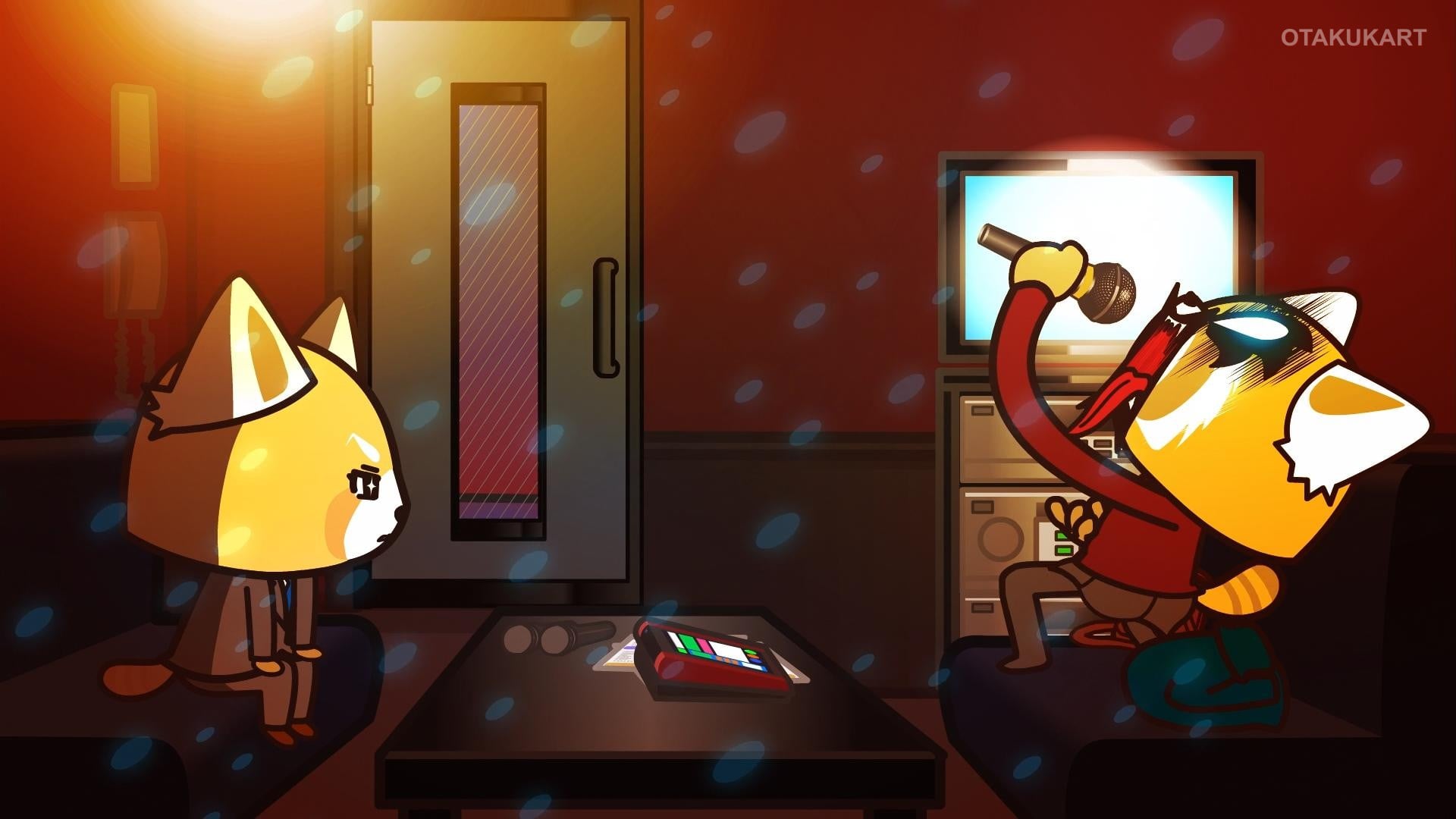
Before the office day even begins, Retsuko knows she will have to hide her real feelings behind a careful smile. At her accounting job, she puts up with her sexist boss, Ton, and swallows her frustration whenever he piles more work onto her. She cannot openly challenge him without risking trouble at work, so she saves the anger for later. Once she reaches a private karaoke booth, the polite employee disappears, and the heavy-metal screaming begins.
Aggretsuko is not a conventional romance anime, but its focus on adult routines makes it a natural companion to Smoking Behind the Supermarket With You. Retsuko’s story follows the pressure of earning a living, managing friendships, and finding time for herself outside the office. Like the target series, it shows how ordinary places and repeated encounters can reveal a character’s personality, insecurities, and need for companionship.
After finishing work, Retsuko heads to karaoke and screams heavy metal songs to release the anger she cannot express at her desk. The contrast between her quiet office behavior and her furious singing creates much of the comedy, while the workplace satire exposes problems such as harassment, unfair expectations, and office politics. Romance appears alongside these struggles through her relationships with characters such as Haida and Tadano.
6. The Ice Guy and His Cool Female Colleague
While Fuyutsuki handles office conversations and daily tasks with ease, Himuro struggles to hide his reactions whenever she shows him kindness. Her simple gestures, such as offering him a drink or spending time with him after work, can leave him surrounded by snow and ice. Fuyutsuki responds to these unusual moments with patience rather than embarrassment, allowing him to feel comfortable around her.
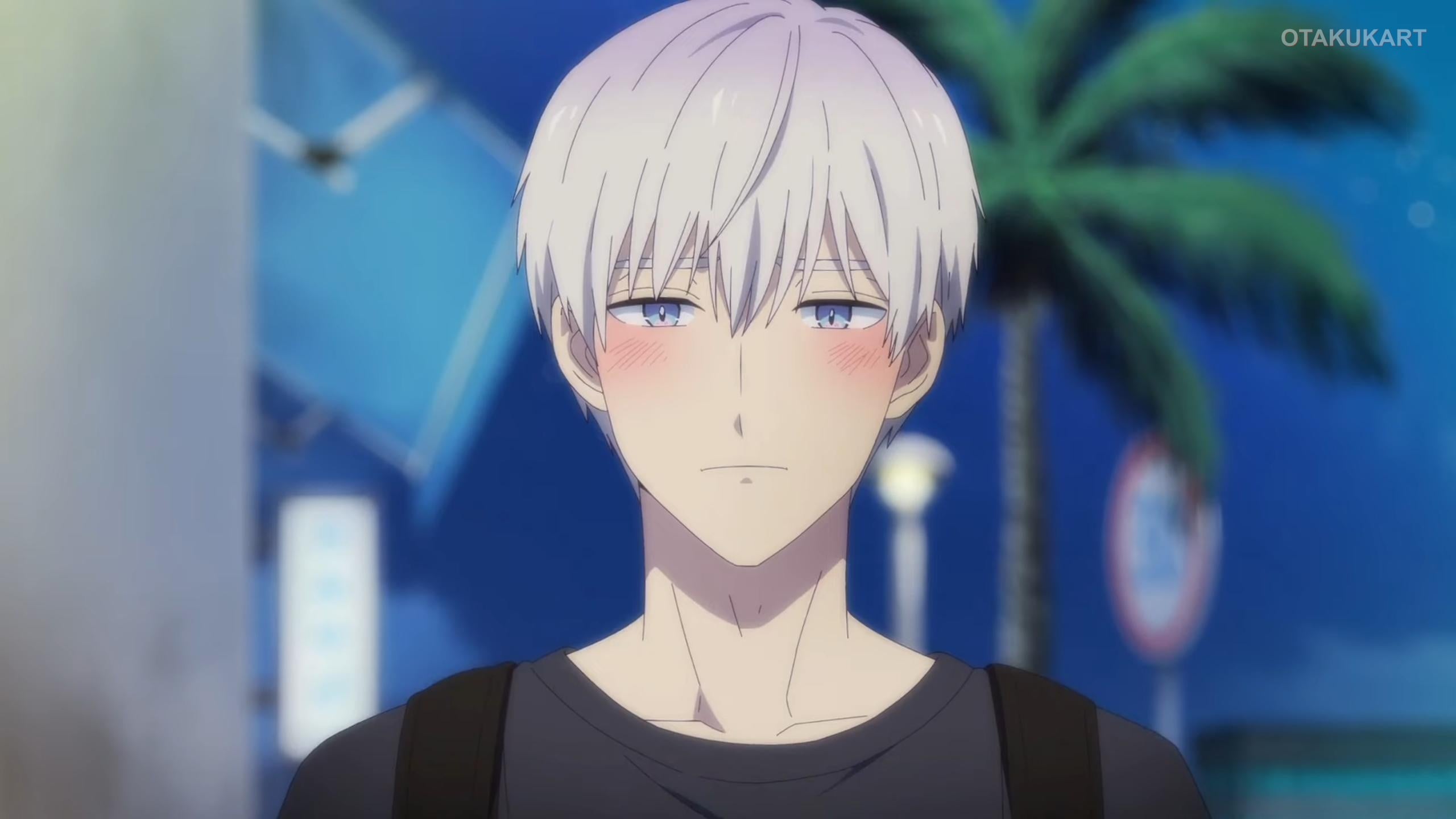
The supernatural premise turns ordinary romantic moments into playful visual comedy without taking attention away from the relationship. A simple compliment can make Himuro’s emotions erupt into a flurry of snow, while a memorable office outing can transform his surroundings into a winter wonderland. Fuyutsuki does not treat these reactions as a reason to distance herself, which helps the romance develop through acceptance and familiarity.
The director, Mankyu, uses the supernatural elements to give the series a playful visual style that complements its romantic comedy. The supporting cast adds to the humor through their reactions to Himuro’s unusual abilities and the everyday situations surrounding him. Together, the direction and ensemble performances create a lighthearted office setting where the comedy feels natural rather than forced.
7. My Senpai Is Annoying
The character designs make the contrast between Futaba and Takeda part of the story before either of them says much. Futaba’s small stature and determined expression emphasize how seriously she takes her career. Takeda’s enormous build and relaxed manner make him appear even more overwhelming beside her.
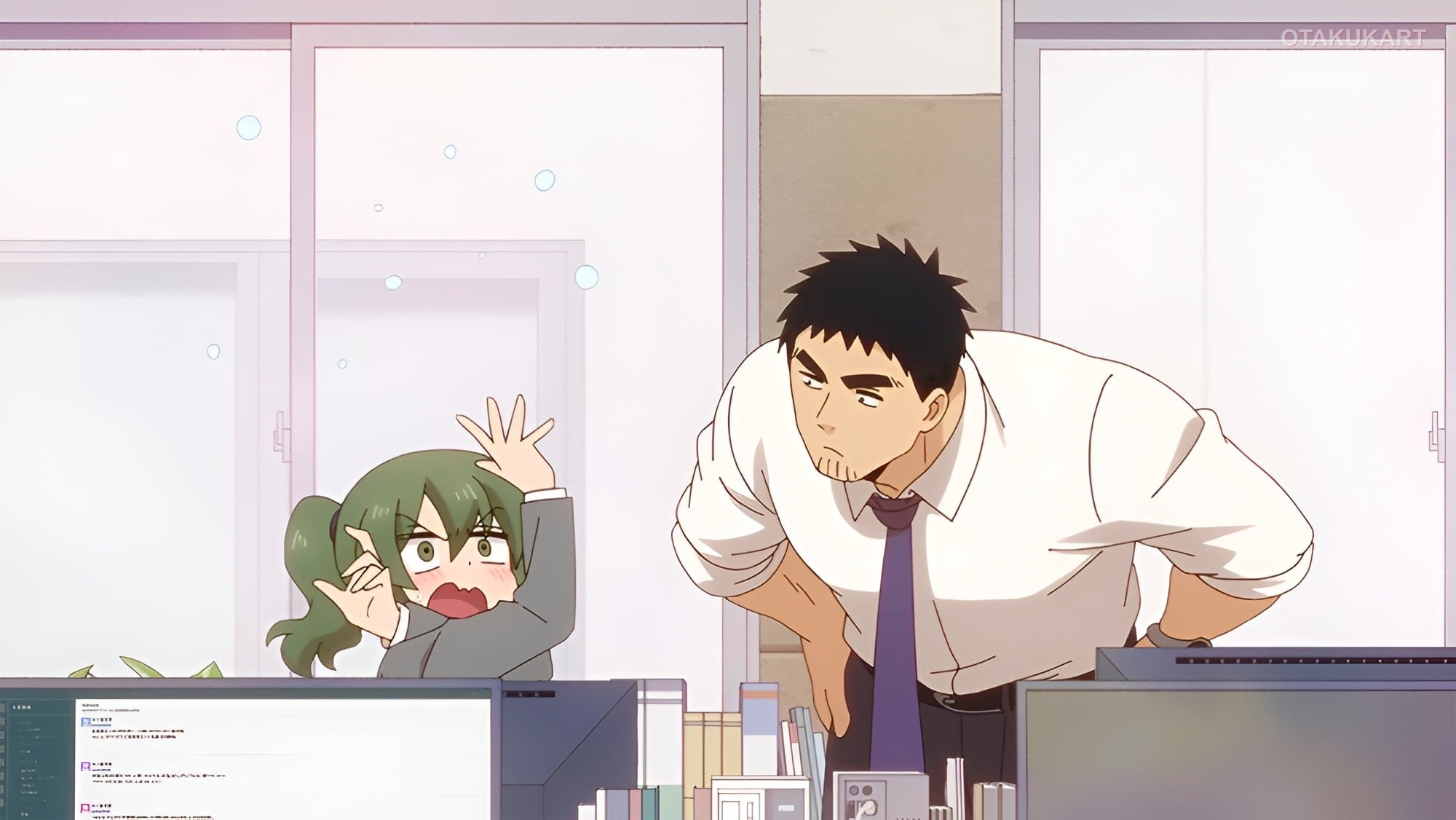
Futaba Igarashi’s short stature often makes her coworkers underestimate her, which becomes especially frustrating when she is trying to prove herself as a capable adult at work. Takeda’s teasing about her height adds to the comedy, but his actions also show that he genuinely cares about her. Their relationship develops through office conversations, shared experiences, and after-work moments, while the other employees, workplace friendships, and everyday routines keep the story from becoming only about romance.
The theme song adds to the anime’s energetic personality through its lively rhythm and playful presentation. Its upbeat mood fits the exaggerated character designs and the fast-moving office comedy, while the opening visuals introduce the cast as a group rather than treating the romance as the only attraction. That approach reflects the story itself, where Futaba’s friendships and workplace experiences are just as important as her feelings for Takeda.
The office environment gives the series a familiar setting for its oversized personalities and everyday conflicts. Desks, meeting rooms, train rides, and after-work locations create a believable routine around Futaba and Takeda, making their interactions feel connected to ordinary working life. The contrast between the busy office and quieter outdoor scenes also helps the characters feel like people with lives beyond their jobs.
8. The Way of the Househusband
Tatsu’s former life as the yakuza leader known as the Immortal Dragon makes his new domestic routine look like a criminal operation. After marrying Miku and leaving that life behind, he treats grocery shopping, cooking, and cleaning with the same discipline he once used during dangerous missions. In one episode, he approaches a supermarket bargain like a tactical challenge, while other scenes turn meal preparation and household chores into serious assignments. His tattoos, stern expression, and intimidating voice make these ordinary tasks even funnier.
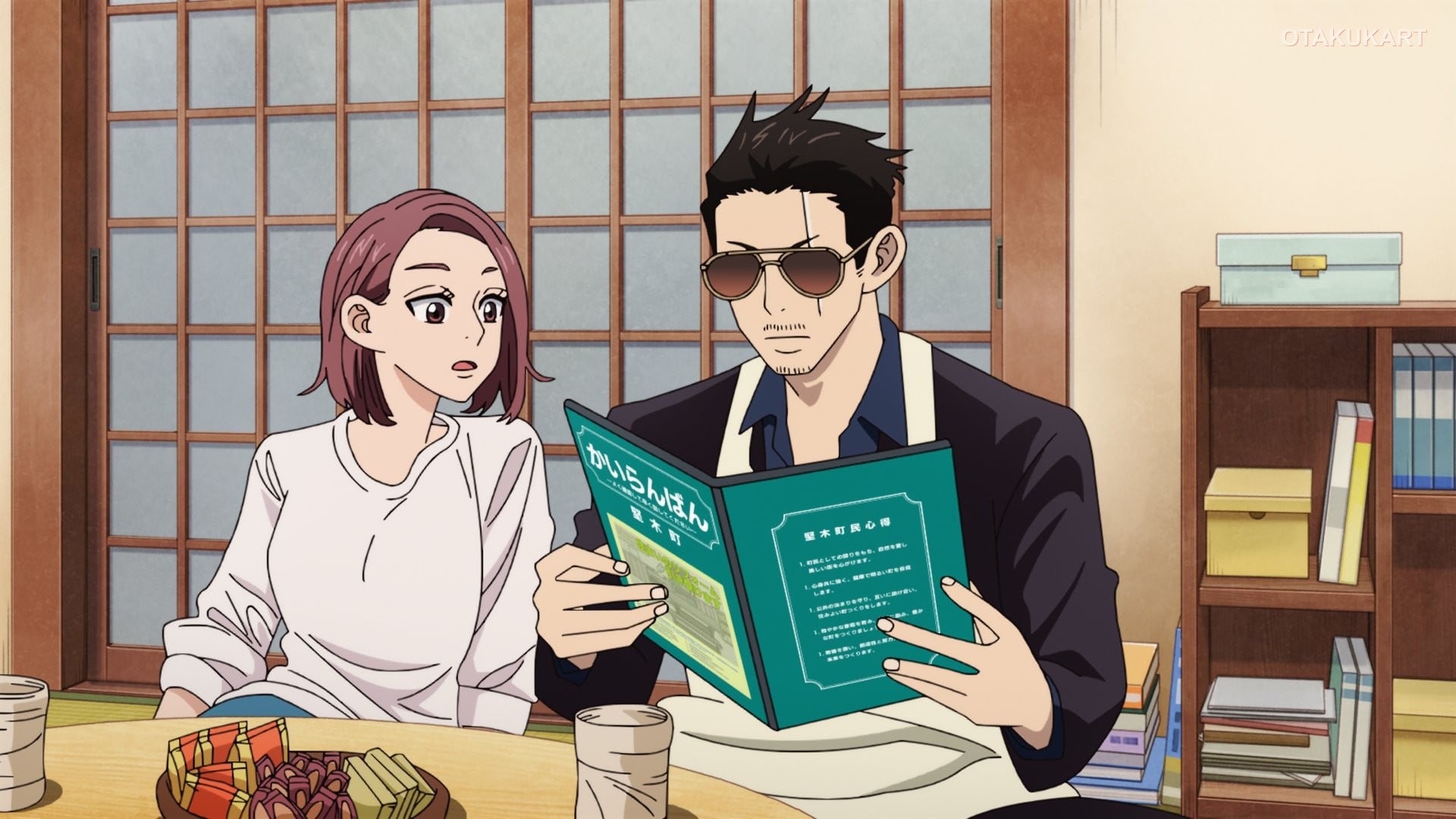
Miku and Tatsu are already married, so the comedy does not depend on whether they will confess their feelings or become a couple. Tatsu shows his devotion through carefully prepared meals, spotless rooms, and the effort he puts into making Miku’s life easier. Miku is not simply a passive recipient of his attention. Her own work, personality, and reactions keep their marriage balanced, while Tatsu’s dramatic approach to domestic life creates most of the humor.
The voice acting gives Tatsu’s exaggerated behavior much of its impact. Kenjiro Tsuda delivers his lines in a deep, serious voice that makes even ordinary household announcements sound like threats or criminal declarations. That contrast becomes especially effective when Tatsu discusses recipes, bargains with shopkeepers, or proudly presents something he has made for Miku. The supporting cast adds further energy, but Tsuda’s performance is central to the anime’s distinctive comedy.
9. Tonikawa: Over the Moon For You
Nasa Yuzaki and Tsukasa Tsukuyomi begin their married life before they have had the chance to understand each other properly. After Nasa is injured while trying to approach Tsukasa, she agrees to marry him on the condition that he comes back to her. When they finally reunite, Nasa discovers that his mysterious crush is now his wife. The story then follows their early attempts to share a home, manage daily responsibilities, and learn what marriage actually means.
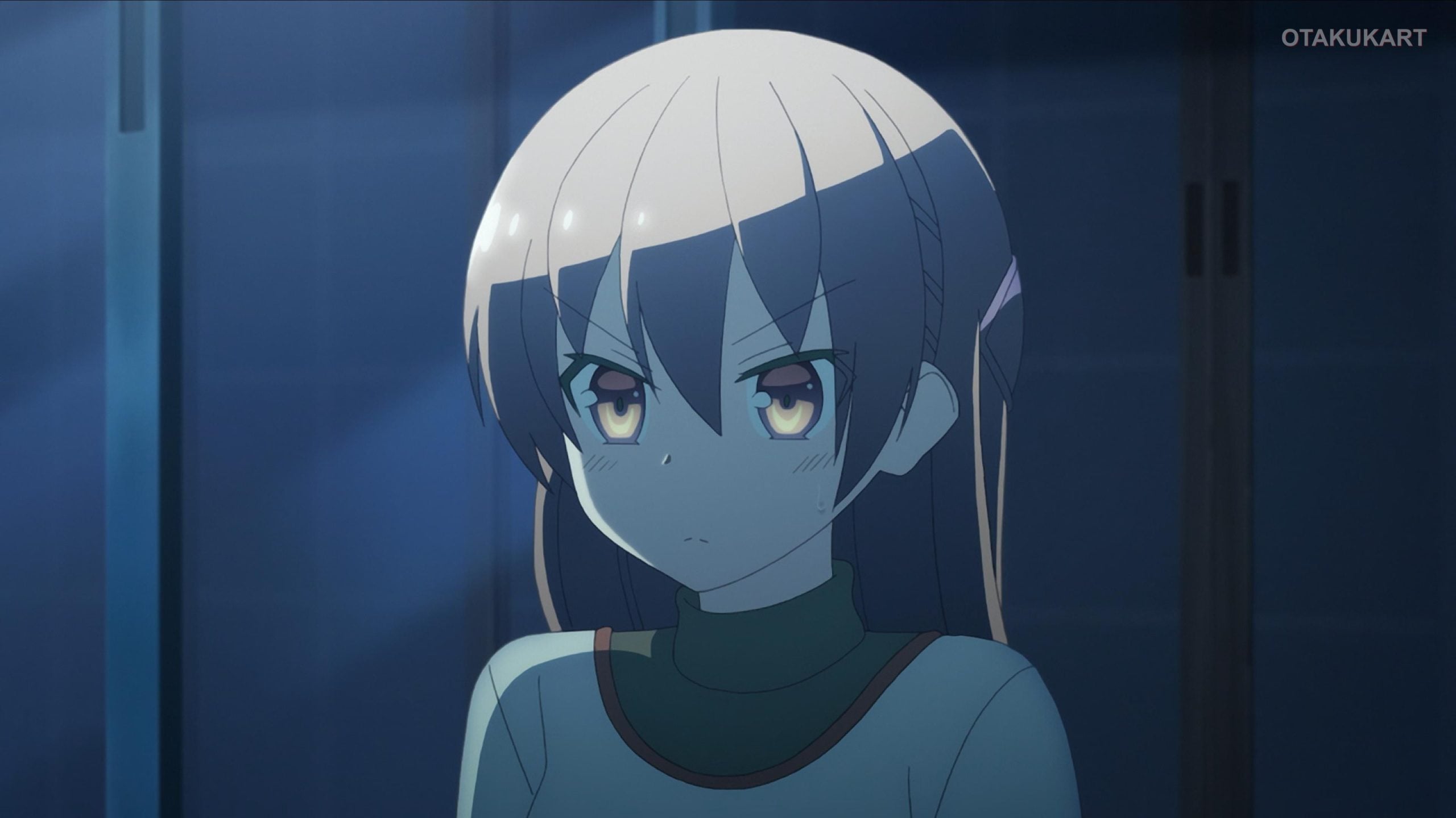
When Tsukasa arrives at Nasa’s apartment, he must adjust to sharing his home with the girl he once admired from a distance. His excitement about marriage contrasts with her reserved nature, making their early interactions both sweet and awkward. Tsukasa’s mysterious past and unusual knowledge also leave Nasa with questions he cannot easily ask. As they settle into married life, their growing familiarity allows their relationship to develop beyond his initial admiration.
Much of the comedy comes from ordinary experiences that become meaningful because they are doing them together for the first time. Nasa and Tsukasa learn each other’s habits, spend time at home, and discover how awkward it can be to share personal space with someone they love. Even simple activities, such as eating together or preparing for a day out, become opportunities to grow closer.
10. Love After World Domination
The secret relationship between a superhero and a villain creates the central conflict. Fudo Aikawa and Desumi Magahara fall in love even though their organizations expect them to fight each other. Their private meetings become a challenge because they must hide their feelings while continuing to appear as enemies in public.

Fudo Aikawa leads Gelato 5, while Desumi Magahara fights for Gekko as its feared member, Death. Their relationship begins when Fudo confesses his feelings during a battle, and Desumi accepts despite their opposing positions. They must hide their dates from both organizations because being discovered could damage their reputations and put them in danger.
The romance is not merely a reward for defeating enemies or completing missions. Fudo and Desumi’s relationship creates many of the story’s main problems, from hiding their dates to deciding how much of their private lives they can reveal. Their feelings also affect how they approach their duties, since both must balance loyalty to their organizations with their desire to protect each other.
The character designs reinforce the contrast between their public identities and private personalities. Fudo’s bright hero costume presents him as an idealistic leader, while Desumi’s dark villain outfit and intimidating appearance make her seem dangerous to the people she fights. Away from battle, Desumi becomes shy and affectionate, while Fudo’s confident hero image gives way to nervous excitement around her.
11. My Love Story with Yamada-kun at Lv999
The anime’s visual style gives its characters unusually expressive reactions, especially when Akane becomes embarrassed, frustrated, or excited. Her exaggerated facial expressions make her emotional openness easy to understand, while Yamada’s quieter responses create a sharp contrast. The animation also uses changes in expression and body language to show how their relationship develops, even when neither character says exactly what they feel.
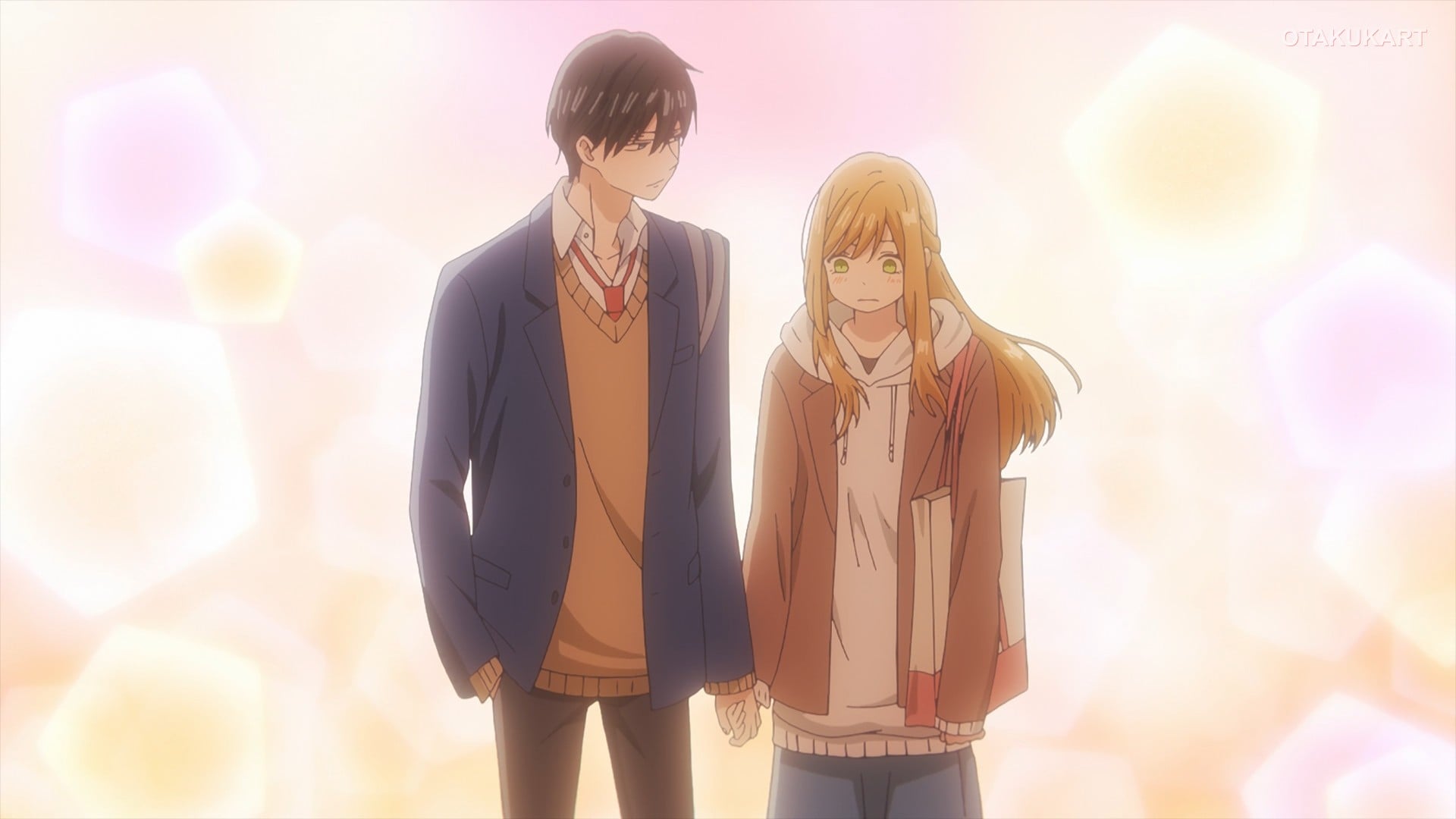
The online game Forest of Savior brings Akane and Yamada together after Akane joins it following her breakup. Gaming is not just a background detail, since it gives the characters a place to meet, form friendships, and interact without the pressure of a traditional first date. Akane becomes involved with Yamada’s guild.
Akane and Yamada have very different personalities, which makes their early interactions awkward and entertaining. Akane is emotional and talkative, while Yamada is a reserved professional gamer who often responds with short, direct comments. Their relationship develops through repeated meetings, gaming sessions, and moments when Yamada begins showing more concern for Akane.
At a gaming event, she unexpectedly meets Yamada in person and discovers that the quiet player she knows online is even more difficult to read offline. When her ex-boyfriend appears and tries to speak to her, Akane introduces Yamada as her new boyfriend, partly to show that she has moved on. The moment is awkward because Yamada does not immediately understand the situation, but it becomes an important step in Akane’s recovery and the beginning of a closer connection between them.
The voice acting gives Akane’s energetic personality much of its charm. In the anime, Inori Minase makes her sound lively, expressive, and quick to react, especially when she is excited about gaming or embarrassed by Yamada’s blunt responses. Her voice also captures the hurt beneath Akane’s cheerful behavior, making her breakup and growing confidence feel more personal. Koki Uchiyama provides a strong contrast as Yamada, using a quieter and more restrained delivery that makes his occasional moments of concern stand out.
12. After the Rain
While recovering from a serious knee injury ends Akira Tachibana’s running career, she begins working at a family restaurant and develops feelings for its manager, Masami Kondo. When she confesses to him, Kondo is surprised because he is a divorced man in his 40s raising a young son, while Akira is still in high school. Their situation becomes complicated as Kondo tries to understand her feelings without ignoring the differences in their ages, responsibilities, and life experiences.
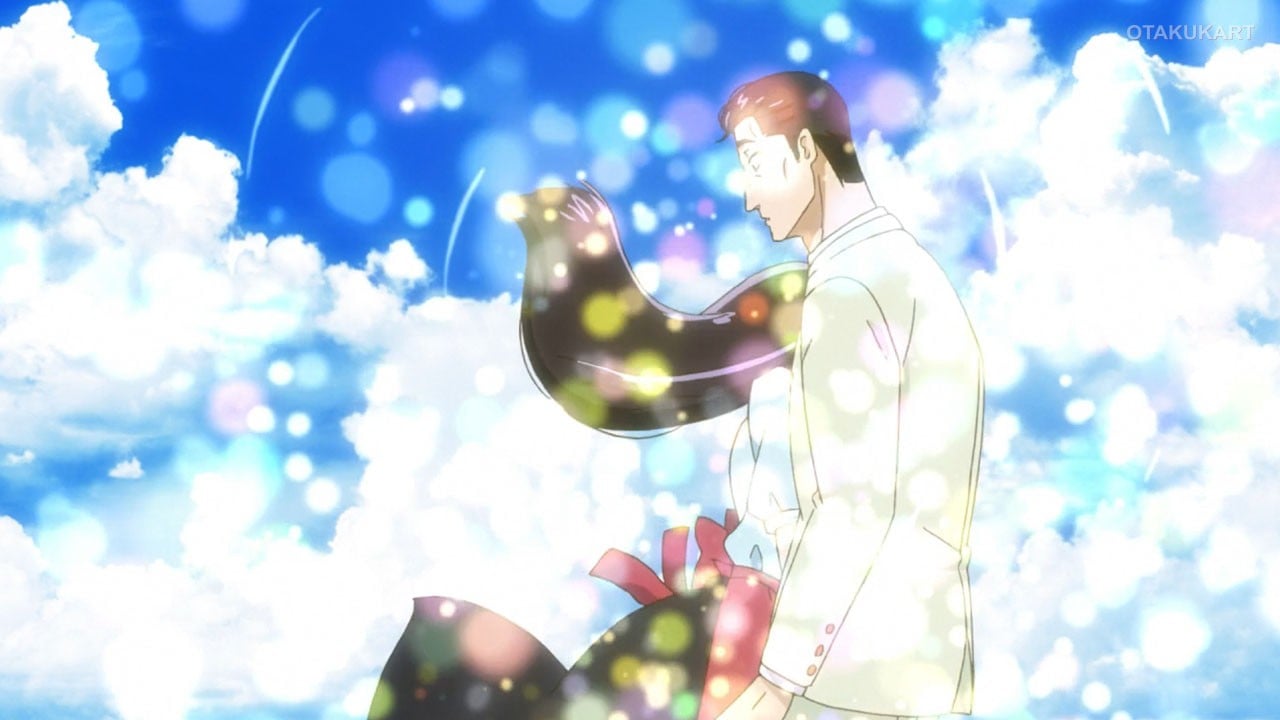
Kondo’s responsibilities shape nearly every part of his response to Akira. He works long hours at the restaurant, cares for his son, and struggles with the feeling that his own ambitions have faded with age. When Akira expresses her feelings, he is touched by her sincerity but also recognizes the difference between their lives.
After the Rain is more thoughtful and restrained than a conventional romantic comedy because it does not treat every feeling as something that must lead to a relationship. Akira’s affection becomes part of her recovery from losing her place in competitive running, while Kondo must confront his own regrets and responsibilities. The quiet pacing allows pauses, hesitation, and ordinary conversations to carry emotional weight.
13. A Sign of Affection
Yuki Itose is deaf and primarily communicates through sign language, so everyday conversations can become difficult when classmates, shop workers, or strangers do not understand how to interact with her. In the opening story, she meets Itsuomi Nagi on a train while he helps her communicate with a foreign passenger, and his natural curiosity makes her feel comfortable. Yuki also uses her phone and written messages when needed, showing how she manages different situations without treating her deafness as something that must be fixed.

The gentle tone of A Sign of Affection comes from the way ordinary encounters become meaningful to Yuki. A short conversation, a message on her phone, or someone taking the time to communicate with her can change the mood of her entire day. Like Smoking Behind the Supermarket With You, the series finds romantic warmth in familiar routines rather than dramatic declarations.
Yuki’s world begins to expand when she meets Itsuomi Nagi, a university student who enjoys traveling and learning about different cultures. Their first encounter takes place on a train. His curiosity about her life and his willingness to learn sign language make Yuki interested in him. As they spend more time together, Itsuomi introduces her to experiences outside her usual routine, while Yuki helps him understand communication from her perspective.
The manga is written and illustrated by Suu Morishita, whose storytelling gives the romance a soft, intimate atmosphere. Itsuomi’s interest in different languages and cultures adds to the series’ sense of curiosity, while Yuki’s use of sign language keeps the relationship grounded in her everyday experiences. Their connection develops through the process of learning how to understand one another.
14. Uzaki-chan Wants to Hang Out!
Shinichi Sakurai prefers spending his free time alone, whether he is playing games, relaxing at home, or enjoying a quiet day without interruptions. Hana Uzaki refuses to let him remain isolated and repeatedly invites herself into his plans because she believes he would have more fun with company. Her persistence annoys Sakurai, but she also brings energy into his routine and slowly becomes a regular part of his life.

Hana Uzaki’s cheerful, talkative personality constantly clashes with Shinichi Sakurai’s serious and easily irritated nature, especially when she insists that his preference for spending time alone means he is lonely. During their college days, she repeatedly joins him at cafés, game centers, and restaurants, turning ordinary outings into chaotic situations that leave him embarrassed, even though he rarely tells her to leave. As they spend more time together, Sakurai begins accepting her company, while Uzaki gradually realizes that his quiet nature does not mean he dislikes her, and their friendship slowly develops into something more.
Their costumes also reinforce the contrast between their personalities. Uzaki often wears casual clothes that highlight her energetic and playful image, including her recognizable university outfit and bright everyday fashion. Sakurai usually dresses more plainly, matching his reserved personality and preference for avoiding attention. The difference becomes part of the visual comedy.
The opening theme, Nadame Sukashi Negotiation, supports the anime’s upbeat romantic-comedy tone through its energetic music and playful presentation of Uzaki and Sakurai. Its lively visuals emphasize Uzaki’s constant movement and Sakurai’s frustrated reactions, making their contrasting personalities clear before the story even begins. The theme also presents their everyday activities as shared experiences, from hanging out to dealing with friends and romantic misunderstandings.
15. Romantic Killer
Anzu Hoshino has little interest in romance and would rather spend her time playing video games, eating chocolate, and taking care of her cat. She is happy with her hobbies and does not feel that dating would improve her life. Her routine changes when a magical creature named Riri appears and decides that Anzu must experience romance. Instead of accepting the idea, Anzu treats the sudden changes as an unwanted attack on the life she already enjoys.
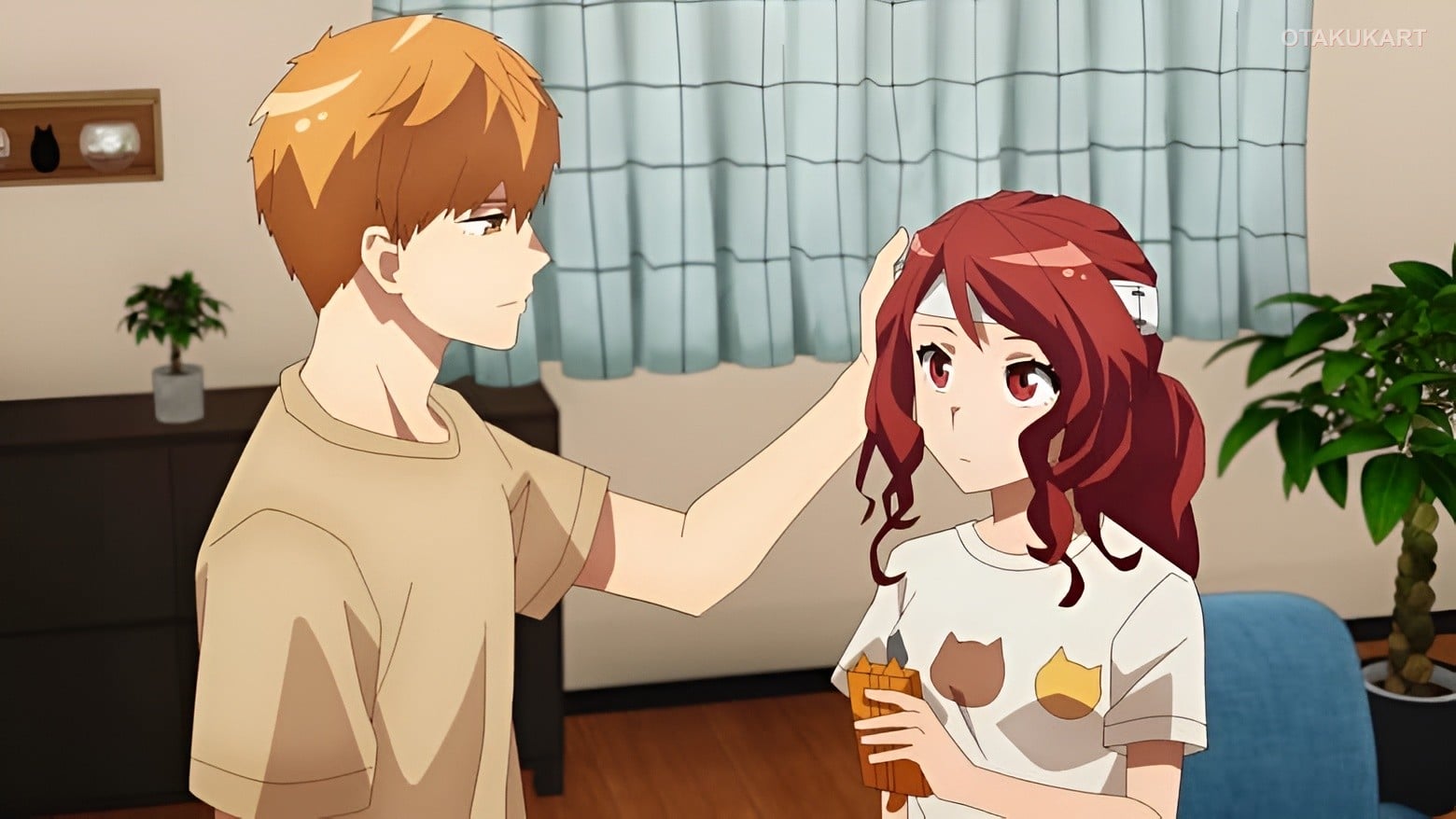
Anzu Hoshino’s world is turned upside down when the wizard Riri removes her favorite comforts and forces her into a series of romantic situations. She is suddenly surrounded by attractive classmates, including the popular Tsukasa Kazuki, and must deal with awkward encounters, unexpected dates, and misunderstandings that she would normally avoid. The comedy comes from Anzu’s determination to escape Riri’s matchmaking plans and protect her independence.
The background music strengthens the contrast between Anzu’s ordinary interests and the exaggerated romantic situations surrounding her. Playful, energetic tracks accompany her arguments with Riri and her attempts to escape unwanted attention, while softer music gives emotional weight to moments when she begins understanding the people around her. The soundtrack also helps the series shift between absurd comedy and more serious scenes involving loneliness, friendship, and personal choice.