

Romance anime in 2026 is operating at a higher narrative level than the genre’s earlier, trope-heavy era. Confessions are no longer the finish line. Instead, writers are exploring compatibility, insecurity, ambition, emotional literacy, and long-term relationship dynamics.
Modern romance series increasingly intersect with sports, digital culture, entertainment industries, and slice-of-life realism. The result is a lineup that feels grounded, layered, and far more rewatchable.
1. Blue Box
If you’re going into Blue Box expecting dramatic love triangles and chaotic misunderstandings every two episodes, reset your expectations. This series plays the long game, and that’s exactly why it works.
At its core, Blue Box follows Taiki Inomata, a hardworking badminton player with a quiet crush on basketball star Chinatsu Kano.
Through a change in living arrangements, they end up sharing the same house. Yes, it sounds like classic romance anime setup material. But instead of leaning into awkward fan service or over-the-top comedy, the story chooses subtlety.
What makes this anime addictive is how natural everything feels. Taiki isn’t some overpowered main character who suddenly wins the girl’s heart. He’s insecure. He compares himself to others.
He worries he’s not good enough, both as an athlete and as someone worthy of standing next to Chinatsu. That internal struggle gives the romance weight.
Chinatsu, on the other hand, isn’t reduced to a “perfect senpai” stereotype. She’s disciplined, focused, and emotionally reserved, but not distant.
As the episodes progress, you start seeing small cracks in her composed exterior. She respects effort. She notices sincerity. And the connection between them grows through shared routines rather than dramatic declarations.
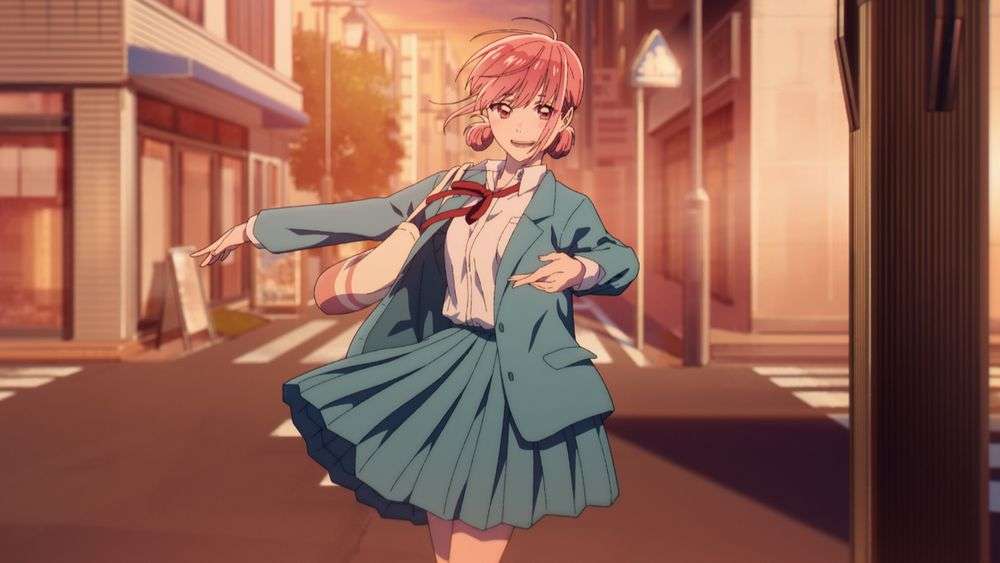
The sports element isn’t just background decoration either. Badminton and basketball actively shape the pacing of their relationship.
Tournament pressure, training schedules, and personal goals constantly test their emotional balance. Instead of romance interrupting ambition, ambition sharpens the romance. Their dreams matter just as much as their feelings.
There are no forced misunderstandings dragged out for five episodes. No exaggerated screaming matches. Instead, tension builds through eye contact, quiet encouragement, and moments where one character hesitates just a second too long. It’s subtle, but that subtlety makes every small breakthrough feel earned.
Visually, the anime leans into soft lighting and clean gymnasium settings, reinforcing that grounded atmosphere. Early-morning practice scenes and quiet conversations at home become emotionally charged without the need for dramatic music cues or flashy direction.
If you like romance that feels realistic, steady, and emotionally sincere, Blue Box delivers. It’s about admiration turning into affection, and affection slowly becoming something deeper, all while two teenagers chase their athletic dreams.
In a genre often filled with loud drama, Blue Box proves that quiet tension can be just as powerful. And once you get invested in that slow burn, it’s hard to look away.
2. A Sign of Affection
Set in college, the story follows Yuki, a deaf university student navigating independence, friendships, and first love. Her world is quiet, not empty, but calm.
That perspective shapes the entire tone of the series. When she meets Itsuomi, a well-traveled and open-minded classmate, their connection doesn’t explode into instant romance. It unfolds gently.
What makes this anime stand out is how intentional it is with communication. Sign language isn’t treated as a gimmick or emotional shortcut. It’s part of daily life.
The series takes its time showing how conversations happen, how misunderstandings are resolved, and how effort matters. Watching Itsuomi actively learn and adapt feels meaningful because it’s consistent, not performative.
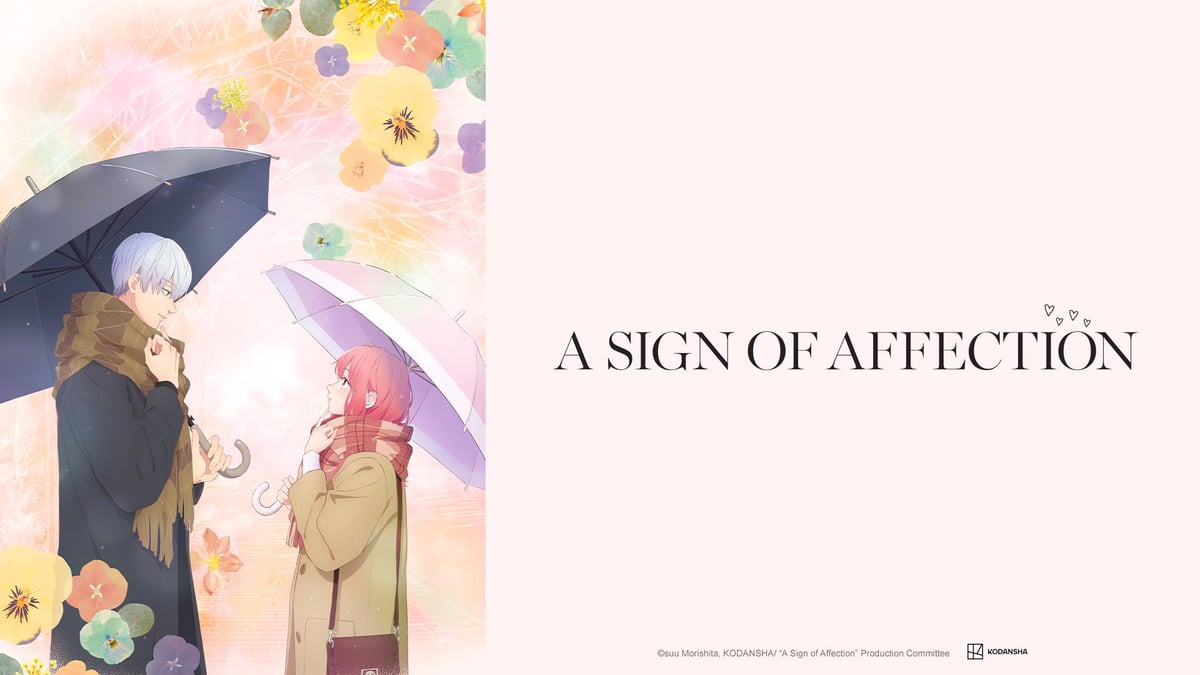
Yuki is also written with refreshing nuance. She isn’t defined solely by her disability. She’s curious, slightly shy, occasionally insecure, and very capable of expressing what she wants. Her growth throughout the series feels personal. As she opens up emotionally, you see her confidence expand as well.
Itsuomi, meanwhile, avoids the typical “mysterious cool guy” trope. Yes, he’s calm and composed, but he’s also direct and surprisingly emotionally transparent. He doesn’t create artificial drama. That maturity shifts the tone of the romance from chaotic to stable.
Visually, A Sign of Affection leans into soft colors and intimate framing. Close-ups of hands signing, quiet winter scenes, and gentle lighting reinforce the intimacy of their interactions. The animation supports the emotional atmosphere rather than overpowering it.
3. My Love Story with Yamada-kun at Lv999
If you’ve ever downloaded a game to distract yourself from heartbreak, this anime will hit immediately.
My Love Story with Yamada-kun at Lv999 starts with Akane getting dumped by her boyfriend for someone he met in an online game. Instead of spiraling dramatically, she logs into that same MMORPG to cope. That’s where she meets Yamada, a quiet, top-tier gamer who is socially awkward offline but extremely competent in-game.
What makes this romance work is how grounded it feels. Akane isn’t portrayed as fragile or overly dramatic. She’s messy, slightly impulsive, and emotionally honest.
Watching her move from post-breakup embarrassment to genuine self-reflection feels natural. The show doesn’t rush her into another relationship just for plot convenience.
Yamada, on the other hand, is not your typical cold, unreachable male lead. He’s introverted and blunt, but not cruel. His emotional distance isn’t romanticized; it’s something he slowly works through.
As he begins to care about Akane, his small shifts in behavior carry weight. A text reply. A visit. A subtle protective instinct. Nothing is exaggerated, which makes everything more meaningful.
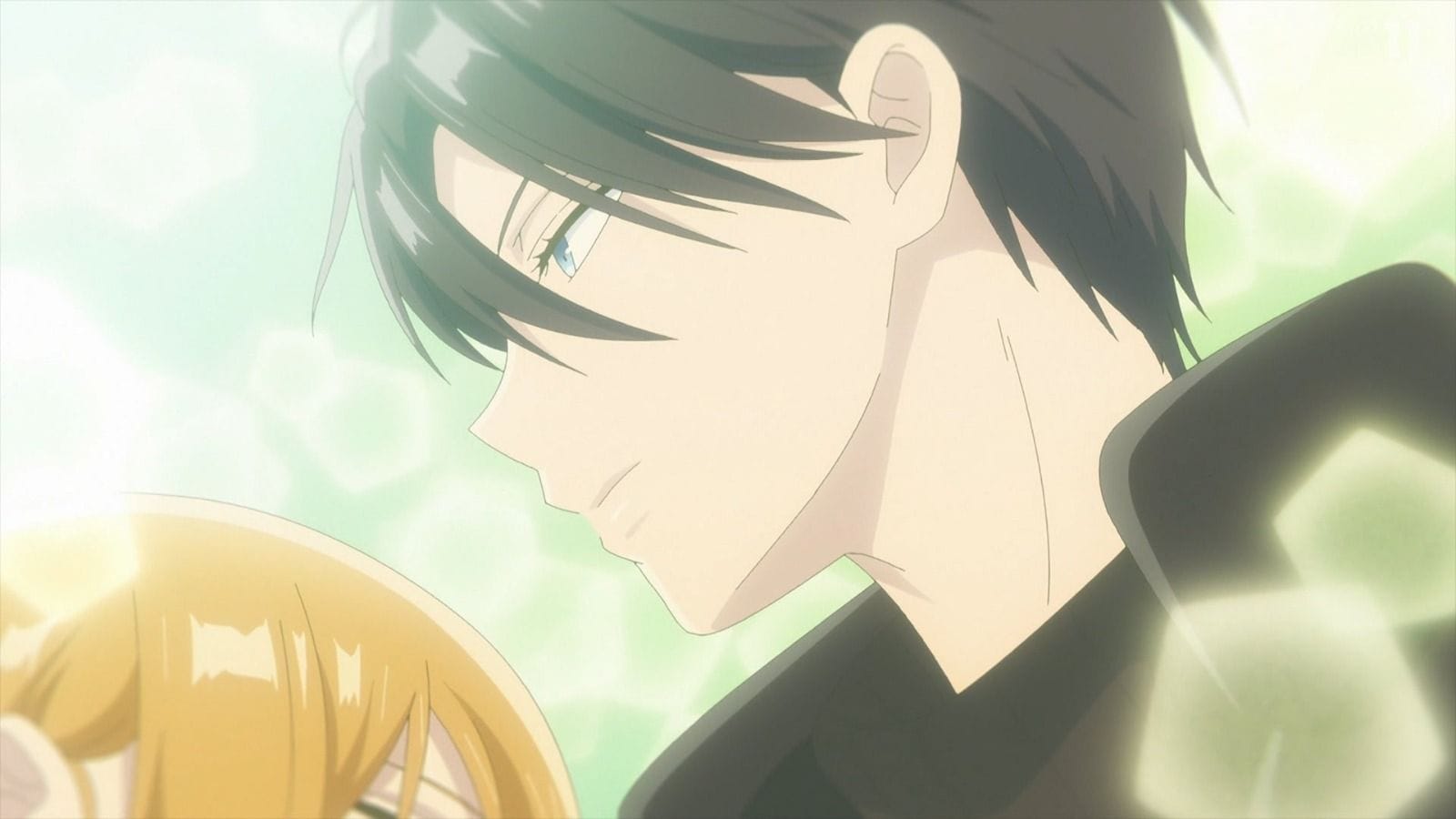
The gaming element isn’t just aesthetic decoration. Online guild chats, in-game events, and community meetups actively shape the story.
The anime smartly contrasts digital personas with real-life vulnerability. People who are confident behind a screen struggle face-to-face. That dynamic feels especially relevant in modern dating culture.
Another strength of the series is its adult tone. The characters are college-aged, which automatically changes the stakes. They deal with part-time jobs, social expectations, and emotional baggage from previous relationships. The romance isn’t built on naive fantasy; it’s built on compatibility and timing.
Visually, the series balances soft pastel everyday scenes with brighter, more stylized MMORPG sequences. The shift between game world and reality reinforces the central theme: who we are online versus who we are when it actually matters.
By the time the relationship starts deepening, it feels earned. There’s no dramatic love triangle dominating the narrative. No constant miscommunication stretched for tension. Just two people gradually realizing they fit.
4. Kimi ni Todoke
Some romance anime rely on drama. Kimi ni Todoke relies on sincerity. And that’s exactly why it still works, even years after its original release and with renewed attention in 2026.
The story follows Sawako Kuronuma, a shy and misunderstood high school girl who’s unfairly compared to a horror character because of her appearance.
Despite the rumors and social isolation, Sawako is genuinely kind and just wants to connect with others. Enter Shota Kazehaya, cheerful, popular, and emotionally open. Where Sawako hesitates, Kazehaya moves forward. Where she doubts herself, he sees her clearly.
What makes this series stand out is how patiently it handles emotional development. Sawako’s growth is slow, but it feels authentic.
She doesn’t suddenly become confident overnight. Every friendship she builds and every conversation she initiates feels like a real milestone. Watching her gradually step out of her shell is just as satisfying as watching the romance unfold.
Kazehaya, meanwhile, isn’t written as an unattainable ideal. He’s supportive, yes, but he also struggles with insecurity and jealousy in believable ways.
Their relationship doesn’t move forward because of grand gestures. It moves forward because of honesty, sometimes awkward, sometimes delayed, but always genuine.

One of the strongest elements of Kimi ni Todoke is its emotional tension built around communication. Not dramatic misunderstandings engineered for chaos, but realistic hesitation.
Overthinking simple interactions. Misreading timing. These are small obstacles, but they feel huge when you’re experiencing first love.
The supporting cast also plays a crucial role. Sawako’s friendships with Chizuru and Ayane give the story warmth and balance. Romance doesn’t exist in isolation here, it’s part of a broader coming-of-age journey.
Visually, the series leans into soft colors and gentle lighting, reinforcing its tender tone. There’s a calmness to the atmosphere that matches Sawako’s internal world. Even moments of emotional conflict feel grounded rather than explosive.
In 2026, when many romance anime lean toward genre hybrids or complex psychological themes, Kimi ni Todoke remains a reminder that pure, straightforward love stories still resonate. It’s about kindness, patience, and emotional courage.
If you want a romance that feels wholesome without being shallow, nostalgic without being outdated, and heartfelt without forced drama, Kimi ni Todoke is still one of the genre’s strongest foundations.
5. The Dangers in My Heart
If you judge this series by its title alone, you might expect something dark or dramatic. Instead, The Dangers in My Heart turns out to be one of the most surprisingly tender romance anime of recent years.
The story centers on Kyotaro Ichikawa, a socially withdrawn middle schooler with an overactive imagination and a habit of retreating into edgy internal monologues.
Early on, he convinces himself he’s detached from his classmates, especially from Anna Yamada, the popular and effortlessly charming girl in his class. But as episodes progress, that cynical exterior slowly starts to crack.
What makes this anime work is the character evolution. Ichikawa isn’t just awkward for comedic effect. His insecurity feels real. He overthinks every interaction, assumes the worst about himself, and struggles with self-worth. Watching him move from isolation to vulnerability is where the emotional payoff comes from.
Anna, meanwhile, isn’t just a stereotypical “perfect popular girl.” She’s expressive, slightly airheaded at times, emotionally perceptive, and surprisingly grounded.
The series takes its time showing that she notices Ichikawa long before he realizes it. Their connection develops through small shared moments, eating snacks in the library, casual conversations, quiet glances.
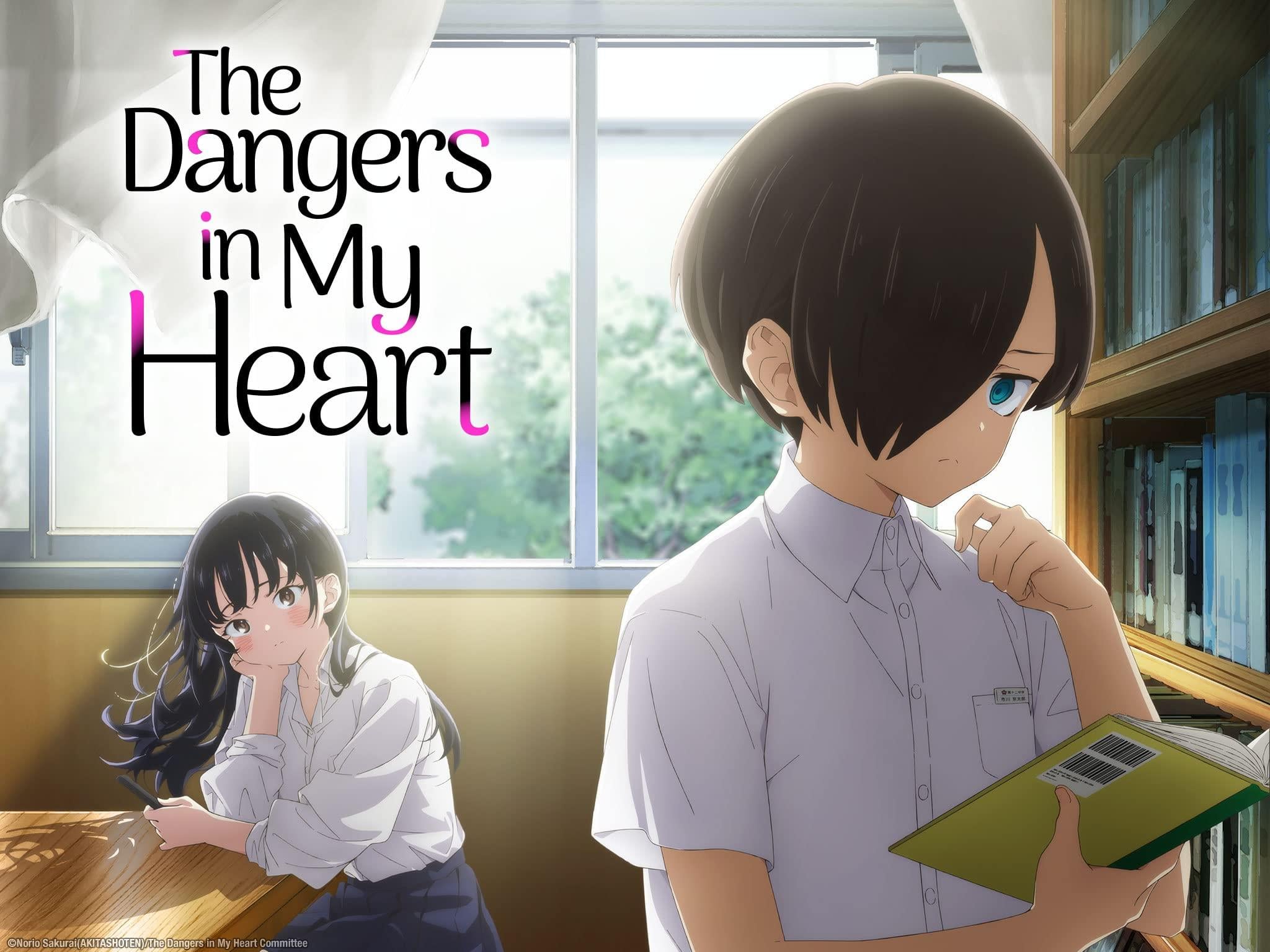
The pacing is deliberate. There are no dramatic confession arcs forced for shock value. Instead, tension builds through subtle emotional shifts. A longer-than-usual eye contact. A blush that lingers. A change in body language. These micro-moments carry weight because the show respects emotional realism.
Another strength is how it portrays adolescence. Middle school feelings are intense but confusing. The anime captures that awkward in-between stage where you’re still figuring out who you are. Romantic development isn’t just about attraction, it’s tied to identity growth.
Visually, the series balances humor with softness. Comedic exaggerations highlight Ichikawa’s imagination, but real-world interactions are framed gently, reinforcing the sincerity of their bond. The contrast enhances both the humor and the romance.
By the time their relationship begins to feel mutual and intentional, it feels earned. The show doesn’t rush emotional breakthroughs. It lets them happen naturally.
In a genre often filled with loud drama or exaggerated personalities, The Dangers in My Heart succeeds by doing less, and doing it carefully. It’s about awkward growth, emotional honesty, and realizing that sometimes the “danger” in your heart is just vulnerability.
6. Skip and Loafer
If you’re looking for loud drama, intense love triangles, or constant romantic chaos, Skip and Loafer isn’t that kind of show. What it offers instead is something quieter, and honestly, more refreshing.
The story follows Mitsumi Iwakura, a bright and slightly awkward girl who moves from the countryside to Tokyo for high school. She’s ambitious, goal-oriented, and determined to make something of herself.
On her first day, she meets Sousuke Shima, a laid-back and effortlessly charming classmate. Their dynamic doesn’t explode into instant romance. It grows slowly, almost casually, in the background of everyday life.
That’s the charm of this series. The romance isn’t forced to carry the entire narrative. It develops alongside friendships, academic pressures, social adjustments, and personal growth.
Mitsumi isn’t defined by her feelings for Shima. She has dreams, anxieties, and a clear vision for her future. The relationship enhances her journey; it doesn’t replace it.
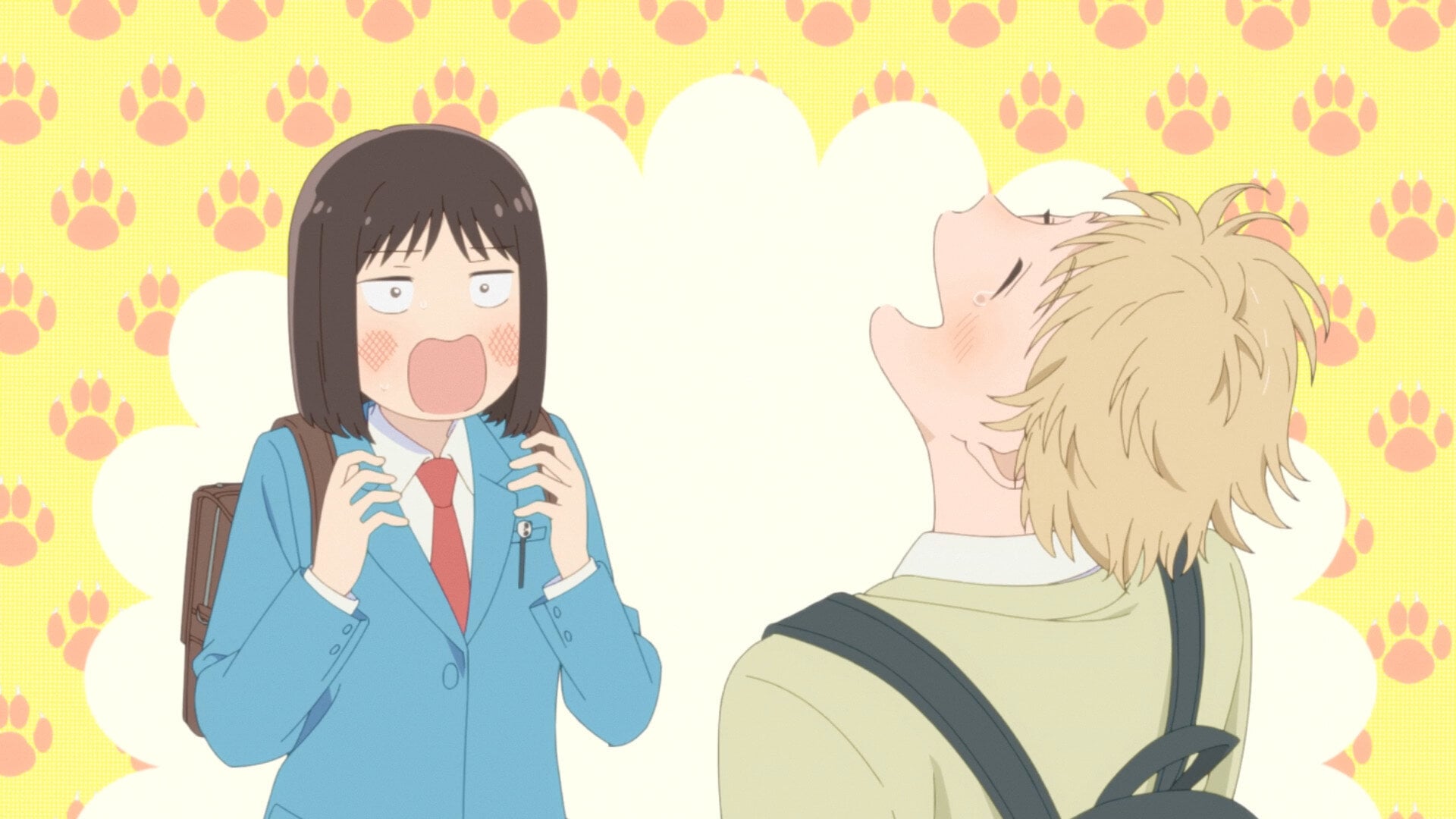
Shima is also more layered than he first appears. While he seems relaxed and socially confident, there’s emotional complexity beneath that surface.
He’s thoughtful, observant, and sometimes uncertain about himself. His connection with Mitsumi feels natural because it’s built on mutual comfort rather than dramatic attraction.
One of the strongest aspects of Skip and Loafer is how it handles social dynamics. High school is portrayed realistically, not as a battlefield of exaggerated cliques, but as a space where people are figuring themselves out. The supporting cast matters. Friendships feel genuine. Conflicts are small but meaningful.
The pacing is gentle. Instead of dramatic confessions or jealousy-driven arcs, romantic tension builds through shared experiences, walking home together, subtle compliments, and moments of quiet understanding. You feel the shift before the characters fully acknowledge it.
Visually, the anime uses soft colors and warm lighting to reinforce its grounded tone. The atmosphere feels lived-in and comfortable, which mirrors the emotional vibe of the show. Even awkward moments carry warmth rather than embarrassment.
In 2026, when many romance anime blend genres or lean into heightened drama, Skip and Loafer stand out for their sincerity. It’s not trying to shock you. It’s trying to feel honest.
7. Honey Lemon Soda
If you’re in the mood for a soft, heartfelt high school romance with strong shōjo energy, Honey Lemon Soda delivers exactly that, but with more emotional substance than you might expect.
The story centers on Uka Ishimori, a painfully shy girl who struggled socially in middle school and enters high school determined to change.
She isn’t confident, and she isn’t instantly transformed into a bold new version of herself. Her growth is slow, sometimes frustrating, and deeply relatable. That’s what makes it compelling.
Then there’s Kai Miura, the blond-haired, lemon-soda-like boy who seems effortlessly cool but isn’t written as an untouchable fantasy. Yes, he’s popular. Yes, he stands out. But he’s also observant, straightforward, and surprisingly gentle. Instead of “saving” Uka, he supports her while she learns to stand on her own.
The romance doesn’t rely on dramatic chaos. It’s built on encouragement and quiet reassurance. Kai doesn’t force Uka to become someone else.
He nudges her forward when she hesitates. And every small step Uka takes, speaking up in class, making new friends, expressing her feelings, feels like a real victory.
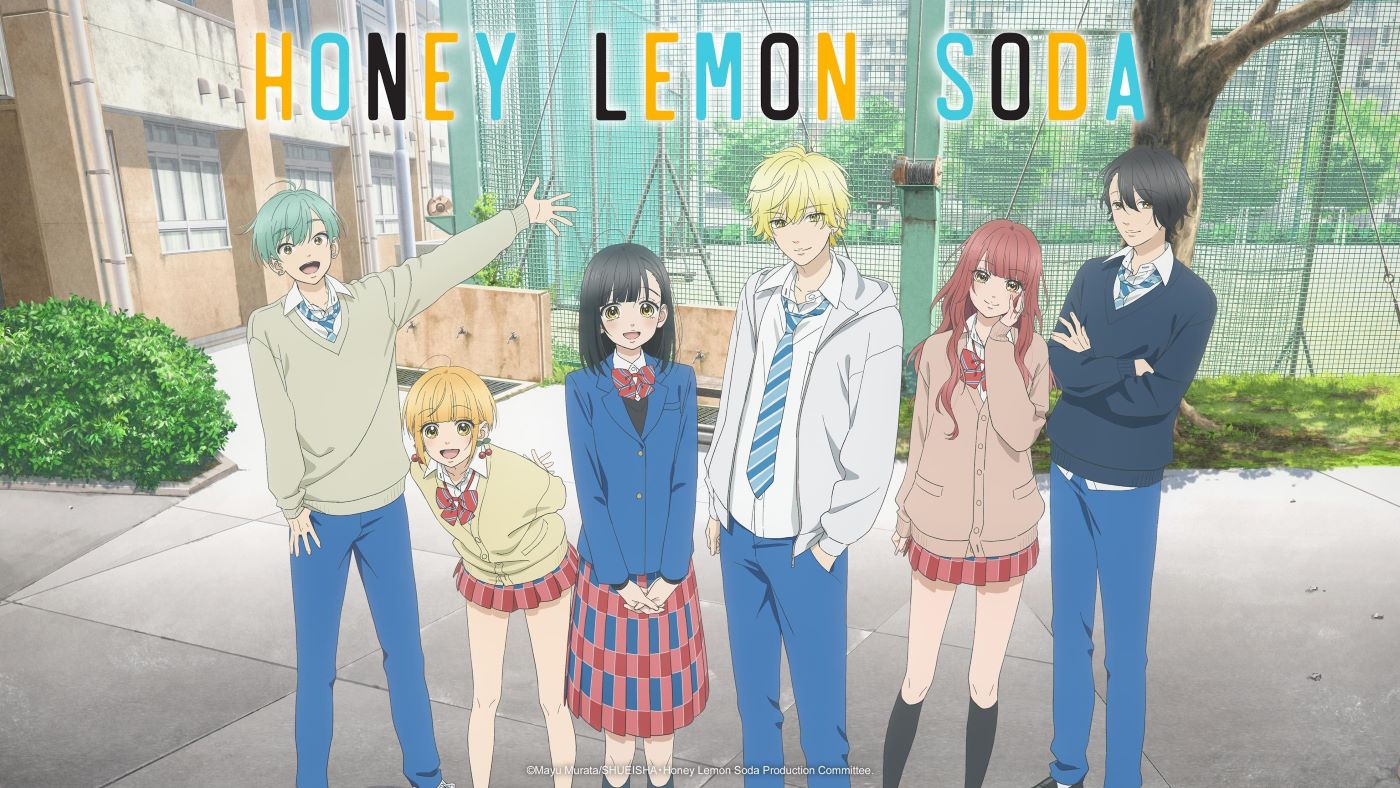
One of the strengths of Honey Lemon Soda is its focus on self-confidence as part of romance. Uka’s journey isn’t just about falling in love; it’s about rediscovering her voice. The relationship works because it grows alongside her personal development. Emotional safety becomes the foundation of attraction.
The series also captures the emotional intensity of teenage feelings without turning them into exaggerated melodrama. Jealousy exists, insecurity exists, but they’re handled with restraint. Conflicts feel human rather than manufactured.
Visually, the anime leans into soft pastels and bright lighting, reinforcing its sweet tone. There’s a lightness to the atmosphere that mirrors Uka’s gradual emotional transformation. Even tense moments are framed with warmth rather than harsh drama.
8. Horimiya: The Missing Pieces
Most romance anime build toward one big moment, the confession. Horimiya: The Missing Pieces does something different. It explores what happens after.
Rather than retelling the main love story between Hori and Miyamura, this adaptation fills in the emotional gaps that weren’t fully covered before.
It slows things down and focuses on the everyday details of their relationship, the teasing, the comfort, the quiet domestic intimacy. And surprisingly, those small moments end up being the most meaningful.
Hori and Miyamura’s relationship is already established, which shifts the tone immediately. There’s less tension about “will they get together” and more attention on how they function as a couple.
They argue. They joke. They support each other in subtle ways. The romance feels stable, not fragile, and that stability is refreshing.
Miyamura continues to stand out as one of the more nuanced male leads in romance anime. He’s gentle without being passive, confident without being arrogant. His emotional openness contrasts nicely with Hori’s stronger, sometimes fiery personality. Their dynamic works because it feels balanced.

One of the biggest strengths of The Missing Pieces is its attention to the supporting cast. Side characters aren’t treated as background decoration.
Their relationships, insecurities, and friendships get room to breathe. Romance exists in multiple forms here, shy crushes, long-term bonds, playful teasing, which makes the world feel fuller.
The series also maintains its signature blend of humor and sincerity. Comedic moments don’t undercut emotional ones; they enhance them.
Arguments feel realistic rather than explosive. Jealousy is acknowledged but not exaggerated for drama. The show understands that healthy relationships include imperfection.
9. Oshi no Ko
If you’re looking for a soft, comforting love story, Oshi no Ko is not that. But if you want romance tangled with ambition, trauma, jealousy, and the brutal realities of the entertainment industry, this is one of the most compelling relationship dramas you can watch right now.
At its core, Oshi no Ko is about performance, on stage, on camera, and in everyday life. That makes its romantic tension unusually complex.
Feelings are rarely straightforward. Affection is mixed with rivalry. Admiration overlaps with insecurity. And sometimes, love looks more like obsession or projection than stability.
Aqua Hoshino stands at the center of this emotional web. Calculating, reserved, and driven by a hidden agenda, he doesn’t approach relationships in a typical romantic way.
His interactions with characters like Kana Arima are layered with unresolved history, pride, and vulnerability. You can feel the tension, but it’s rarely allowed to bloom into something simple.
Kana, meanwhile, represents one of the series’ most emotionally transparent characters. She struggles with self-worth and the fear of being replaced, a recurring theme in the entertainment world.
Her feelings feel raw, sometimes painfully so. Watching her navigate admiration, jealousy, and professional pressure adds emotional depth beyond a basic love triangle setup.
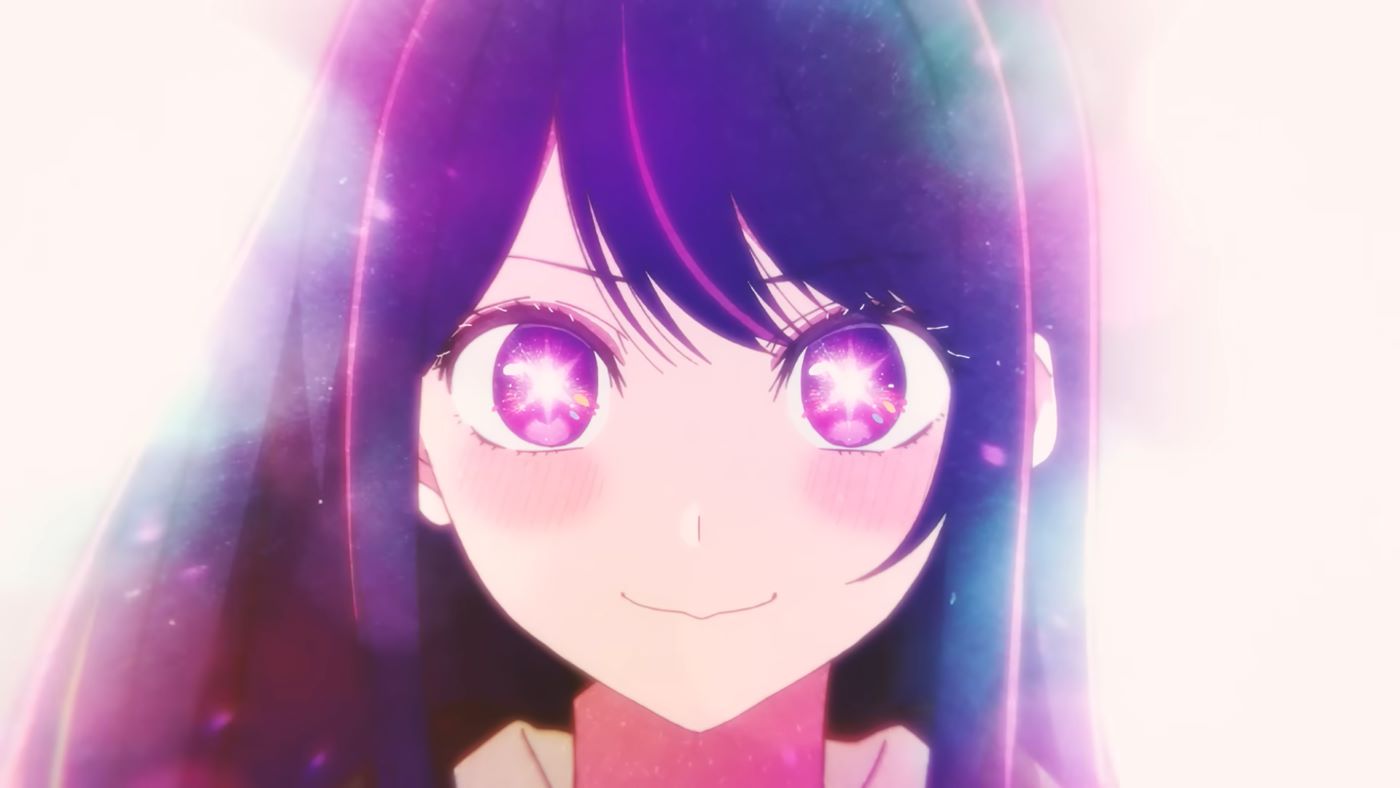
What makes the romance in Oshi no Ko addictive is that it’s never isolated from ambition. Careers matter. Public image matters. Success and failure directly influence personal relationships. A confession isn’t just emotional, it has professional consequences. That constant pressure makes every interaction feel heavier.
Visually, the anime leans into contrast. Bright stage lights and glamorous performances sit beside darker, introspective moments. The shift between public persona and private emotion reinforces the theme that everyone is acting, even in love.
Unlike traditional romance anime, this series doesn’t promise clean resolutions. Feelings are messy. Motivations are layered. Sometimes characters care deeply but can’t express it without ulterior motives complicating things.
10. Insomniacs After School
Not every romance needs dramatic confessions or chaotic love triangles. Insomniacs After School proves that sometimes the most powerful connections happen in silence.
The story follows Ganta Nakami and Isaki Magari, two high school students who struggle with insomnia. Exhausted during the day and restless at night, they eventually find comfort in the school’s abandoned observatory. What begins as a shared hiding spot slowly becomes something more meaningful.
What makes this series stand out is its atmosphere. Nighttime isn’t just a setting, it’s a mood. The quiet streets, dimly lit classrooms, and stargazing sessions create an intimate space where conversations feel softer and more honest. The romance develops in these in-between hours, when the world feels distant, and distractions fade.
Ganta isn’t a loud or overly confident protagonist. He’s tense, guarded, and easily frustrated. Magari, in contrast, is open, energetic, and emotionally expressive. Their personalities balance each other naturally. There’s no forced dynamic; their chemistry builds through small, shared vulnerabilities.
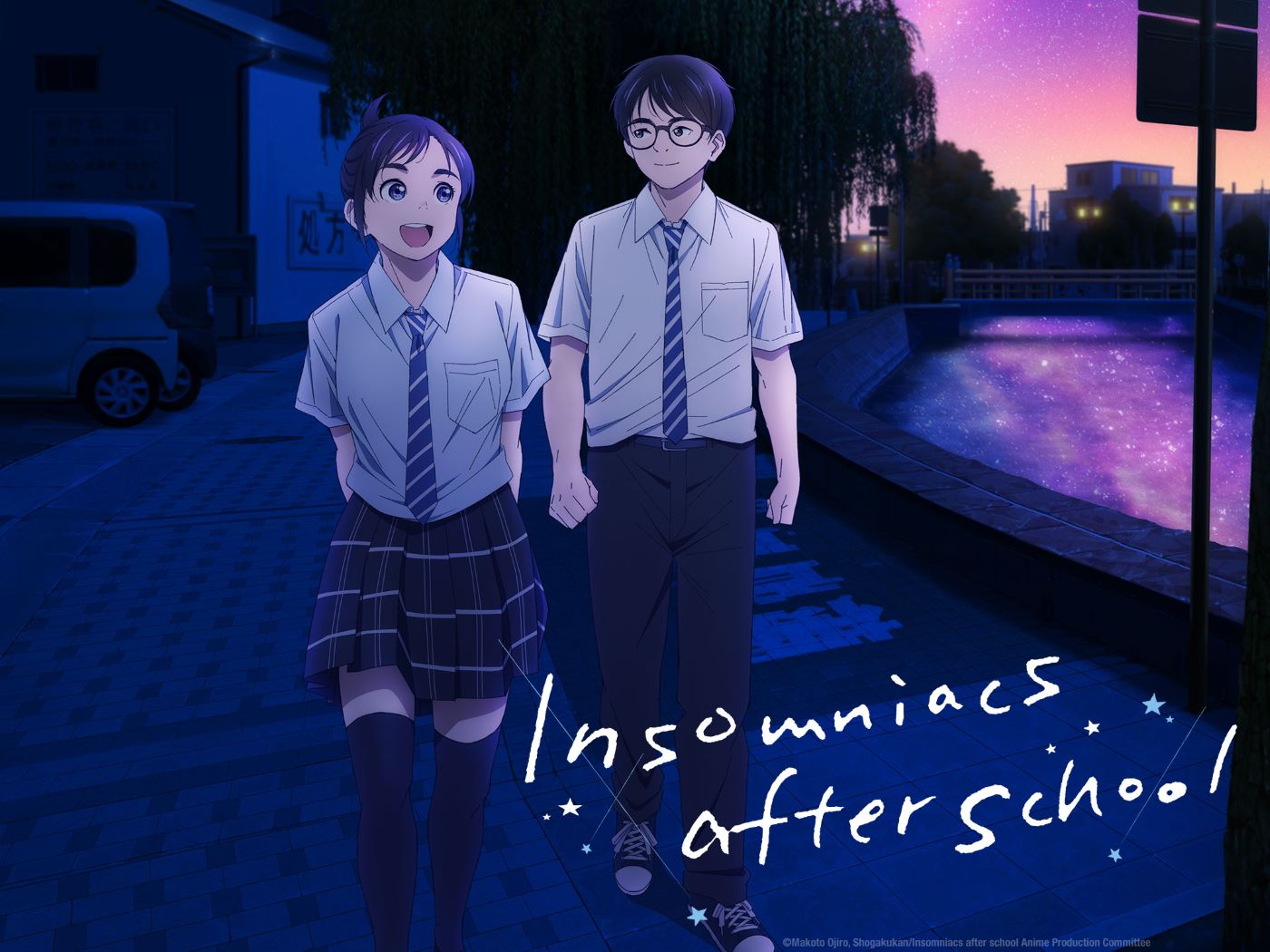
The insomnia element is handled thoughtfully. It’s not exaggerated for drama. Instead, it becomes a metaphor for isolation, that feeling of being awake when the rest of the world is asleep. When they realize someone else understands that experience, it creates an immediate emotional bridge.
One of the strongest aspects of Insomniacs After School is pacing. Nothing is rushed. There are no sudden emotional leaps. Affection grows through shared photography projects, late-night walks, and quiet laughter. Each interaction feels earned because it’s rooted in companionship first.
Visually, the anime leans heavily into soft blues and warm nighttime tones. The stargazing scenes, in particular, are beautifully composed without feeling over-stylized. The calm direction reinforces the emotional sincerity of the story.
Unlike louder romance series, this one doesn’t rely on heightened drama. The tension comes from uncertainty, from wondering when one of them will finally acknowledge what’s already obvious to the viewer.
In 2026, when many romance anime mix genres or intensify stakes, Insomniacs After School stands out for its restraint. It’s about two people finding comfort in shared quiet moments.
If you prefer romance that feels gentle, introspective, and emotionally grounded, this is the kind of series that slowly pulls you in and stays with you long after the credits roll.
Honorable Mentions & Sauce on Next Page.