Christopher Nolan’s movies rarely let viewers watch a story unfold. Memento turns memory into a mystery. Inception explores the strange layers of dreams. Interstellar combines human emotion with the vastness of space, while Tenet makes time a central part of its action.
Anime has plenty of stories built around similar ideas. Some follow the effects of time and memory. Others question reality or blur the line between dreams and the real world. Many also examine how far people will go to understand the world around them.
These connections make anime like Christopher Nolan’s movies especially interesting. The appeal comes from psychological mysteries, unusual storytelling, science fiction, or questions about identity and reality. These stories offer plenty to think about long after the episode ends.
1. Steins;Gate Turns Time Travel Into a Puzzle About Consequences
What if changing one small moment could completely change your future? Steins;Gate takes that idea and turns it into a tense tale about time, choices, and consequences. As its characters experiment with the past, even the smallest decision begins to create unexpected outcomes. Their attempts to control time soon force them to face the cost of changing what has already happened.
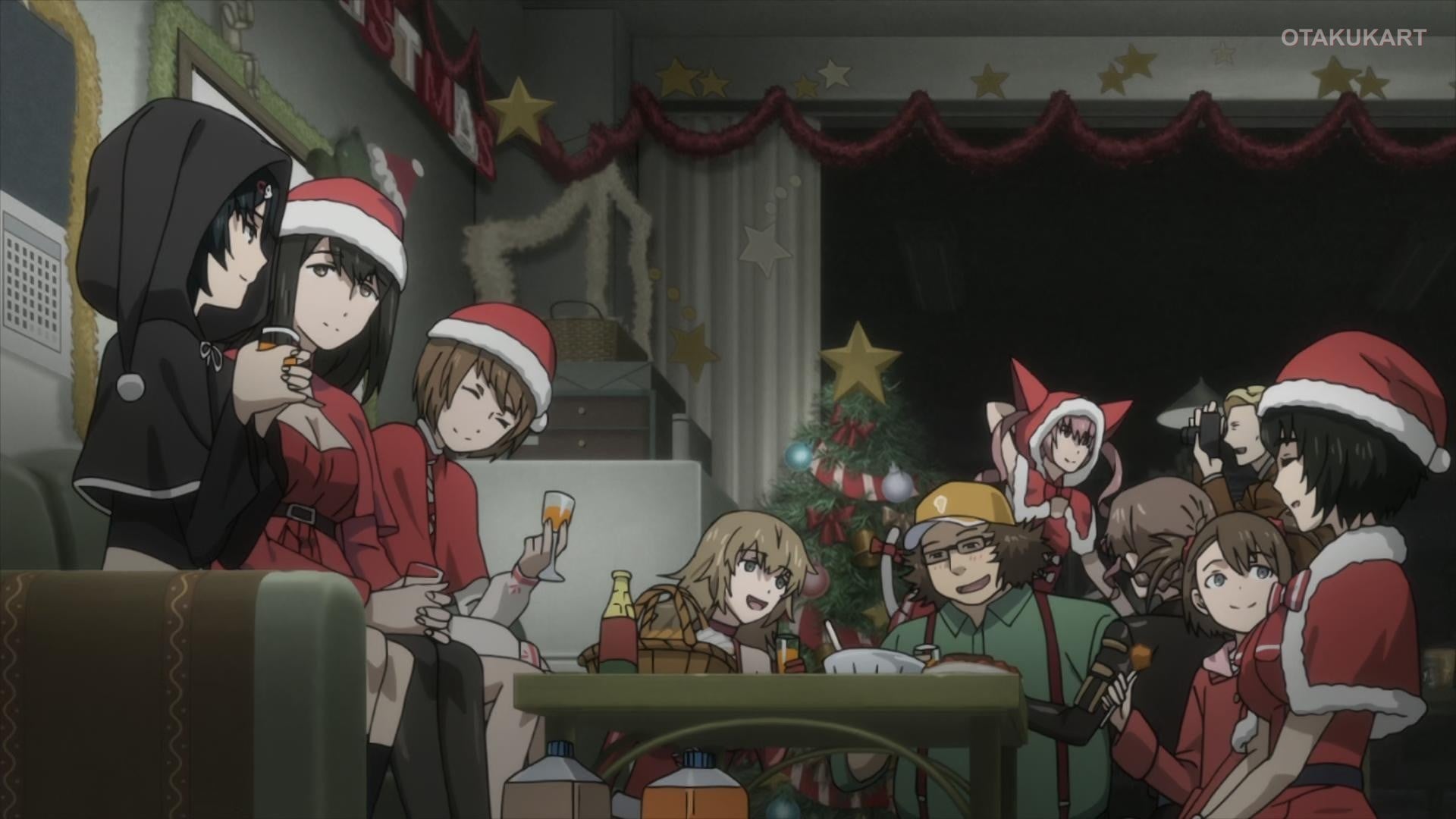
Rintarō Okabe and his friends in Akihabara discover that their modified microwave can send messages into the past. At first, the discovery seems exciting and almost harmless. Their experiments soon create unexpected changes, and what begins as a strange science experiment becomes much more serious.
The real danger comes from what happens after each change. Altering the past creates new chains of events, forcing Okabe to deal with consequences he cannot always predict. The more he learns about different timelines, the more he realizes that some events are difficult to escape.
Those consequences eventually become personal. Okabe is not just trying to understand how time travel works anymore. He has to deal with the painful results of his decisions while trying to protect the people he cares about. Every attempt to change the future brings new problems.
This is where Steins;Gate connects with Christopher Nolan’s interest in time and causality. Tenet turns reversed time into a major part of its action, while Interstellar uses time to shape its emotional story. Steins;Gate takes a more personal approach, showing how one small change can affect an entire group of people.
2. Paprika Goes Where Inception Only Begins
Entering someone else’s dreams sounds impossible, but Paprika turns the idea feel real. The film follows a strange journey where dreams and reality slowly begin to overlap. As the boundary between them disappears, familiar places start to feel unpredictable.
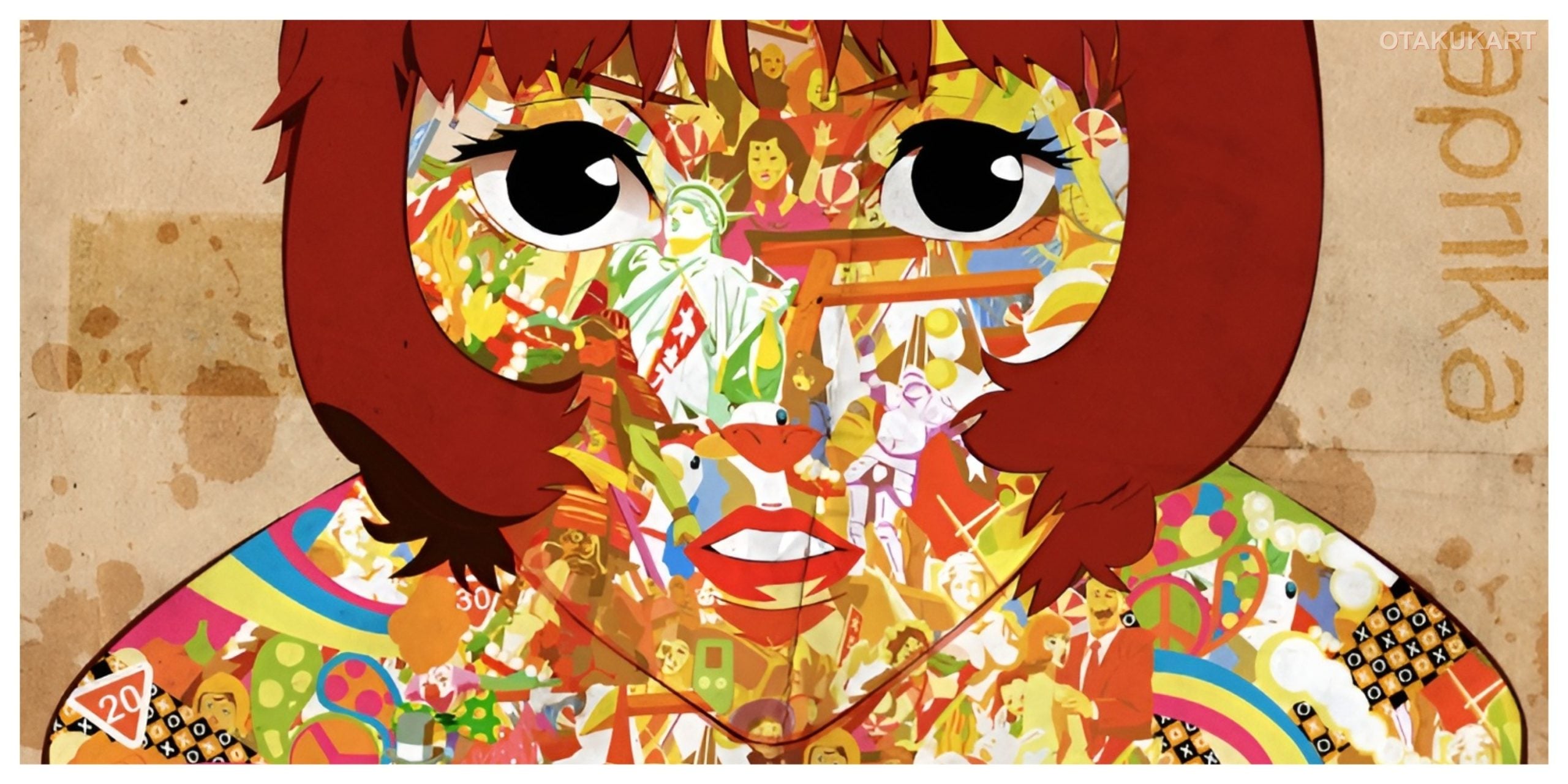
Atsuko Chiba is a therapist who secretly uses the name Paprika while helping people through their dreams. She works with a device that allows people to enter and record dreams, but everything changes when the technology is stolen. As Atsuko searches for the person behind the theft, controlling the dream world becomes increasingly difficult.
The chaos soon spreads beyond individual dreams. People encounter strange images, familiar faces, and impossible places that change without warning. As these events spill into everyday life, the difference between waking and dreaming becomes harder for both the characters and the viewer to understand.
The sci-fi anime is a strong choice for Christopher Nolan fans because it follows dreams, reality, and the confusion that comes when the two begin to overlap. Both stories examine characters who enter dream worlds where familiar places can suddenly change and normal rules no longer apply. Inception gives its dream worlds clear rules and structures, while Paprika uses a more surreal and unpredictable approach.
The film’s psychological elements give it much of its lasting appeal. Dreams reveal hidden fears, desires, and thoughts that people may normally keep buried. Satoshi Kon uses sudden scene changes and surreal images to blur the line between what is real and imagined.
3. Perfect Blue Makes Identity Its Most Unreliable Character
Mima Kirigoe appears ready for a fresh start. She leaves her successful pop idol career to become an actress, hoping to build a different future for herself. Instead, disturbing events begin to follow her and make her question whether this new life is really what she wants.
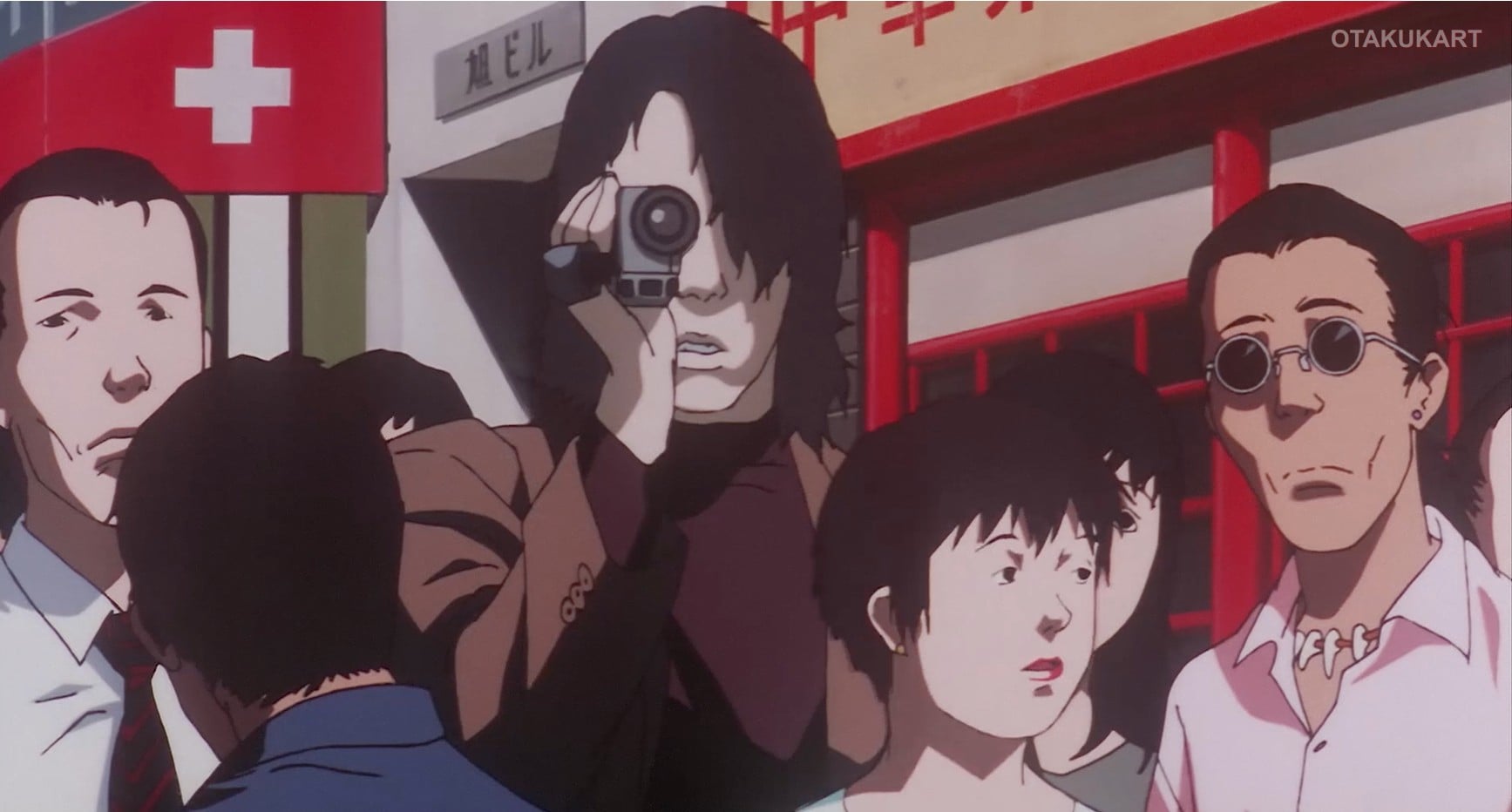
At first, Mima is focused on establishing herself as an actress. Strange incidents soon make that difficult, and the pressure begins affecting her confidence. What should have been an exciting career change gradually becomes a frightening experience.
As the situation gets worse, Mima finds it harder to separate reality from imagination. Memories, dreams, performances, and everyday events begin blending together. Something that appears real in one moment can take on a completely different meaning later.
The biggest problem is no longer just discovering who is behind the disturbing events. Mima also has to figure out which version of herself she can trust. Her changing identity becomes part of the mystery. This makes it difficult for both her and the viewer to know what is real.
Perfect Blue is compelling because its mystery is closely connected to Mima’s changing sense of identity. As strange events unfold around her, she becomes unsure of what she can trust. Her growing confusion makes it difficult to separate reality from fear and imagination. The mystery becomes more intense as Mima struggles to understand who she really is.
4. Serial Experiments Lain Questions Whether Reality Still Matters Online
Serial Experiments Lain explores what happens when the online world begins to feel as real as everyday life. The anime follows Lain as her connection to the Wired becomes increasingly difficult to separate from the physical world. Its strange atmosphere raises unsettling ideas about identity, technology, and reality.
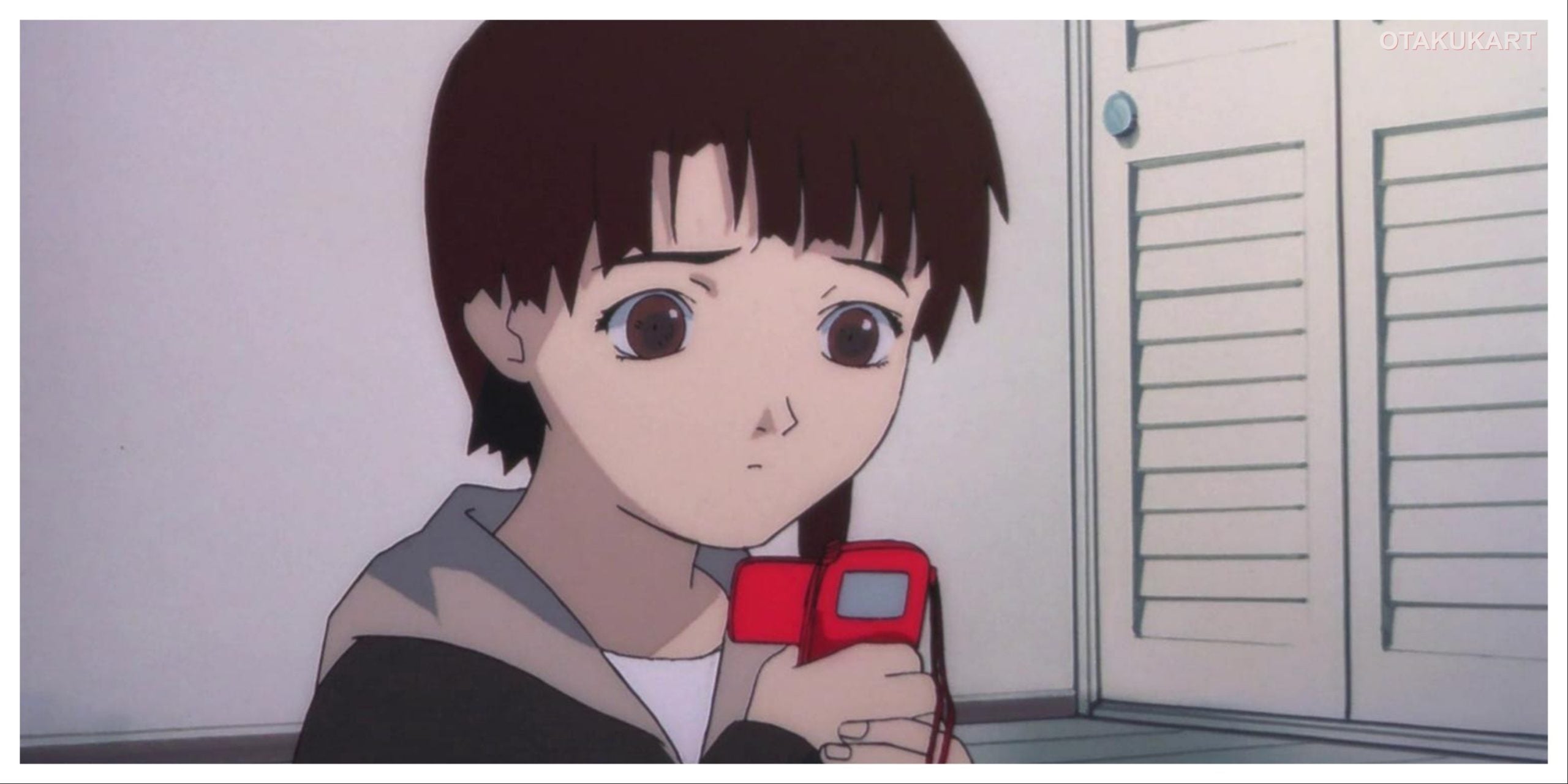
Lain Iwakura is a quiet 14-year-old whose life changes after the death of a classmate draws her toward the Wired, a mysterious digital network. What begins as curiosity soon becomes something much bigger. The more time Lain spends connected to the Wired, the more strange events begin to affect how she sees herself and the world around her.
The Wired is more than a place for communication. As Lain becomes more involved with it, the difference between her online identity and her physical self becomes harder to understand. Memories, relationships, and other people’s ideas about Lain all begin to influence her sense of who she is.
Even reality itself becomes difficult to trust. Lain encounters information and experiences that challenge what she thought she knew, leaving her and the viewer with more questions than answers. The series deliberately takes its time, allowing its strange atmosphere and unanswered mysteries to build.
The anime leaves viewers thinking about where digital identity ends and real identity begins. Lain’s growing connection to the Wired makes that boundary harder to understand. Her experiences raise questions about whether a person’s online presence can become part of who they truly are. By the end, the line between the digital self and the real self feels increasingly unclear.
5. Summer Time Rendering Builds a Time Loop Around a Murder Mystery
Shinpei Ajiro returns to his island hometown after learning that his childhood friend, Ushio Kofune, has died. He expects to attend her funeral and spend time with people he has not seen in years. Instead, he notices strange details that suggest Ushio’s death may not have been an accident. His search for the truth soon reveals a mystery connected to the island.
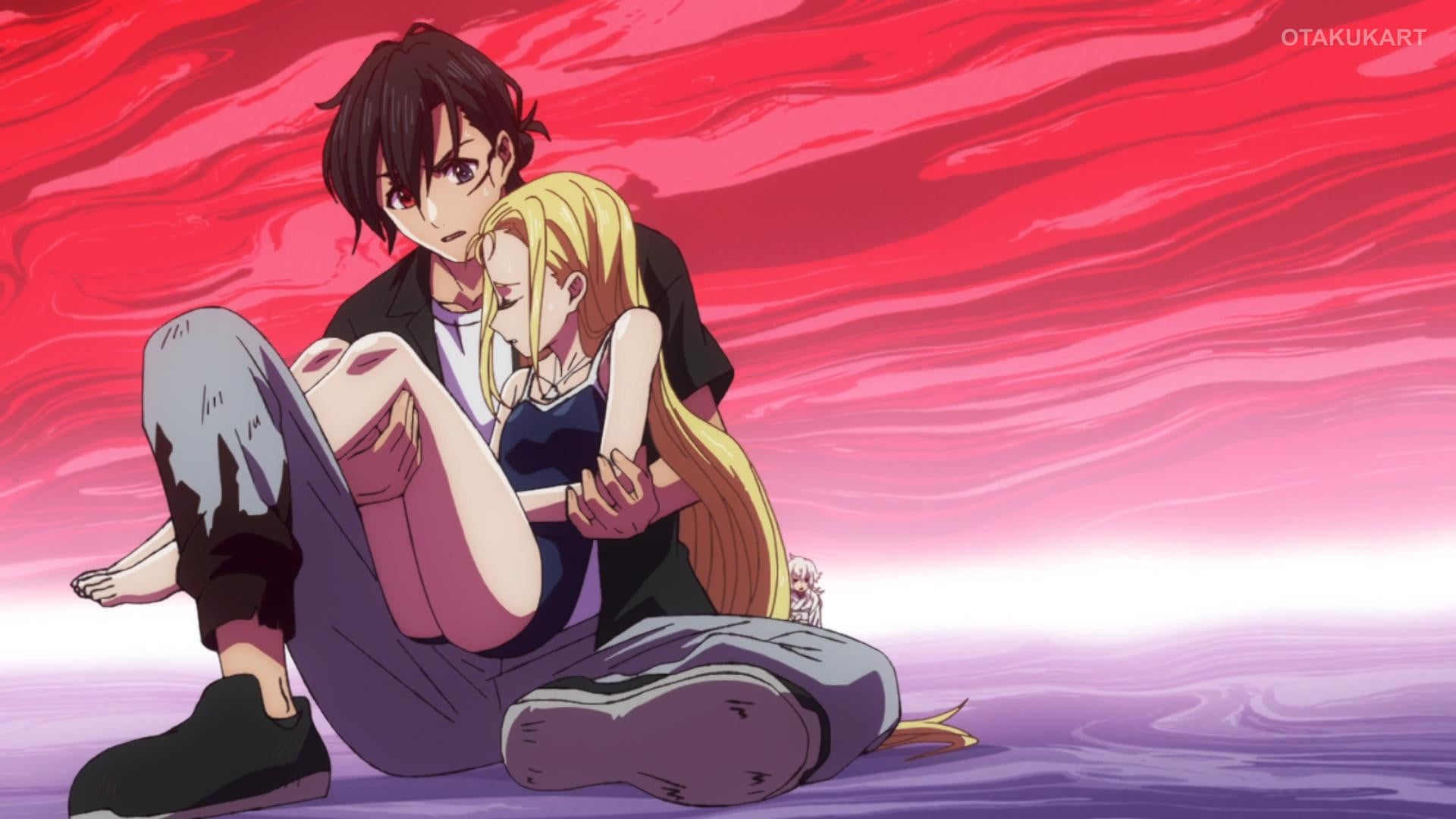
As Shinpei spends time on Hitogashima, he discovers that something is wrong. Strange doppelgängers called Shadows begin appearing, and their presence suggests that Ushio’s death may not have been an accident. The island soon becomes much harsher than Shinpei expected.
Then Shinpei discovers that death does not always mean the end. When certain events lead to his death, he can return to an earlier point in time and try again. His first loop changes everything because he realizes that dying can give him information he did not have before.
Each new attempt gives Shinpei another piece of the puzzle. A detail he missed during one loop can become useful in the next, while his knowledge of previous events helps him make different choices. But learning more does not make the situation easier. The Shadows continue to adapt, and Shinpei has to work faster to protect the people around him.
That escalating pressure gives Summer Time Rendering its strongest appeal. Shinpei cannot keep restarting until he finds a perfect solution. Every loop brings him closer to the truth while also putting more lives at risk. The time travel therefore becomes a source of suspense rather than an easy way to undo mistakes.
6. Heavenly Delusion Hides Its Answers Inside a Broken World
Japan has been left in ruins after a mysterious disaster, and the remaining survivors are struggling to understand what happened. Heavenly Delusion follows children living inside a protected facility and teenagers traveling through the outside world. Strange creatures, abandoned cities, and hidden clues appear along their journeys. Each discovery connects the two sides and reveals a much larger mystery.
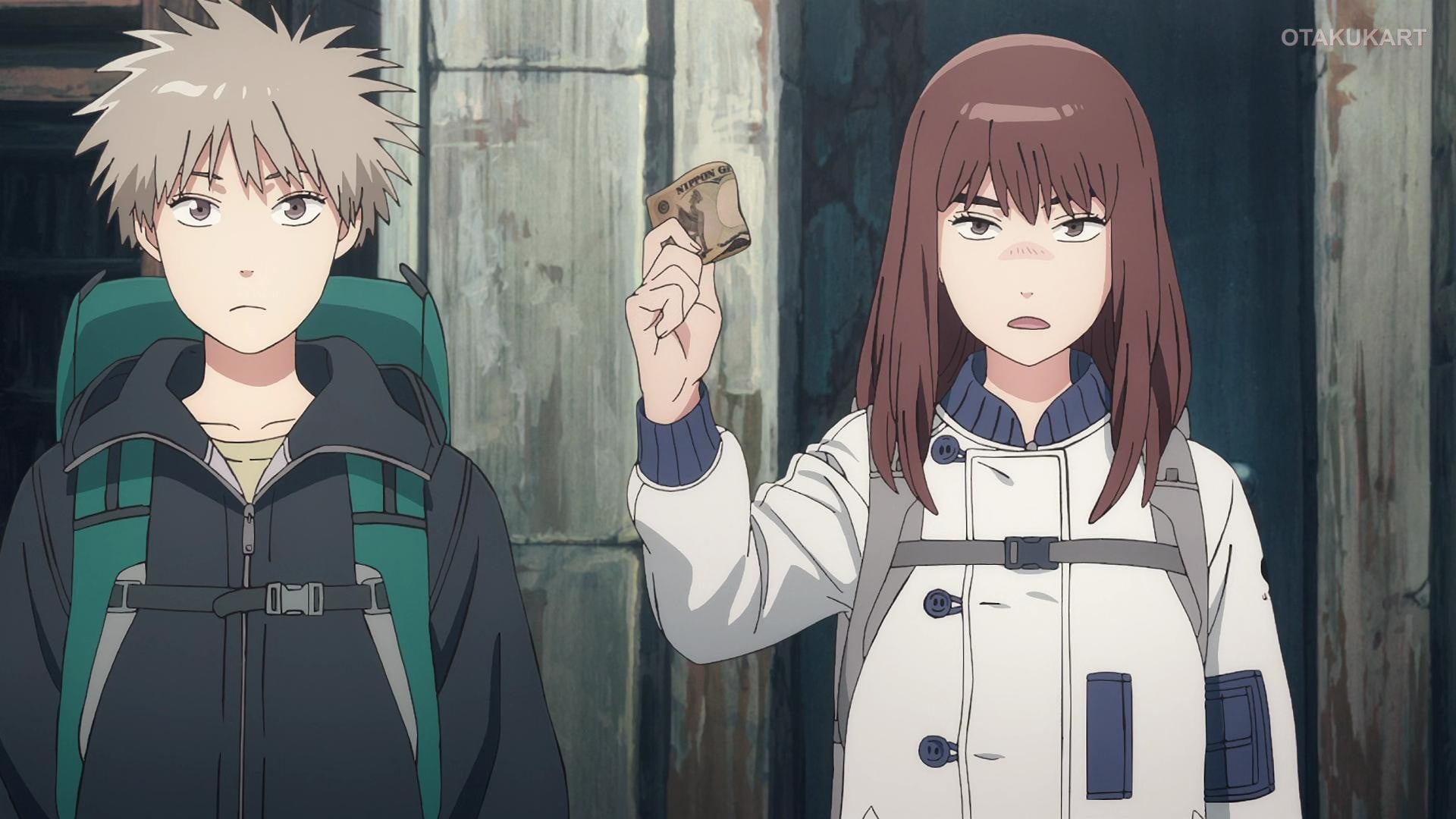
Maru and Kiruko travel across the ruined remains of Japan while searching for a place known as Heaven. Along the way, they follow abandoned buildings and areas where mysterious man-eating creatures roam. Meanwhile, children are raised inside a secure facility with no clear connection to the outside world. The two storylines gradually reveal clues about the disaster and the secrets behind their world.
At first, these two storylines seem to have little connection. The series gradually places small details in both settings, encouraging viewers to look for links between the characters and events. A detail that seems unimportant in one storyline can suddenly become meaningful when the other narrative reveals more information.
The mystery becomes more interesting because the series rarely explains everything immediately. Instead, viewers have to put together clues about the characters, the world, and what happened to Japan. This approach can appeal to fans of Memento and Dunkirk, where separate pieces of information eventually help form a larger picture.
The unanswered questions also give the post-apocalyptic setting more depth. Survival is only part of the plot, as identity, memory, and the fate of humanity become connected to the larger mystery. The more answers the characters find, the more questions seem to appear.
7. Odd Taxi Proves a Puzzle Box Does Not Need Science Fiction
Odokawa is a quiet taxi driver who spends his days taking passengers around the city. His routine changes when he starts meeting unusual people connected to a young girl’s disappearance. As their stories begin to overlap, Odokawa finds himself drawn into a mystery far bigger than he expected.
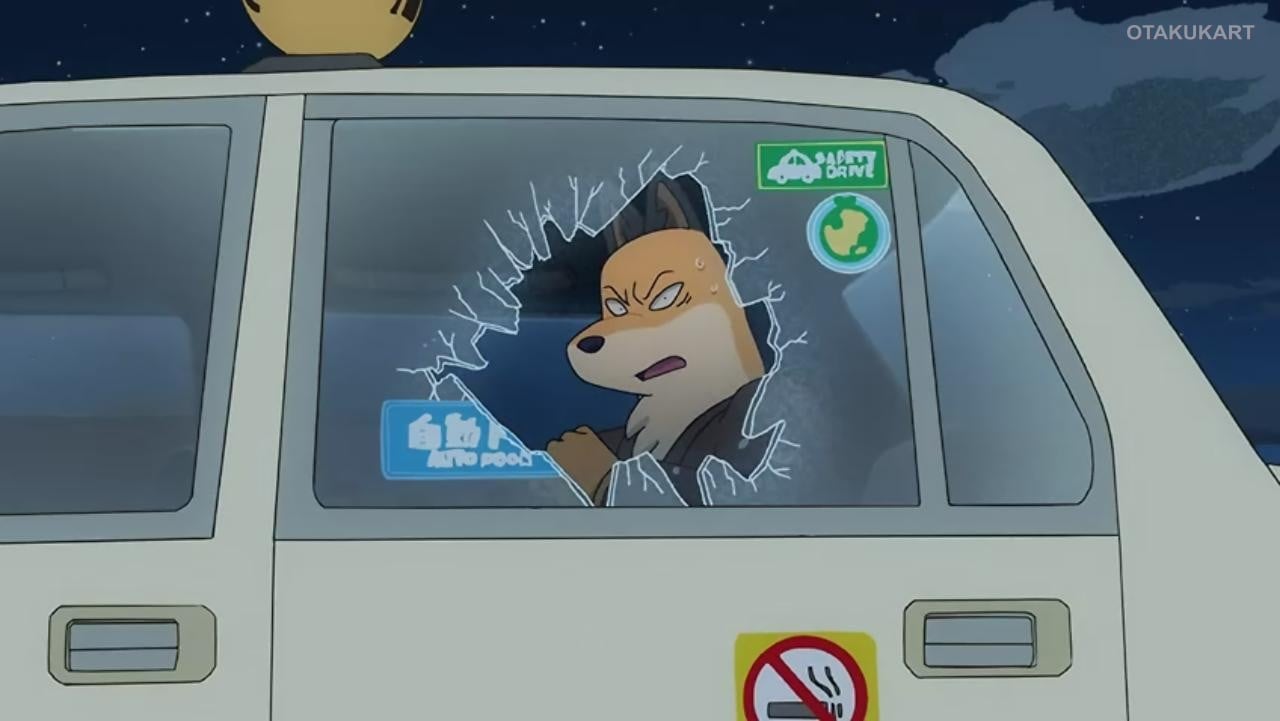
His passengers could not seem more different. He talks to an aspiring influencer, a nurse, comedians, an idol, and people with links to the criminal world. At first, their problems seem completely separate, but small details begin connecting their stories.
The missing girl becomes the main focus of the mystery. Conversations that once seemed like small talk start to feel more important, and characters who appear unrelated gradually become part of the same narrative. Odokawa begins to realize that there is much more happening around him than he first understood.
The psychological thriller builds its mystery through carefully placed clues hidden in everyday conversations. Odokawa’s passengers seem unrelated at first, but their stories gradually connect to the missing girl’s disappearance. Small details in their conversations often reveal information that changes how earlier events are understood.
Behind its animal characters, Odd Taxi tells a serious crime story involving social media, celebrity culture, loneliness, deception, and organized crime. The characters’ personal problems become connected to the central mystery. Small conversations often contain clues that only become clear later. Like a Christopher Nolan thriller, Odd Taxi rewards viewers who pay close attention to seemingly minor details.
8. Monster Brings Nolan’s Moral Ambiguity Into a Psychological Thriller
Dr. Kenzo Tenma saves the life of a young boy named Johan Liebert after choosing to treat him instead of a powerful patient. Years later, Tenma discovers that Johan has become a killer. He realizes that the child he saved is connected to a series of murders across Europe. Tenma then sets out to find Johan and stop the consequences of his past decision.
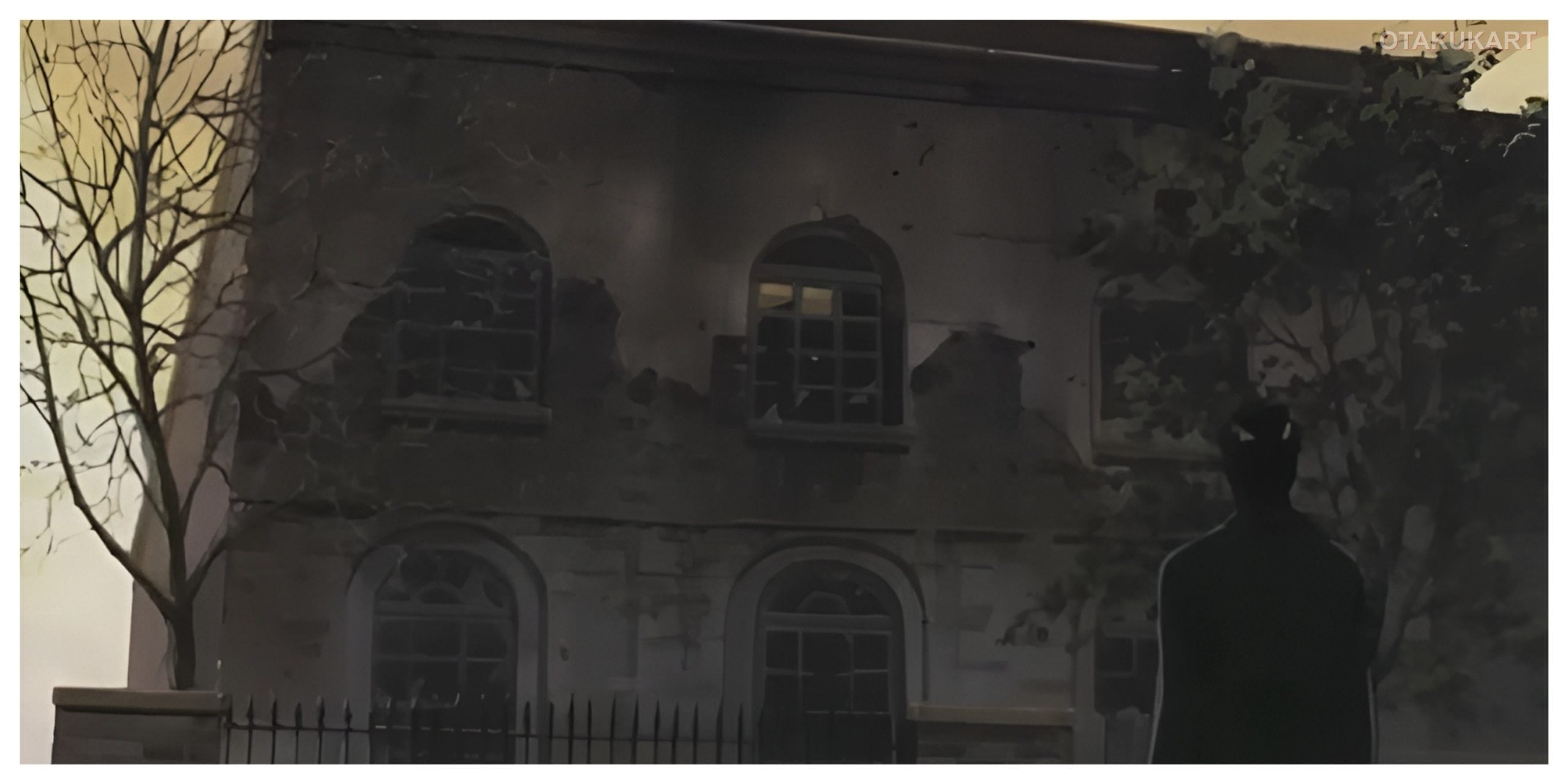
Tenma’s life changes completely after he discovers the truth about Johan’s actions. The man he once saved is later responsible for multiple deaths. Tenma leaves his career behind and begins searching for Johan across Europe. Along the way, he tries to understand how the innocent child he saved became such a ruthless killer.
The pursuit becomes more difficult as Tenma learns more about Johan and the people connected to him. He is not only chasing a criminal but also questioning whether saving Johan was a mistake. The deeper he goes, the harder it becomes to separate justice from responsibility and personal guilt.
Tenma’s struggle is what gives Monster its strongest connection to Christopher Nolan’s stories. Nolan often puts characters in situations where the right choice is not always obvious. Like them, Tenma has to live with a decision that seemed right at the time but produces consequences he never expected.
Johan makes that question even more unsettling because he is more than a villain. His past raises difficult questions about trauma, responsibility, and the nature of evil. Rather than relying on constant action, Monster builds tension through Tenma’s growing doubts and the moral weight of his choices.
9. Ergo Proxy Builds a Philosophical Mystery Around the End of Humanity
In a world where humanity has been pushed to the edge, people live inside protected cities and try to maintain a normal life. Ergo Proxy begins in Romdo, a domed city where humans and androids live under strict control. A series of strange events soon forces its characters to question the city’s rules, their identities, and the world outside.
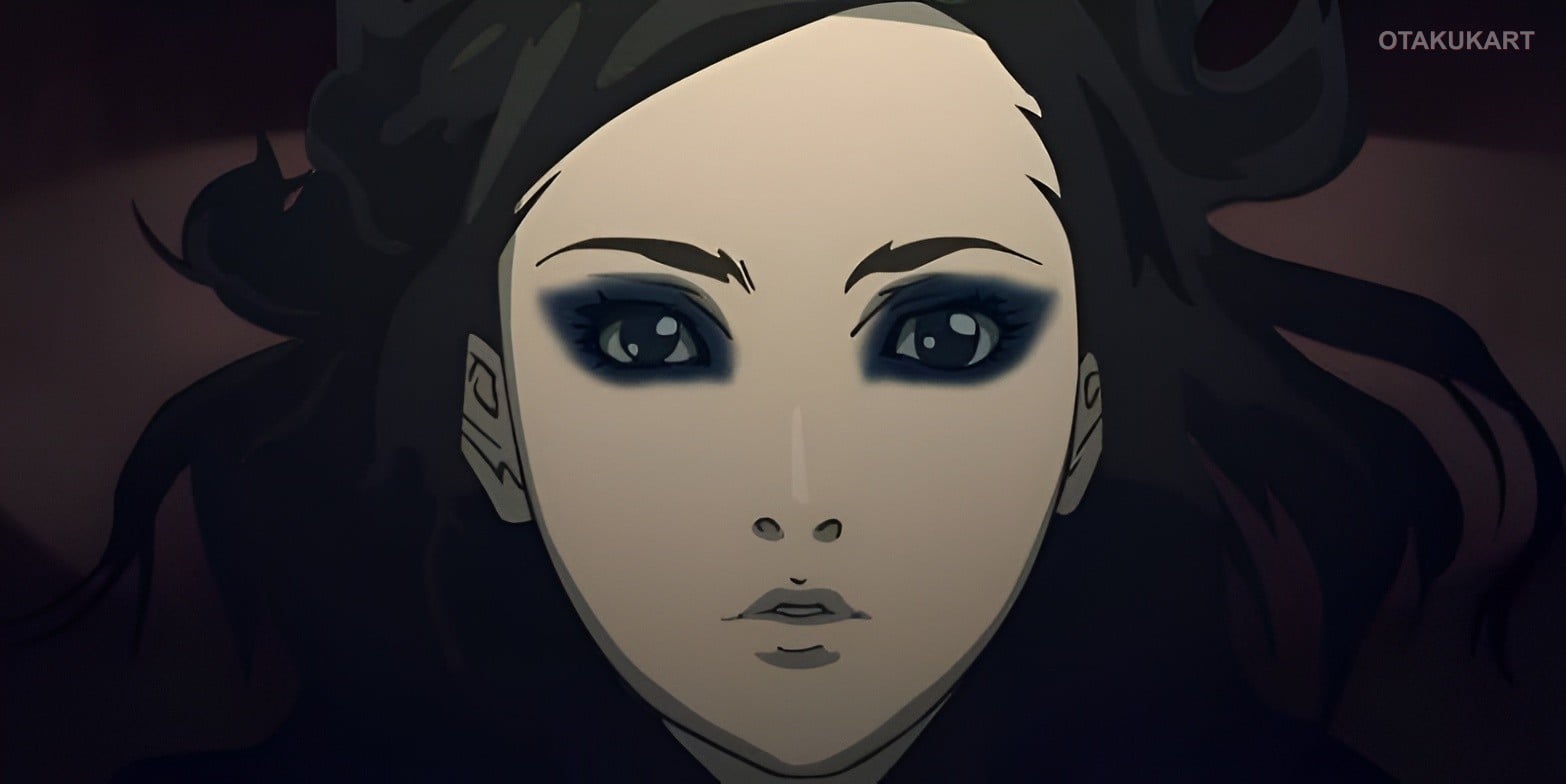
The plot takes place in Romdo, a domed city where humans live alongside AutoReivs, android-like machines created to serve them. Re-l Mayer, an inspector, begins investigating strange murders and a mysterious virus affecting the AutoReivs. Her investigation soon leads her toward secrets that reach far beyond the city.
As Re-l searches for answers, the mystery begins changing the way she sees the world. She starts questioning what she knows about humanity, technology, and her own identity. Instead of solving one mystery and moving on, each discovery leads to even bigger questions.
The deeper narrative is less about finding simple answers and more about understanding what it means to be human. Ergo Proxy talks about consciousness, artificial intelligence, religion, identity, and the future of humanity. Like Interstellar, it uses science fiction to explore large ideas rather than relying only on spectacle.
Its bleak cities and mysterious environment also make the world itself feel like part of the mystery. Almost every location seems to hide something about the forgotten past. The result is an arc that asks viewers to think about its questions rather than expecting every mystery to have an easy answer.
10. The Tatami Galaxy Turns Repetition Into a Story About Choice
College can feel full of possibilities, especially when you keep wondering what might have happened if you had made a different choice. The Tatami Galaxy takes that feeling and turns it into a clever story about choices, regret, and the paths we never take.
The story follows an unnamed university student who imagines how his college years might have changed if he had joined different clubs. Each version gives him another chance to experience campus life differently. Yet the same people, situations, and problems keep appearing even when his choices change.
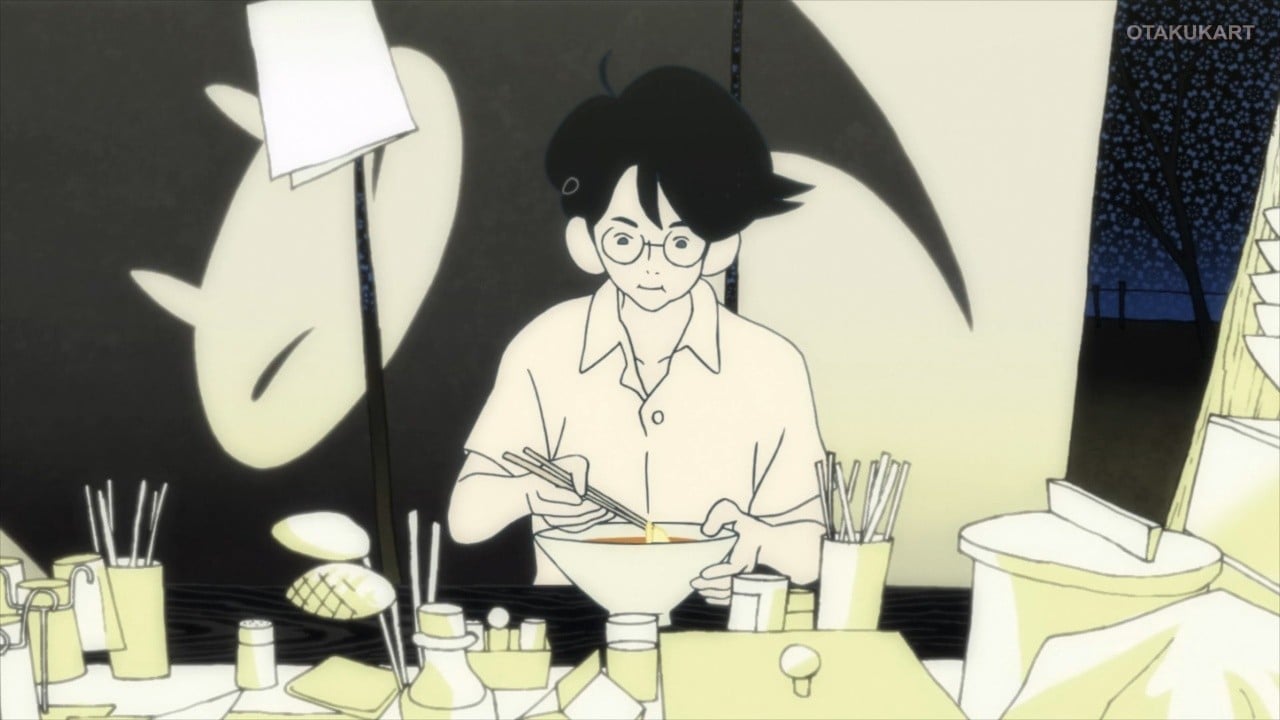
That repetition gradually becomes the point. The student keeps trying different versions of college, hoping to find the perfect experience, but familiar problems continue to follow him. Instead of simply showing alternate versions of his life, the series uses those repeated experiences to make him look more closely at his own choices.
This gives The Tatami Galaxy a personal connection to Christopher Nolan’s interest in choices and consequences. Interstellar shows characters making difficult decisions without knowing exactly what the future holds, while Inception explores how ideas can influence people’s actions. The Tatami Galaxy brings those ideas into the much more familiar setting of college life.
Its fast dialogue and playful visual style also separate it from darker science-fiction stories. Beneath the unusual structure is a simple question, would another version of your life really make you happier, or would you keep searching for something different no matter which path you chose?
11. Terror in Resonance Uses a Thriller to Examine Consequences
Two teenage boys, Nine and Twelve, carry out a terrorist attack in Tokyo using carefully planned explosions. They leave cryptic clues behind, challenging the police to figure out their next move. Detective Kenjirō Shibazaki becomes determined to understand their motives and uncover the truth behind their actions.
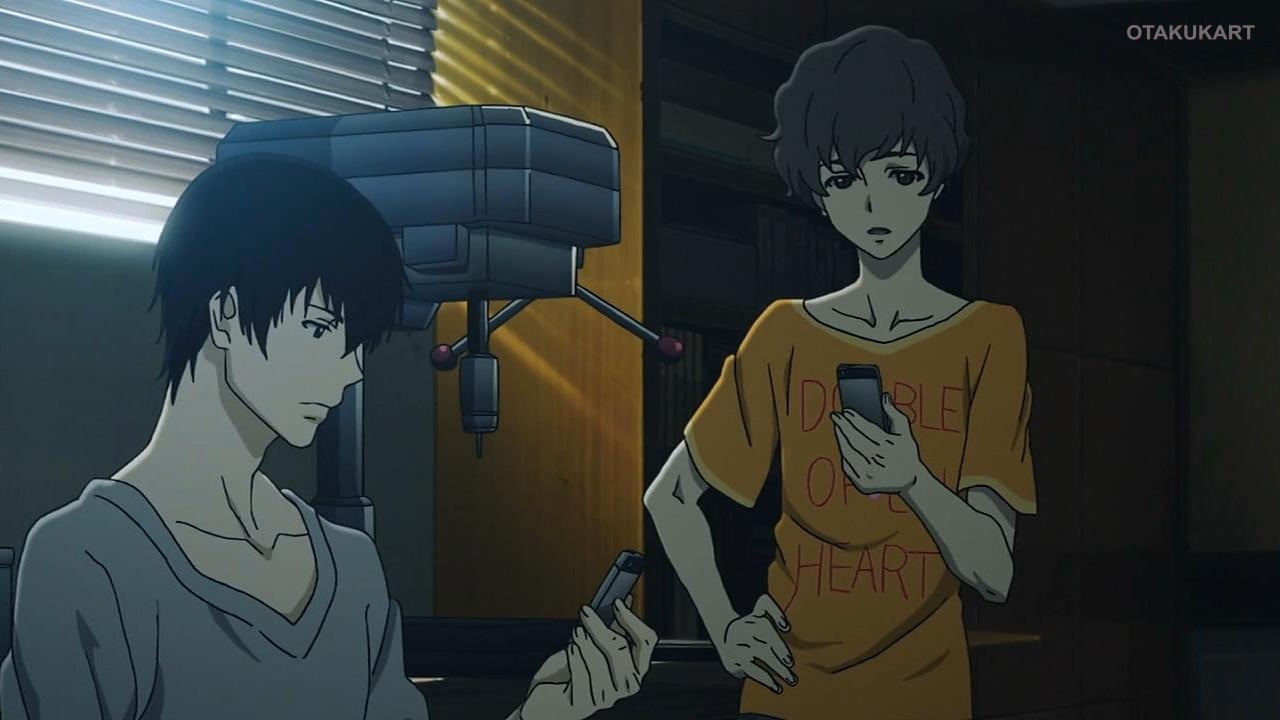
Nine and Twelve are not ordinary criminals. They carefully plan their attacks and use cryptic messages to challenge the police. Shibazaki becomes determined to understand what they are trying to accomplish rather than catching them.
The investigation becomes more complicated as their motives begin to emerge. What first looks like a straightforward criminal case slowly reveals a much more painful story. Shibazaki realizes that understanding why the boys act this way may be just as important as stopping them.
Terror in Resonance connects with Christopher Nolan’s thrillers through its focus on morally complicated characters and hidden motives. Like The Dark Knight, it avoids presenting its central conflict as a battle between good and evil. Its police investigation, carefully planned attacks, and buried secrets can also remind viewers of The Prestige.
The series keeps its storytelling focused and tense without relying on constant action. Empty streets, surveillance, quiet conversations, and the growing investigation create an uneasy atmosphere. More importantly, the story leaves viewers with difficult questions about trauma, responsibility, and whether a painful past can ever justify harmful choices.
Alternate choices become a way to follow the importance of appreciating the life you already have. Each new version of college life gives the protagonist another chance to find the perfect path. Eventually, he realizes that constantly searching for a better choice can stop him from enjoying the life in front of him.
12. Paranoia Agent Makes Reality Itself Part of the Mystery
A mysterious attacker known as Shōnen Bat begins targeting people with a golden baseball bat. The attacks seem random, but investigators soon discover strange connections between the victims. As the mystery unfolds, the series follow fear, stress, and how people escape problems they cannot handle.
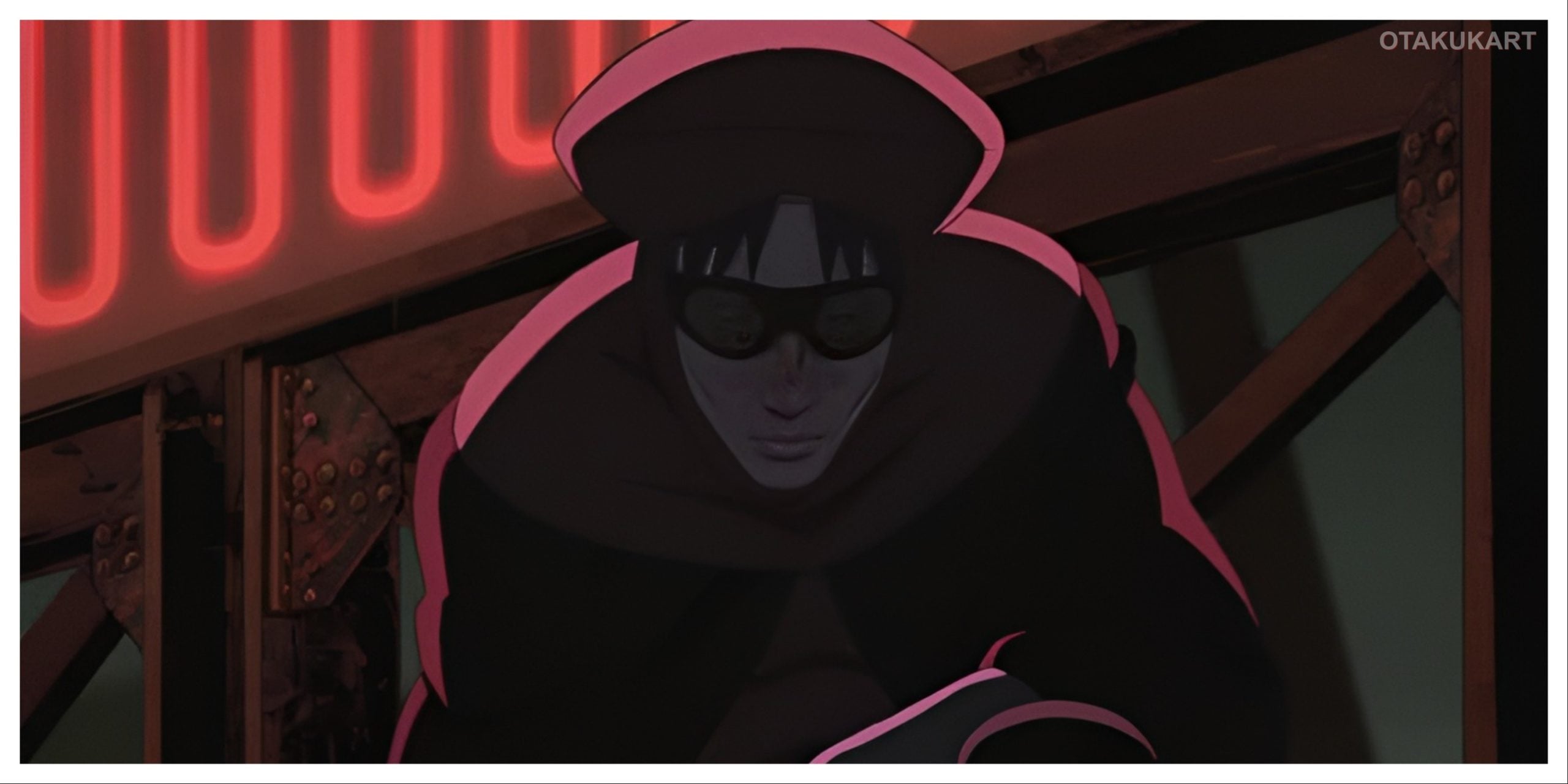
The investigation brings attention to different victims, each dealing with personal struggles of their own. As their stories begin to overlap, it becomes clear that Shōnen Bat is connected to more than a series of random attacks. Each new case reveals another part of the larger mystery.
The narrative becomes more unsettling as fear spreads through the community. Rumors and personal beliefs start affecting how people understand the attacks, while some characters begin using the mystery as an escape from problems in their everyday lives. Their anxiety gradually becomes part of the mystery itself.
The mystery goes beyond discovering the identity of Shōnen Bat. It examines how guilt, pressure, and anxiety can affect people’s decisions. Some characters create false explanations when reality becomes too difficult to accept. Their reactions show how fear can change the way people understand the world around them.
13. Ghost in the Shell: Stand Alone Complex Expands Science Fiction Into Philosophy
Cybercrime is a constant threat in the technologically advanced world of Ghost in the Shell: Stand Alone Complex. Major Motoko Kusanagi and Public Security Section 9 investigate cases involving hackers, cyberterrorism, and crimes linked to advanced cyberbrains. As the cases become more connected, Section 9 uncovers larger threats involving technology, politics, and society.
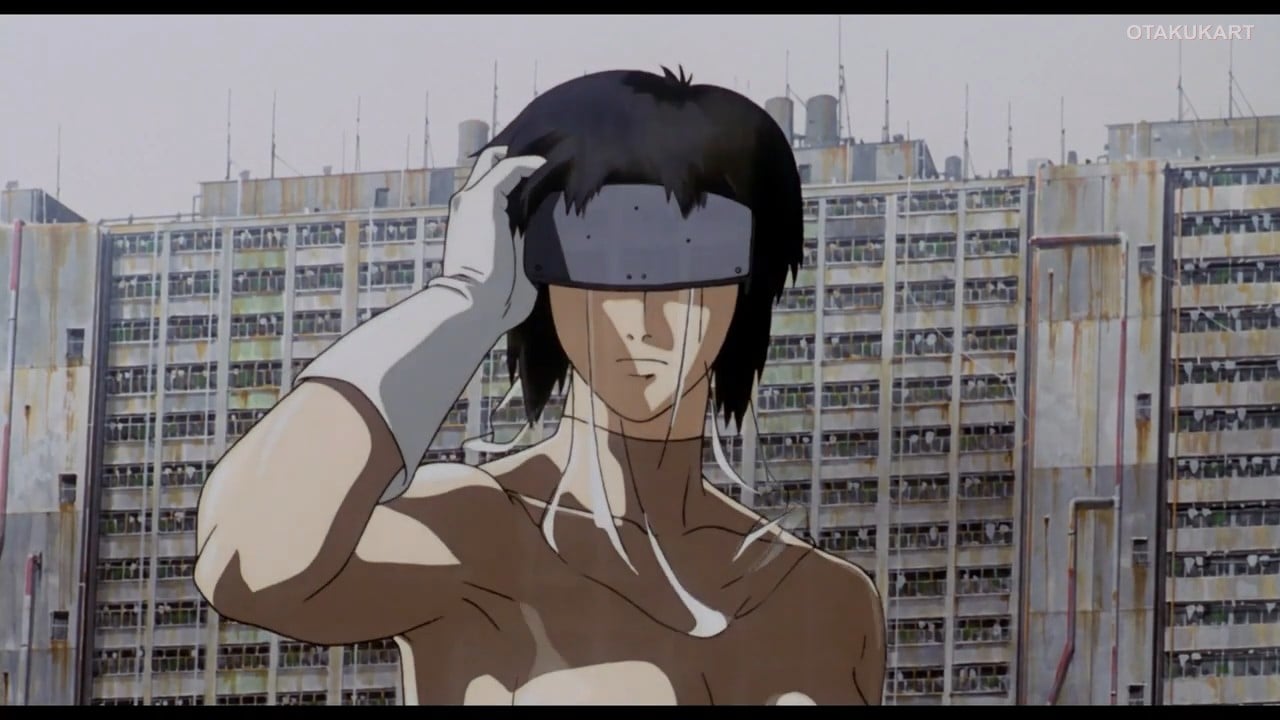
The team is led by Major Motoko Kusanagi, a highly skilled operative with a heavily cybernetic body. Section 9 handles cases involving hackers, terrorism, political schemes, and technology. What begins as a routine investigation can quickly reveal something much bigger.
Technology becomes more than a tool as Major and her team follow the evidence. Cybernetic bodies, connected memories, and artificial intelligence make it difficult to decide where a human being ends and a machine begins. The cases therefore raise questions that go beyond crime and security.
The series also uses its investigations to examine consciousness and free will. A hacker can challenge someone’s sense of identity, while an advanced artificial intelligence can raise questions about what turns a person truly human. The larger conspiracies show how technology can affect entire societies.
The cybercrime cases gradually lead into larger questions about technology and human identity. Motoko Kusanagi and Section 9 investigate hackers, conspiracies, and threats that challenge their understanding of society. The series also explores consciousness and what it means to remain human in a world filled with cybernetic technology.
14. Psycho-Pass Turns Free Will Into a Crime-Detection Problem
Psycho-Pass is set in a future Japan where the Sibyl System measures people’s mental states and determines their potential for criminal behavior. Inspectors and Enforcers of the Public Safety Bureau use this system to identify and stop people before they commit serious crimes. The system creates a society where technology can influence who is considered life threatening and who is allowed to live freely.
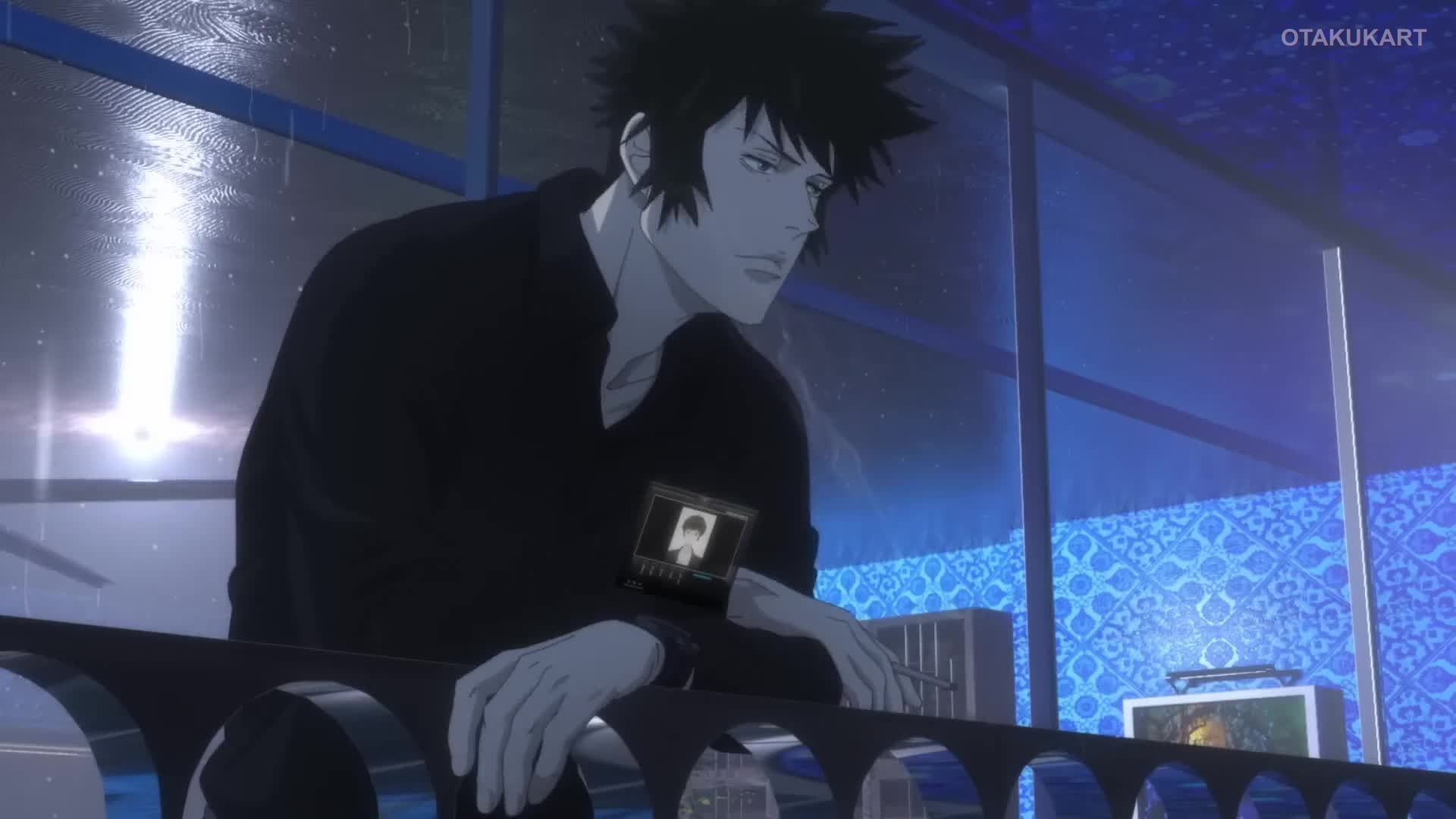
The system behind this society is called the Sibyl System, which measures people’s mental states and determines how harmful they might become. Akane Tsunemori joins the police as an inspector and quickly discovers that the system is not as simple as it first appears. Her job is to investigate criminals while working within a system that claims to know who is threat.
As Akane handles different cases, she begins questioning the judgments made by the system. Some situations force her to decide whether she should trust its calculations or rely on her own understanding of people. What starts as part of her job gradually becomes a much bigger question about how justice should work.
The biggest question is about free will. If technology predicts that someone could become dangerous, should that person be punished before committing a crime? Psycho-Pass uses its futuristic setting to explore the difficult balance between safety, freedom, justice, and human choice.
15. Sonny Boy Leaves Reality Behind and Asks What Comes Next
A normal school day changes completely when a group of students is suddenly transported into strange alternate worlds. In Sonny Boy, Nagara and his classmates must survive these unfamiliar places while discovering unusual abilities. They also have to understand the mysterious rules of each world and find a way to return home.

The students soon discover that some of their classmates have developed unusual abilities. Each new world also seems to have its own rules, making it difficult to know what they can trust. What begins as confusion gradually becomes a struggle to understand their new situation.
As the students move through these strange worlds, disagreements begin to grow. They have different ideas about how they should live, which rules they should follow, and what they should do with their abilities. Without the familiar structure of school and everyday life, even simple decisions become difficult.
The isolation also changes how the students see freedom and responsibility. They can no longer rely on the normal rules that once guided their lives, forcing them to decide what kind of society they want to create. Their conflicts become just as important as the strange worlds around them.
Sonny Boy leaves many questions unanswered, making uncertainty an important part of the experience. The strange worlds and supernatural abilities create a setting where the students cannot rely on the rules they once knew. Their situation talks about freedom, isolation, responsibility, and the search for meaning.