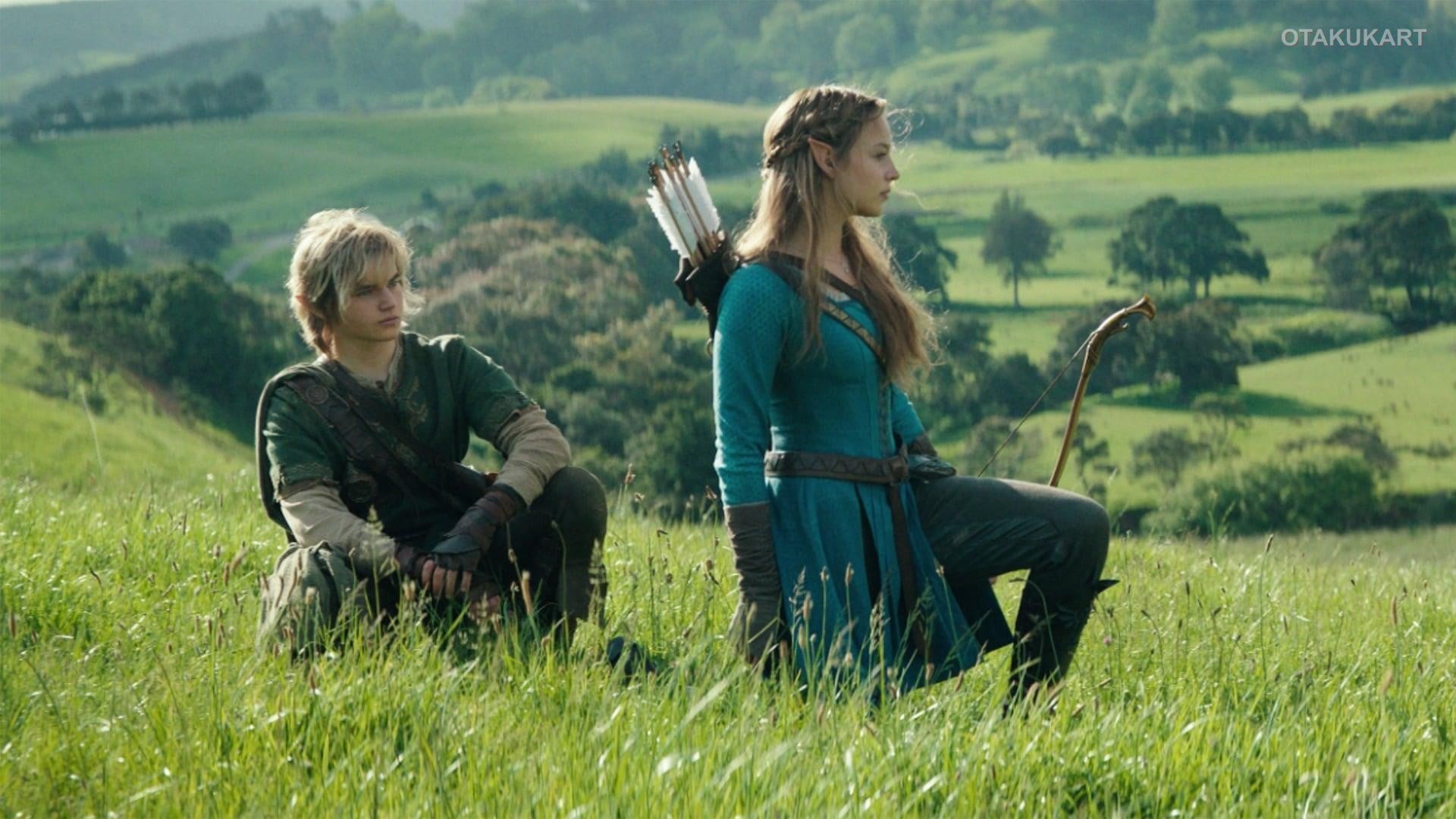
Nintendo’s upcoming live-action The Legend of Zelda is shaping up to be one of the company’s most ambitious projects yet, and its latest production choice reveals a bold creative direction. By filming extensively in New Zealand, the movie is following a strategy famously used by The Lord of the Rings trilogy, prioritizing real-world landscapes over heavy reliance on CGI. While this approach has proven successful in the past, it also comes with high expectations, especially as Nintendo attempts to deliver its first major live-action hit.
Directed by Wes Ball and scheduled for release in April 2027, the film is already generating buzz for its visual direction. With production now wrapped, early details suggest that Nintendo is aiming for a more grounded and immersive fantasy experience rather than a purely effects-driven spectacle.
Why New Zealand Filming Matters for Zelda
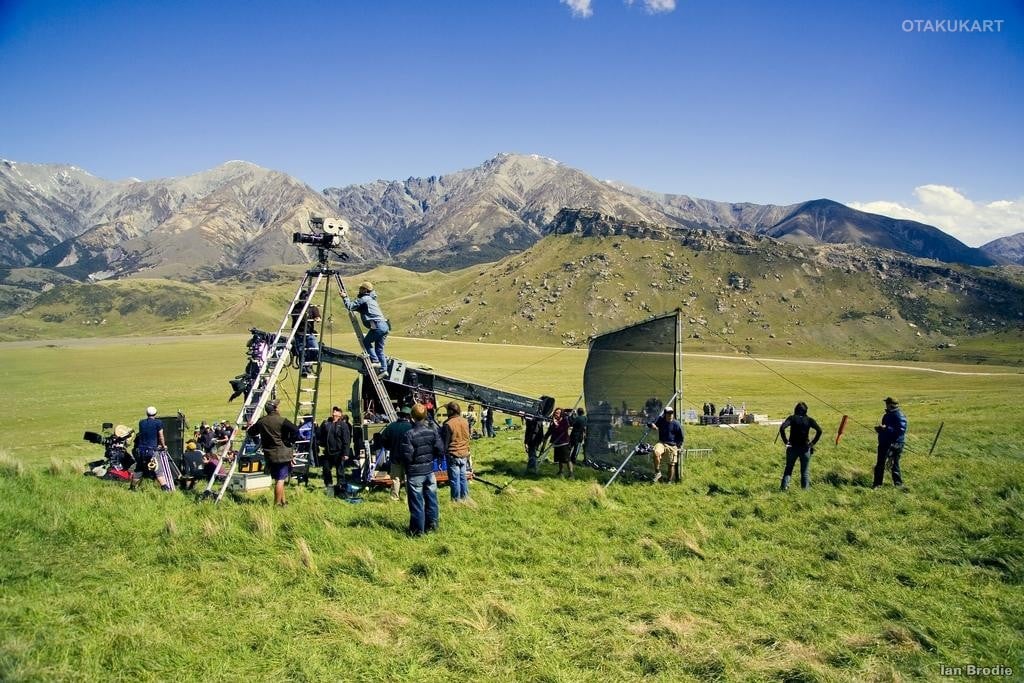
A large portion of the film was shot in New Zealand’s Otago region, a location known for its dramatic mountains, rivers, and wide-open landscapes. The same region played a key role in bringing Middle-earth to life in The Lord of the Rings, and its use here is a strong signal of the tone Nintendo is aiming for.
For a franchise like Zelda, this decision makes creative sense. The world of Hyrule is defined by its natural environments, from forests and plains to towering mountains and flowing rivers. Filming in real locations allows these elements to feel authentic, giving the film a sense of scale and realism that is difficult to achieve with digital environments alone.
This choice also reflects a broader industry lesson. While CGI technology has advanced significantly, audiences often respond more strongly to practical settings. Real landscapes provide natural lighting and texture, helping scenes feel more immersive and believable.
Director Wes Ball Wants a “Grounded” Fantasy World
Director Wes Ball has been clear about his vision for the film. In an interview with Polygon, he explained that he wants The Legend of Zelda to feel more “real” and “grounded” than typical fantasy blockbusters. This approach stands in contrast to many modern films that rely heavily on green screens and digital sets.
Ball’s emphasis on realism suggests that the film will focus on tangible environments and practical filmmaking techniques wherever possible. This could help the movie avoid a common criticism of recent big-budget productions, where excessive CGI can make worlds feel artificial or disconnected.
By combining real-world locations with carefully used visual effects, the film has the potential to strike a balance similar to The Lord of the Rings, which remains a benchmark for fantasy storytelling on screen.
Nature Has Always Been Core to Zelda’s Identity
The decision to highlight natural environments is not just a cinematic choice but a reflection of the franchise’s roots. Shigeru Miyamoto, the co-creator of Zelda, has often said that the series was inspired by his childhood explorations in rural Japan. He wanted players to experience the same sense of curiosity and discovery he felt while exploring caves and forests.
This philosophy became a defining feature of the games, which encourage players to explore open environments and uncover hidden secrets. Translating that experience to film requires more than visual effects, it demands a world that feels alive and expansive.
Filming in New Zealand supports this goal by providing a natural backdrop that mirrors the spirit of Hyrule. Wide landscapes and untouched scenery can evoke the same sense of wonder that players associate with the games.
Learning From The Lord of the Rings’ Success
The influence of Peter Jackson’s work on The Lord of the Rings is hard to ignore. Jackson’s trilogy set a high standard for fantasy films by blending real locations, practical effects, and selective CGI. This combination helped create a world that felt both epic and believable.
In contrast, later fantasy films that leaned more heavily on digital environments have often struggled to achieve the same level of immersion. Even The Hobbit trilogy faced criticism for its increased reliance on CGI, which some viewers felt reduced its visual impact.
By adopting a similar approach to The Lord of the Rings, Nintendo is positioning The Legend of Zelda as a serious fantasy project rather than just another video game adaptation. This strategy could help the film stand out in a crowded market.
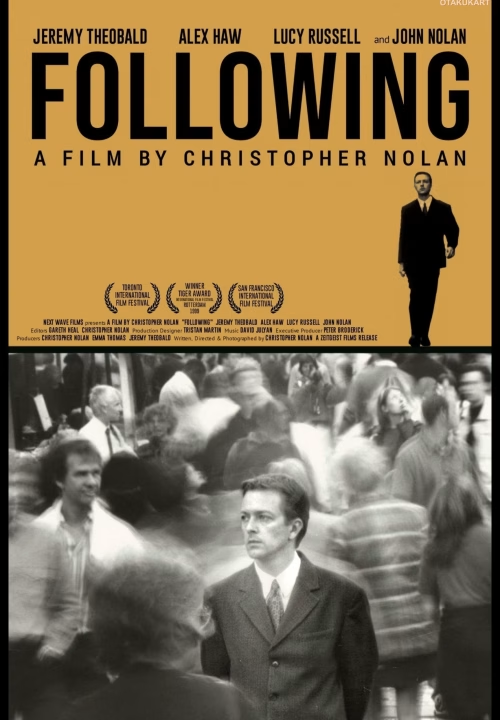
| Release Date | September 12, 1998 |
|---|---|
| Studio | Next Wave Films; Syncopy |
| Director | Christopher Nolan |
| Writer(s) | Christopher Nolan |