The final season of The Boys was supposed to deliver a brutal, high-stakes conclusion to one of the most talked-about superhero shows of the last decade. With years of buildup behind characters like Homelander and Butcher, expectations were sky-high for a final chapter that would combine emotional payoff with explosive storytelling. Instead, Season 5 has sparked growing criticism from fans and critics alike, with many questioning whether the series can stick the landing.
From pacing issues and underwhelming stakes to wasted storylines and sidelined characters, the season has struggled to maintain the sharp edge that once defined it. The backlash intensified after recent episodes failed to move the story forward in meaningful ways, raising concerns that the finale may not have enough time to resolve everything.
With comparisons already being drawn to disappointing endings like Game of Thrones, the pressure is now firmly on the show’s final episode. Let’s break down exactly what went wrong with The Boys Season 5.
The Pacing Problem That Slowed the Final Season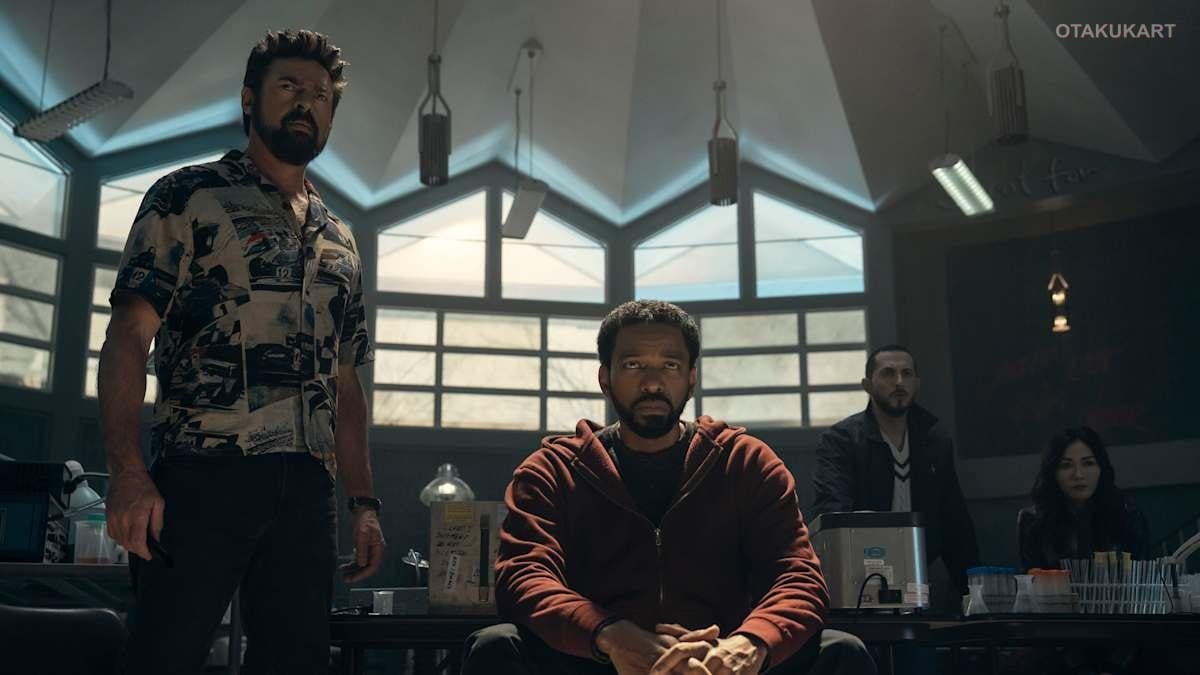
One of the biggest issues with The Boys Season 5 is its uneven pacing. For a final season, fans expected a tightly structured narrative that steadily built toward a massive climax. Instead, several episodes feel like they are stalling rather than progressing the story.
Large portions of the season are spent on conversations, side plots, and setups that do not pay off quickly enough. While character-driven storytelling has always been part of the show’s strength, the balance feels off this time. The urgency that once defined the series is noticeably missing, especially considering how close the story is to its conclusion.
This slow pacing becomes even more frustrating when major plot developments are either delayed or rushed at the last minute. Instead of a consistent build-up, the season often jumps between long stretches of minimal progress and sudden bursts of important events. This uneven rhythm makes the final act feel less impactful than it should.
The Virus Storyline That Led Nowhere
One of the most criticized elements of Season 5 is the supe-killing virus storyline. Introduced as a major threat capable of taking down Homelander, the virus was positioned as a central plot point not just in this season, but across the wider universe, including Gen V.
However, after spending so much time building up this storyline, the show suddenly sidelines it. Homelander’s acquisition of V1 effectively neutralizes the threat, forcing the characters to pivot toward a different plan. For many viewers, this makes the entire arc feel pointless in hindsight.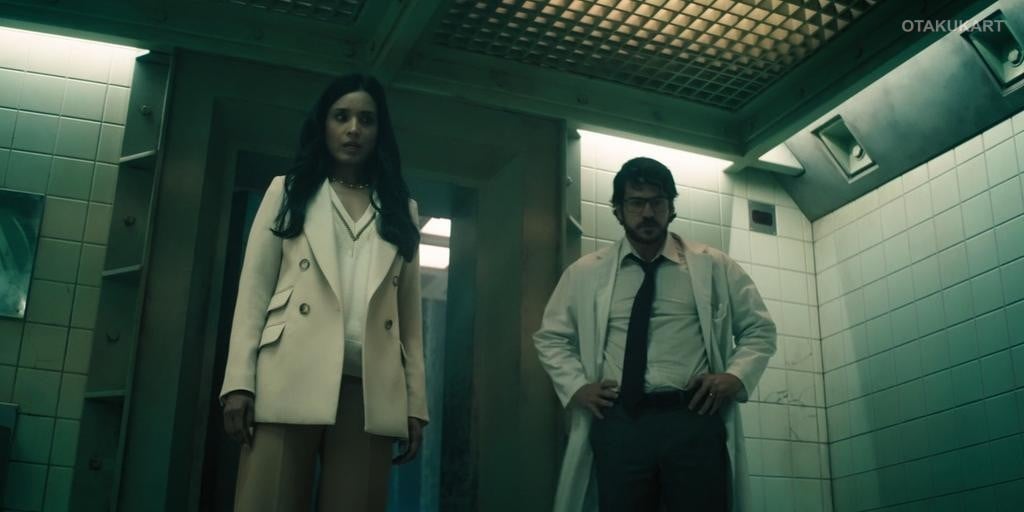
The issue is not just that the plan fails, but that it lacks a meaningful payoff. Fans expected the virus to play a crucial role in the finale, but instead, it feels like a narrative detour that consumed valuable screen time. In a final season where every moment matters, this kind of wasted setup stands out even more.
Too Many Storylines, Not Enough Time
Another major misstep is the sheer number of storylines the season is trying to juggle. From Homelander’s rise and Butcher’s deteriorating condition to Ryan’s arc and the broader political chaos, there are simply too many threads competing for attention.
This problem becomes especially concerning with only one episode left to resolve everything. Fans are worried that the finale will attempt to tie up all these arcs in a limited runtime, which could lead to rushed or unsatisfying conclusions.
Comparisons to Game of Thrones Season 8 have already started appearing online. That series faced similar criticism for trying to wrap up complex storylines too quickly, ultimately damaging its legacy. The Boys now risks falling into the same trap if it cannot properly balance its narrative threads.
Even the show itself seems aware of this challenge. A meta moment earlier in the season features a writer character saying, “Just try making everybody happy. You can’t do it. Finales are the worst.” While intended as humor, the line reflects the real pressure facing the series.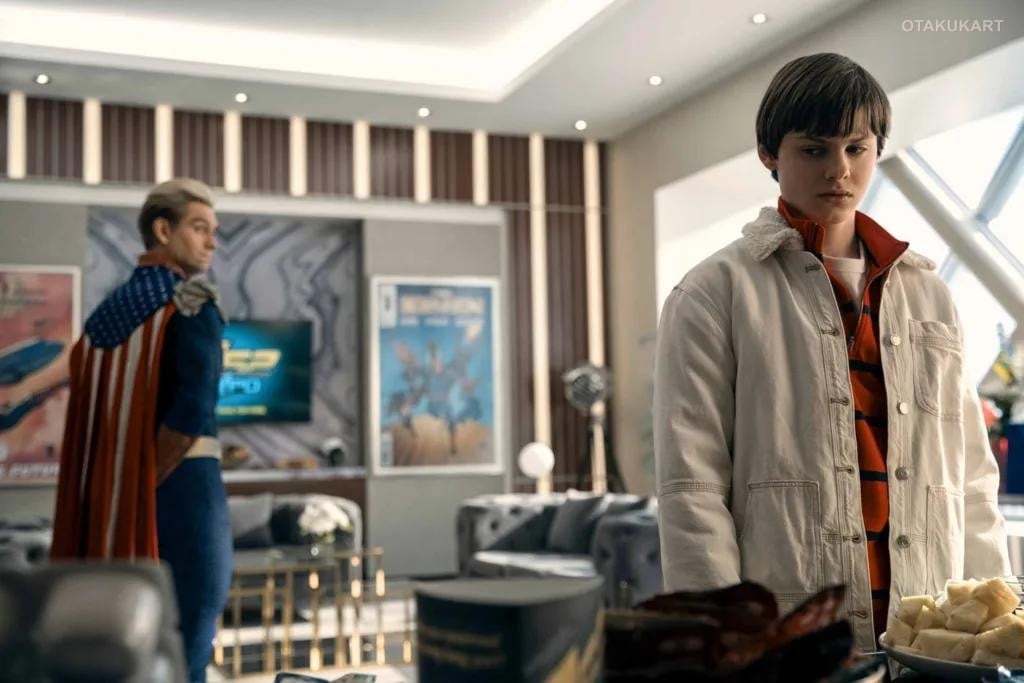
Wasted Potential With Gen V and Supporting Characters
The crossover potential with Gen V was another opportunity that the show failed to fully capitalize on. Characters like Marie Moreau were heavily teased as important figures in the fight against Homelander, but their actual involvement has been minimal.
This limited usage makes the crossover feel more like a promotional tie-in than a meaningful part of the story. For fans who followed Gen V, the lack of payoff is especially disappointing. It creates the impression that the shared universe setup was not fully planned out.
Other supporting characters have also suffered from inconsistent writing. Sister Sage, introduced as the smartest person in the world, often makes decisions that feel illogical or underdeveloped. Kimiko’s character arc, which had been built carefully over multiple seasons, also takes an odd turn before partially recovering in later episodes.
These inconsistencies contribute to a sense that the season lacks a clear narrative focus. Instead of building toward a cohesive conclusion, many character arcs feel scattered or incomplete.
The Boys Being Sidelined in Their Own Show
One of the more surprising criticisms is that the core team, the Boys themselves, feel less important this season. Characters like Hughie and Starlight, who once played central roles in the story, have taken a backseat to other plotlines.
Hughie, in particular, has seen a noticeable drop in relevance, despite being one of the emotional anchors of the series. Similarly, Starlight’s long-awaited character development has not received the payoff many fans expected. Instead of leading the charge against Homelander, both characters often feel reactive rather than proactive.
This shift in focus has weakened the emotional core of the show. The Boys has always worked best when it centered on its main characters and their personal struggles. By sidelining them, the final season loses some of the connection that made earlier seasons so engaging.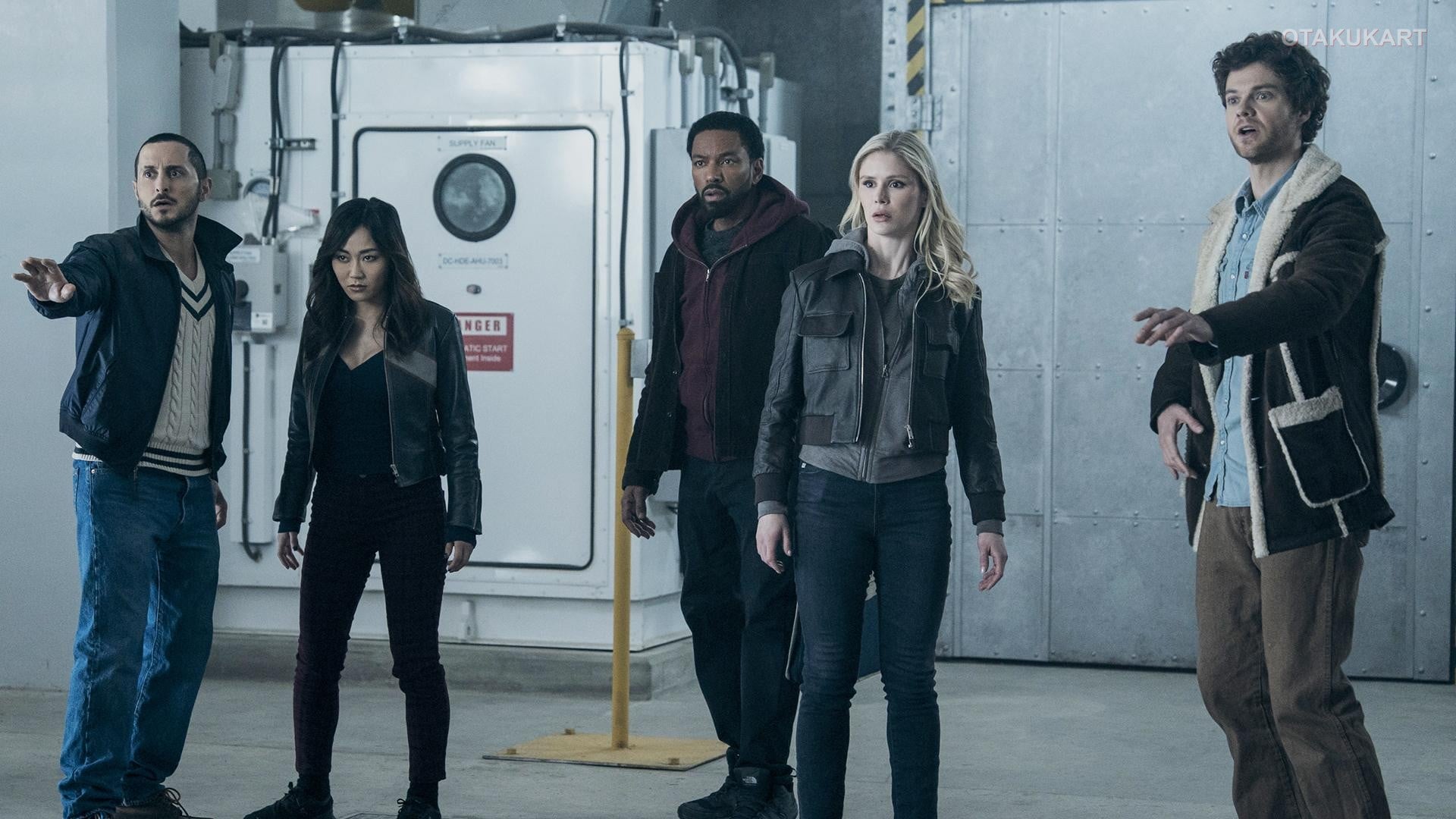
Lower Stakes and Lack of Big Moments
Another recurring complaint is that Season 5 feels smaller in scale compared to earlier seasons. Despite marketing that suggested global destruction and massive consequences, much of the action happens off-screen or is conveyed through news reports.
The lack of major set pieces and large-scale confrontations has disappointed fans who expected a more epic final season. While there are still surprising moments, they are fewer and less impactful than in previous installments.
This issue ties back to the pacing and storytelling choices. By focusing heavily on setup without delivering enough payoff, the season struggles to create the sense of urgency and danger that once defined it.
Homelander’s Arc Feels Less Threatening
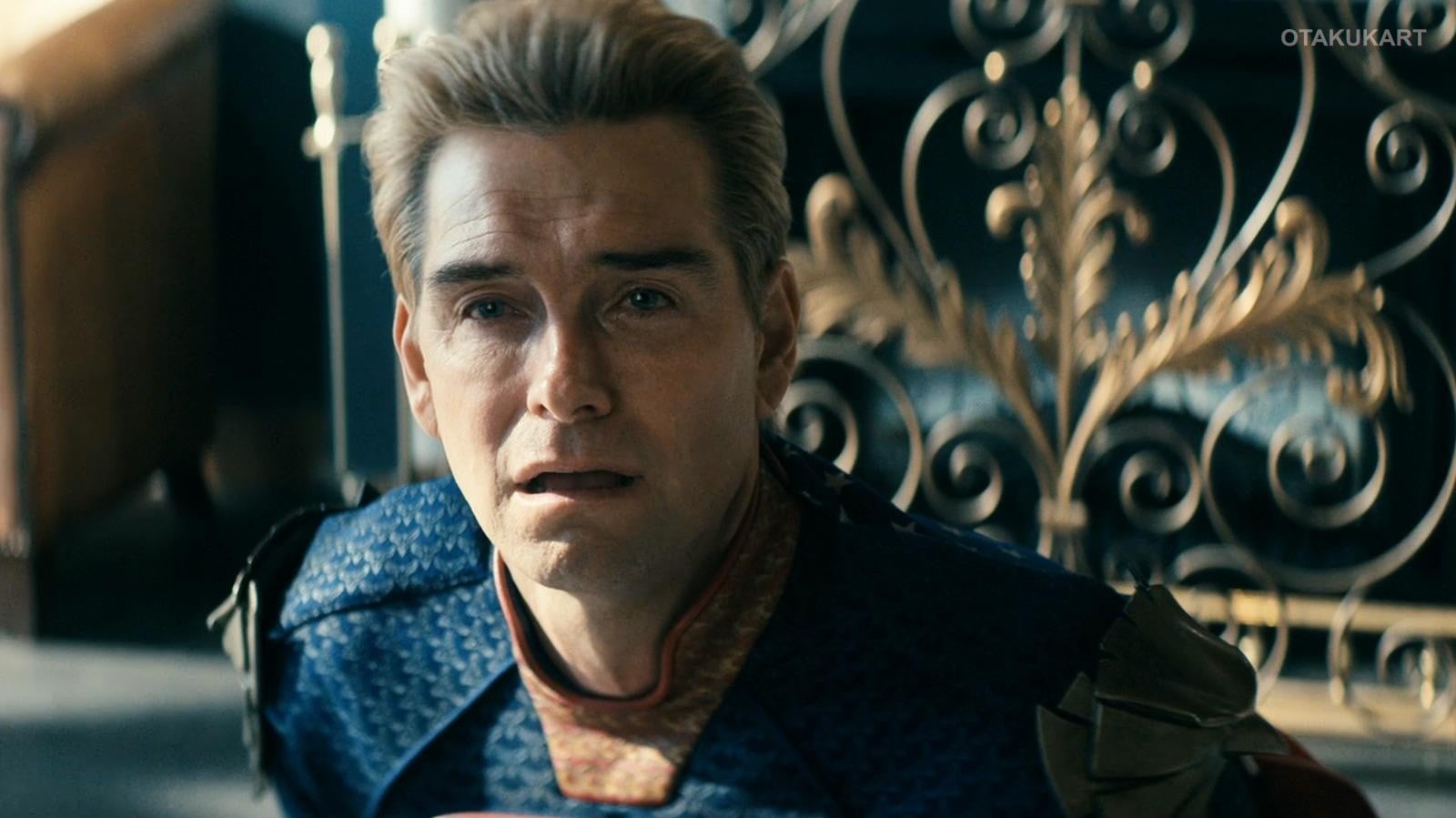
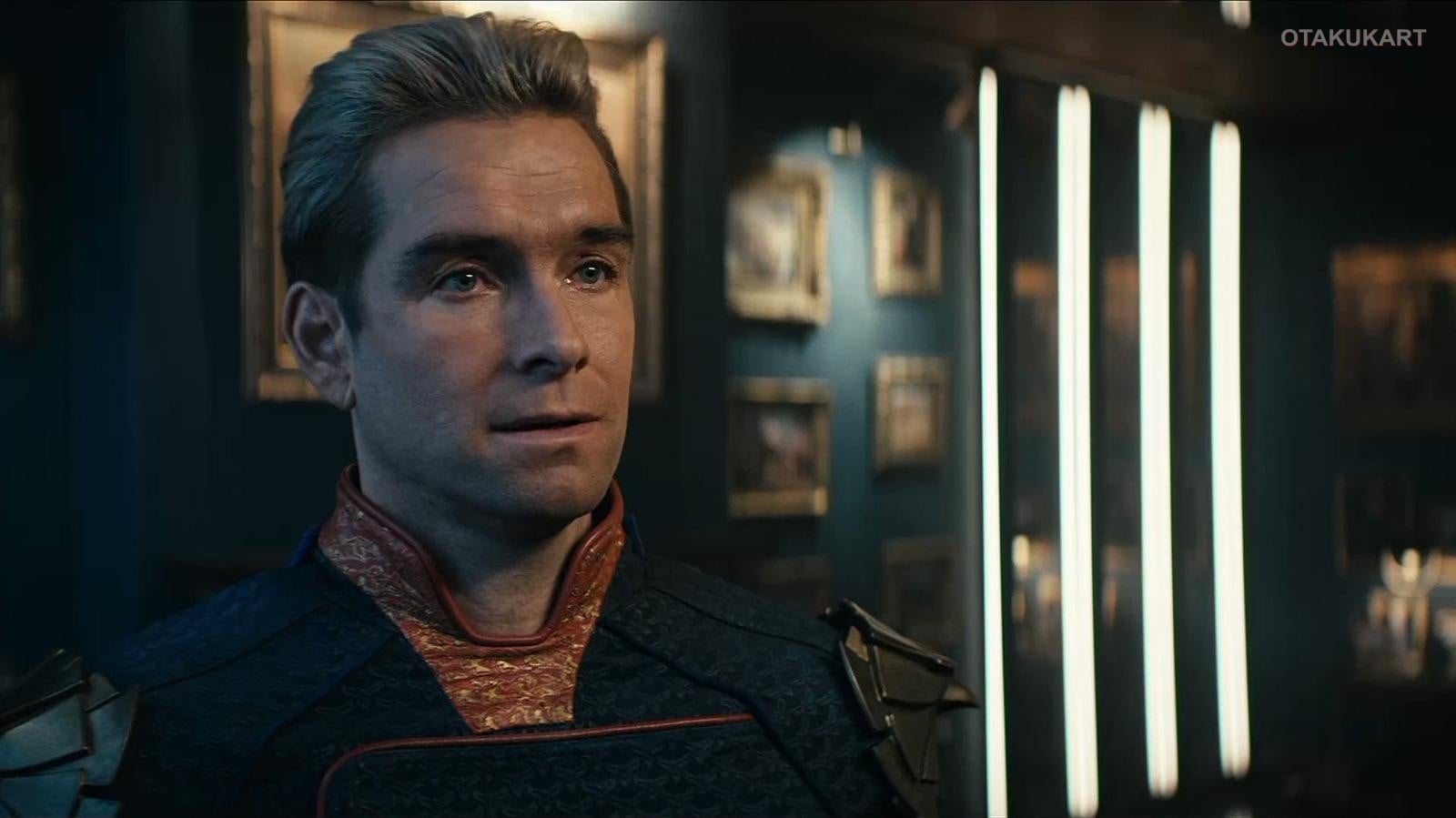
Homelander has always been the centerpiece of The Boys, serving as both its main antagonist and its most compelling character. However, Season 5’s portrayal of him has divided fans.
The idea of Homelander seeing himself as a god is not inherently flawed. In fact, it aligns well with his character development. The issue lies in how this concept is executed. Instead of making him more terrifying, certain storylines make him appear less threatening and more absurd.
Moments that should feel intense are sometimes undercut by satirical elements that lean too heavily into comedy. While satire has always been part of the show’s identity, the balance feels off in the final season. Fans expected Homelander to be at his most dangerous, not his most self-deluded.
This shift impacts the stakes of the story. When the main villain feels less intimidating, the conflict loses some of its tension.
The Finale Pressure and Fear of a Weak Ending
All of these issues ultimately lead to one central concern: whether the finale can deliver a satisfying ending. Showrunner Eric Kripke has openly admitted that he feels “absolute terror” about how the series will conclude, acknowledging that fans often judge a show based on its final episode.
This pressure is understandable given the history of major TV finales. A strong ending can lift an entire series, while a weak one can overshadow years of success. The Boys now finds itself at this critical turning point.
With so many unresolved storylines and high expectations, the finale has a difficult task ahead. It needs to provide emotional closure, resolve key conflicts, and deliver the kind of memorable moments fans have been waiting for.
The Boys Season 5 is not without its strengths, but its flaws are hard to ignore. From pacing issues and wasted storylines to underutilized characters and lower stakes, the final season has struggled to maintain the consistency that made the show a global hit.
The biggest concern is not any single misstep, but how they all come together in the final stretch. With only one episode left, the series must overcome these challenges to deliver a conclusion that feels earned and satisfying.
Whether The Boys can avoid the fate of other divisive finales remains to be seen. For now, Season 5 stands as a reminder of how difficult it is to end a beloved series on the right note.
Another key issue that has frustrated fans is the disconnect between the show’s marketing and what has actually been delivered on screen. Early promotional material teased a large-scale, almost apocalyptic conflict, with imagery suggesting global destruction and Homelander reaching his most dangerous form yet. However, the actual episodes have largely focused on smaller, contained moments that rarely match that level of scale.
This gap between expectation and execution has made the season feel underwhelming, even when individual scenes work well. When a final season promises escalation but instead feels restrained, it naturally leads to disappointment among viewers who were expecting something much bigger.