Toei Animation, one of the most famous anime studios in Japan, has recently found itself at the center of a heated debate after announcing plans to use artificial intelligence in its production workflows. The announcement specifically mentioned One Piece, one of Toei’s biggest and longest-running projects, as part of this new integration.
What was meant to be a showcase of innovation quickly turned into a public relations problem, as fans reacted with anger and disappointment. Many felt that the move showed disregard for the hardworking artists and animators who have built Toei’s reputation over the decades.
The controversy began when Toei revealed that it was testing AI tools to help streamline certain aspects of anime production. These included tasks such as background design, coloring, and even parts of character animation.
While the studio presented it as a way to improve efficiency and reduce workloads, fans saw it differently. To many, this was not about helping animators but about replacing them. The fear that AI could take over creative roles sparked outrage, especially because One Piece has always been seen as a series that thrives on human creativity, passion, and attention to detail.
Social media quickly lit up with criticism. Fans accused Toei of disrespecting the people who bring anime to life, arguing that the heart of anime lies in its artistry, not in machine-generated shortcuts. Some longtime viewers even threatened to boycott the studio’s projects, saying that anime made with AI would never carry the same spirit as traditional hand-drawn or digitally created animation. The backlash was so strong that Toei had to backpedal, issuing clarifications and promising that AI would not replace human artists but only serve as a support tool.

Toei Faces Fan Backlash After Announcing AI Integration in One Piece Production
Still, the damage was done. Many fans remain deeply skeptical. They worry that the studio’s interest in AI is motivated more by cutting costs than by genuinely trying to help animators. The anime industry is well known for its harsh working conditions, with long hours and low pay being common complaints among animators.
For many critics, the introduction of AI feels like another way to exploit workers rather than address the real problems. Instead of investing in better pay and working conditions, Toei’s announcement gave the impression that it wanted machines to pick up the slack.
This incident also highlights a bigger conversation happening across the entertainment world. AI has become increasingly common in music, film, and even literature, raising questions about the value of human creativity.
While some see AI as a useful tool that can speed up repetitive tasks, others fear it will lead to the loss of jobs and the decline of artistic quality. In anime, where passion and craft are central to storytelling, this debate becomes even more personal for fans and creators alike.
Also Read: Yoshihiro Togashi Shares Rare Progress Updates on Hunter × Hunter After Months of Silence
For One Piece in particular, the backlash was especially intense. The series is a cultural icon, loved worldwide for its detailed art, emotional storytelling, and imaginative world-building. Fans felt betrayed by the idea that such an important work could be handled partly by AI, which they believe cannot replicate the creative vision of human artists.
This distrust has left Toei with the challenge of rebuilding its image, not only with One Piece fans but also with the broader anime community.
Toei’s leadership has since tried to soften the message by explaining that AI would only be used in small, repetitive tasks that do not require artistic decision-making. They stressed that human animators remain central to the process and that AI is only meant to reduce some of the workload.
But many fans remain unconvinced, pointing out that companies often start with promises of limited use, only to expand AI involvement once it becomes more efficient and cheaper than human labor.
Anime Fans Fear Job Losses as Toei Backpedals on AI Workflow Plans
The controversy has also sparked conversations among animators themselves. Some see AI as a possible relief for tedious parts of production, while others fear that reliance on AI could devalue their work and eventually replace them. The debate reflects the uncertainty surrounding how technology and creativity will coexist in the future.

What is clear is that Toei underestimated the strength of fan loyalty and the sensitivity of this issue. Anime fans are deeply protective of the medium, and any suggestion that human artistry could be replaced is seen as an attack on the very soul of anime. The backlash serves as a reminder that anime is not just a business but also a cultural treasure built on the hard work of countless artists.
As the dust settles, Toei will need to work hard to regain fan trust. The studio must show that it values its animators and that AI will not threaten their place in the industry. Whether fans will forgive and move forward remains uncertain, but the controversy has made one thing clear: the future of anime must balance innovation with respect for the human creativity that brought it to life in the first place.
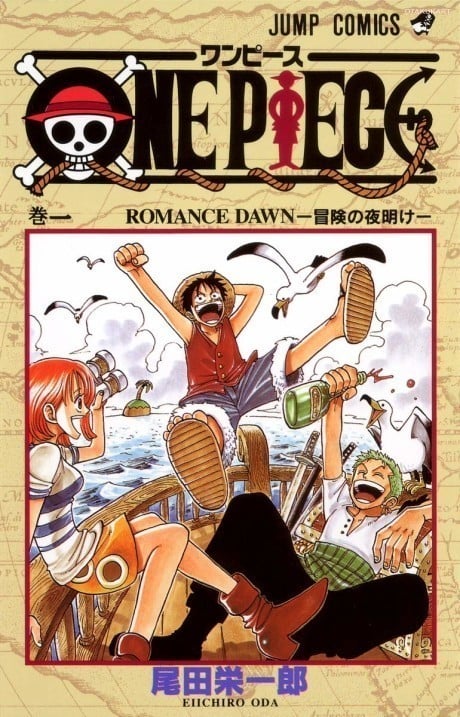
| Started | October 22, 1997 |
|---|---|
| Publisher | Shueisha |
| Author | Eiichiro Oda |