
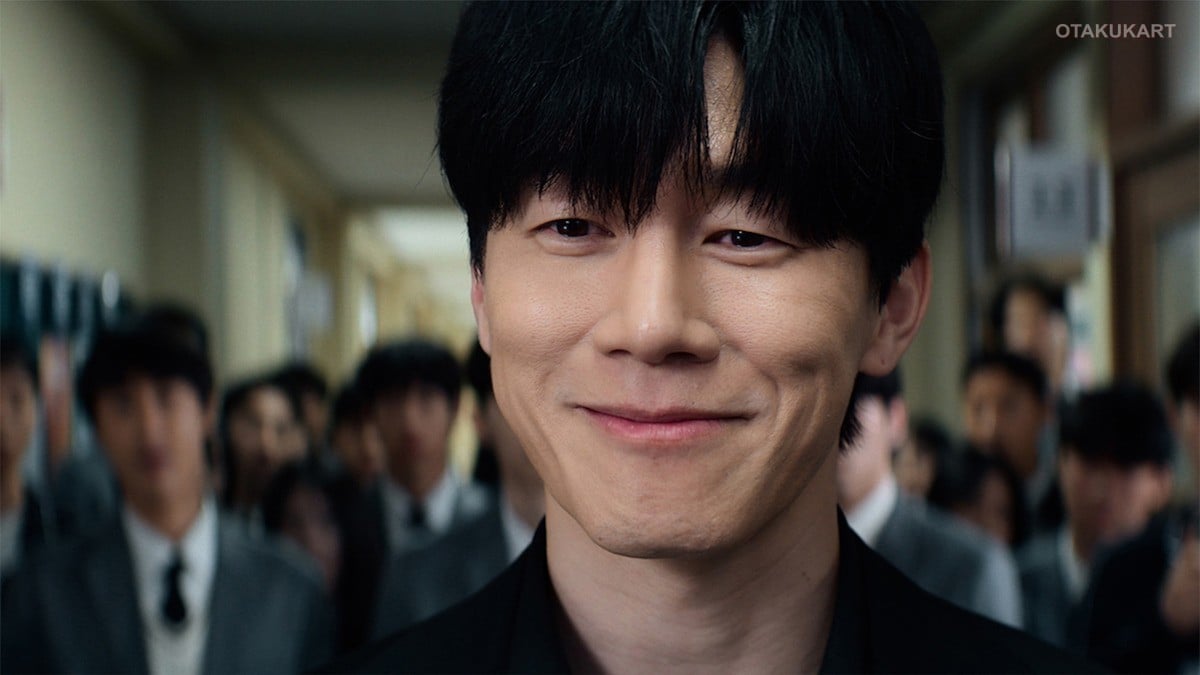
Netflix’s Korean drama Teach You a Lesson continues to build momentum worldwide, remaining at the top of the streamer’s Global Top 10 Non-English TV chart for four consecutive weeks.
According to Netflix’s weekly rankings, the series recorded 7.3 million views during the week of June 22–28 and reached the Top 10 in 91 countries, including Argentina, Germany, Japan, Malaysia, and Australia. While its action-packed premise has attracted viewers, director Hong Jong-chan believes the show’s international success stems from something much simpler—its commitment to authenticity.
Speaking to Variety, Hong reflected on the overwhelming response the series has received from audiences around the world, saying the show’s success has exceeded anything he originally imagined.
Authentic storytelling became the show’s biggest strength
Teach You a Lesson follows members of the fictional Educational Rights Protection Bureau (ERPB), a covert organization that intervenes in severe school bullying cases after traditional institutions fail to protect victims.
Although the organization itself is fictional, Hong explained that the issues explored throughout the series are rooted in real concerns surrounding education and bullying.
“The more faithfully we portray the specific realities of Korean society, the more universal the story becomes,”
Hong told Variety.
“The more specific and authentic a story is, the more people are able to see themselves in it.”
He summarized that philosophy with what has become the defining quote behind the show’s success:
“Authenticity is what ultimately travels across borders.”
According to Hong, the production never attempted to dilute Korean culture or reshape its themes for an international audience. Instead, the creative team focused on presenting emotionally honest stories that viewers from different countries could naturally relate to through their own experiences.

Balancing fantasy with real social issues
While Teach You a Lesson introduces the fictional ERPB, Hong stressed that the organization was never intended to serve as a realistic solution to school violence.
“The ERPB is a fantasy. It’s an organization that would be difficult to imagine existing in reality.”
Instead, the bureau exists to raise broader questions about justice, institutional responsibility, and what happens when existing systems fail vulnerable students. Hong said he wanted audiences to continue thinking about those questions long after finishing the series rather than providing simple answers.
That philosophy also influenced the show’s action sequences. Rather than relying solely on spectacle, Hong said every confrontation was designed to provide emotional catharsis after viewers witnessed the hardships endured by victims.
“The action isn’t there simply to entertain. It’s an expression of lifting people back up after they’ve been broken by what they’ve endured.”
Lead actor Kim Moo-yul, who portrays ERPB inspector Na Hwa-jin, also discussed the challenges of portraying a character who exists somewhere between hero and ordinary person.
“If a hero is someone who saves victims and delivers justice, then Hwa-jin is more of a person driven by responsibility. He gives others the opportunity and guidance they need to move forward with their lives.”
Rather than focusing primarily on the show’s fight scenes, Kim revealed he spent more time preparing for emotional moments involving victims of bullying. He wanted Na Hwa-jin to appear compassionate without becoming overly sentimental, while still projecting the confidence expected from someone with a special forces background.
Hong praised the performance, noting that Na Hwa-jin’s own emotional scars make him far more compelling than a flawless protagonist. According to the director, the character’s strength comes from understanding pain firsthand and choosing to help others despite carrying unresolved trauma himself.
Global audiences connected with a uniquely Korean story
One of the biggest surprises for both Hong and Kim has been the response from viewers outside South Korea. Hong revealed that teachers and parents from numerous countries have contacted the production team, saying they recognized the same challenges within their own education systems despite cultural differences.
Kim admitted he had initially worried international audiences might struggle to connect with a story so deeply rooted in Korea’s school system. Instead, the opposite happened, reinforcing Hong’s belief that authentic local storytelling can often resonate more strongly than narratives intentionally designed for global appeal.
Looking ahead, Hong said he would gladly return for a second season if given the opportunity. Regardless of what project comes next, he said his creative philosophy remains unchanged.
“What is the story that people most need to hear right now?”
Hong said.
“Whatever the genre may be, I believe every story must ultimately be about people.”