
The troubled development of Suicide Squad: Kill the Justice League has resurfaced as two former Rocksteady Studios developers shared how the game’s live-service direction nearly drove them out of the gaming industry altogether.
Speaking in a recent interview with Bloomberg, former developers Johnny Armstrong and Axel Rydby reflected on the emotional toll of working on the project, describing a development cycle dominated by commercial targets rather than creative game design.
Released in 2024, Suicide Squad: Kill the Justice League received mixed reviews from critics and players alike, with many questioning its live-service structure and repetitive gameplay loop. The game’s commercial performance also fell short of expectations, with Warner Bros.
Discovery previously confirmed that the title contributed to a $200 million financial impact on its games business. Against that backdrop, Armstrong and Rydby’s comments offer new insight into the challenges developers faced behind the scenes.
Developers Say Creativity Took a Back Seat
Armstrong explained that the team initially approached the project with confidence after Rocksteady’s success with the Batman: Arkham series. However, that optimism gradually faded as repeated delays increased pressure on the studio.
“There was definitely a sense when we first moved on to it—arrogance is the wrong word, but a confidence. We’re coming back off hit after hit. Of course we’ll be able to do this,”
Armstrong told Bloomberg.
For Rydby, the experience became increasingly disconnected from the creative process that had drawn him into game development in the first place.
“That’s when I started feeling like I wasn’t making games anymore. I was following a spreadsheet, some elusive marketing-analysis spreadsheet that no one could present clearly. I kind of felt like this isn’t the gaming industry I wanted to work in.”
According to the developers, discussions shifted away from gameplay innovation toward metrics such as replayability, player retention, and commercial performance. They recalled being asked questions focused on expanding engagement rather than improving the core game experience.
Short Deadlines and Mounting Burnout
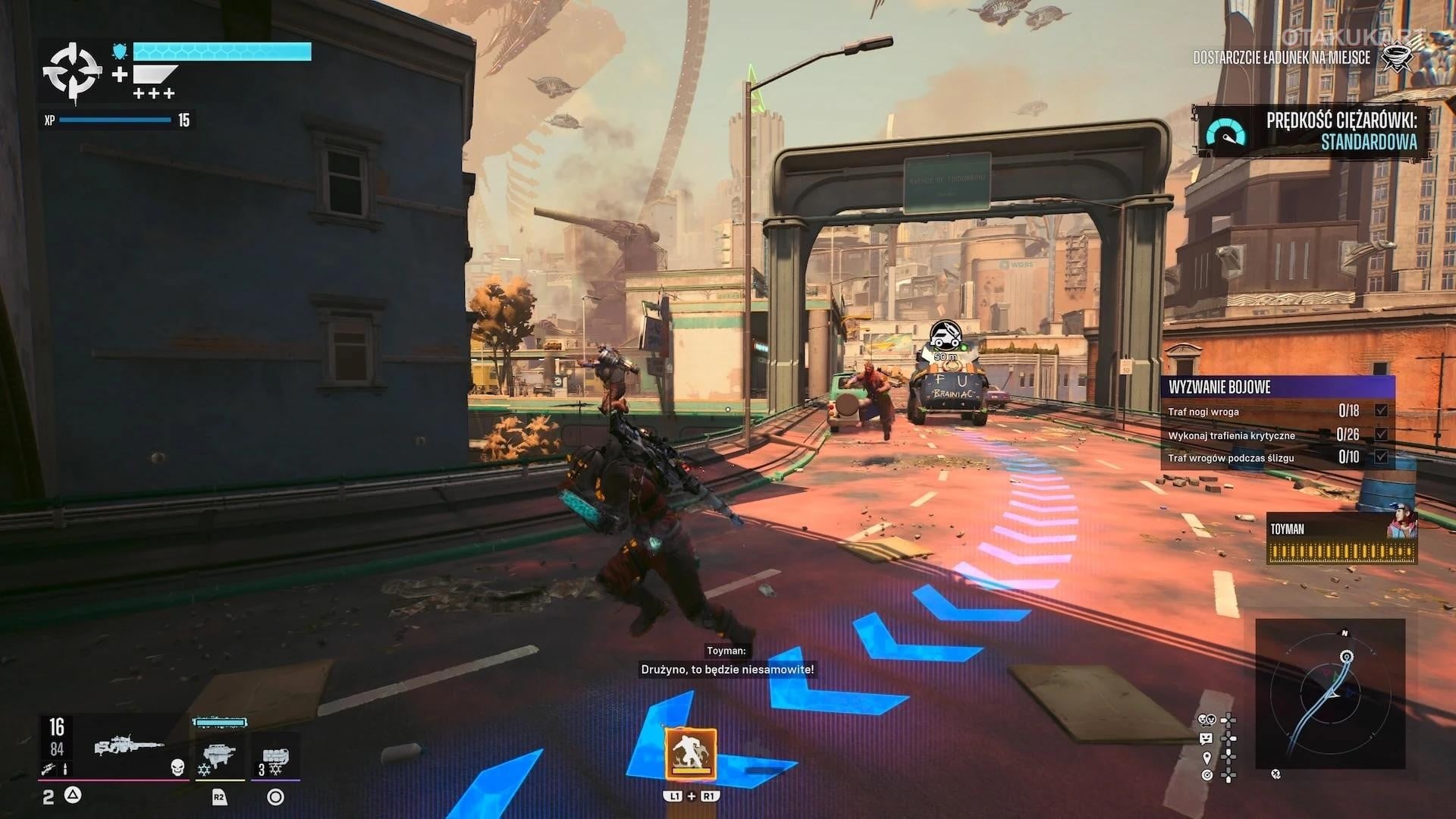
The interview also highlighted the intense production schedules surrounding the project. Rydby explained that developers were expected to deliver major improvements within unrealistic timeframes.
“Six months isn’t enough to do any fundamental changes. That’s just enough to just fix as many bugs as you can and see if you can squeeze in a bit of feature tweaks here and there.”
Armstrong described the studio environment as exhausting, saying the team’s long hours rarely translated into visible progress.
“It was a big culture shift. We put all these hours in, but it didn’t feel like it was tangibly getting better. Everyone felt like they were having to run to stand still.”
The pressure eventually affected both developers personally. Armstrong admitted he seriously questioned whether he wanted to remain in the industry.
“I felt everything drained from me. I said, ‘I can’t do this again. I don’t know if I’m done with the industry, but I’m done.’ I could feel myself coming apart at the seams.”
A New Beginning After Rocksteady
Following their departure from Rocksteady, Armstrong and Rydby teamed up to establish a new independent studio and are now working on Secret of Circadia, an RPG deck-building game currently seeking support through Kickstarter.
Reflecting on the wider industry, Rydby argued that game development has become increasingly driven by financial expectations rather than creative ambition.
“I think as an industry we are severely losing our way. It used to be passion projects that you loved and hoped other people loved too… It became: ‘Let’s hope it sells. Let’s hope we get money from it.'”
Their comments add to the ongoing debate surrounding live-service games, particularly as several major publishers have scaled back or canceled similar projects in recent years.
While live-service titles can achieve long-term success, the experiences shared by the former Rocksteady developers underscore the human challenges that can accompany large-scale productions when commercial goals begin to outweigh creative priorities.