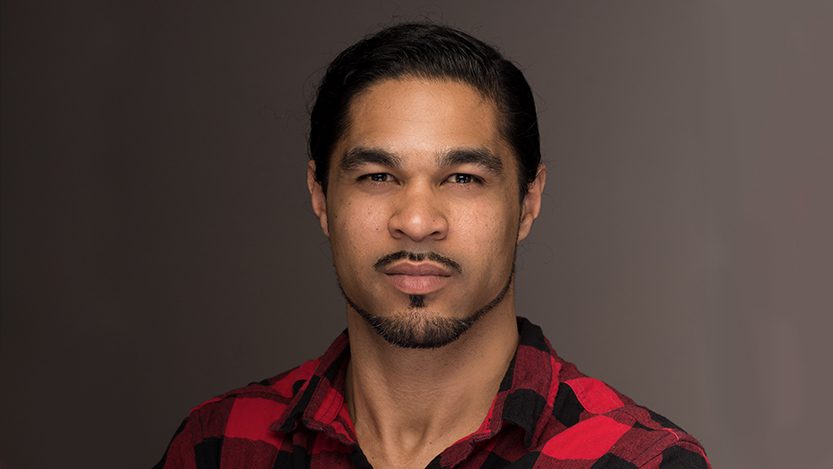
When Stellan Skarsgard signed on to portray the enigmatic rebel leader Luthen Rael in Andor, he made an unusual demand: a finite run with a dramatic ending.
The Swedish star, long known for refusing to be pigeonholed, negotiated that his time in the Star Wars universe would last just two seasons, asking creator Tony Gilroy to ensure his character was killed off before the series could drag on.
Skarsgard’s reticence stemmed partly from the trend of studios locking actors into long, multi-season contracts. He candidly told Gilroy he didn’t want to end up tied to a seven-year commitment, especially given the arduous production cycle: just two Andor seasons took five years to film, a grueling schedule for anyone, let alone an actor in his seventies.
This insistence was more than practical; it was philosophical. Skarsgard has spoken about needing creative stakes and closure in his roles, an idea shaped by decades on screen and stage.
Also read: Superman Streaming Surge Shakes Up Netflix’s Top Movie Rankings
For Andor’s Luthen, who sits somewhere between villain and hero, the promise of a planned demise gave the actor room to fully inhabit the character’s moral ambiguity.
His portrayal tapped into the show’s core theme: the cost of rebellion, both personal and political, with Luthen ultimately paying the highest price. For fans, his request for a dramatic exit seemed a fitting bookend for a character so defined by sacrifice and shadow play.
Section 2: “Plot Twists Off-Camera: Wishing for Season 3 After All”
As Andor aired its final episodes, fans finally saw Luthen’s fate sealed, completing his journey just before the events of Rogue One. But off camera, the story took a surprising turn.
Despite lobbying to be killed off after two seasons, Skarsgård revealed in a late-2025 interview that he’d actually have stuck around for a third run if the opportunity arose.
His newfound enthusiasm was tied to the show’s evolution from a gritty adventure to a dark, complex portrait of resistance. Gilroy’s writing and the layered world-building drew Skarsgård in deeper than he expected, defying his initial reservations about franchise television.
In truth, Andor was originally intended to span five seasons, but the plan was revised as Disney and Lucasfilm shifted their focus to other Star Wars projects.
Advocates blame the franchise’s notorious production bottlenecks and streaming wars for the decision to wrap up early, leaving some arcs truncated and others unexplored because the series’s runtime was shortened.
Skarsgård himself admitted the experience wasn’t nearly as exhausting as anticipated, and that the creative environment alongside a cast that prized realism over spectacle made him want to stay in the Rebellion’s orbit.
This admission sparked lively debate among fans and critics. Was the show cut short at its creative peak, or did it benefit from closing with a bang?
Some point to the fact that Andor’s second season racked up 88 million hours streamed, outpacing other major entries like Ahsoka and The Mandalorian during their final months. Many wonder if more screen time for Skarsgård’s Luthen could have elevated the show’s legacy even further.
Section 3: “Rethinking Star Wars: Andor’s Legacy and Skarsgard’s Influence”
The saga of Stellan Skarsgård, his two-season clause, and ultimate openness to continuing in Andor prompts deeper questions about creative agency in blockbuster franchises.

Unlike earlier Star Wars series that cast good and evil in stark opposition, Andor leaned heavily into moral complexity, thanks in large part to Skarsgård’s interpretation of Luthen as both an idealist and a tactician.
Critics argue that the show’s grown-up tone, the tension, the ethical gray areas, and the slow-burning rebellion broke new ground for Star Wars storytelling.
What stands out about Skarsgard’s time on set is the sense that actors could shape not just their characters but the narrative direction of major productions. His willingness to challenge the standard, open-ended contract brought a sense of immediacy and risk to Andor that rippled through performances and writing alike.
Tony Gilroy’s promise reflected a broader trend where creative personnel demand more flexibility, hoping for projects that balance business needs with artistic satisfaction.
For the millions who tuned in, the what-if scenario of Luthen surviving into a hypothetical season three remains a tantalizing prospect. The character’s absence after Andor fits lore, but the possibility of additional storylines was real enough to spark discussion across social media, fan forums, and industry columns.
As franchises look to recapture both critical acclaim and audience loyalty, executives may take note: allowing talented cast members like Skarsgård to steer their destinies can translate into sharper, more resonant entertainment.
In the end, the decision to wrap Andor with two seasons may have robbed audiences of further adventures, but Skarsgård’s initial request and his eventual change of heart demonstrate the delicate balance that now governs blockbuster franchise collaborations.
Whether through contract negotiations or bold creative choices, the actor’s impact on Star Wars is destined to outlast his on-screen rebellion.
Also read: Rebecca Ferguson’s Netflix Thriller Extends Her Dune 2 Critical Triumph