The arrival of Spider-Noir on Prime Video brings with it one of the most unusual viewing choices in modern superhero television. Starring Nicolas Cage as Ben Reilly, the series blends 1930s detective storytelling with comic book action, creating a stylistic hybrid that feels both ambitious and divisive. What sets the show apart is its dual-format release, allowing viewers to watch it in either classic black-and-white or a stylized “True-Hue” color version.
This unique feature has sparked a central question among viewers: which version actually provides the best experience? While both formats offer distinct visual identities, they fundamentally change how the story feels and how audiences connect with its noir influences. Let’s break down how each version works, what critics and creators have said, and which one ultimately stands out as the definitive way to watch Spider-Noir.
What Makes Spider-Noir Different From Other Marvel Shows
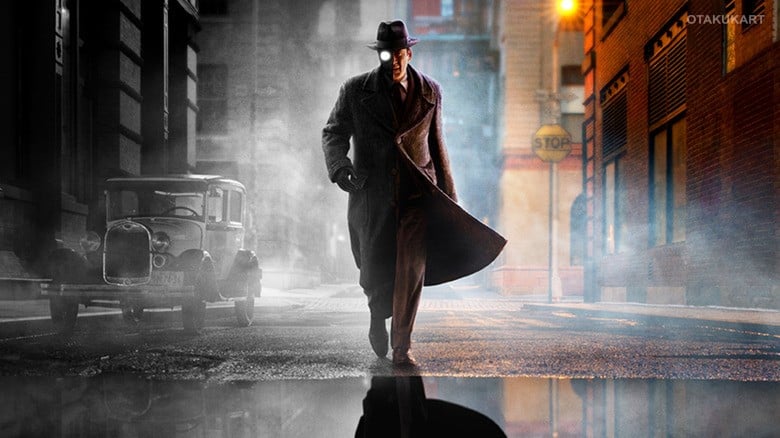
At its core, Spider-Noir is not trying to be a conventional Marvel series. Instead of leaning into the polished spectacle of modern superhero storytelling, it draws heavily from classic film noir traditions. Set in Depression-era New York, the show follows a private investigator version of Spider-Man who navigates crime, corruption, and a tangled conspiracy.
The series fully commits to noir aesthetics, from shadow-heavy lighting to hard-boiled narration. This approach immediately separates it from mainstream Marvel entries, which tend to prioritize emotional arcs and high-stakes action. Critics have noted that while the show looks visually impressive, it often prioritizes style over substance, making it feel more like a tribute than a deeply engaging narrative.
This stylistic commitment is precisely why the viewing format matters so much. The noir genre is deeply tied to black-and-white cinematography, and that influence plays a crucial role in how the story is perceived. Choosing between color and monochrome is not just a visual preference—it directly impacts the tone, immersion, and authenticity of the series.
Black-and-White Version: The Authentic Noir Experience
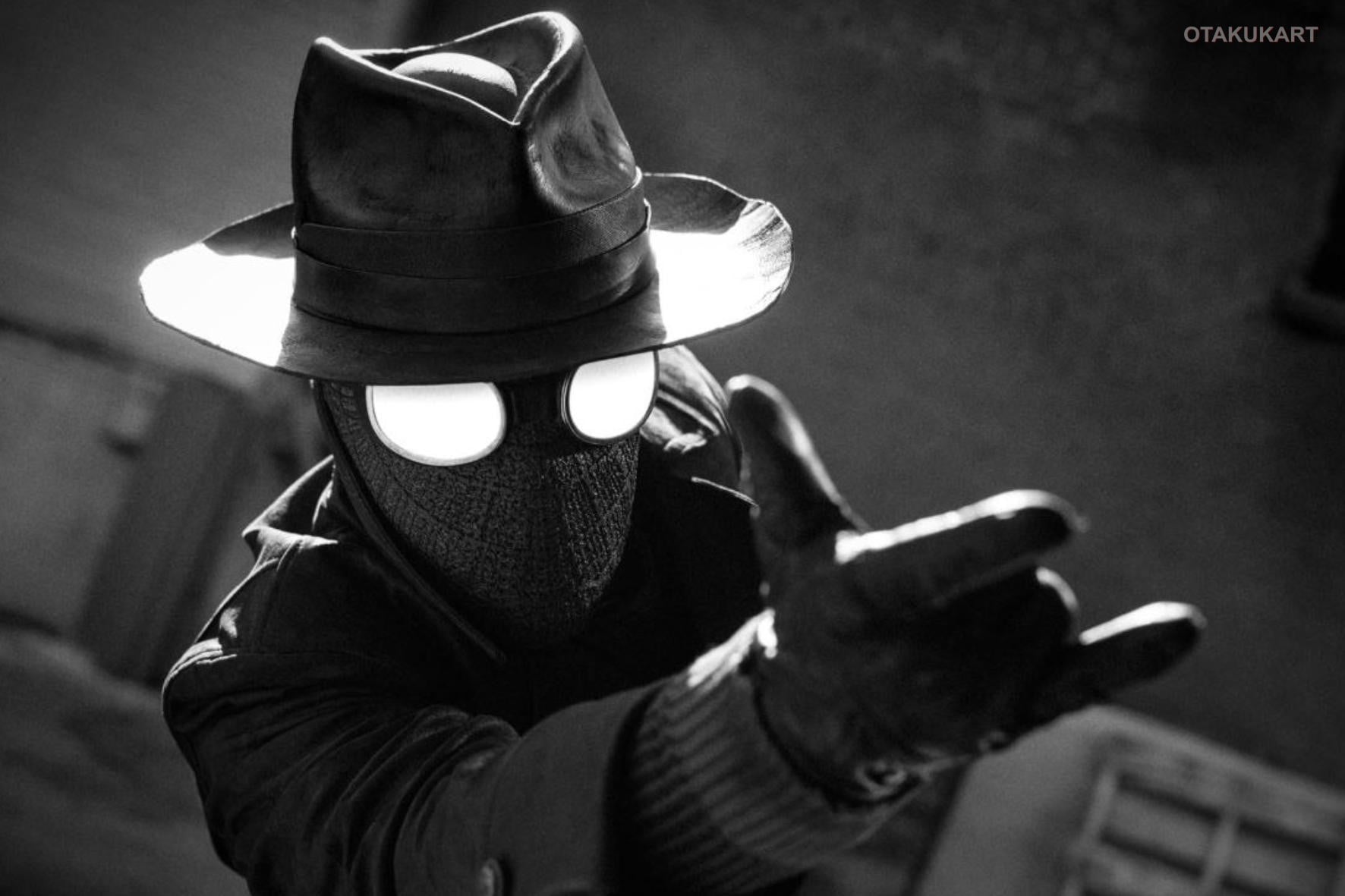
Watching Spider-Noir in black-and-white feels like stepping into a time capsule. The absence of color enhances the shadows, contrasts, and textures that define classic noir storytelling. It allows the show’s cinematography to shine in a way that feels intentional rather than experimental.
According to creator Oren Uziel, the black-and-white version was always central to the show’s identity. The production team carefully designed lighting, costumes, and set details to work specifically within monochrome visuals. This level of precision ensures that the black-and-white format does not feel like a filter added in post-production, but rather the intended artistic foundation.
The tonal impact is also significantly stronger in this version. The gritty atmosphere of Depression-era New York feels more grounded, and the moral ambiguity of the characters becomes more pronounced. Even critics who were lukewarm on the show’s storytelling have acknowledged that the black-and-white version aligns perfectly with its noir inspirations.
Actor Lamorne Morris has also recommended watching the series in black-and-white first, suggesting that it reflects how audiences historically experienced early television. His perspective highlights an important point: this version preserves the genre’s roots, making it the most authentic way to engage with the story.
Color Version: A Stylized but Divisive Alternative
The color version of Spider-Noir takes a very different approach. Instead of aiming for realism, it embraces a vibrant, exaggerated palette inspired by early Technicolor films. This “True-Hue” format amplifies the comic book elements of the series, making it feel more like a stylized graphic novel than a traditional noir story.
There is undeniable craftsmanship in how the color version has been executed. Uziel has explained that achieving the right balance required extensive work in both production and post-processing. Every element, from wardrobe to lighting, had to function in both formats simultaneously, which added a significant level of complexity to the project.
However, the color version can sometimes clash with the show’s noir foundation. The heightened saturation and bold tones occasionally undercut the gritty realism that the narrative is trying to establish. Instead of deepening the mood, the visuals can make certain scenes feel more theatrical or even slightly artificial.
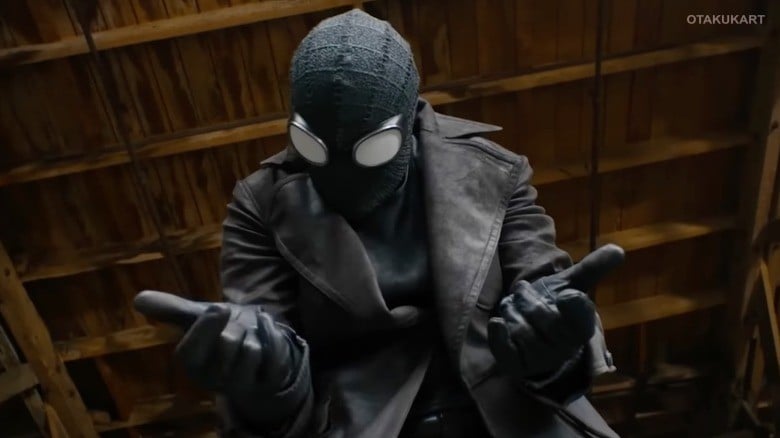
That said, the color version is not without its strengths. It makes the action sequences more dynamic and visually engaging, and it may appeal more to viewers who prefer modern superhero aesthetics. For audiences unfamiliar with noir traditions, this version can serve as a more accessible entry point into the series.
How the Two Versions Change the Viewing Experience
What makes Spider-Noir particularly fascinating is how dramatically the two formats alter the experience. The same scenes can feel entirely different depending on which version you are watching. This is not just a cosmetic change—it affects pacing, tone, and even character perception.
In black-and-white, the show leans heavily into its noir identity. The storytelling feels more cohesive, and the visual style supports the narrative’s darker themes. The slower pacing and heavy dialogue feel more natural within this context, reinforcing the sense of being in a classic detective story.
In color, the emphasis shifts toward spectacle and stylistic flair. The comic book elements become more prominent, and the show feels closer to a modern superhero series. While this can make it more visually exciting, it also highlights some of the narrative weaknesses that critics have pointed out, such as a convoluted central mystery and limited emotional depth.
This duality is both the show’s biggest strength and its biggest flaw. It offers viewers flexibility but also creates a sense of inconsistency. Depending on the version you choose, you might come away with a completely different impression of the series.
Critics’ Take: Style vs Substance Debate
Early reviews of Spider-Noir have consistently praised its ambition while questioning its execution. Critics have described it as a bold experiment that does not always fully succeed, particularly when it comes to storytelling depth. The show’s dedication to noir aesthetics is widely admired, but its narrative has been criticized for lacking emotional resonance.

One common observation is that the series feels more like a stylistic exercise than a fully realized drama. The dialogue, performances, and plot twists often lean into exaggeration, which can make it difficult to connect with the characters on a deeper level. This issue becomes more noticeable in the color version, where the heightened visuals amplify the show’s theatrical qualities.
At the same time, Nicolas Cage performance has been a major talking point. His eccentric style fits the show’s offbeat tone, even if it sometimes borders on parody. For some viewers, his portrayal is the perfect match for the series’s unconventional approach, while others may find it distracting.
Which Version Should You Watch First?
If you can only watch one version of Spider-Noir, the black-and-white format is the clear recommendation. It aligns more closely with the show’s core identity and enhances the elements that make it unique. The noir atmosphere feels more immersive, and the visual storytelling becomes more cohesive.
However, if you have the time, watching both versions can provide a more complete understanding of what the creators were aiming to achieve. Experiencing the black-and-white version first allows you to appreciate the story in its purest form, while the color version offers a different perspective that highlights its comic book influences.
This approach is also supported by the creators themselves, who have encouraged viewers to explore both formats. The contrast between the two versions reveals just how much effort went into crafting this dual-experience concept.
The Good
- Great noir-inspired cinematography
- Unique dual-format viewing (black-and-white and color)
- Nicolas Cage’s bold and eccentric performance
- Strong supporting cast performances
- Impressive production design and period detail
The Bad
- Slow and uneven pacing
- Overly convoluted central mystery
- Lacks emotional depth and character weight
- Dialogue can feel exaggerated or gimmicky
- Ending feels underwhelming and unsatisfying