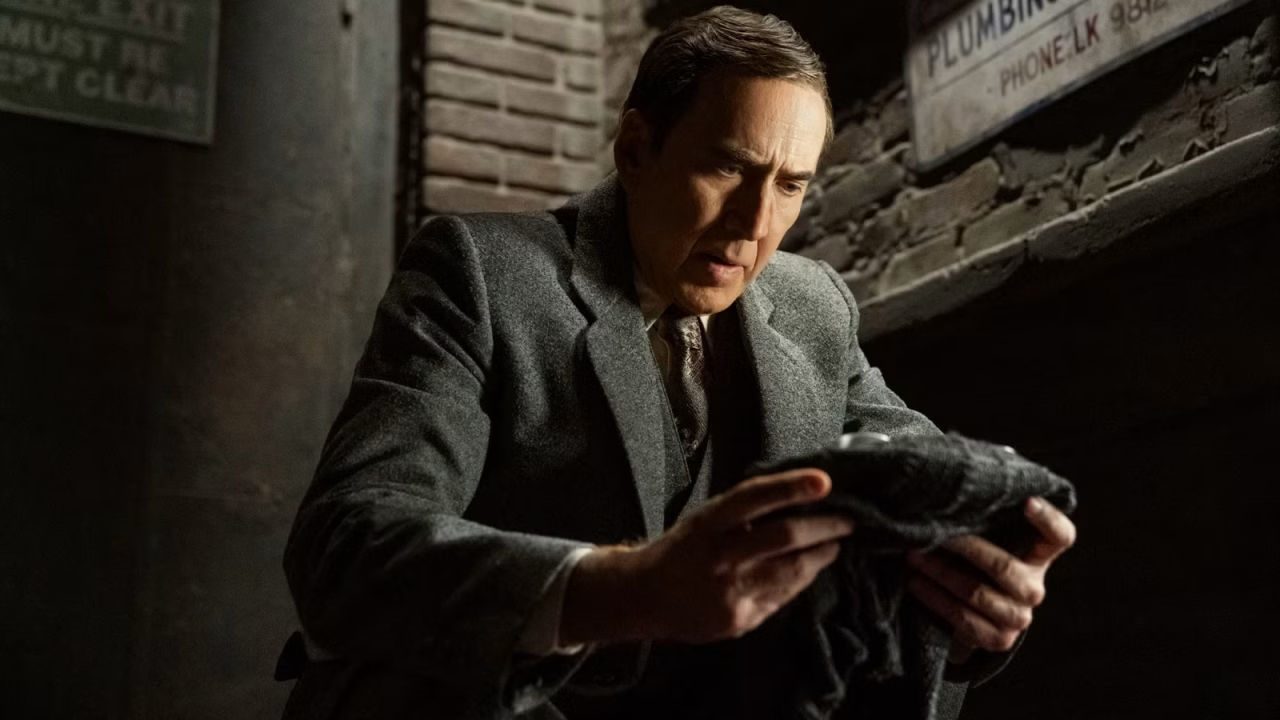
Nicolas Cage’s performance in Spider-Noir has quickly become one of the most talked-about aspects of the series, particularly due to his constantly shifting accent.
While some viewers initially assumed it was a stylistic quirk, the show’s creator has now confirmed there is a deliberate narrative reason behind it. However, even with that explanation, not everyone is convinced the decision works on screen.
In an interview with SlashFilm, co-creator Oren Uziel explained that Cage’s fluctuating voice was always part of the plan. Rather than being inconsistent, the performance was designed to reflect something deeper about the character.
Why Nicolas Cage’s Accent Keeps Changing in Spider-Noir
Throughout the series, Cage’s character Ben Reilly shifts between different vocal styles, often resembling classic Hollywood actors like Humphrey Bogart and James Cagney. This variation is not random. According to Uziel, it ties directly into the character’s transformation and internal struggle.
“It’s all about his character,”
Uziel said. He explained that Reilly becomes
“more spider than man”
after being affected by a hybrid experiment, which leads him to lose touch with his humanity. In response, the character turns to old movies as a way to relearn how to behave like a human being.
Uziel compared this process to a form of training.
“That’s him educating himself. That’s him going to the gym, almost,”
he added. This idea reframes the shifting accents as a deliberate attempt by the character to imitate human behavior, rather than a performance inconsistency.
The Creative Process Behind the Performance
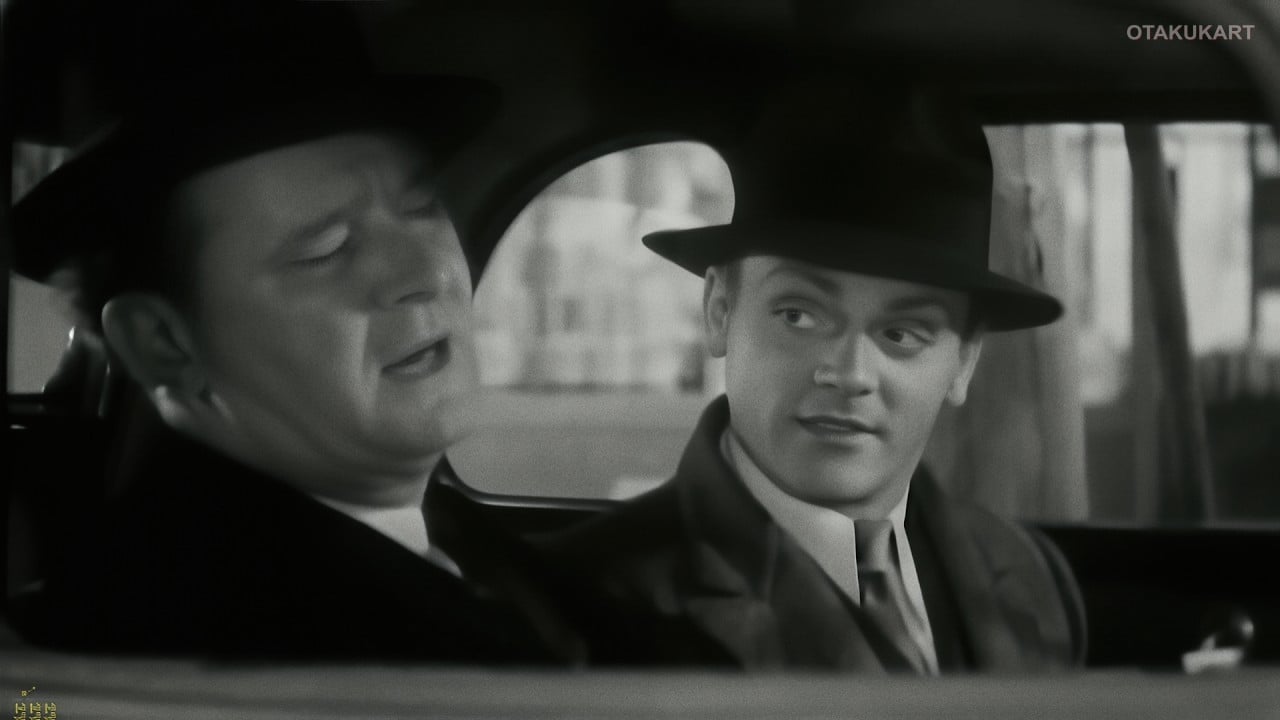
The team behind Spider-Noir put significant thought into how this concept would be executed. Uziel revealed that multiple classic films were considered before selecting specific scenes for Cage to mimic. One standout example is the inclusion of the 1936 film Great Guy, which plays a key role in illustrating Reilly’s learning process.
“[‘Great Guy’] fit the mold… we scanned so many movies,”
Uziel explained. The chosen scenes provided lines and delivery styles that Cage could replicate, reinforcing the idea that his character is actively studying and imitating human behavior.
This approach aligns with the show’s broader noir aesthetic, which draws heavily from classic cinema. By incorporating these influences directly into the narrative, the creators aimed to blur the line between homage and character development.
Why the Choice Has Divided Audiences
Despite the clear in-story explanation, the execution has not resonated with everyone. For some viewers, the constant shifts in Cage’s voice can feel distracting rather than immersive. The inconsistency makes it harder to connect with the character, especially in the early episodes before the reasoning is revealed.
The delayed explanation also plays a role in the mixed reception. Because the show takes several episodes to clarify why Reilly’s accent changes, audiences spend a significant amount of time trying to interpret the behavior without context. By the time the reveal arrives, some viewers may already feel disconnected.
There is also the question of realism within the show’s world. Even in a stylized noir setting, the idea of a character frequently switching accents can challenge suspension of disbelief. While the concept is thematically interesting, its practicality as a storytelling device has been debated.
Uziel’s comments confirm that the changing accent was a fully intentional creative decision, not an oversight or inconsistency. The performance was carefully designed to reflect the character’s struggle with identity and humanity.
At the same time, the reaction highlights an important distinction between concept and execution. A strong narrative idea does not always translate seamlessly on screen, especially when it relies on subtle storytelling cues.