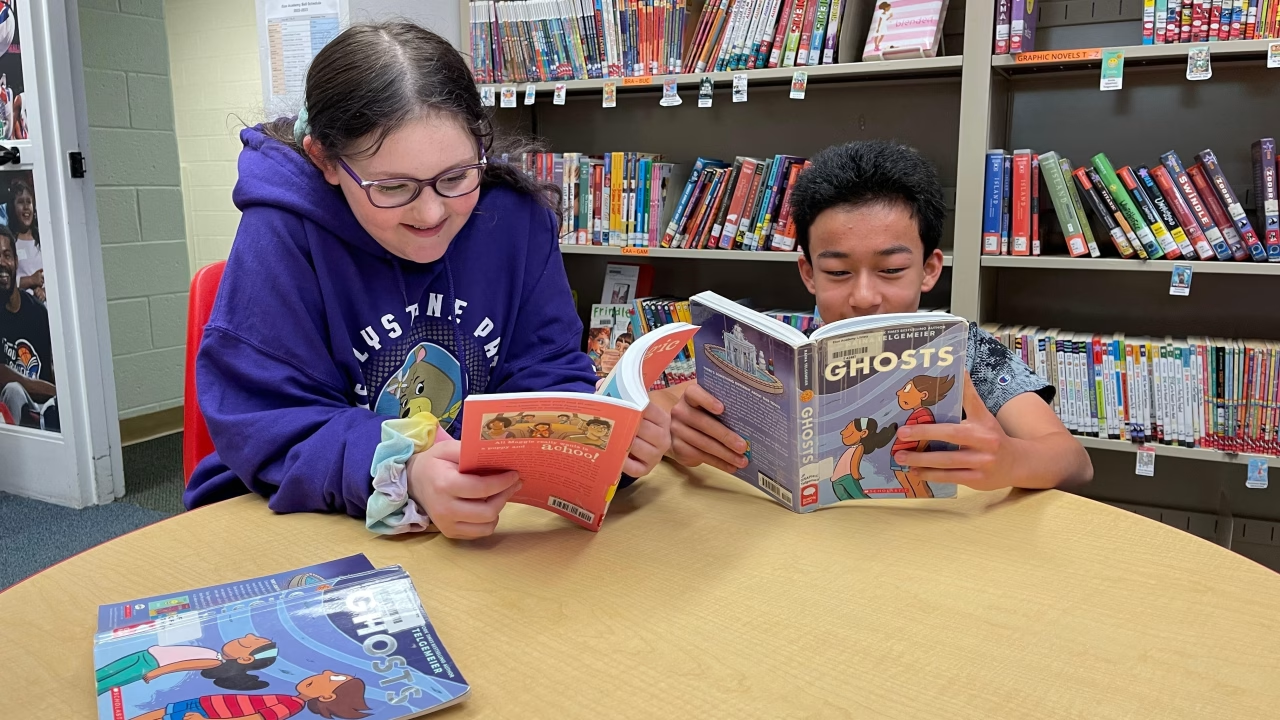
Popular manga series, including Attack on Titan, Fire Force, One Piece, and Naruto, are facing increasing restrictions in American schools, according to PEN America. In findings published on October 8, 2026, the free-expression organization highlighted how Japanese manga and graphic novels have become frequent targets of school book bans despite their popularity among young readers.
The report identifies manga creators Atsushi Ohkubo, Hajime Isayama, Rumiko Takahashi, and Yusei Matsui among the authors whose works were targeted during the 2025–2026 school year. In some cases, entire series have been removed, potentially affecting dozens of individual volumes rather than a single book.
According to PEN America’s report on banned manga, Ohkubo, known for Fire Force and Soul Eater, was the fifth most frequently banned author during the school year. The organization recorded at least 106 instances across four school districts, affecting 57 titles. A total of 26 distinct Ohkubo titles were affected, placing him second only to Stephen King in the number of unique works targeted among authors on PEN America’s list.
The findings come amid a wider increase in school book restrictions across the United States. PEN America reported 11,982 instances of book bans during the 2025–2026 school year, affecting 7,370 unique titles. The organization has documented approximately 34,000 instances since it began tracking school book bans in 2021.
WHY MANGA HAS BECOME A TARGET FOR SCHOOL BOOK BANS
Manga’s popularity among students is one reason the restrictions have drawn attention from librarians and educators. Jillian Rudes, a New York City school librarian and teacher who founded the educational organization Manga in Libraries, told PEN America that students connect with manga because of its characters, conflicts, and storytelling.
“They enjoy reading the stories, they connect deeply with the characters, in a way they might not with traditional books,”
Rudes said.
Research from the School Library Journal also points to the format’s popularity. Its 2023 Graphic Novels Survey found that student interest in graphic novels and manga had increased significantly in many school and public libraries. Manga accounted for 43% of high school graphic novel purchases reported in the survey.
PEN America argues that illustrated storytelling can make reading more approachable for students who struggle with conventional text-heavy books. However, manga and other graphic novels have increasingly faced challenges over depictions of violence, sexuality, and gender identity. The organization has also raised concerns about individual panels being taken out of context when books are assessed for removal.
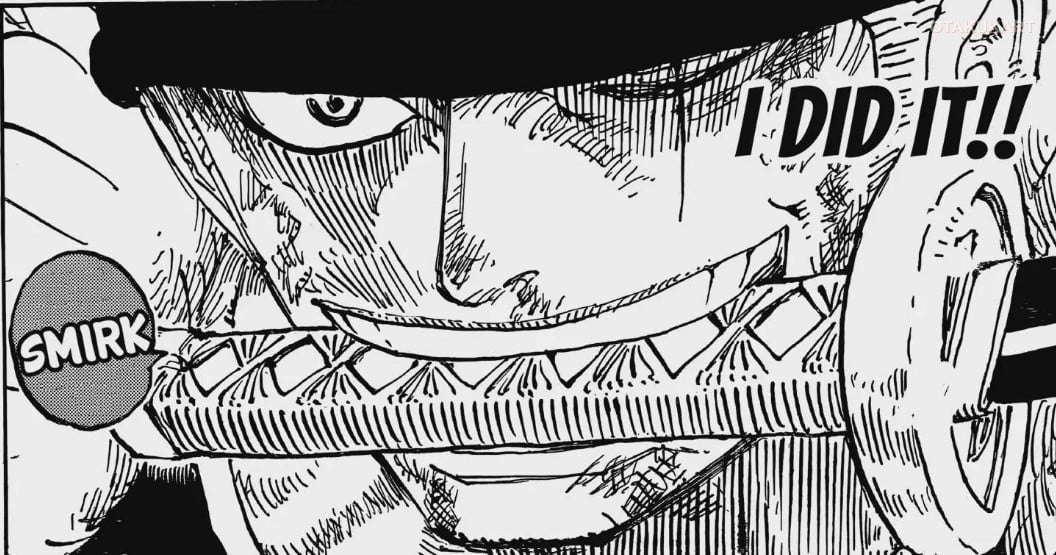
ONE PIECE, NARUTO, AND OTHER POPULAR MANGA FACE RESTRICTIONS
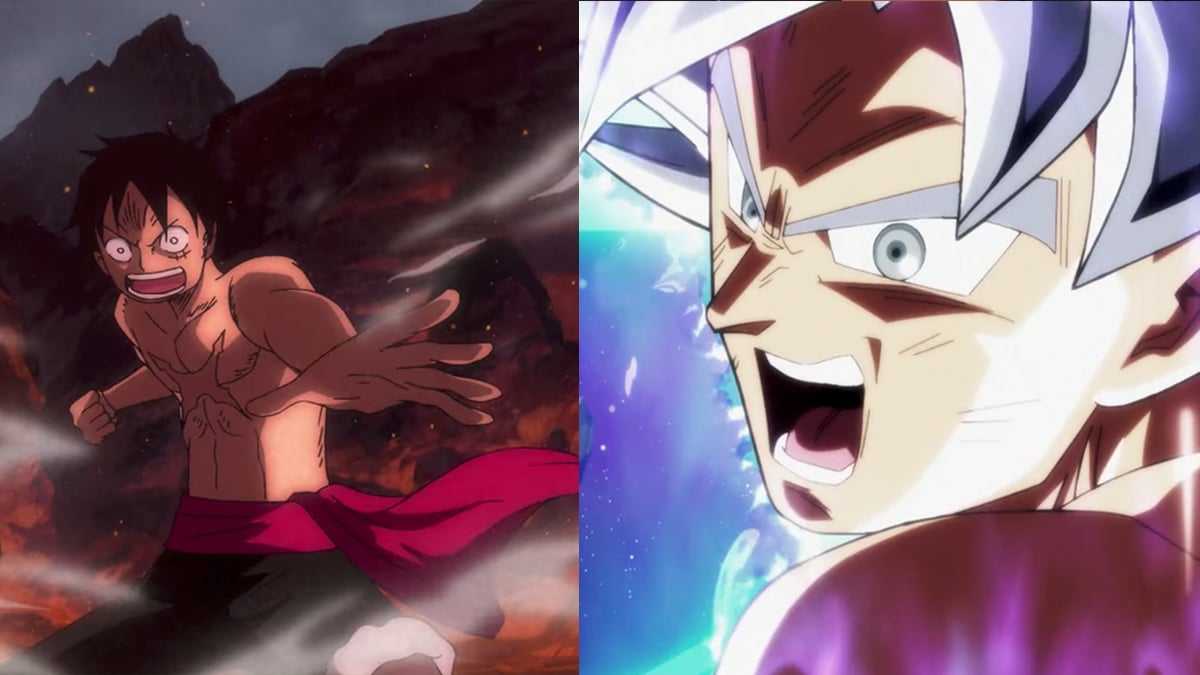
The books identified in PEN America’s findings extend beyond Fire Force and Attack on Titan. Popular franchises such as One Piece, Naruto, Dragon Ball Z, Soul Eater, Inuyasha, and Assassination Classroom have also been affected by school book bans.
Philomena Polefrone, PEN America’s senior manager of freedom to read, warned that removing books students actively seek out could undermine efforts to encourage reading among young people. The organization maintains that graphic novels can help students develop an interest in literature, particularly when traditional reading materials feel less accessible.
The findings highlight a growing conflict between school book restrictions and manga’s role in youth reading culture. As PEN America continues documenting bans, the availability of popular manga series in American school libraries remains a concern for readers, librarians, and educators.
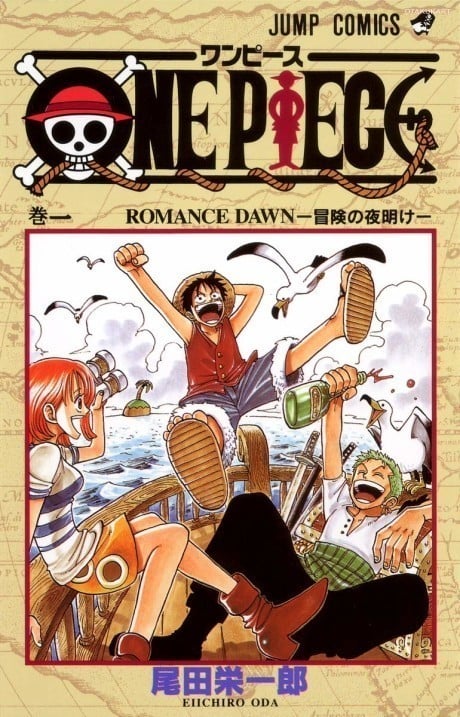
| Started | October 22, 1997 |
|---|---|
| Publisher | Shueisha |
| Author | Eiichiro Oda |