
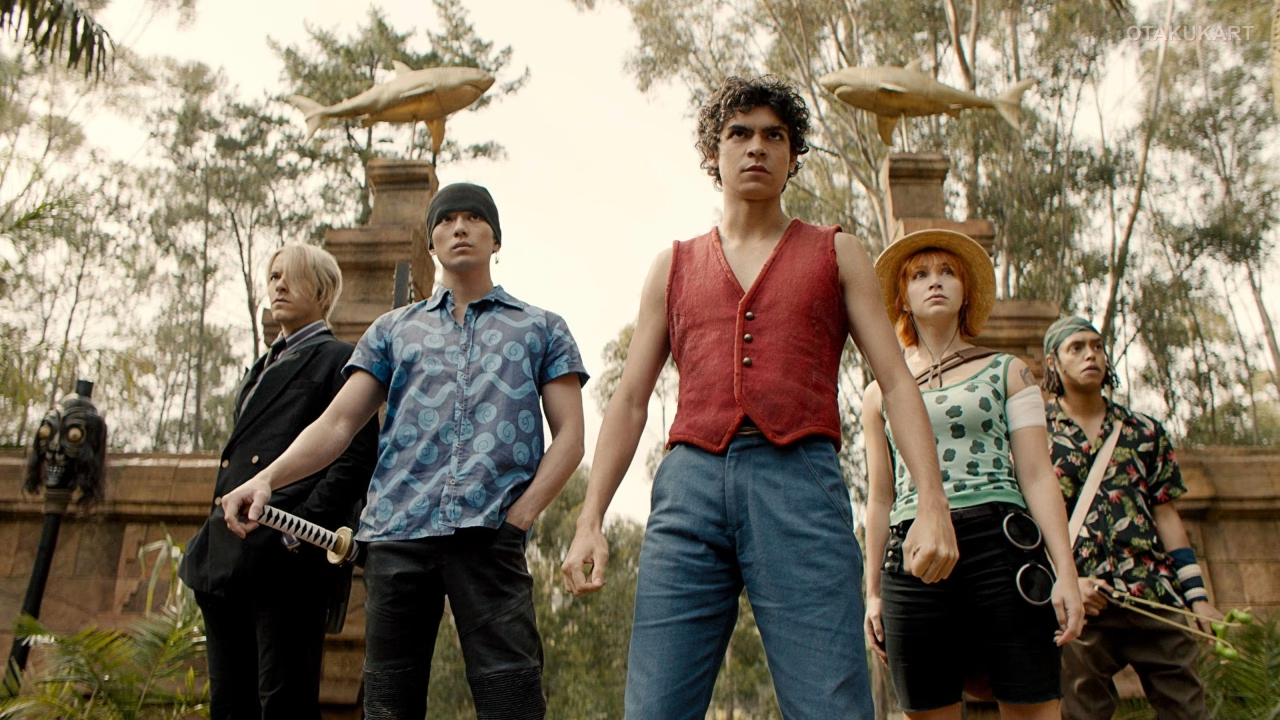
Netflix’s live-action adaptation of One Piece demonstrated that a popular Japanese manga could become a global television hit. However, the success of the series has not sparked the wave of live-action anime and manga adaptations that executive producer Steven Maeda expected. According to Maeda, the entertainment industry’s financial challenges have made it harder for producers to secure funding and move ambitious projects into production.
Speaking to C21Media during the Tokyo International Film Festival Content Market, Maeda said he was surprised that more companies had not pursued Japanese properties after One Piece found an international audience. He confirmed that he is still trying to develop similar projects, but getting them approved has become increasingly difficult.
“I was actually surprised there wasn’t more of a rush on anime and manga properties,”
Maeda said.
“And I’m chasing others too, but it’s been difficult to get a project set up.”
His comments highlight a gap between the growing international interest in Japanese storytelling and Hollywood’s willingness to invest in expensive adaptations.
High Production Costs Continue to Slow New Projects
Maeda attributed the slow pace of development to Hollywood’s prolonged financial difficulties, including production cutbacks, mergers and corporate restructuring. These conditions have made studios more cautious about investing in expensive adaptations, particularly those based on established Japanese franchises.
The financial commitment can be substantial. Reports cited by C21Media put the budget for the first eight-episode season of Netflix’s One Piece at more than $140 million. Despite the expense, the series became a global success after its 2023 debut, demonstrating the potential of bringing Japanese manga to international audiences.
Maeda believes the industry needs buyers willing to take greater creative risks. He explained that executives facing uncertainty may hesitate to approve projects, even when producers have promising ideas and established intellectual property.
“The industry is cyclical, and I’ve been in it for 35 years or so, and there are ups and downs. But this is a bad one,”
he said.

Despite the challenges, Maeda continues to develop new projects. Monstress, based on the comic by Marjorie Liu and Sana Takeda, spent around five years in development as a live-action adaptation before Maeda and his writing partner, Tiffany Greshler, decided to pursue it as an animated series. The project is now with Prime Video.
He is also developing a live-action adaptation of Yokai Attack, a book about Japanese monsters. Maeda described the project as having similarities to The X-Files, the science-fiction series he worked on earlier in his career. These projects reflect his continued interest in adapting distinctive source material despite the lengthy development process.
Maeda hopes another successful adaptation will convince studios to invest more confidently in Japanese properties. He believes audiences are ready for more projects, but producers need buyers willing to support them.
“There’s a lot of great material out there, and the audience wants it,”
he said.
“I think all it takes is another hit and the floodgates will open up.”
The interview was reported by C21Media in its coverage of the Tokyo International Film Festival Content Market.
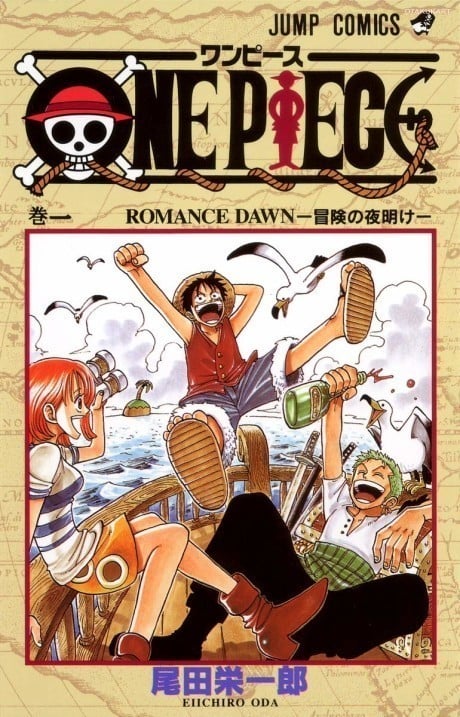
| Started | October 22, 1997 |
|---|---|
| Publisher | Shueisha |
| Author | Eiichiro Oda |