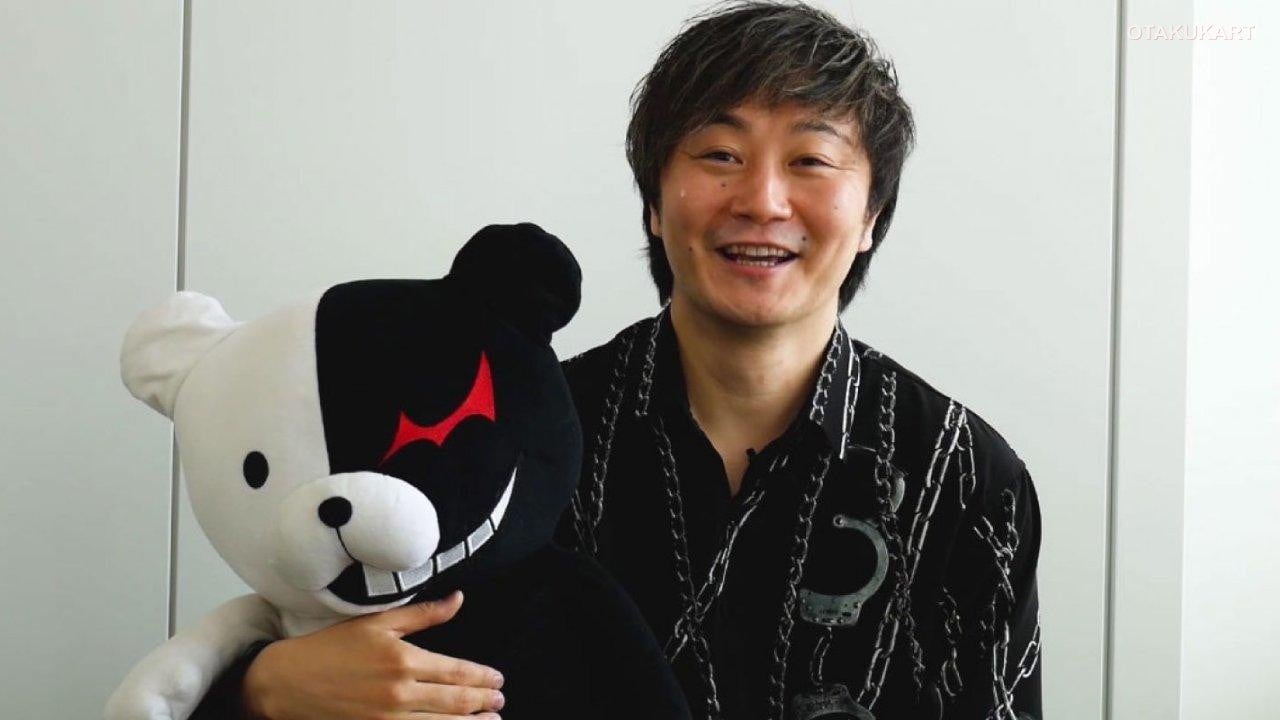
Speaking at the Console Game Developers Conference 2026 in Seoul, Kodaka explained that physical copies continue to account for a substantial portion of Too Kyo Games’ sales in Japan. As a result, boxed releases remain the studio’s primary focus, even though producing them creates additional pressure on development schedules.
Kodaka discussed the issue during a roundtable alongside industry veterans including former PlayStation executive Shuhei Yoshida, Tekken director Katsuhiro Harada, and Cyberpunk associate game director Paweł Sasko. The discussion was reported by Inven Global.
The main challenge comes from the manufacturing process. Unlike digital releases, physical games must have their master builds submitted early enough for production, packaging, and distribution. This becomes even more complicated with collector’s editions, particularly in North America and Europe, where publishers need additional time to assemble packages containing figures and other physical merchandise.
Kodaka said these deadlines can arrive long before the development team considers the game finished. That leaves studios with less time to polish the version that actually gets printed onto discs or cartridges.
Day-One Patches Have Become Part of the Development Process
Kodaka admitted that Too Kyo Games increasingly treats patches as the final stage of preparing its physical releases.
“Honestly, we approach it with the mindset of finalizing the master via patches,”
he explained. He then made the particularly striking admission that the studio sometimes submits builds it believes players should not experience in that condition.
“We barely pass platform certification requirements and release it while believing no one plays games without an internet connection these days,”
Kodaka added.
His comments highlight how much developers now depend on players downloading updates immediately after installing a physical game. While the disc or cartridge provides the initial version, the day-one patch can contain fixes and improvements that make the experience closer to what the development team intended.
Yoshida responded with a similarly candid observation, saying that developers effectively launch while hoping players do not run the unpatched version and download the day-one update instead. Kodaka then joked that he was unsure whether he should be making such a risky confession at a public event.
Kodaka’s Comments Highlight a Growing Problem for Physical Game Preservation
Kodaka’s remarks arrive amid renewed debate about physical game ownership and preservation. Physical copies are often valued because they allow players to keep games, collect special editions, and potentially play without depending entirely on digital storefronts. However, when the version stored on a disc or cartridge is significantly behind the final patched release, that benefit becomes less straightforward.
The issue is particularly relevant for players with limited or unreliable internet access. Someone purchasing a physical game may reasonably expect the included version to provide a complete experience without requiring a substantial download. Kodaka’s comments suggest that developers cannot always meet that expectation because manufacturing schedules force them to finalize physical builds earlier than digital versions.
His explanation also offers an unusual look at why day-one patches have become so important to modern game development. They are not necessarily just for fixing last-minute problems. In some cases, studios depend on them to finish polishing a game after its physical master has already been submitted.
Too Kyo Games continues to prioritize physical releases because of their importance to its Japanese business, but Kodaka’s admission raises questions about how much of a game’s final experience should be available on the disc itself. His comments do not identify a particular Too Kyo Games release as having shipped in an unplayable condition, but they reveal the compromises that can happen behind the scenes.