
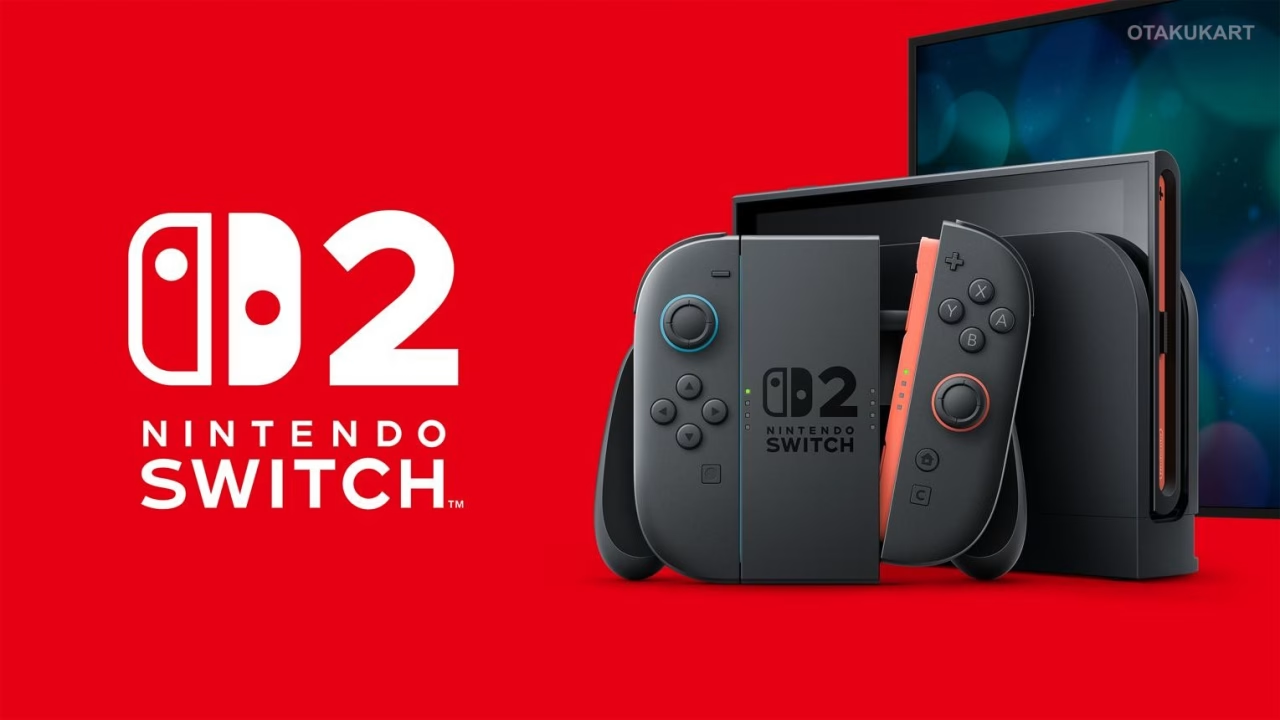
Nintendo is maintaining its ambitious sales target for the Switch 2 despite a 37.4% year-on-year decline in hardware sales during the first half of its 2026-27 financial year. The company sold 6.49 million Switch 2 consoles between April and September 2026, compared with 10.36 million during the corresponding period a year earlier. Despite the slowdown, Nintendo has kept its forecast of selling 16.5 million consoles by March 2027, putting considerable pressure on the upcoming holiday season.
The figures come from Nintendo’s latest financial results, published on November 5, 2026. The company now needs to sell approximately 10 million additional consoles during the second half of its financial year to achieve its target.
Nintendo Switch 2 Needs a Strong Holiday Season to Meet Its Sales Target
The slowdown became particularly noticeable during the July-September quarter, when Nintendo sold 2.67 million Switch 2 consoles. This represented a 41.2% decline compared with the 4.54 million units sold during the same quarter in the previous year.
However, the lower hardware figures do not necessarily indicate that demand for the console has collapsed. The Switch 2 has moved beyond its initial launch period, making comparisons with its earlier sales performance considerably more challenging.
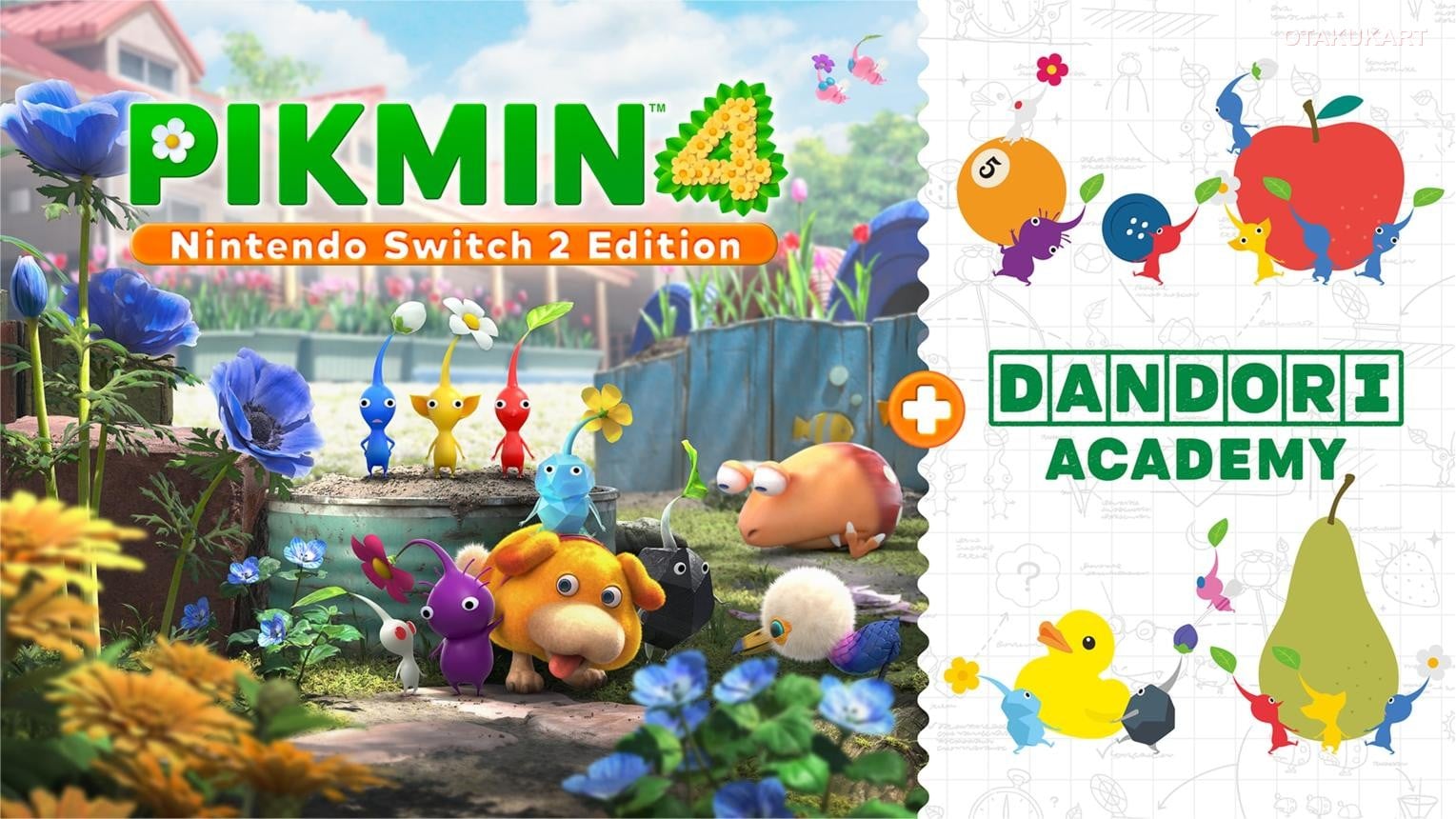
Nintendo is counting on its holiday lineup to generate renewed interest. Upcoming releases include Monster Hunter Wilds, scheduled for December 4, alongside Pikmin 4 – Nintendo Switch 2 Edition + Dandori Academy, which launched on November 12.
The company has also maintained its annual software sales target of 60 million units, suggesting that games will remain an important part of its strategy.

Software Sales and Digital Revenue Help Offset the Hardware Decline
While Switch 2 hardware sales have weakened, its software business is moving in the opposite direction. Nintendo reported 24.49 million Switch 2 software units sold during the first half, representing an 18.8% increase compared with the previous year.
Digital revenue also delivered significant growth. Nintendo’s digital sales reached 249.6 billion yen, up 60.5% year-on-year, largely supported by increased purchases of downloadable versions of packaged games.
The stronger software performance helped Nintendo report operating profit of 216.5 billion yen, a 49.1% increase, despite net sales declining 12.1% to 966 billion yen. Net profit also increased 11% to 220.9 billion yen.
Nintendo attributed the improved operating profit partly to stronger software contributions and refunds related to previously imposed US tariffs. The company recorded approximately $300 million in tariff refunds during the first quarter.
These figures suggest that the Switch 2’s installed player base continues to generate substantial software revenue even as new console purchases slow.
Rising Memory Costs Add Pressure to Nintendo’s Switch 2 Forecast
Nintendo also faces challenges beyond hardware demand. Rising memory prices, partly driven by increased demand from the artificial intelligence industry, have created additional manufacturing cost pressures.
The company has accounted for approximately 100 billion yen in additional expenses related to higher component prices and tariff measures in its financial outlook. Nintendo has also indicated that it has secured sufficient memory supplies to support its existing sales forecast.
For now, the company has maintained its full-year projections without making further changes to its financial guidance.
The holiday shopping season will therefore be an important test of whether Nintendo can turn its stronger software performance into renewed hardware demand. Its next financial results, expected in February 2027, should provide a clearer picture of whether the Switch 2 is on track to reach its 16.5 million console sales target.