

A study led by renowned neuroscientist Professor Ryuta Kawashima—best known for Nintendo’s Brain Age and Dr Kawashima’s Brain Training series—suggests that driving a manual transmission vehicle may provide stronger cognitive stimulation than driving an automatic car.
The research, conducted at Tohoku University’s Institute of Development, Aging and Cancer, examined how different driving systems affect brain activity.
According to findings reported by Best Car Web, manual driving appears to activate the prefrontal cortex more intensely, the region responsible for decision-making, attention, and memory.
Why Shifting Gears Engages the Brain More
The study highlights that manual driving requires continuous mental processing. Drivers must evaluate road conditions, select appropriate gears, and coordinate clutch and gear shifts while maintaining control of acceleration.
Professor Kawashima explained in comments shared via Best Car Web:
“You have to judge and then pick the optimal gear according to the situation, and this puts a better load on the brain’s cognitive functions than driving a passive automatic transmission car.”
Researchers found that this combination of decision-making and physical coordination creates a higher cognitive workload compared to that of automatic vehicles, which handle most of these tasks independently.
The study also connects these findings to broader concerns about cognitive decline in aging populations, particularly in countries like Japan. With dementia and memory-related conditions becoming more prevalent, activities that stimulate the brain are increasingly being studied for their preventative benefits.
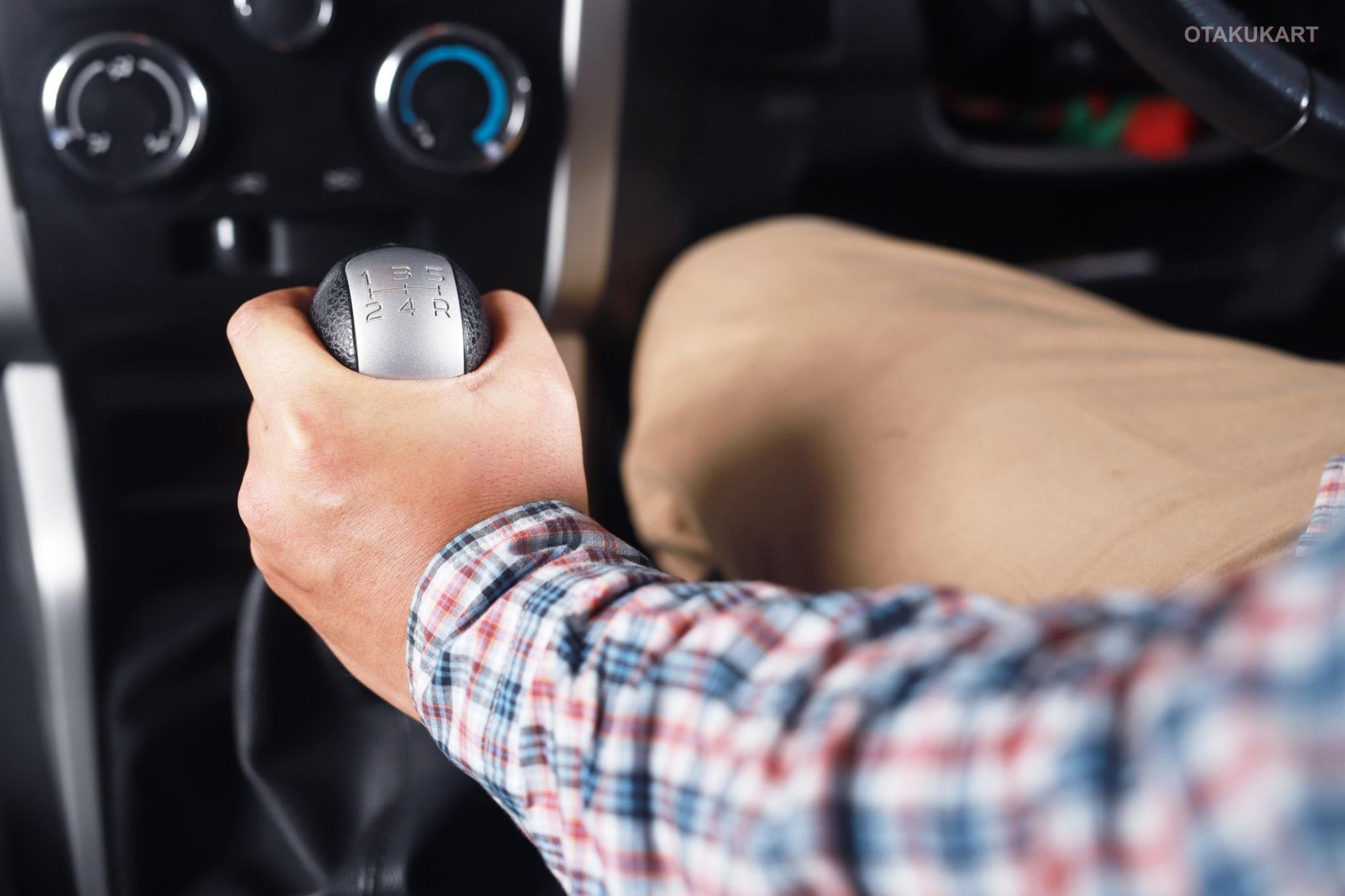
Kawashima’s research suggests that regular engagement with mentally demanding tasks—such as manual driving—could help maintain cognitive function over time. He noted that such activities may have
“a significant effect on maintaining mental health and cognitive function”.
Despite the possible cognitive advantages, manual transmission vehicles are rapidly declining worldwide. In markets like the United States and Japan, they now account for only around 1–2% of new car sales, as automatics dominate due to convenience and accessibility.
Researchers warn that this shift may reduce everyday opportunities for certain types of cognitive stimulation, even as automation continues to become the norm in modern transportation.