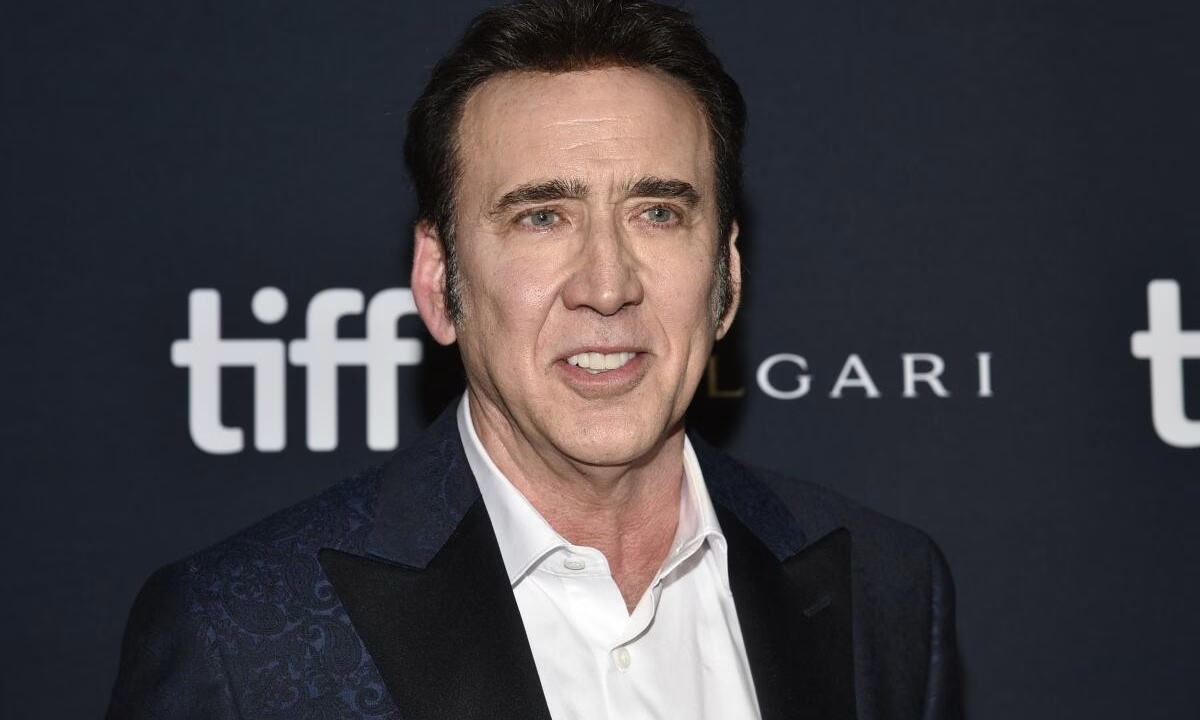
For most of his career, Nicolas Cage deliberately stayed away from television, preferring the creative control and structure of films. However, that long-standing stance changed during the COVID-19 pandemic, when a surprising influence shifted his perspective. In a candid interview, the actor explained how watching Breaking Bad completely altered his view on storytelling, ultimately leading him to embrace television with Spider-Noir.
Speaking to Variety, Cage admitted he had been firmly against working in TV for years.
“I was adamant about not doing television, because I didn’t want to do anything that was too homogenized or that was like everybody else,”
he said. This mindset reflects his long-standing approach to choosing roles that feel distinct and creatively challenging.
How ‘Breaking Bad’ Changed Nicolas Cage’s Perspective
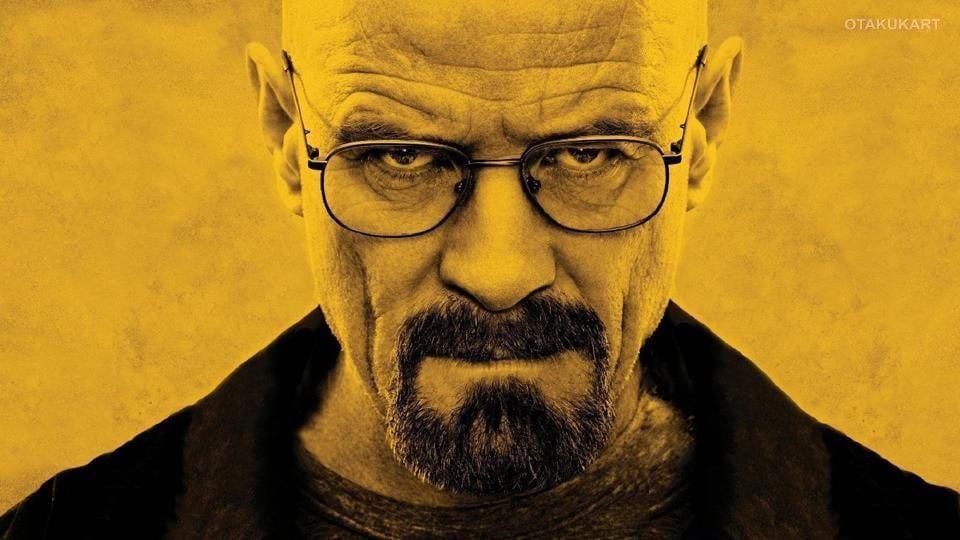
Cage’s shift began when his son introduced him to Breaking Bad, a series widely praised for its character-driven storytelling. What stood out to him was not just the narrative but the pacing and depth that television could offer. He recalled watching Bryan Cranston’s performance closely, particularly a quiet moment that left a lasting impression.
“I saw Bryan Cranston staring at a suitcase for what seemed like minutes. I couldn’t take my eyes off him,”
Cage explained. That simple yet powerful scene made him realize something he hadn’t fully considered before. Unlike films, television allows actors more time to develop characters gradually, giving audiences a deeper connection to their journey.
This realization led Cage to rethink his earlier assumptions about the medium. He began to see TV not as a limitation, but as an opportunity to explore storytelling in a more expansive way.
Why Television Offered Something Films Couldn’t
For Cage, the biggest appeal of television lies in its extended format. He described how an eight-hour narrative can provide room to build a character in ways that traditional films often cannot.
“Maybe with an eight-hour narrative I can start planting seeds for a character that can bloom into something that I don’t have the luxury of time to do in a movie,”
he said.
This shift in thinking highlights a broader trend in the industry, where the line between film and television has increasingly blurred. High-quality series now offer cinematic production values alongside long-form storytelling, making them an attractive option for actors seeking new creative challenges.
Why ‘Spider-Noir’ Was the Right Project
Even after changing his stance on television, Cage did not immediately jump into the medium. Instead, he waited for a project that aligned with his artistic vision. That opportunity came with Spider-Noir, a series that combines superhero elements with classic film noir aesthetics.
Cage emphasized that he was selective about his transition to TV, noting that he wanted something unique.
“I waited for something that I thought would be special,”
he said. His decision reflects a careful approach to maintaining the distinctiveness that has defined his career.
The project also allowed him to experiment with performance styles inspired by old Hollywood and noir cinema, further reinforcing why this particular role stood out to him.
Cage’s comments confirm that Breaking Bad played a direct role in changing his opinion about television. However, he did not suggest that he plans to permanently shift away from films. Instead, his move into TV appears to be a selective choice based on the creative opportunities a project offers.
There is also no indication that he is pursuing multiple television roles at once. His focus remains on projects that align with his artistic goals, regardless of the medium.