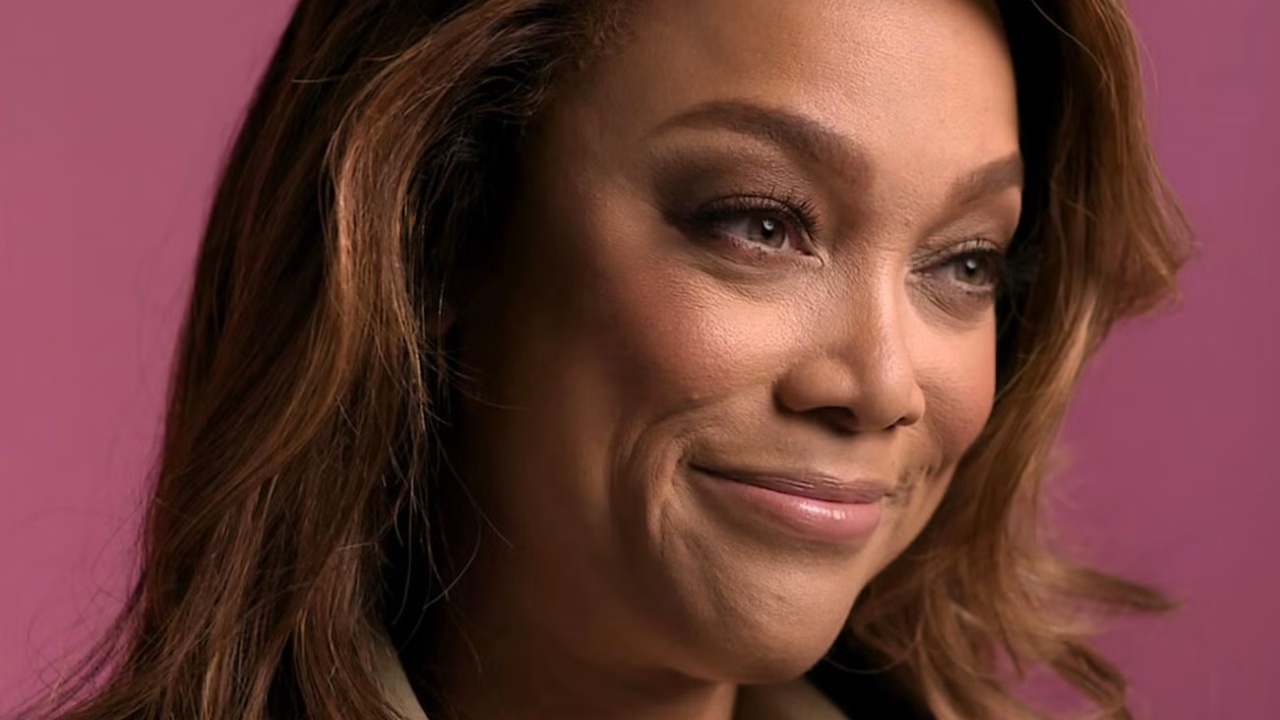
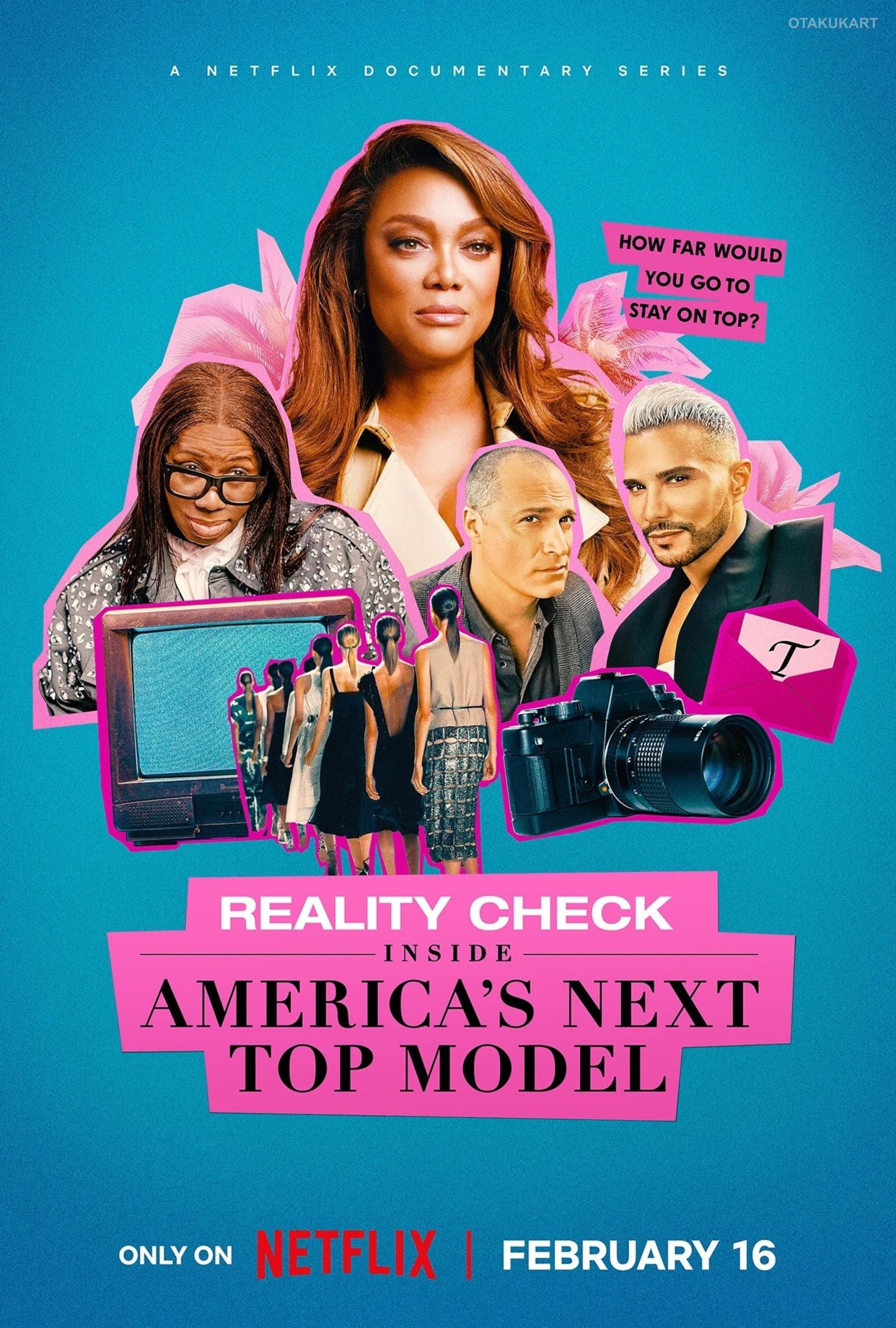
Netflix has formally challenged Tyra Banks’ defamation lawsuit over the documentary series Reality Check: Inside America’s Next Top Model. The streamer filed a motion seeking to dismiss the case, arguing that Banks is objecting to how the filmmakers edited and presented her interview rather than identifying statements that legally qualify as defamatory.
Banks filed the lawsuit in June against Netflix and directors Mor Loushy and Daniel Sivan. Her complaint alleges that the filmmakers selectively edited a lengthy interview to create what she considers a false and damaging portrayal of her relationship with former America’s Next Top Model contestant Shandi Sullivan.
Netflix Defends Its Editing of Tyra Banks’ Interview
A major point of disagreement is the amount of Banks’ interview that appeared in the three-part documentary. According to her lawsuit, Banks participated in roughly three and a half hours of interviews, but only around 16 minutes were ultimately used. Her legal team alleges that material in which she accepted responsibility for controversial aspects of America’s Next Top Model was omitted or rearranged.
Netflix disputes that characterization and argues that Banks’ status as the former host and executive producer of America’s Next Top Model makes her criticism of the documentary’s editing particularly notable. In its filing, Netflix pointed out that Banks herself spent 24 seasons making editorial decisions about which footage to include and how different narratives were presented.
The company stated that
“her disagreement with the resulting portrayal does not make it defamatory,”
while maintaining that the documentary was entitled to make its own editorial choices. Netflix also emphasized that Banks had signed a standard waiver that did not give her creative control over the finished production.
The dispute particularly concerns footage involving Sullivan, who alleged that she was sexually assaulted during the show’s second season in Milan. Banks claims the documentary’s editing made it appear that she could not remember Sullivan’s experience. Netflix, however, argues that the series ultimately included Banks saying that she did remember Sullivan’s story, with that portion appearing at the beginning of the second episode.
Netflix has also publicly defended Loushy and Sivan, describing them as respected documentarians who gave Banks an opportunity to discuss her experiences while presenting her perspective alongside those of other participants.
The lawsuit now moves forward as Netflix seeks dismissal. For the moment, the central dispute remains whether the documentary’s editing represents legitimate editorial judgment or crossed the legal line alleged by Banks.