
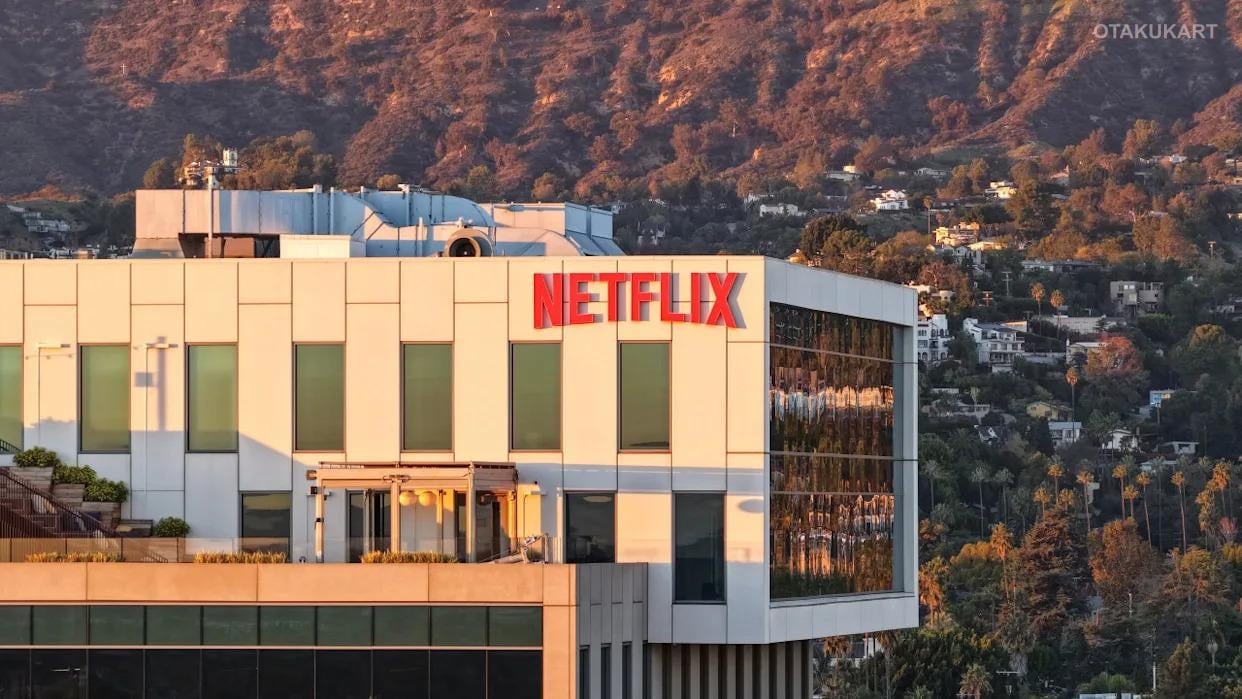
Netflix is preparing to report its second-quarter 2026 earnings, but this time the spotlight is on more than just revenue. Investors are increasingly focused on whether the streaming giant can maintain long-term growth as competition intensifies and audience engagement becomes more difficult to sustain.
According to a Reuters report, Netflix is expected to post $12.59 billion in revenue, representing a 13.6% year-over-year increase, while analysts surveyed by LSEG forecast adjusted earnings per share of 79 cents. Although those figures reflect continued growth, they would also mark the company’s slowest revenue expansion in more than four quarters.
Advertising and engagement remain key concerns
Netflix’s advertising-supported tier is expected to generate approximately $705.8 million in revenue during the quarter. However, analysts believe the business has yet to become the major growth driver many had anticipated.
“We had to lower our (advertising) forecast,”
eMarketer analyst Ross Benes told Reuters, adding that the ad business has not expanded as strongly as many analysts originally expected.
To strengthen viewer engagement and attract advertisers, Netflix has continued investing in live programming. Recent reports have suggested the company is exploring a bid for U.S. broadcasting rights to the 2030 and 2034 FIFA World Cups, while it has also reportedly held discussions about acquiring film-focused social platform Letterboxd.

Retaining viewers becomes Netflix’s next challenge
As Netflix has matured into the world’s largest subscription streaming platform, analysts believe keeping viewers engaged between major releases has become increasingly important.
“The company has moved from disruption to dominance, and the challenge now is to sustain momentum from a much larger base,”
PP Foresight analyst Paolo Pescatore told Reuters.
A recent Bloomberg report also indicated that several popular Netflix originals, including The Night Agent and Beef, saw significant declines in returning viewers between their first and later seasons.
Those trends have fueled concerns about long-term engagement, particularly as YouTube, traditional television companies, and mobile entertainment platforms compete more aggressively for viewers’ attention.
With its quarterly earnings due soon, Netflix will be expected to demonstrate not only continued financial growth but also a clear strategy for increasing engagement, expanding its advertising business, and maintaining its leadership in an increasingly competitive streaming market.