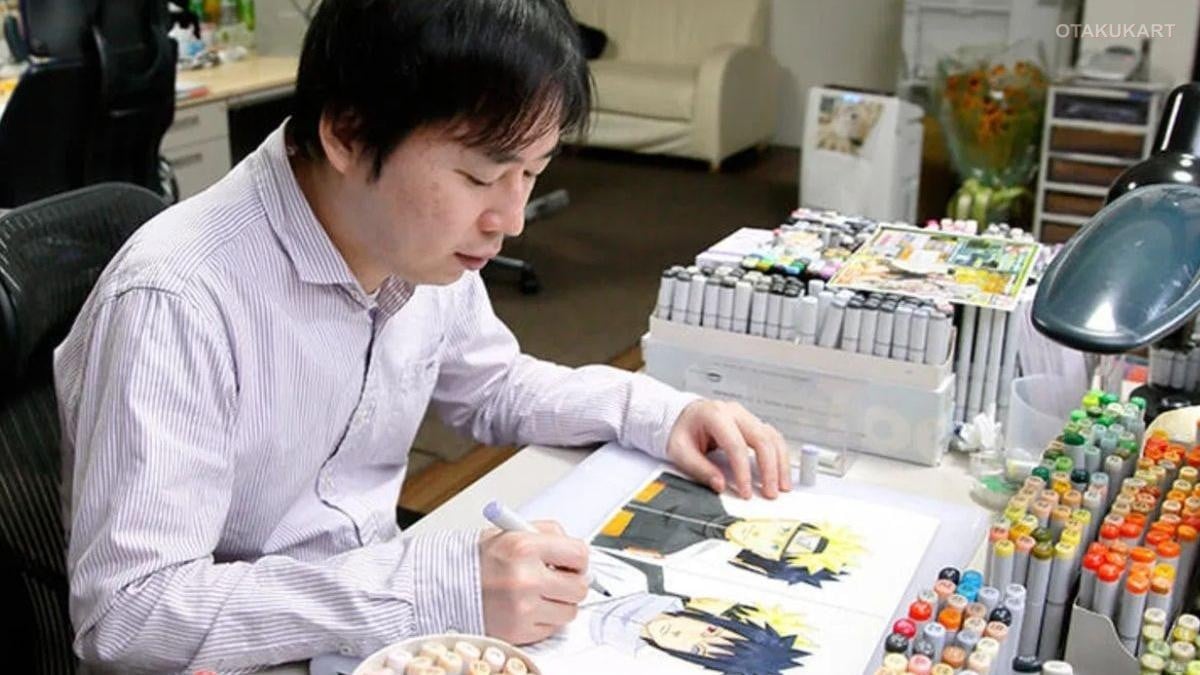
The weekly schedule behind Naruto was far more demanding than readers could see on the page. In a recent interview with YouTuber Mugen, former Naruto editor Kousuke Yahagi described how Masashi Kishimoto repeatedly pushed himself to the point of becoming ill while producing the manga.
Yahagi said Kishimoto would frequently stay awake all night to complete his manuscripts, only to develop a fever after finishing a chapter. The editor became so concerned about the creator’s health that he eventually took matters into his own hands to give Kishimoto enough time to recover.
Yahagi said Kishimoto developed fevers almost every week
According to Yahagi, Kishimoto’s dedication to Naruto came with a severe physical cost. The creator would finish a chapter after working through the night and then become sick, with Yahagi recalling that there was “hardly ever a stretch” when Kishimoto was completely healthy.
The situation became serious enough that Yahagi deliberately misled the editorial department. He explained that he told his superiors that Kishimoto’s fever had not gone away, so the creator could receive an additional week away from his regular schedule.
“It would be a disaster if he collapsed from exhaustion, so I had to lie to the editorial department,”
Yahagi said in the interview with Mugen. He added that an author collapsing would prevent readers from receiving their work and argued that protecting a creator’s health is one of an editor’s most important responsibilities.
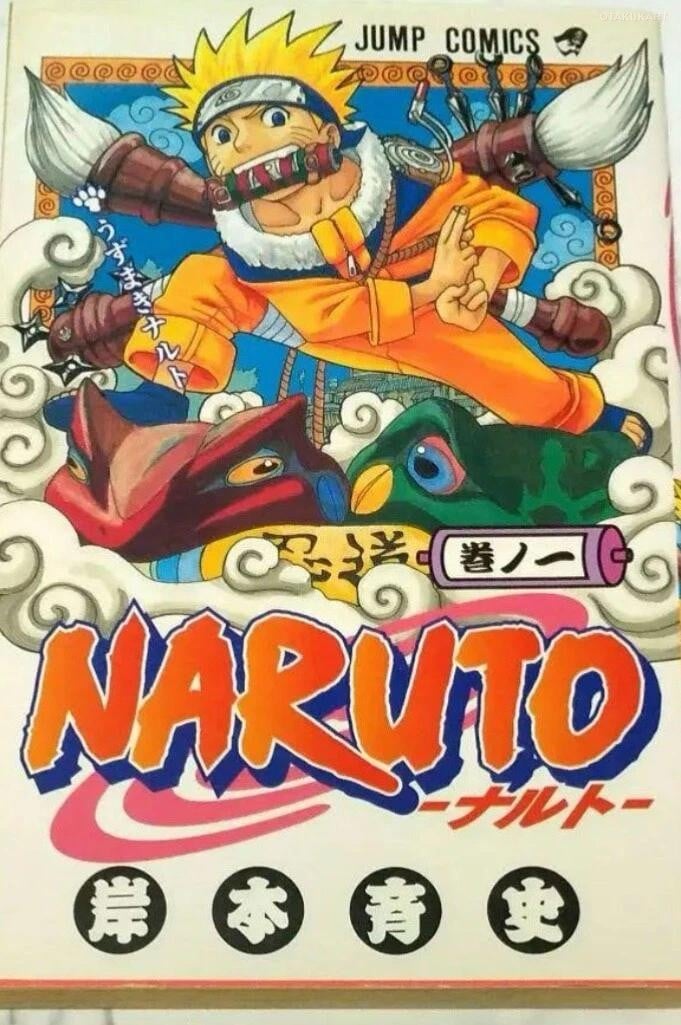
The problem eventually led Yahagi and Kishimoto to change how they planned Naruto. Rather than developing the story one chapter at a time, they began establishing major narrative developments ahead of time, starting around the Search for Tsunade arc.
A new planning method helped Kishimoto avoid burnout
Yahagi explained that the pair would first determine the major story ideas and then calculate how many chapters were required to tell them. This allowed Kishimoto to concentrate on drawing rather than simultaneously solving the entire story structure under a weekly deadline.
According to Yahagi, the change made a significant difference.
“If we hadn’t done that, the author would have collapsed from exhaustion,”
he said, explaining that the most demanding part was shaping the story before the actual drawing began.
Yahagi worked as Naruto’s editor from the beginning of its serialization and remained involved for almost nine years. His account offers a rare look at the workload behind one of manga’s biggest franchises, while also showing how editorial planning helped Kishimoto sustain the series without continuing the cycle of weekly illness.