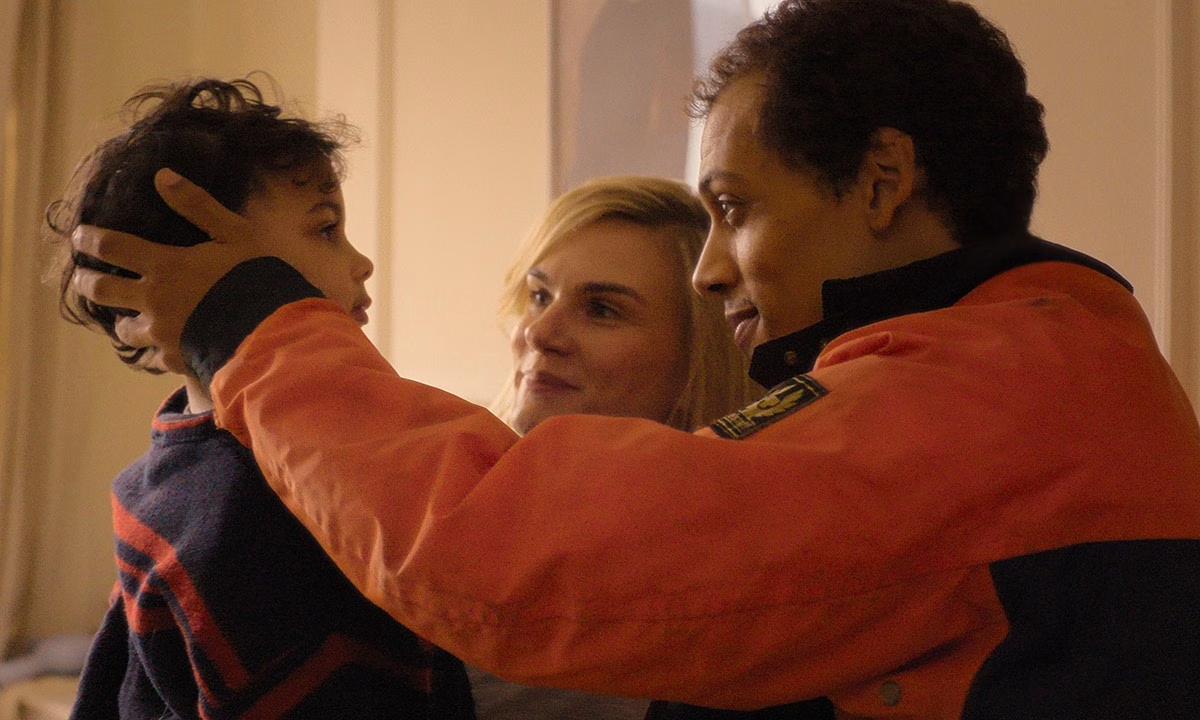
Netflix has another breakout success on its hands with The Witness, a three-part crime series that has quickly turned into a streaming hit just days after its release. Premiering on June 4, the show has already climbed to the No. 2 spot on Netflix’s U.S. TV charts, outperforming several competing titles. This rapid rise highlights the platform’s continued dominance in the true crime genre, especially when stories are rooted in real-life events.
Created by Rob Williams, The Witness tells the tragic story of the 1992 murder of Rachel Nickell and its devastating aftermath for her family. With strong critical reception and emotional storytelling, the series is quickly gaining attention from viewers worldwide. Let’s break down why the show is trending and what makes it stand out.
What Is The Witness About?
The Witness is based on the real-life murder of Rachel Nickell and focuses on the long-lasting impact of the crime on her partner André Hanscombe and their son Alex. The story is told from a deeply personal perspective, especially through Alex, who witnessed the attack as a young child. This unique angle adds emotional depth that sets it apart from standard crime dramas.
The series is adapted from Alex Hanscombe’s memoir Letting Go, which explores trauma, grief, and recovery. By centering the narrative on the family rather than just the investigation, the show delivers a more human and intimate portrayal of the case. This approach has resonated strongly with audiences looking for meaningful storytelling in the true crime genre.
One of the biggest reasons for the show’s rapid success is its strong critical reception. Early reviews have praised its storytelling, performances, and emotional weight, helping it gain momentum shortly after release. Even with a limited number of reviews, the positive response has boosted its visibility on the platform.
Another key factor is Netflix’s established audience for crime content. Shows like Ozark and Mindhunter have already proven the genre’s popularity, and The Witness builds on that foundation. Its short three-episode format also makes it highly bingeable, encouraging viewers to watch the entire series in one sitting.
The involvement of real-life figures also adds authenticity to the project. Both André and Alex Hanscombe served as consultants, ensuring that the portrayal remains faithful to their lived experiences. This level of realism has helped the series stand out among other crime-based content.
A Story Rooted in Real-Life Tragedy
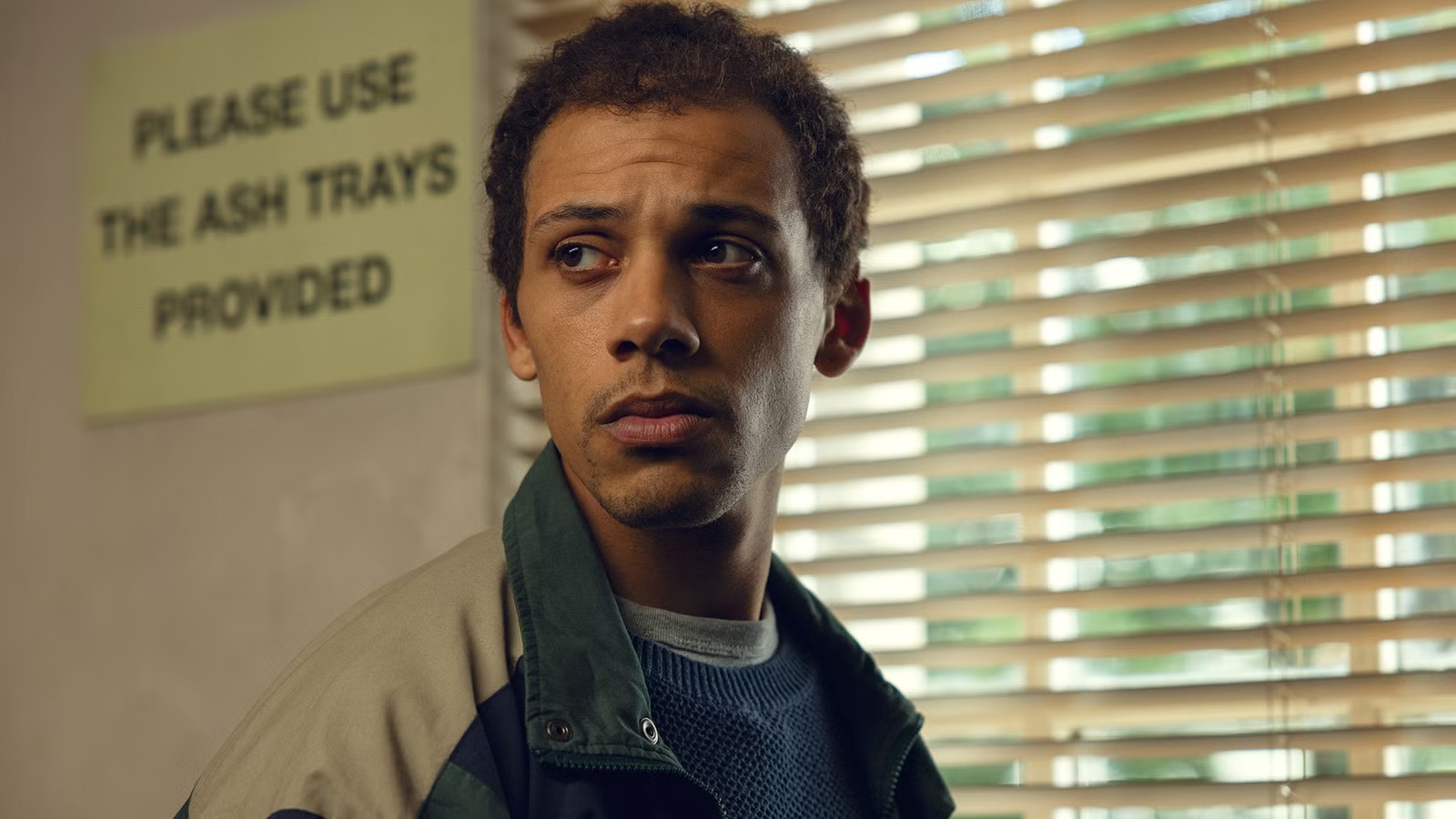
The events depicted in The Witness are based on the 1992 Wimbledon Common murder, one of the most surprising crimes in British history. Rachel Nickell was attacked in broad daylight, and her young son was present during the incident. The case quickly gained national attention due to its brutality and the emotional impact on the family.
What followed was a deeply flawed investigation that led to the wrongful accusation of Colin Stagg. Despite a lack of evidence, he became the primary suspect and was subjected to a controversial undercover operation. The case against him eventually collapsed in court, highlighting serious issues within the investigation.
Years later, advancements in DNA technology led to the identification of the real killer, Robert Napper. This development came more than a decade after the crime, underscoring how long justice was delayed. These elements make the story both gripping and deeply unsettling.
Performances and Creative Team
The series features a strong cast, including Mark Stanley, Jordan Bolger, and Max Fincham, who bring emotional depth to their roles. Their performances have been widely praised for capturing the trauma and resilience of the real people involved. Supporting actors also contribute to the show’s grounded and realistic tone.
Rob Williams, known for his work on Killing Eve and The Man in the High Castle, wrote all three episodes. The direction by Alex Winckler further enhances the storytelling, focusing on character-driven moments rather than sensationalism. This creative approach aligns with the show’s goal of presenting a respectful and authentic narrative.
The decision to keep the series limited to three episodes ensures a tight and focused story. It avoids unnecessary stretching while delivering a complete and impactful narrative. This structure has likely contributed to its strong reception among viewers.