
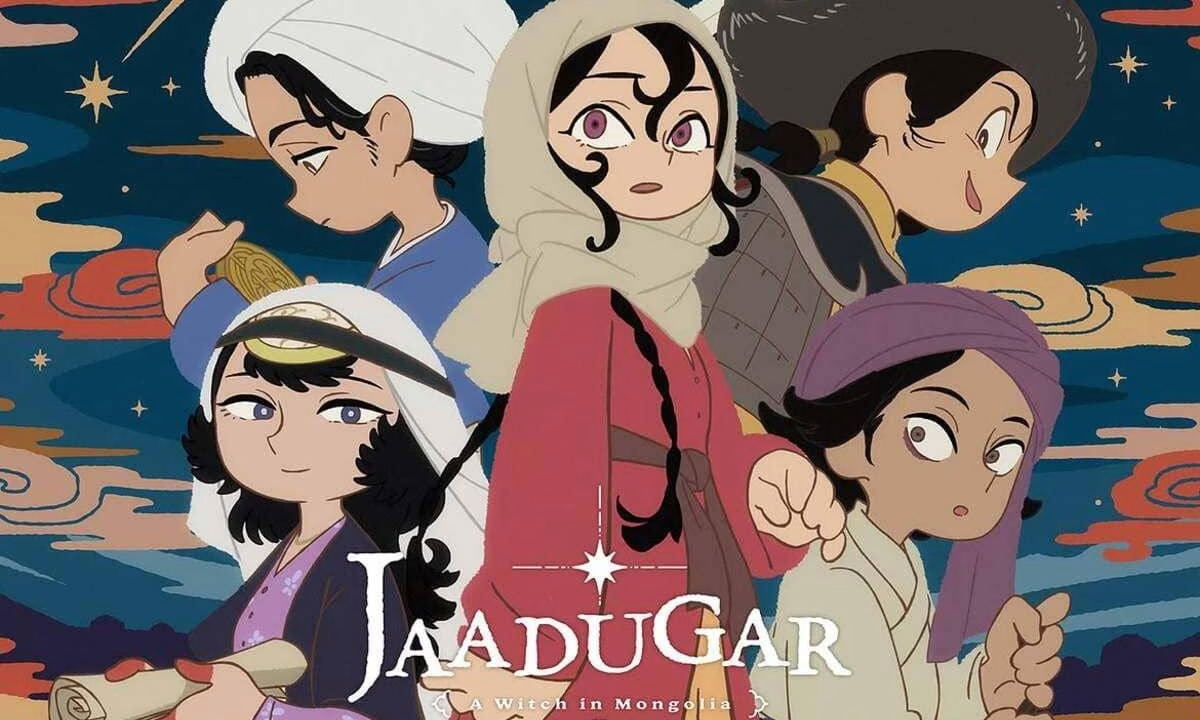
Naoko Yamada has revealed that she and Jaadugar: A Witch in Mongolia director Abel Góngora went beyond conventional research while preparing Science SARU’s historical anime, including staying in a traditional Mongolian dwelling and experiencing horseback riding firsthand.
The executive director discussed the production during an interview with Anime News Network at Anime Expo 2026, explaining how the team wanted the series’ 13th-century Persian and Mongolian settings to feel authentic without losing the distinctive visual identity of Tomato Soup’s original manga.
The production team’s research included visiting Mongolia, exploring museums dedicated to Mongolian history, and consulting specialists on the histories of Mongolia and Persia. Yamada said these experiences helped the staff understand the cultures behind the story rather than simply recreating them through existing references.
Naoko Yamada’s Mongolia Experience Shaped Jaadugar’s Historical World
In the interview with Anime News Network, Yamada explained that the adaptation immediately stood out because of its unusual setting and connection to real history. She praised Tomato Soup’s manga for its distinctive character designs and its story set during a period that many viewers may know relatively little about, particularly the history of Persia and Mongolia.
Yamada revealed that the anime staff drew inspiration from traditional Iranian and Persian art while also traveling to Mongolia for location scouting. The team visited museums and consulted historical experts who served as supervisors, giving the production additional guidance when translating the period into animation. The official staff page confirms Yamada serves as executive director, with Góngora directing and Science SARU handling animation production.
The research also became more personal for Yamada and Góngora. Asked whether they had experienced traditional Mongolian activities themselves, Yamada explained that the pair participated in a homestay in a traditional dwelling and tried horseback riding while experiencing aspects of everyday life.
“There was no need for Wi-Fi and internet,”
Yamada said during the interview, describing the experience as an opportunity to enjoy being disconnected from social media and modern technology. That firsthand experience gave the production team another perspective on the environment and culture that the anime was attempting to portray.
That attention to authenticity is particularly important because Jaadugar moves between different cultures and historical environments. The story begins in 13th-century Tus in what is now Iran, following Sitara after she is separated from her homeland and taken in by a family of scholars. The arrival of the Mongol army eventually changes her life again, pushing her toward a much larger political struggle.
Yamada also emphasized that the production did not want historical detail to overwhelm the visual language of the original manga. She described Tomato Soup’s artwork as cartoonish without being overly conventional for anime, while noting that Góngora had numerous ideas for making the animation move smoothly without losing that identity.
The same philosophy extended to the series’ visual world. According to Yamada, art director Yuri Kabasawa wanted elements that might appear exotic to international viewers to feel completely normal within the world of Jaadugar. Rather than overloading every scene with historical details, the team aimed to create a cohesive environment that audiences could naturally inhabit.
The approach is supported by the anime’s broader production philosophy. Science SARU’s official credits list Kenichi Yoshida as character designer and chief animation director, Yuri Kabasawa as art director, and Koshiro Hino as composer. The series is based on Tomato Soup’s A Witch’s Life in Mongol, with the adaptation placing particular emphasis on the lives of women caught within the political upheaval of the Mongol Empire.
Yamada believes that this cultural focus could become one of Jaadugar’s biggest strengths. She said the series can serve as a bridge for viewers who know little about Persian, Iranian, or Mongolian history, allowing them to discover these cultures through the characters and their experiences.
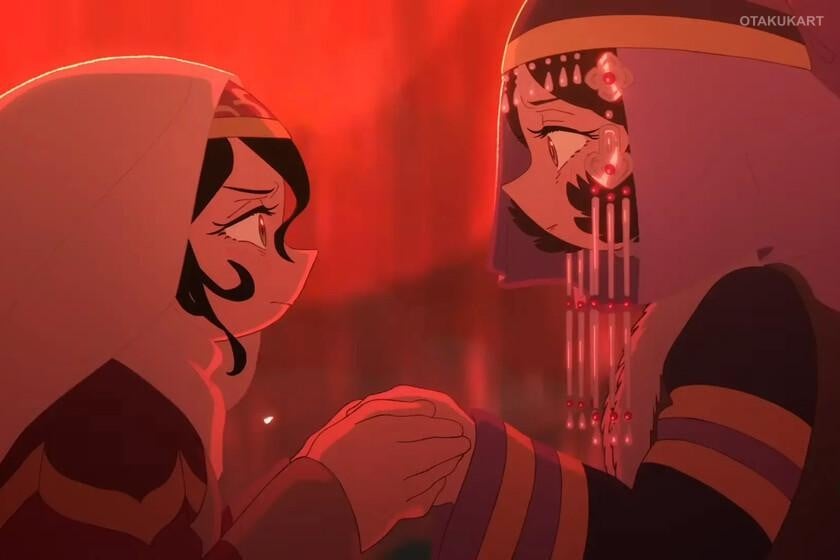
She also highlighted the relationship between Töregene and Sitara, whose personal motivations drive much of the story. Their influence within a male-dominated political world is presented through their emotions and ambitions, giving the historical setting a deeply human perspective.
For Yamada, one scene that particularly represents what the anime can accomplish is the opening episode, when Sitara moves through the town of Tus. She said the sequence immediately draws viewers into the story and remains one of the scenes she is most proud of.
Jaadugar: A Witch in Mongolia is produced by Science SARU and currently airs as part of the 2026 anime season. The official anime website lists Yamada as executive director and Góngora as director, while the series continues adapting Tomato Soup’s historical manga for television.